


The Netflix Cash Bid for Warner Bros. Discovery has entered a decisive new phase, intensifying one of the largest and most consequential media acquisition battles in years and sharply raising the pressure on rival bidder Paramount Skydance.
According to an amended filing confirmed by Bloomberg Intelligence, Netflix has revised its proposal to acquire Warner Bros. Discovery’s studio and streaming business into a fully all-cash transaction, removing the stock component that had been a central point of criticism from Paramount.
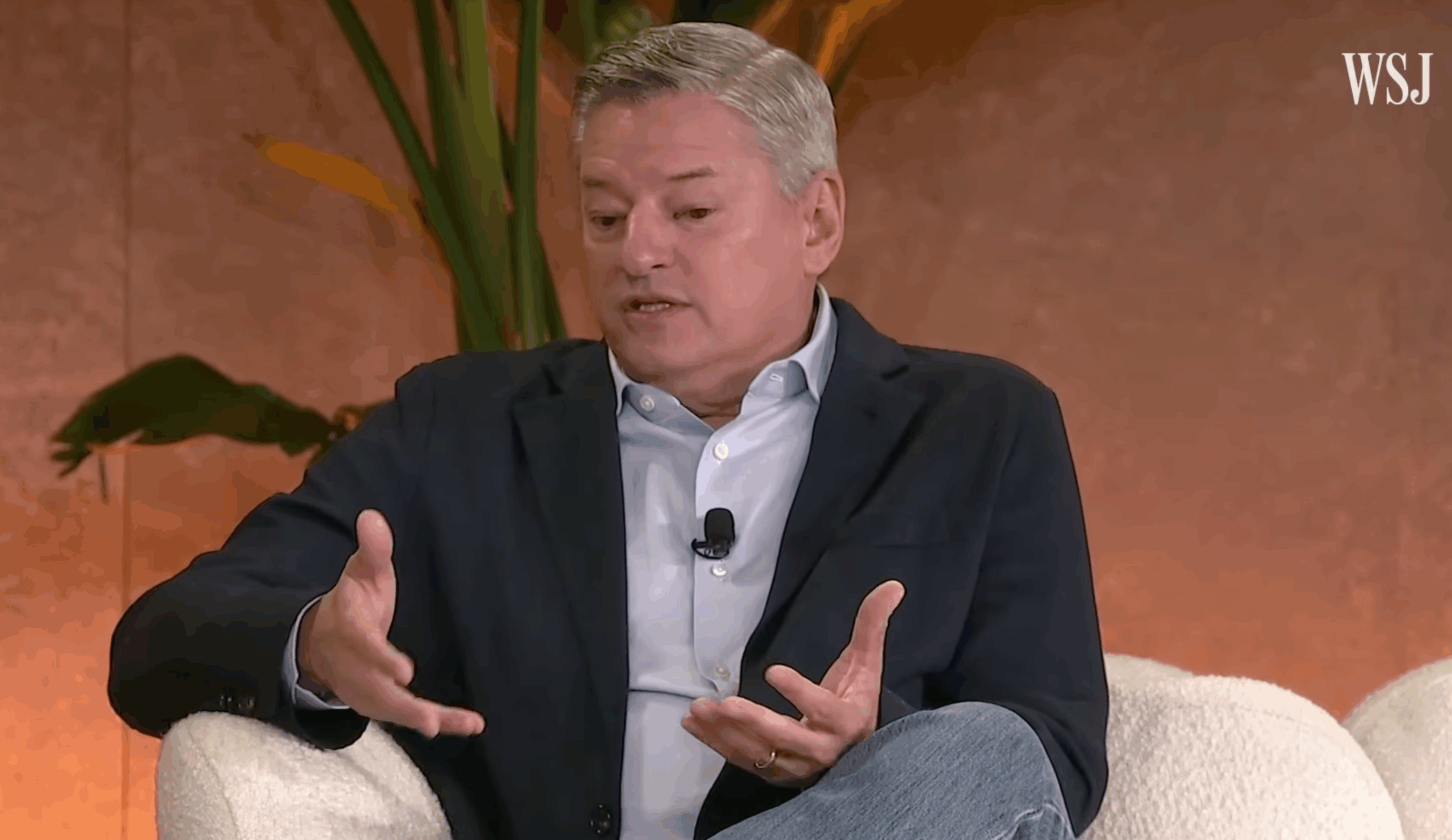
Netflix Co-CEO Ted Sarandos – YouTube, WSJ News
Netflix had previously agreed to pay $27.75 per share using a mix of cash and stock. Under the revised terms, that full amount will now be paid in cash. Warner Bros. Discovery plans to call a special meeting of shareholders to vote on the transaction, with Netflix indicating that the vote could take place as early as April.
The move is widely seen as an effort to accelerate the sale process while neutralizing Paramount’s argument that its own $30-per-share all-cash tender offer is financially superior. Paramount’s bid seeks to acquire all of Warner Bros. Discovery, including its legacy cable networks such as CNN and TNT, and has been aggressively pitched to shareholders as the cleaner, more traditional option.
Warner Board Backs Netflix as Paramount Presses Harder
Despite Paramount’s campaign, Warner Bros. Discovery’s board has remained firmly behind Netflix’s proposal. In a statement included in the filing, Netflix co-CEO Ted Sarandos said the board “continues to support and unanimously recommend” the Netflix transaction, expressing confidence that it represents the best outcome for shareholders, consumers, and creators.
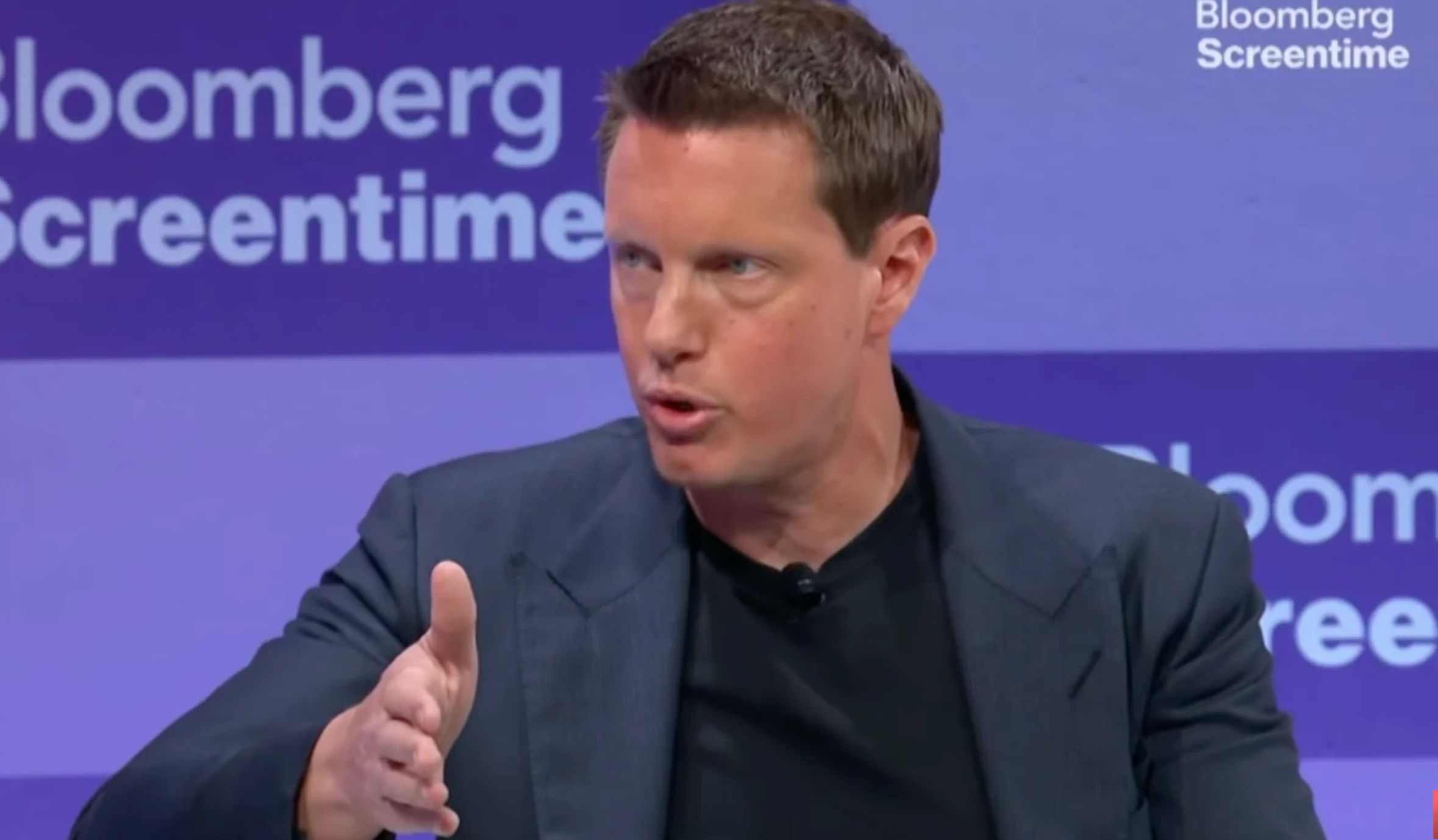
David Ellison in an interview with Bloomberg – YouTube, Bloomberg Podcasts
Paramount, led by CEO David Ellison, has not backed down. The company has threatened a proxy fight and filed a lawsuit seeking additional disclosures related to Netflix’s bid and the valuation of Warner Bros. Discovery’s cable assets. Institutional investors remain divided, with some calling on Paramount to raise its offer—something Ellison has so far refused to do.
Market reaction reflects the uncertainty. Since news of the competing bids broke, both Netflix and Paramount shares have fallen by roughly 29%, demonstrating investor unease around deal structure, financing, and regulatory risk. In premarket trading following the amended filing, Netflix shares rose about 1.4%, while Paramount slipped roughly 1%.
Cable Networks, Spinoffs, and Billions in Debt
A major fault line in the bidding war remains Warner Bros. Discovery’s cable networks. Under the Netflix deal, those assets would be spun off into a separate publicly traded company called Discovery Global, distributed to Warner shareholders.
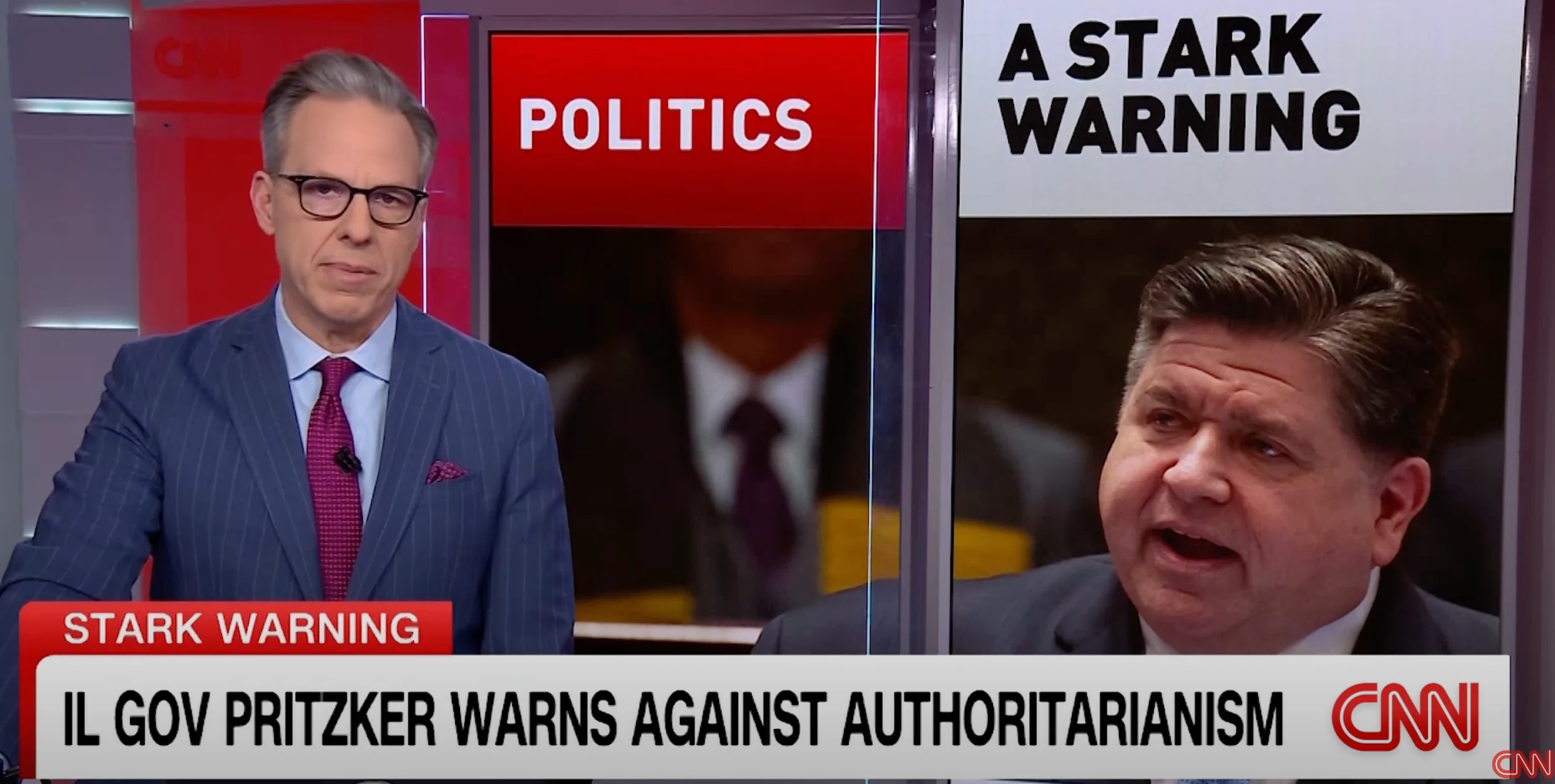
A screenshot from CNN – YouTube, CNN
According to the filing, Warner’s advisers value the cable networks anywhere from $0.72 to $6.86 per share, a wide range that Paramount has seized upon in arguing that the assets are effectively worthless. Warner disputes that claim, noting that cable networks still account for the majority of Paramount’s own revenue and profit.
Discovery Global would carry approximately $17 billion in debt as of June 30, 2026, declining to $16.1 billion by year-end. Stronger-than-expected cash flow has already allowed Warner and Netflix to reduce projected debt by $260 million compared to earlier plans. The filing projects $16.9 billion in revenue and $5.4 billion in adjusted EBITDA for Discovery Global in 2026.
Financing, Scale, and Regulatory Scrutiny
Netflix has lined up $42.2 billion in bridge loans from Wall Street banks to support the amended cash offer, facilities typically replaced later with long-term corporate debt. If completed, a Netflix–Warner combination would unite two of the world’s largest streaming operations, creating a platform with an estimated 450 million global subscribers and a content library capable of rivaling Disney and Amazon.
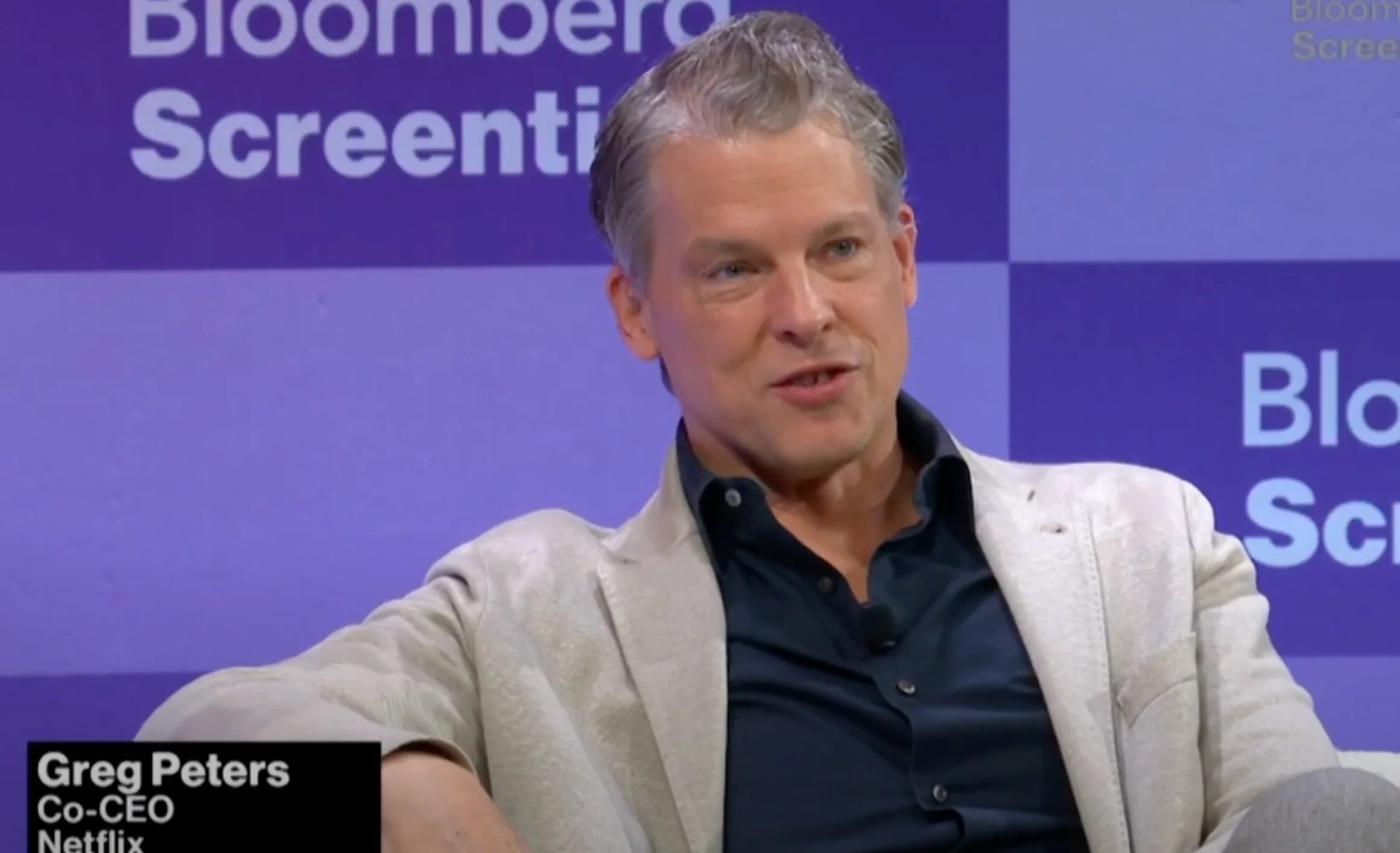
Netflix Co-CEO Greg Peters in an interview with Bloomberg – YouTube, Bloomberg Live
That scale is also what has drawn scrutiny. Hollywood labor unions and movie theater owners have warned that the merger could further weaken theatrical distribution and consolidate too much power in streaming. Sarandos and Netflix co-CEO Greg Peters have publicly expressed confidence that the deal will clear regulators, and executives from both Netflix and Warner Bros. have recently met with European regulators to make their case.
As part of that broader effort, Sarandos has previously stated in public forums that Netflix intends to maintain roughly a 45-day theatrical window for major releases as the company expands its theatrical footprint. While not part of the amended filing, the stance provides additional context for how Netflix is positioning itself against Paramount’s argument that it represents a more traditional Hollywood structure.
Stakes Rise for Paramount
Bloomberg Intelligence analyst Geetha Ranganathan noted that the all-cash revision addresses Wall Street concerns about Netflix’s share volatility and accelerates the shareholder vote, while simultaneously increasing pressure on Paramount. At this stage, she suggested, it may take an offer of more than $32 per share to sway Warner’s board—well above Paramount’s current bid.

Warner Bros Discovery Logo
For now, Warner Bros. Discovery remains firmly in Netflix’s corner. With financing secured, objections addressed, and a shareholder vote approaching, the Netflix Cash Bid has raised the stakes dramatically—leaving Paramount with a narrowing window to decide whether to escalate or walk away from one of Hollywood’s most consequential takeover fights.
Are you surprised the Netflix went with a cash bid for Warner Bros. Discovery? Sound off in the comments and let us know!
