


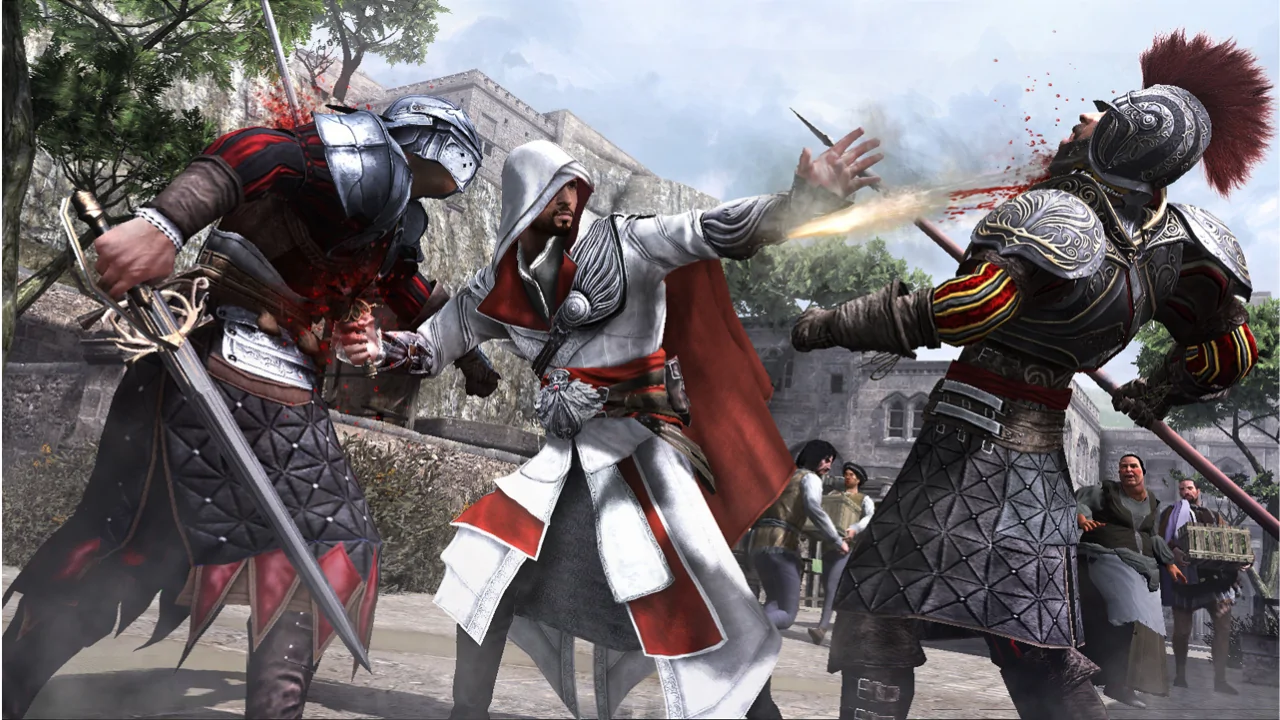
In a move that could offer a fleeting lifeline to a struggling publisher, Netflix has officially greenlit a live-action series based on Ubisoft’s Assassin’s Creed franchise.
The announcement, made on July 17, 2025, follows nearly five years of development since the initial partnership between Netflix and Ubisoft was unveiled in 2020.
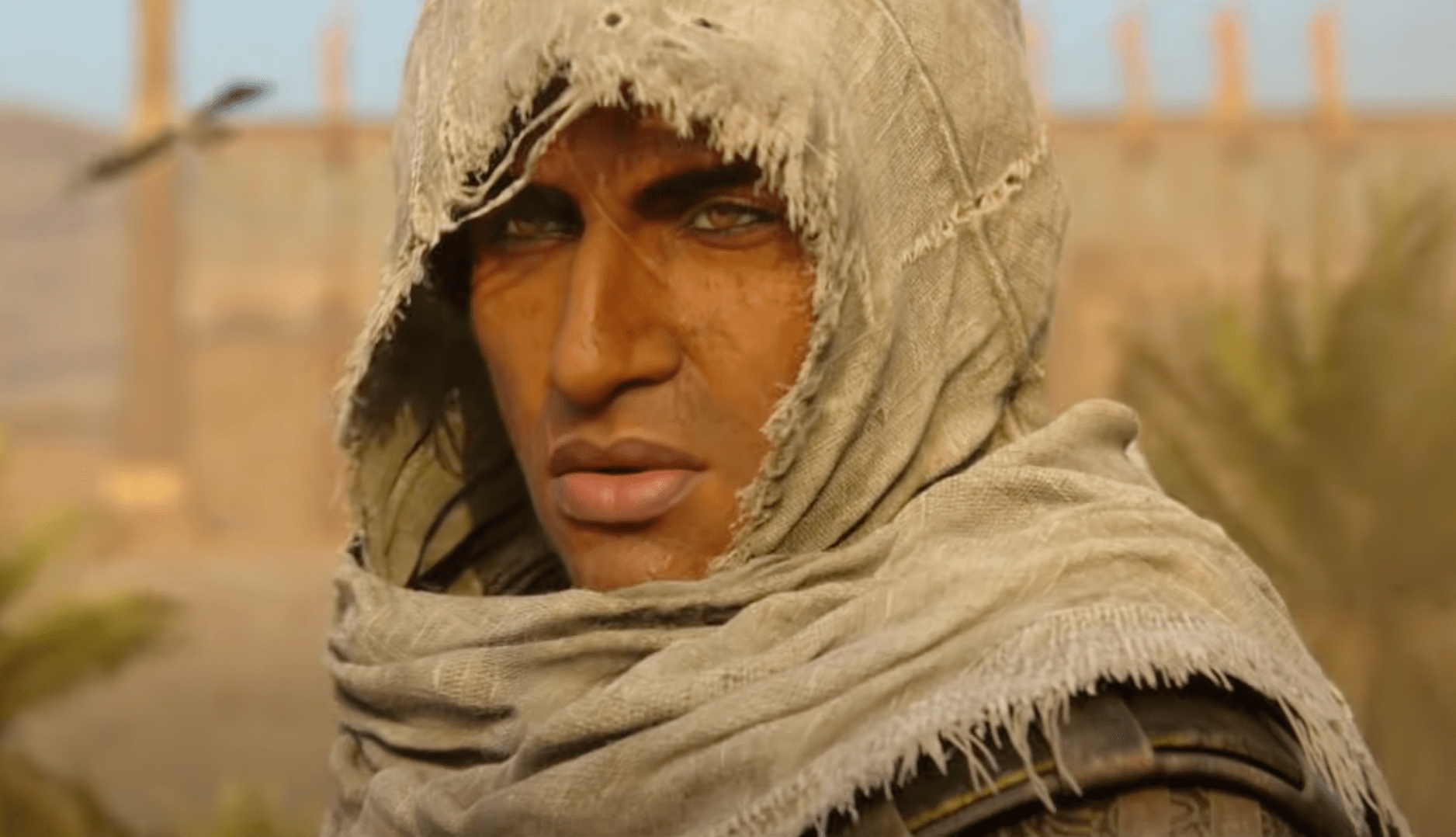
Bayek from Assassin’s Creed Origins – YouTube, Ubisoft North America
Emmy nominees Roberto Patino (DMZ, Westworld, Sons of Anarchy) and David Wiener (Halo, Homecoming, The Killing) are set to serve as creators, showrunners, and executive producers, drawing on their backgrounds in dramatic and speculative storytelling.
Described as a “high-octane thriller,” the series will focus on the clandestine conflict between two ancient factions: the Templars, intent on shaping humanity’s fate through domination and deceit, and the Assassins, who ostensibly defend free will.
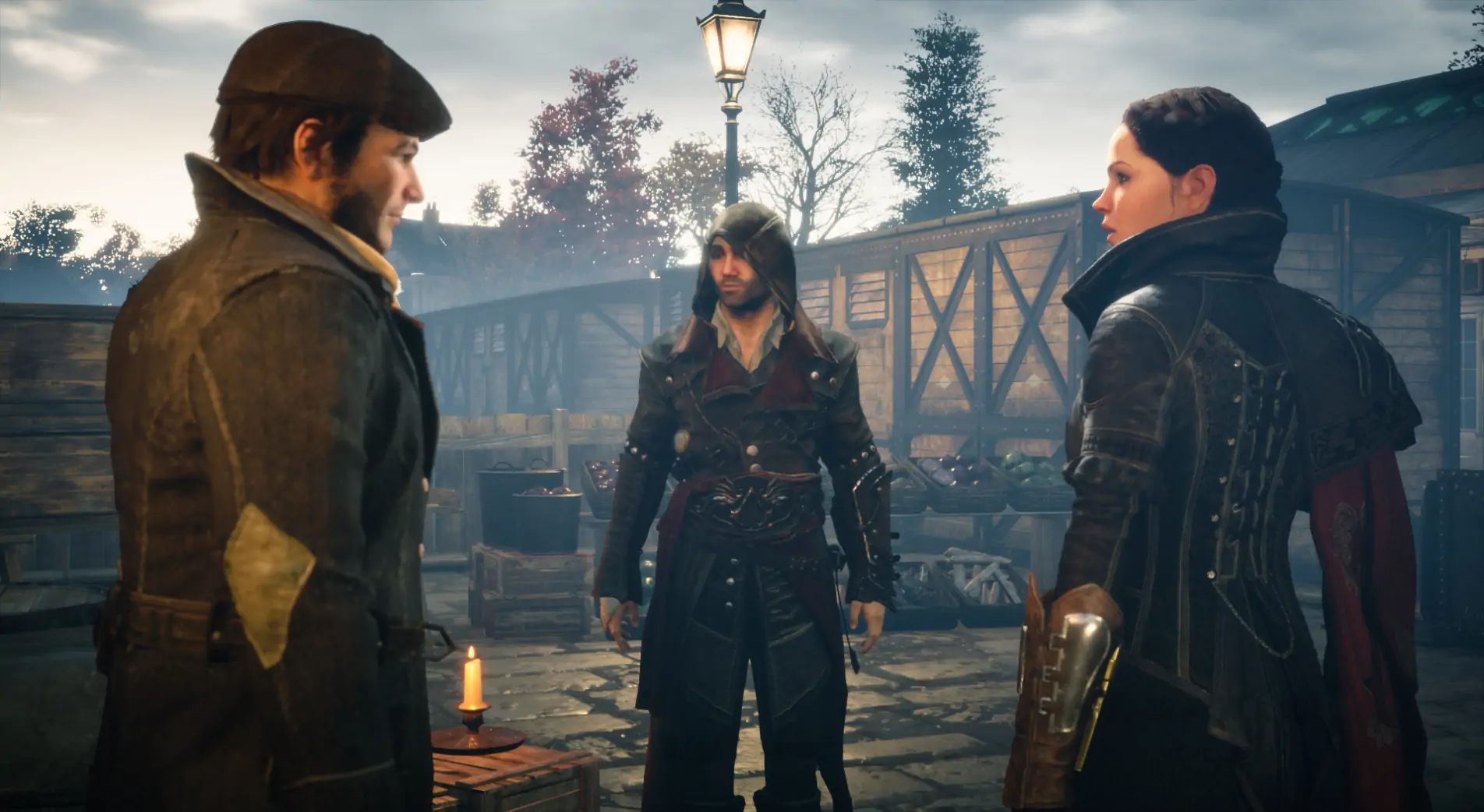
A screenshot from Assassin’s Creed Syndicate (2015), Ubisoft
Traversing key historical moments, the narrative delves into themes of purpose, identity, destiny, faith, power, violence, greed, and vengeance. Yet, Patino and Wiener stress that at its heart, the show examines “the value of human connection, across cultures, across time,” and the existential threats when such ties erode.
In their joint statement, Patino and Wiener professed their fandom for the series since its 2007 debut, which has amassed over 230 million copies sold globally.

A screenshot of Assassin’s Creed Hexe via Ubisoft YouTube
“We’ve been fans of Assassin’s Creed since its release in 2007. Every day we work on this show, we come away excited and humbled by the possibilities,” they noted, highlighting the blend of action elements like parkour with profound human dilemmas, while pledging to craft an experience for fans and novices alike.
Peter Friedlander, Netflix’s vice president of scripted series, commented on the milestone as well.
“When we first announced our partnership with Ubisoft in 2020, we set out with an ambitious goal to bring the rich, expansive world of Assassin’s Creed to life in bold new ways,” the Netflix executive said. “Now, after years of dedicated collaboration, it’s inspiring to see just how far that vision has come.”
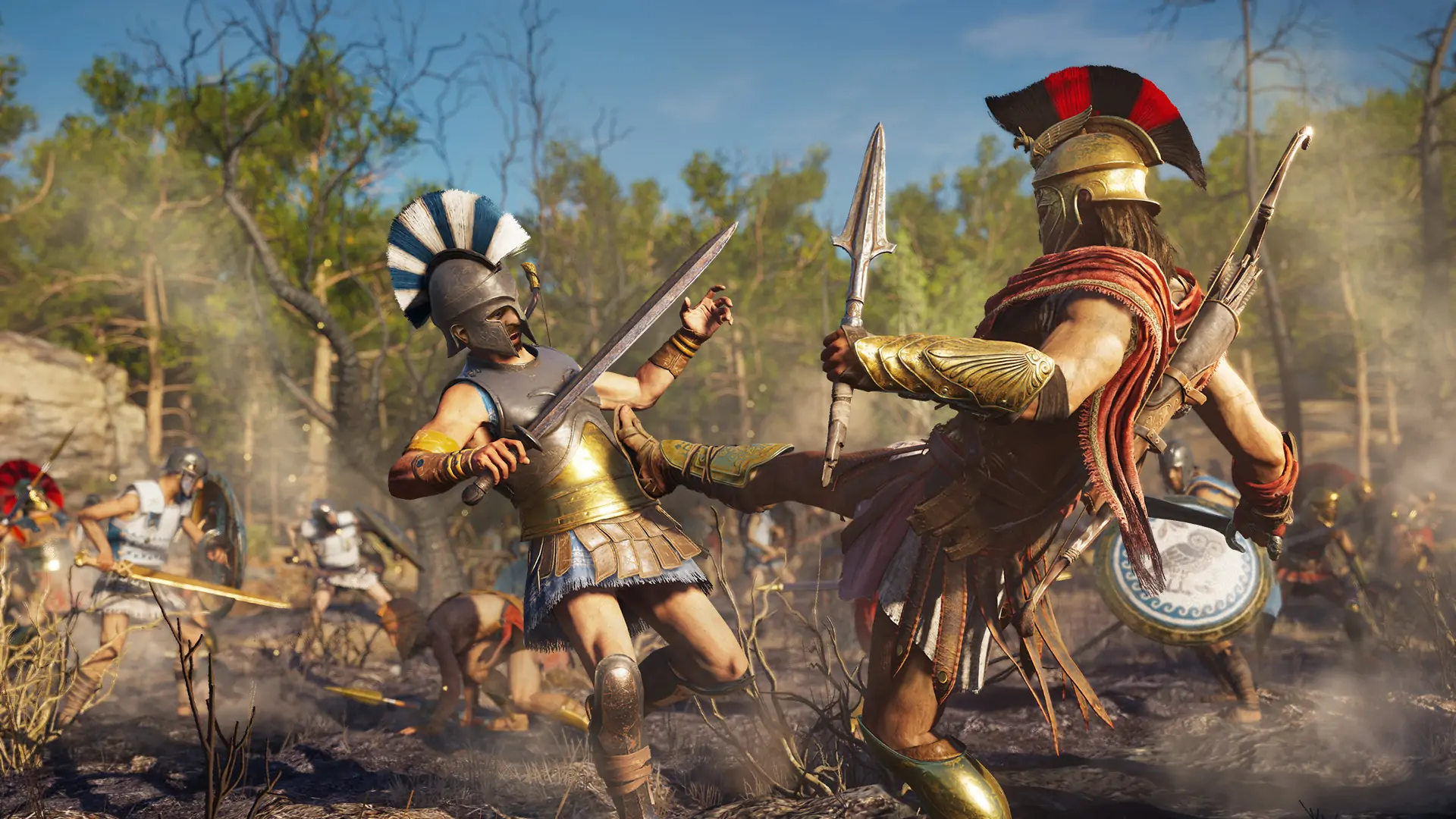
A screenshot from Assassin’s Creed Odyssey (2018), Ubisoft
The production team extends to executive producers Gerard Guillemot, Margaret Boykin, Austin Dill from Ubisoft Film & Television, and Matt O’Toole. Boykin, Ubisoft Film & Television’s head of content, expressed enthusiasm.
“We are so excited to work alongside Roberto, David, and our Netflix partners to bring this beloved franchise to series,” he said.
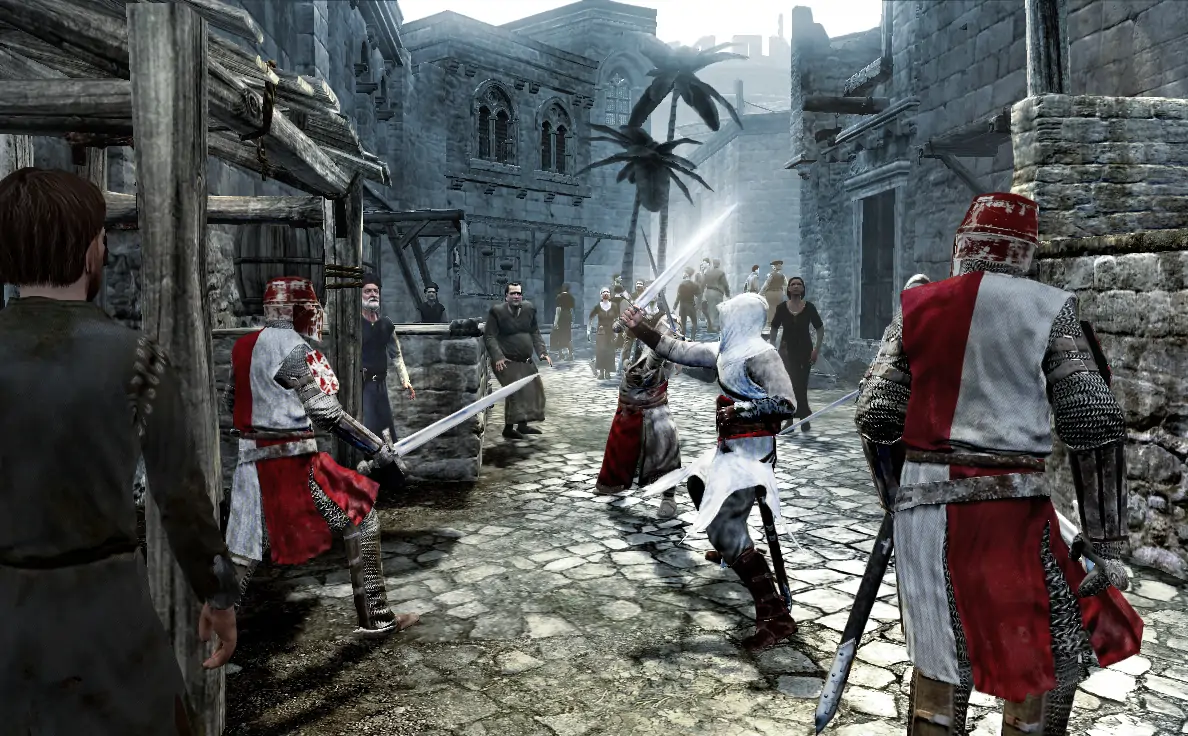
A screenshot from Assassin’s Creed Director’s Cut Edition (2008), Ubisoft Montreal
This adaptation joins Netflix’s portfolio of video game-inspired projects, including Castlevania, Arcane, Cyberpunk: Edgerunners, and the forthcoming Splinter Cell: Deathwatch. The franchise’s prior cinematic outing in 2016, featuring Michael Fassbender, earned $240 million worldwide but was widely panned for failing to capture the games’ essence.
Ubisoft’s Catastrophic Year
The Netflix Assassin’s Creed greenlight emerges against a backdrop of utter turmoil for Ubisoft, as the French gaming giant staggers through what may be its final throes.
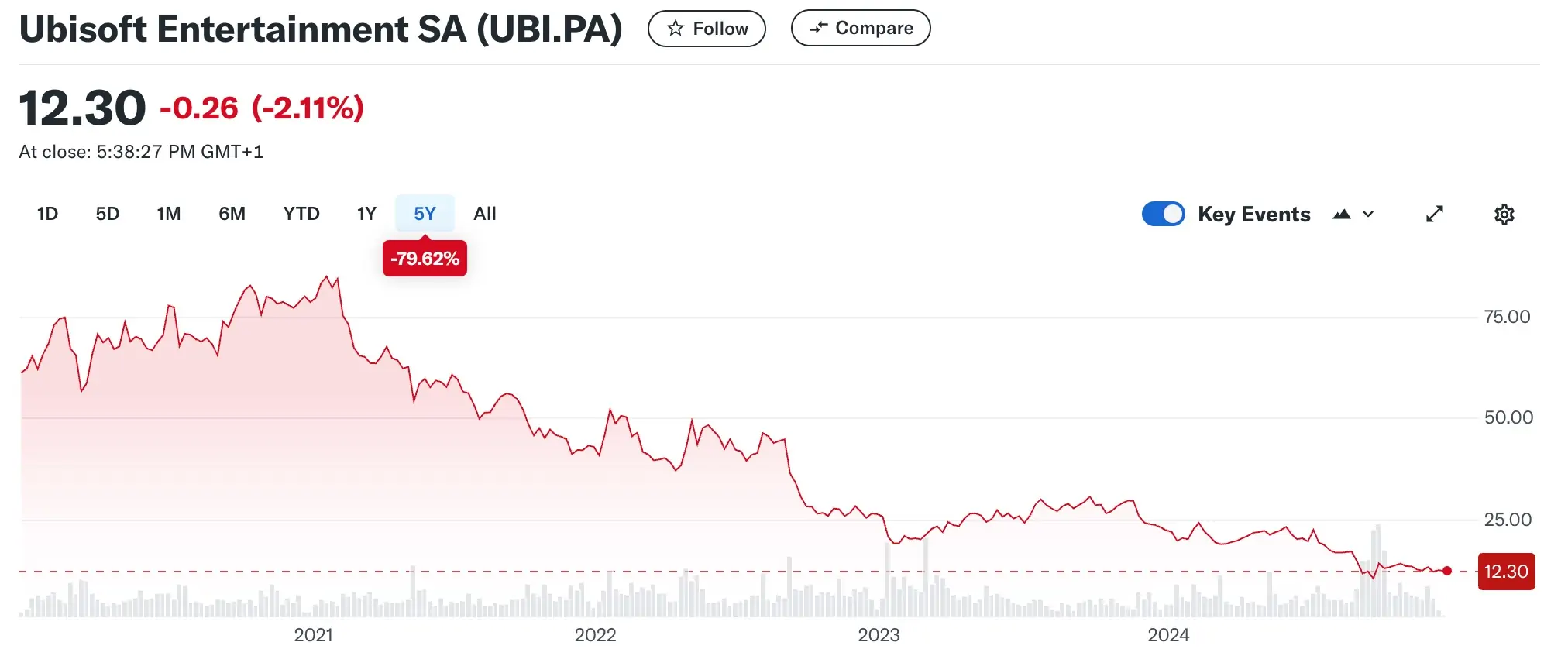
A five year look at the Ubisoft Stock as of December 18, 2024 – Yahoo! Finance
On May 14, 2025, Ubisoft disclosed its full-year earnings for the 2024-25 fiscal period, painting a picture of unrelenting decline. Net bookings plummeted 20.5% year-over-year to €1.85 billion, accompanied by a net loss of €159 million.
Revenue for the nine months ending December 31, 2024, cratered 31.4% to €990 million, while third-quarter income nosedived 47.5% to €318 million. Half-year sales fell 19.6% to €672 million, and digital net bookings dropped 26.5% to €527 million.

A screenshot from Star Wars Outlaws (2024), Ubisoft
These abysmal figures stem from a litany of failures: repeated delays, flops such as Star Wars Outlaws, and a faltering back-catalog that no longer sustains the company.
Ubisoft’s stock value collapsed in the wake of the report, with analysts branding the future as “dismal” and “bleak.”
CEO Yves Guillemot attempted to highlight a “solid balance sheet” and the role of Assassin’s Creed games, but projections for FY 2025-26—stable net bookings, breakeven non-IFRS operating income, and negative free cash flow—offer little reassurance.

Yves Guillemot via Ubisoft North America YouTube
Widespread layoffs, studio shutdowns, and a “transformation committee” aiming for €200 million in cost reductions highlight the desperation, fueling whispers of the company’s potential demise.
Ubisoft’s overdependence on aging franchises like Assassin’s Creed has proven disastrous, barely masking deeper systemic issues. Half-year net bookings declined 21.9%, hammered by lackluster live-service games and an oversaturated market. As analysts observe, even the attempted “rescue” via Assassin’s Creed has fallen flat, leaving Ubisoft teetering on the brink.

A screenshot from XDefiant (2024), Ubisoft
In a last-ditch effort to salvage its sinking ship, Ubisoft has forged a controversial alliance with Chinese conglomerate Tencent, spinning off its crown jewel franchises into a new subsidiary.
Announced in March 2025 and set to finalize by year’s end, the deal sees Tencent injecting $1.25 billion for a 25% stake in the entity, which will control heavy-hitters like Assassin’s Creed, Far Cry, and Tom Clancy’s Rainbow Six. Ubisoft retains majority ownership, but the move has been lambasted as a fire sale of assets, allowing the publisher to slash debt while ceding influence over its profitable core.
The Debacle and Utter Failure of Assassin’s Creed Shadows
At the epicenter of Ubisoft’s downfall lies Assassin’s Creed Shadows, a title that epitomizes the publisher’s hubris and incompetence. Launched on March 20, 2025, after repeated delays from its planned November 2024 release, the game ignited a firestorm of controversy over its depiction of Yasuke—an African historical figure shoehorned into the role of a legendary samurai in feudal Japan.
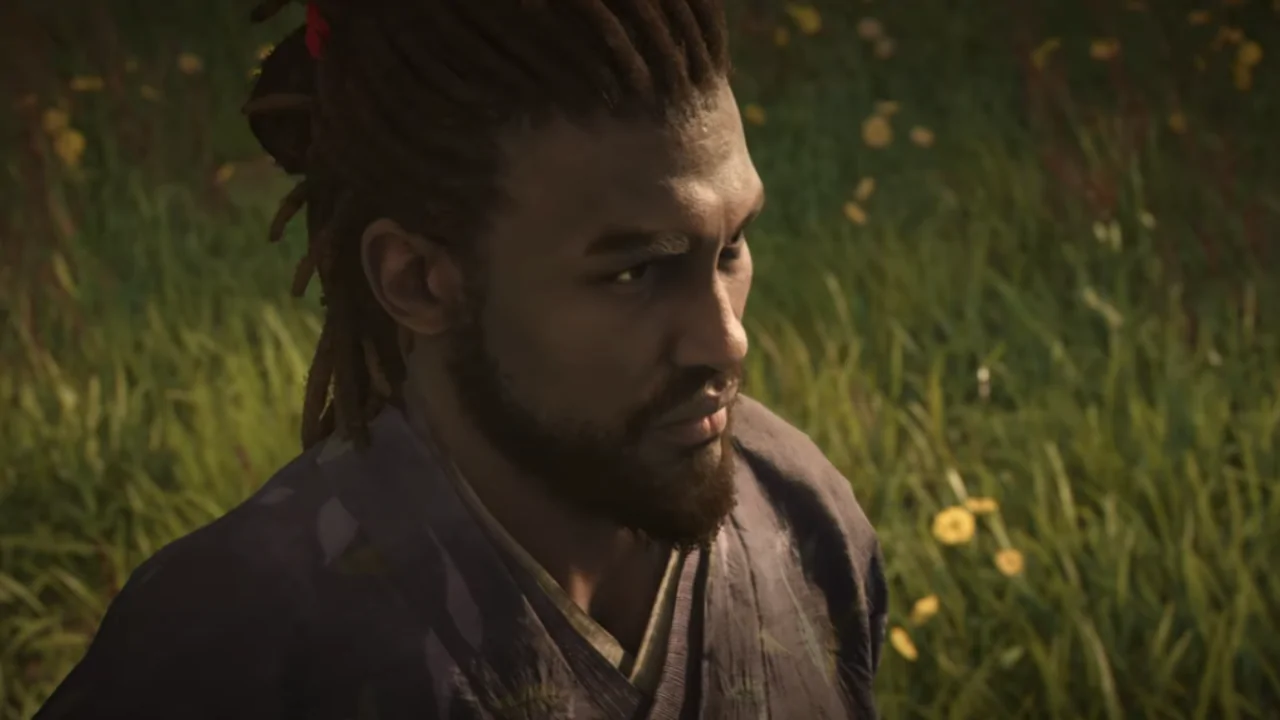
A screenshot from Assassin’s Creed Shadows (2024), Ubisoft
Detractors lambasted Ubisoft for egregious historical distortions, cultural appropriation, and injecting a forced “woke” ideology, with widespread outcry over elements like shrine desecration and DEI-driven narratives that alienated core audiences. The backlash escalated to official petitions from Japanese authorities and viral campaigns decrying the game’s insensitivity.
Far from a triumph, Shadows proved a resounding commercial and critical flop. Despite Ubisoft’s vague boasts of “over 1 million players” shortly after launch, deeper metrics reveal a catastrophe: sales that couldn’t eclipse predecessors like Valhalla, a precipitous player exodus within weeks, and earnings that dragged down the company’s already sinking ship.
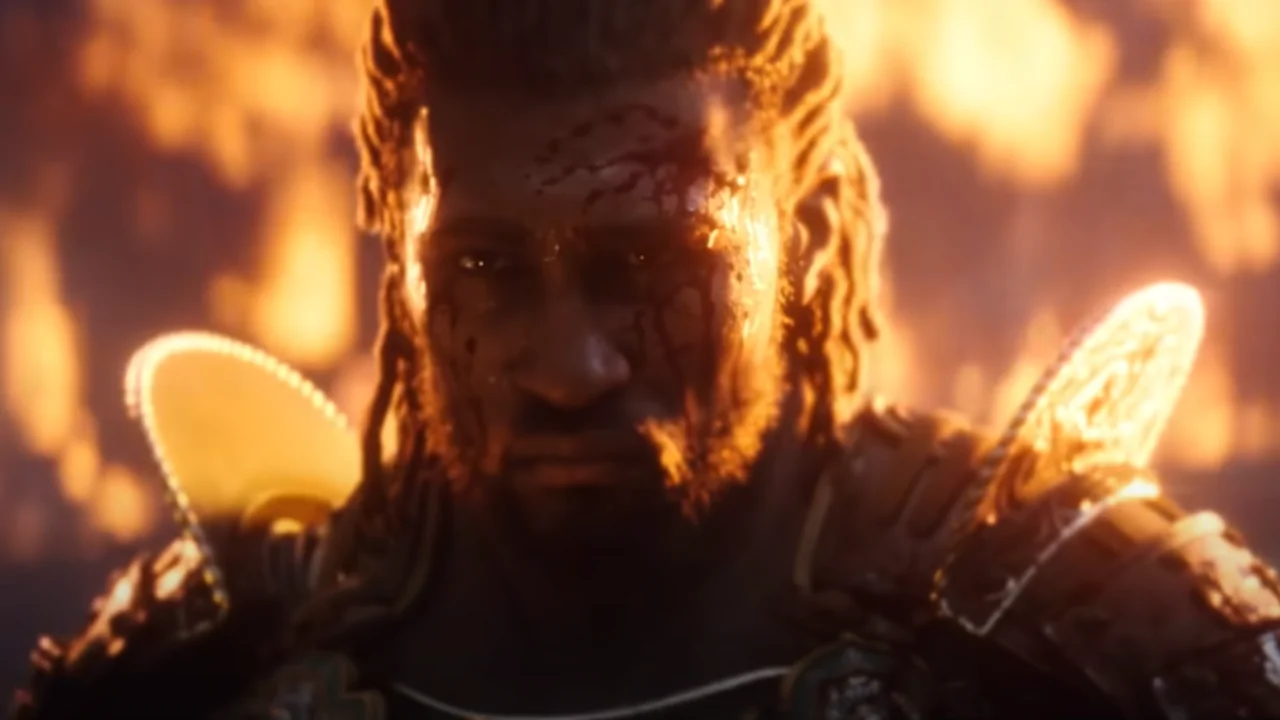
A screenshot from Assassin’s Creed Shadows (2024), Ubisoft
By May 2025, Ubisoft’s financial disclosures indirectly admitted the game’s shortfall, contributing to the broader revenue hemorrhage.
With this Netflix Assassin’s Creed series now in motion, it might inject temporary revenue for Ubisoft, but given the publisher’s dire predicament, skepticism abounds. Could this adaptation redeem the franchise, or will it succumb to the same pitfalls? In Ubisoft’s crumbling empire, the odds seem grim.
How do you feel about this Netflix Assassin’s Creed series? Sound off in the comments and let us know!
UP NEXT: Rumor: Liberty Belle Riverboat to be Dismantled at Magic Kingdom in Walt Disney World
