



For years, the assumption baked into Hollywood’s financial worldview was simple: scale wins. Theme parks, resorts, cruise ships, cable networks, broadcast television, and century-old intellectual property portfolios were supposed to be unbeatable advantages. Yet fiscal year 2025 delivered a result that completely shatters that belief. Netflix has officially surpassed The Walt Disney Company in pure dollar profit, despite operating with less than half of Disney’s total revenue and none of its sprawling physical infrastructure.
READ: Disney Expected to Announce New Disney CEO Next Month as Succession Pressure Builds
As YouTube personality and financial expert Valliant Renegade bluntly summarized during his earnings breakdown, the outcome has been inevitable for some time.
“I’ve been talking about this for probably close to a year or more,” Valliant said. “The writing has been on the wall for Netflix to flat-out overtake the Walt Disney Company in pure, dollar profit. It’s quite amazing when you really think about it. Disney has massive theme parks which drive the company along with a massive network of hotels and resorts. Disney has billion dollar Cruise ships, ESPN, ABC, countless TV channels, huge third party licensing contracts for 100 years of storied IPs, and three streaming services. Netflix just has Netflix. That’s it. Disney probably has about $100B in real property on the balance sheet. Netflix has next to none. And even with every advantage of maturity and business operation diversity, Disney is now turning LESS profit than Netflix, and Netflix is doing that with less than HALF the revenues of Disney.”
That contrast is the story.
Scale Didn’t Save Disney — It Weighed It Down
Disney’s empire is massive, but mass comes with cost. Parks require constant capital investment. Resorts demand upkeep. Cruise ships depreciate. Cable networks continue to bleed subscribers. ESPN remains increasingly expensive to operate, and Disney’s streaming strategy — spread across Disney+, Hulu, and ESPN+ — has long relied on obscured reporting that makes true platform-level profitability difficult to isolate.
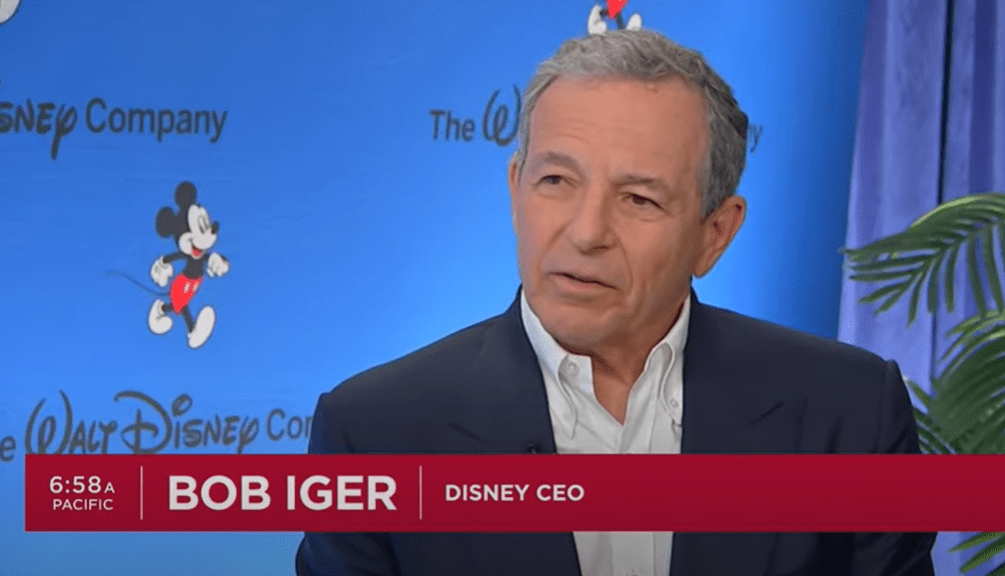
Bob Iger via CNBC Television YouTube
Netflix, by contrast, operates a brutally simple model: one platform, global reach, and a relentless focus on margins.
The company doesn’t maintain hotels or operate parks. It doesn’t own cruise fleets or cable networks. It doesn’t subsidize declining legacy media. Yet Netflix now generates more profit per dollar of revenue than Disney — a staggering reversal of expectations for a company that was once dismissed as “just a streaming service.”
Transparency vs. Obfuscation
Another key difference lies in how both companies present their financials.
Netflix publishes expansive data disclosures, including detailed revenue, operating income, and regional performance breakdowns. Its earnings reports leave little room for interpretation. Disney, on the other hand, continues to bundle and blur results — especially in streaming — combining multiple platforms into single reporting categories that obscure individual performance.

Netflix Co-CEO Ted Sarandos – YouTube, WSJ News
This matters because investors increasingly reward clarity and punish opacity.
Netflix’s straightforward reporting reinforces confidence. Disney’s layered accounting raises questions — particularly as the company leans more heavily on streaming narratives while legacy divisions continue to drag margins down.
The Market Has Already Rendered Judgment
The implications extend beyond earnings reports. Netflix’s market capitalization now dramatically outpaces Disney’s, despite Disney owning vast real-world assets that should, in theory, anchor long-term valuation.
But Wall Street is no longer pricing companies based on physical footprint alone. Efficiency, predictability, and profitability now matter more than nostalgia or brand history. Netflix delivers all three. Disney, at least for now, doesn’t.
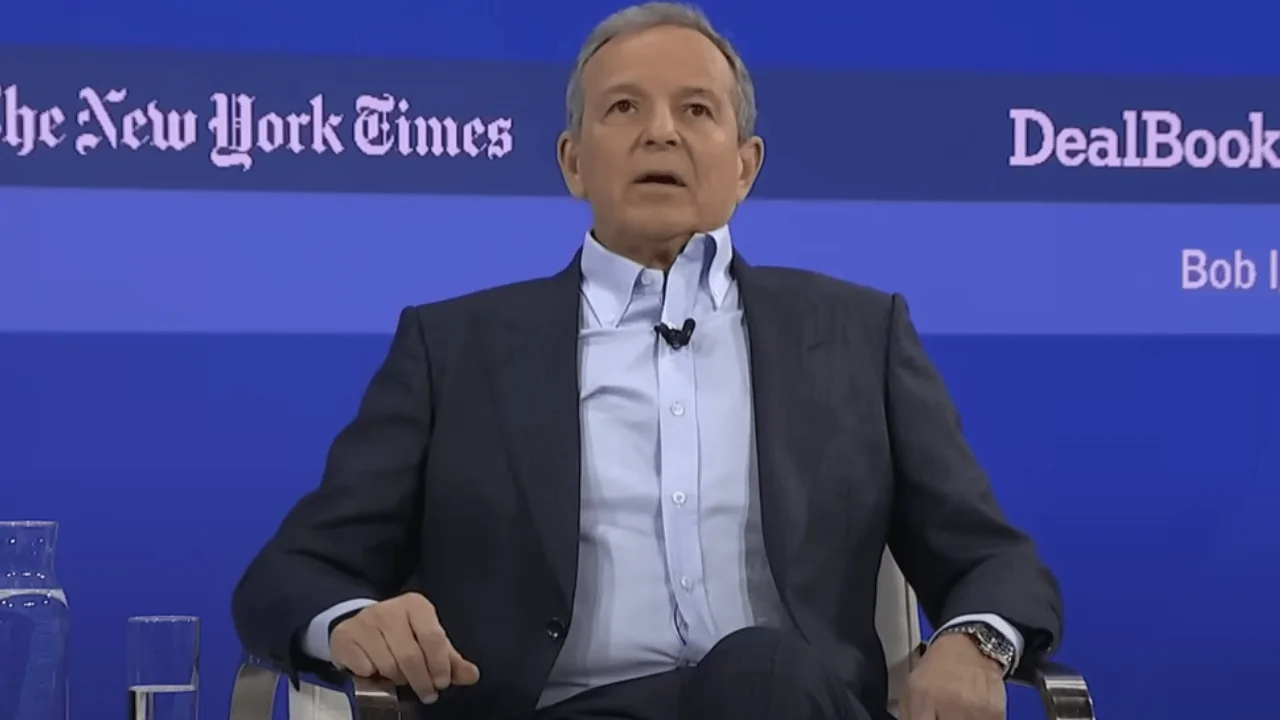
Bob Iger via New York Times Events YouTube
This isn’t about content quality or cultural relevance. It’s about business fundamentals — and on that front, the numbers are increasingly difficult to spin.
Netflix didn’t just catch Disney. It passed it — quietly, cleanly, and decisively.
Are you surprised that Netflix is more profitable than Disney? Sound off in the comments and let us know!
UP NEXT: Zack Snyder ‘Justice League 2’ Storyboards Had Superman Killing Lex Luthor
