


The Netflix Warner Bros acquisition saga just took a sharp turn. According to Variety, Netflix is preparing a revised all-cash offer to acquire Warner Bros. Discovery’s studios and streaming assets, a move that demonstrates how volatile — and increasingly hostile — this media bidding war has become.
Originally announced in early December, Netflix’s proposed acquisition of Warner Bros. Discovery valued the company at $82.7 billion, combining cash and Netflix stock. But market realities have intervened, forcing Netflix to rethink the structure of its offer as pressure mounts not just from Wall Street, but from a rival bidder determined to blow up the deal entirely.
Netflix Reconsiders Stock-Based Structure
Under the original Netflix Warner Bros agreement, Warner Bros. Discovery shareholders would receive $23.25 in cash plus $4.50 in Netflix stock per share. That structure depended heavily on Netflix’s share price remaining above a set “collar” threshold. It didn’t.

Noah Schnapp as Will Beyers in Stranger Things 5 – Netflix
Since the deal was announced on December 5th, Netflix’s stock has dropped more than 12%, falling below the $97.91 per-share collar price embedded in the agreement. As a result, the stock portion of the deal would be reduced under its existing terms, lowering the overall value delivered to Warner Bros. Discovery shareholders.
Netflix shares closed at $90.32, prompting renewed concerns over whether the original deal still made sense — for either side.
Netflix is now reportedly prepared to eliminate stock entirely and shift to an all-cash bid, a move first reported by The Wall Street Journal and previously hinted at by Bloomberg. Netflix declined to comment on the report, while Warner Bros. Discovery referred inquiries back to Netflix.
Paramount Skydance Applies Maximum Pressure
Netflix’s pivot doesn’t happen in a vacuum. The Netflix Warner Bros deal is under direct assault from Paramount Skydance, which has mounted an aggressive counteroffensive.
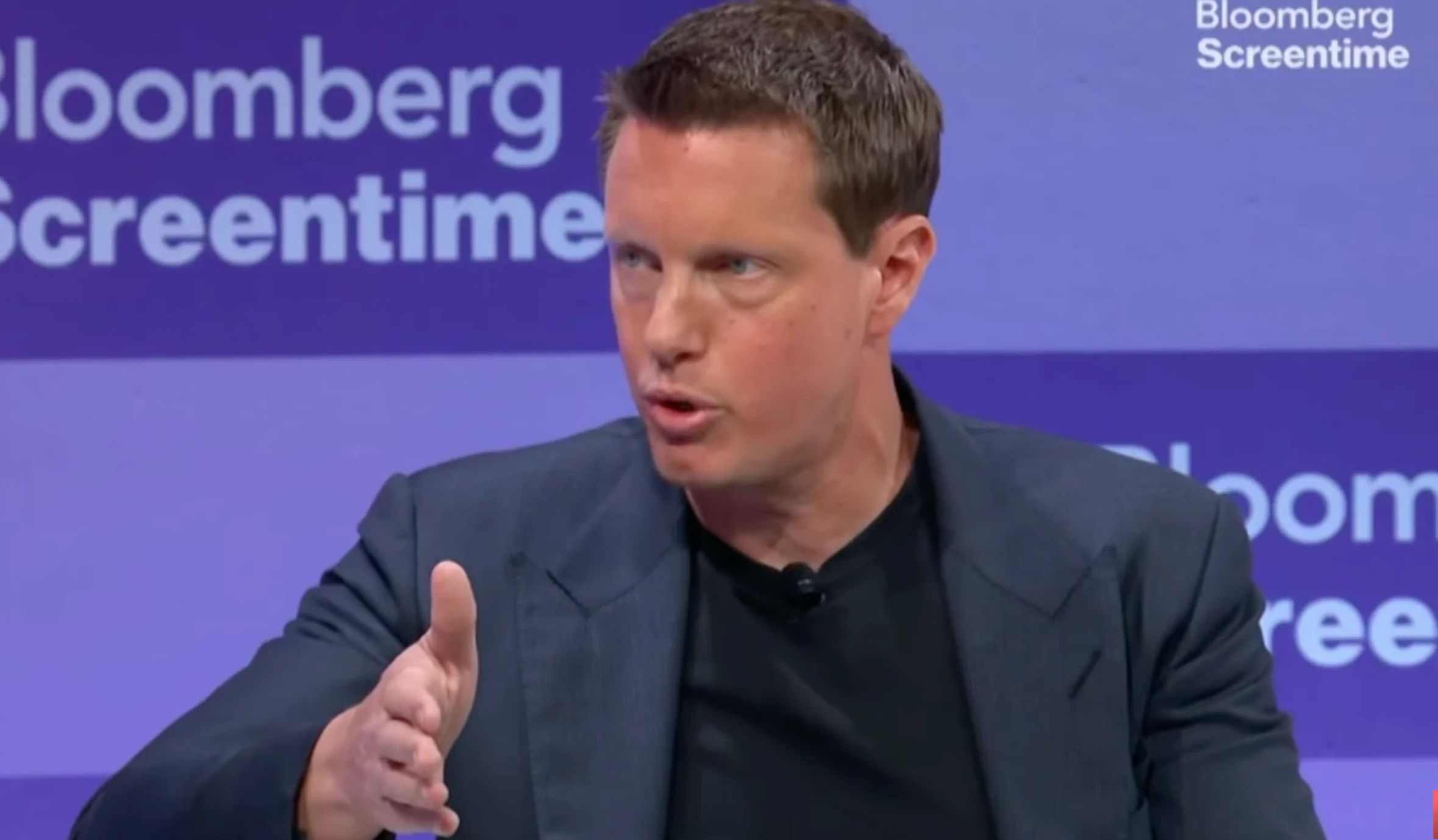
David Ellison in an interview with Bloomberg – YouTube, Bloomberg Podcasts
Paramount Skydance has submitted a $30-per-share all-cash hostile bid for Warner Bros. Discovery — higher than the implied per-share value of Netflix’s revised deal following its stock decline. The company has also:
- Filed a lawsuit demanding disclosure of Netflix deal financials
- Challenged the valuation of the planned Discovery Global cable spin-off
- Announced a proxy fight to replace Warner Bros. Discovery board members
Paramount argues that the Netflix deal undervalues shareholders and exposes them to unnecessary risk tied to Netflix’s stock volatility. Its January 8th analysis claims the Netflix Warner Bros transaction now values WBD at $27.42 per share, below Paramount’s offer.
This legal and shareholder pressure has clearly altered the negotiating landscape.
What Netflix Would Acquire — and What It Wouldn’t
It’s also worth noting the scope of Netflix’s interest. Under its deal, Netflix would acquire:
- Warner Bros. film studios
- Warner Bros. television studios
- HBO and HBO Max
- Warner Bros. Discovery’s gaming division
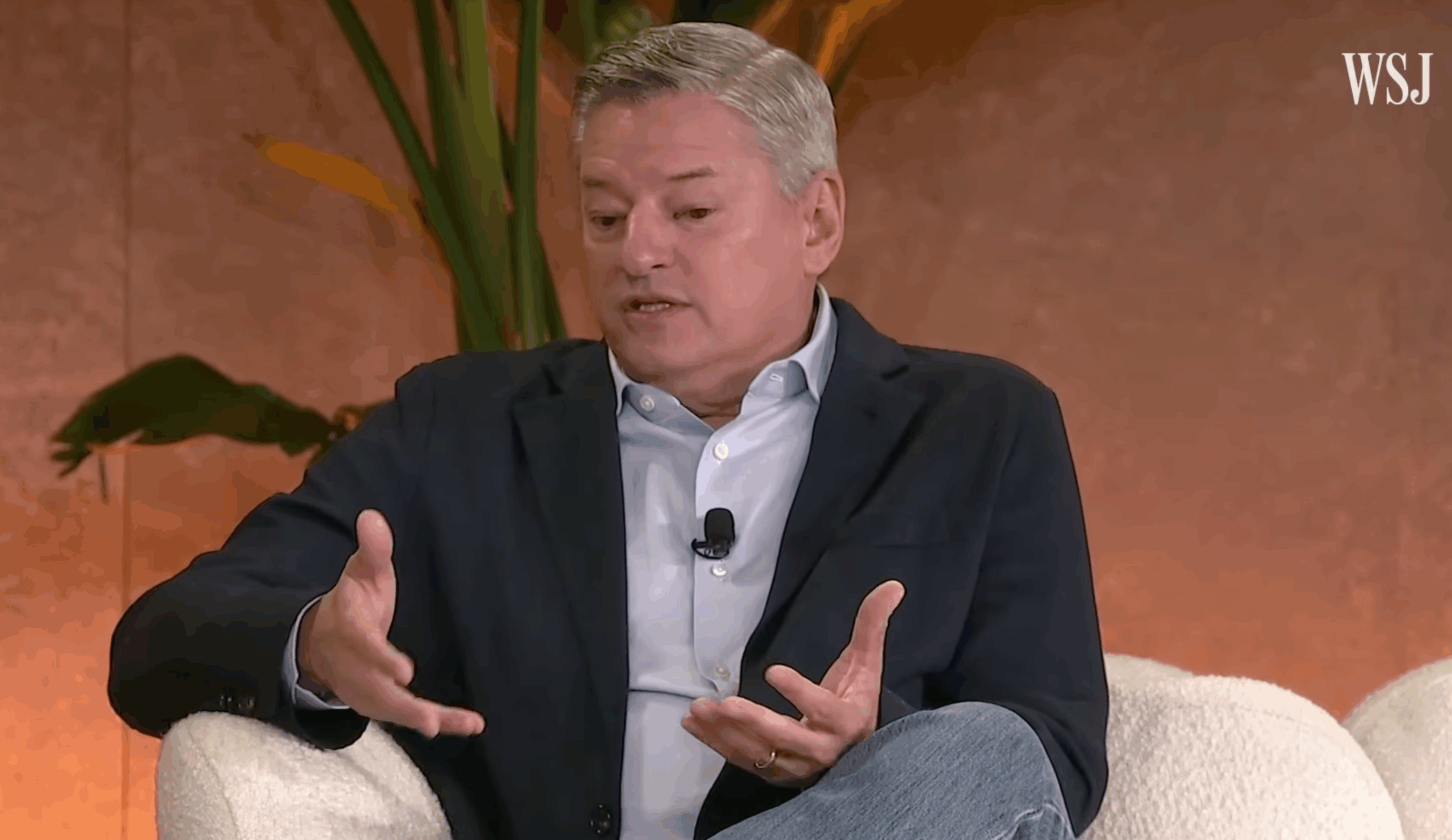
Netflix Co-CEO Ted Sarandos – YouTube, WSJ News
Crucially, Netflix would not acquire the entire company. Warner Bros. Discovery plans to spin off its linear cable networks into a separate entity called Discovery Global — an element Paramount has attacked as potentially worthless to shareholders after a similar move by NBC Universal fell on its face.
By contrast, Paramount Skydance’s offer seeks to acquire Warner Bros. Discovery in its entirety, a distinction that may matter greatly as shareholders evaluate long-term value.
The Debt Question and Financing Reality
Netflix’s original bid included $59 billion in debt financing, reportedly backed by Wells Fargo, BNP, and HSBC. An all-cash offer doesn’t eliminate financing concerns, but it does reduce uncertainty for shareholders wary of stock-based deals in a turbulent market.
The Logo for Netflix – Netflix
Paramount Skydance, meanwhile, is backed by deep-pocketed partners including Larry Ellison, RedBird Capital Partners, and sovereign wealth funds from Saudi Arabia, Qatar, and Abu Dhabi — a fact that strengthens its claim that it can close quickly and decisively.
Regulatory Approval Looms as a Major Obstacle
Beyond shareholder resistance and rival bidders, the Netflix Warner Bros merger faces one of its most significant hurdles in regulatory approval. Because the deal would unite the largest global streaming platform with one of Hollywood’s most powerful studios and content libraries, it’s already attracting scrutiny from U.S. antitrust officials and international regulators.
Even though the acquisition doesn’t require Federal Communications Commission approval — since neither company owns broadcast licenses — it must still clear antitrust review by the U.S. Department of Justice and other competition authorities. Analysts say that regulators will carefully examine how much market share the combined Netflix–Warner entity would control, and whether that dominance could harm competition for consumers.

U.S. President Donald Trump sits for an interview with ABC News – YouTube, ABC News
Political pressure is now part of the regulatory landscape as well. President Donald Trump publicly signaled his disapproval of the deal, reposting an article from One America News Network on his Truth Social platform that urged regulators to “stop the Netflix cultural takeover.”
Trump’s actions come on top of earlier statements in which he described the proposed Netflix acquisition of Warner Bros. Discovery as potentially problematic because of its size and market concentration, and said he expects to be involved in the federal review process.
For Netflix, these developments mean that even if it outbids Paramount Skydance and wins shareholder approval, securing regulatory clearance may prove to be the most complex phase of the transaction — one where political, cultural, economic, and legal concerns intersect.
A Deal No Longer on Autopilot
What once looked like a straightforward Netflix Warner Bros merger has become a high-stakes showdown involving lawsuits, proxy fights, and shifting deal terms. Netflix’s willingness to restructure its bid suggests the company understands the risk of losing momentum — or losing outright.
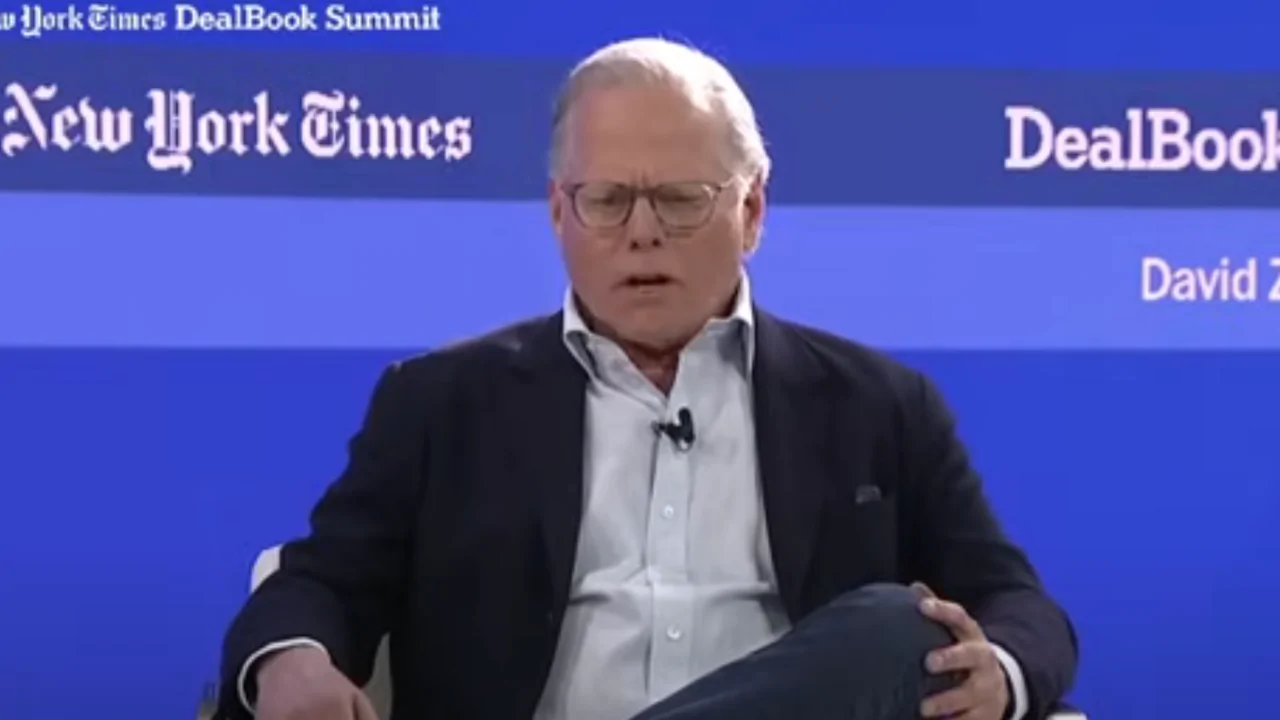
WBD CEO David Zaslav Speaks at a New York Times event – YouTube, New York Times Events
For Warner Bros. Discovery shareholders, the choice is no longer theoretical. It’s now a direct comparison between two radically different visions for the company’s future — and two bidders fighting tooth and nail to control one of Hollywood’s most valuable content libraries.
Do you think Netflix will ultimately get its hands on Warner Bros.? Sound off in the comments and let us know!
UP NEXT: RUMOR: Gray Hulk Set to Appear in ‘Spider-Man: Brand New Day’
