


As Netflix edges closer to absorbing one of Hollywood’s last legacy studios, alarm bells are ringing across the theatrical exhibition business — and for good reason. The streamer’s carefully worded assurances about theatrical releases are colliding head-on with insider reports from Deadline that the actual planned Netflix theatrical window for WB films may be as short as 17 days.
That gap between rhetoric and reality is rapidly becoming the defining issue of the Netflix Theatrical Window debate.
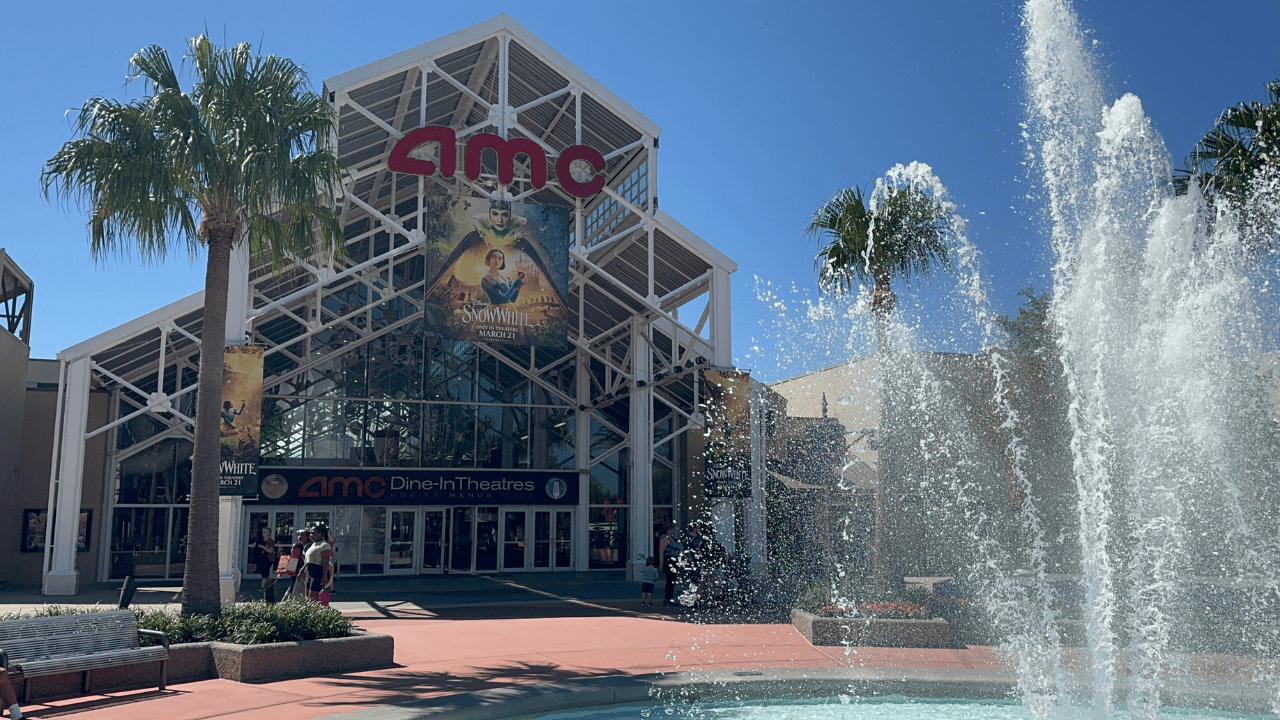
A movie theater at Disney Springs – Photo Credit: M. Montanaro
According to industry sourcing cited by Deadline, Netflix is reportedly considering keeping Warner Bros. films in theaters for just over two weekends before shifting them to streaming. If accurate, that would represent a dramatic departure from the long-standing 45-day theatrical window exhibitors continue to defend as the bare minimum for sustainability.
Netflix Says “Industry-Standard” — Hollywood Wants Definitions
Netflix co-CEO Ted Sarandos has attempted to calm fears by publicly insisting the company is committed to theatrical releases.
“There’s been a lot of talk about theatrical distribution, so we want to set the record straight,” he said. “We are 100% committed to releasing Warner Bros. films in theaters with industry-standard windows.”
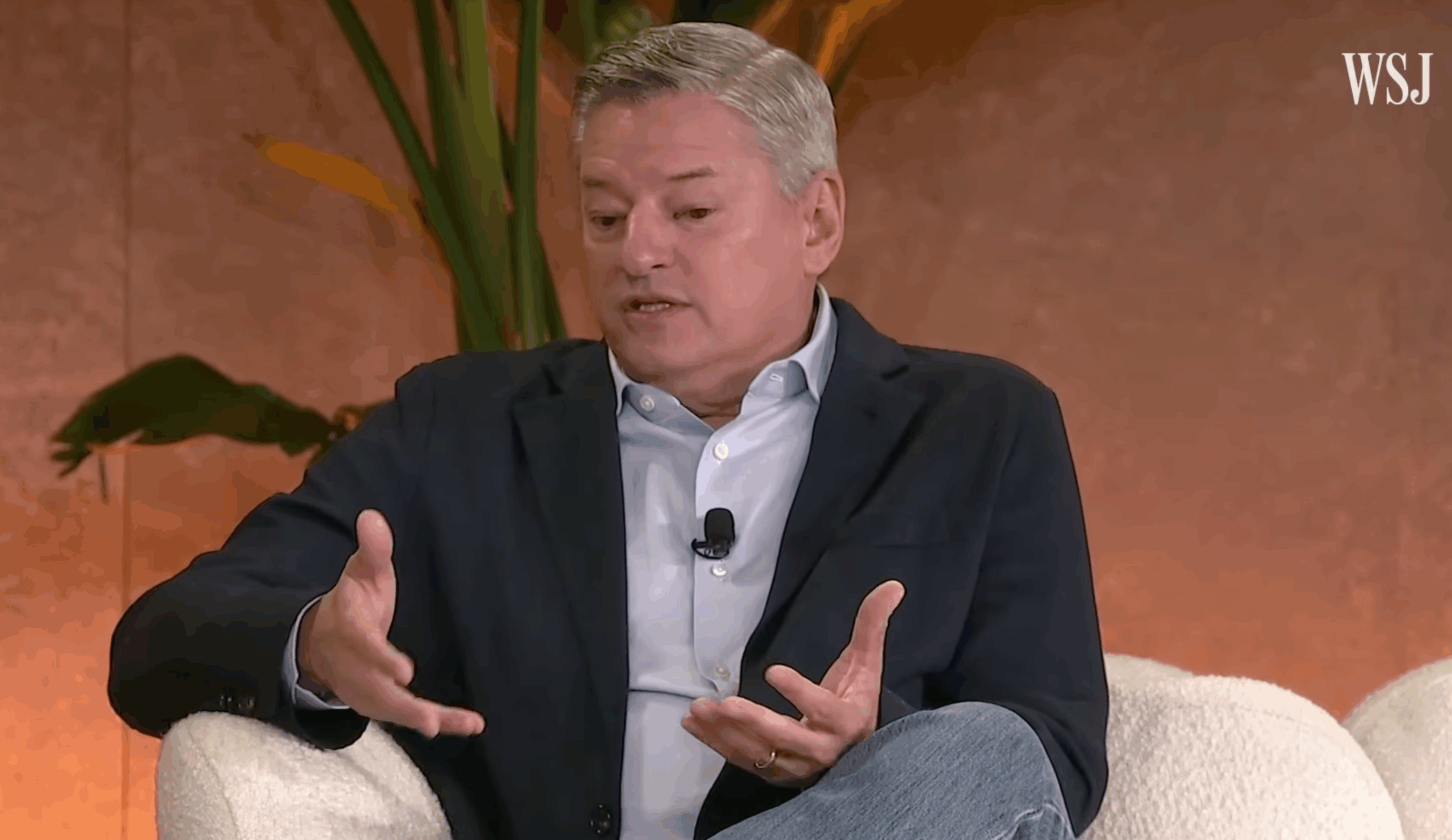
Netflix Co-CEO Ted Sarandos – YouTube, WSJ News
On paper, that sounds reassuring. In practice, it raises a far more important question: what does “industry-standard” mean in Netflix terms?
For exhibitors, the answer has been consistent. Major chains like AMC Theatres have repeatedly stated that anything under roughly 45 days fundamentally undermines the economics of theatrical exhibition. Concession sales, staggered audience discovery, and word-of-mouth legs all depend on time — not a rushed handoff to streaming.
A 17-day window doesn’t test theatrical waters. It steamrolls them.
The Stranger Things Test Case Isn’t the Olive Branch It Looks Like
Netflix defenders have pointed to the recent theatrical rollout of the Stranger Things finale as proof that the company is serious about cinemas. But insiders see that move less as a philosophical shift and more as a controlled experiment — one designed to generate headlines rather than meaningfully support theaters.
The difference matters.

Vecna confronts Will in Stranger Things 5 – Netflix
A limited, hype-driven event release is not the same as committing to sustained theatrical runs for mid-budget dramas, comedies, or even franchise tentpoles. If Warner Bros films are effectively destined for streaming less than three weeks after release, exhibitors become little more than marketing tools — expensive billboards meant to juice Netflix’s home-viewing numbers.
That’s not the theatrical partnership many were hoping for. If true, it amounts to little more than theatrical exploitation.
The Real Stakes: Warner Bros, Zaslav, and the Endgame
While Netflix often takes the heat, many in Hollywood believe the deeper problem lies with Warner Bros leadership — particularly CEO David Zaslav.
Zaslav stands to personally benefit enormously from a Netflix deal, but critics argue that his tenure has steadily devalued the theatrical experience. Cost-cutting, shelving completed films, and treating cinema as an expendable asset have all defined the Warner Bros Discovery era.
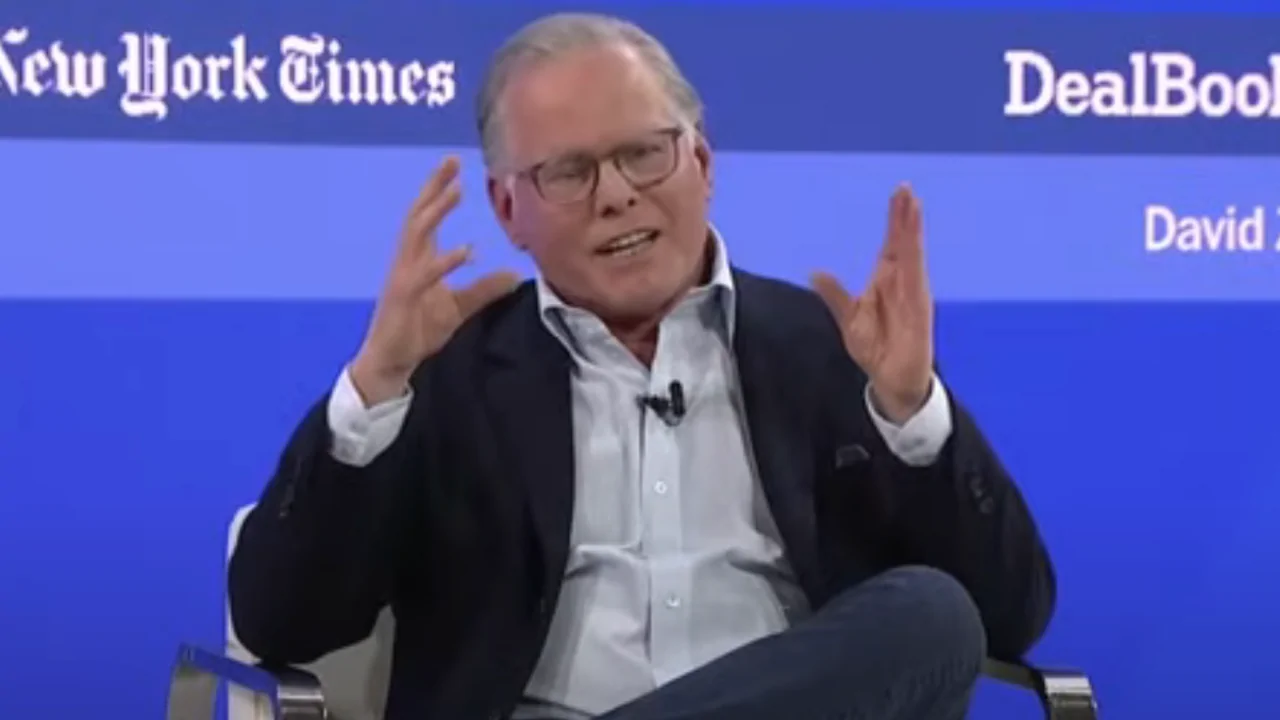
WBD CEO David Zaslav Speaks at a New York Times event – YouTube, New York Times Events
From that perspective, a 17-day theatrical window isn’t an accident — it’s the logical endpoint of a strategy that sees streaming dominance as inevitable and theaters as collateral damage.
Netflix doesn’t hide its ambitions. It wants streaming to be the default — and eventually the only — method of movie consumption. Theatrical exhibition isn’t part of that future; it’s something to be minimized until it disappears.
Why the Netflix Theatrical Window Debate Matters Right Now
This isn’t just a fight between studios and theater chains. It’s a referendum on whether movies will continue to exist as communal cultural events — or be reduced entirely to algorithm-fed content drops.
A meaningful theatrical window gives films room to breathe, audiences time to discover them, and culture a chance to form around them. A 17-day window does none of that. It treats cinemas as an inconvenience rather than a cornerstone of the industry.
The Logo for Netflix – Netflix
Netflix can keep insisting it’s committed to theaters. But until it defines that commitment in days — not buzzwords — skepticism will remain fully justified.
Do you believe the rumors that Netflix will keep WB films to a 17-day theatrical window? Sound off in the comments and let us know!
