


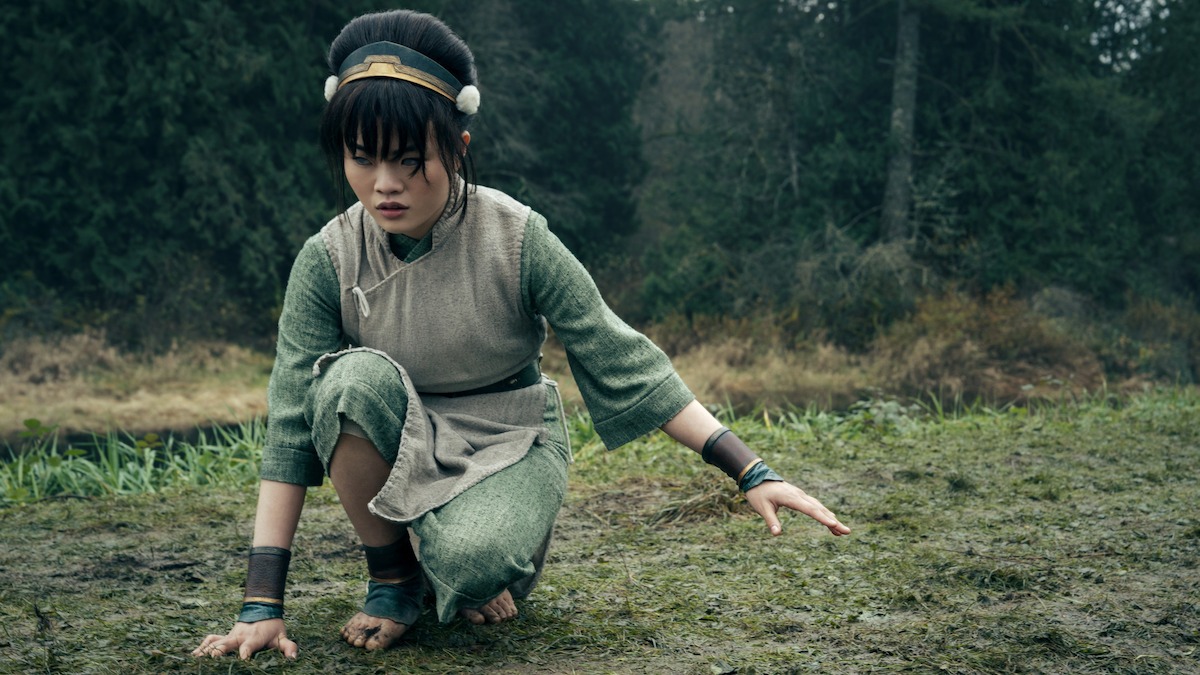
Netflix has seemingly confirmed major changes to the character of Toph in its live action Avatar: The Last Airbender Season 2. For longtime fans of the animated series, the direction is difficult to ignore—and even harder to defend.
What was once one of the most subversive, abrasive, and personality-driven characters in modern animation is now being reshaped into something far safer, softer, and more conventional.
TOPH IS HERE!!!!!
Here’s your first teaser for Avatar: The Last Airbender Season 2, coming out in 2026! pic.twitter.com/dsoKI05u0f
— Netflix Geeked (@NetflixGeeked) December 10, 2025
READ: Jimmy Kimmel Claims Americans are “Not Bright” in British TV Christmas Address
The Season 2 teaser trailer confirms that Netflix is taking Toph Beifong in a markedly different direction. Rather than introducing the blunt, sarcastic, tomboyish earthbending prodigy fans remember, the live-action adaptation presents Toph as older, calmer, and positioned more as a guiding presence than a disruptive force. This shift is not cosmetic. It fundamentally alters the purpose the character served within the story.
Toph Was Never Meant To Be a Mentor Archetype
In the original animated series, Toph was a deliberate rejection of expectations. She was blind, small, and wealthy—yet aggressive, crude, competitive, and openly hostile to being underestimated. Her refusal to behave the way others expected was not incidental; it was central to her identity. She was not designed to guide Aang gently or impart wisdom from a distance. She was meant to challenge him, mock him, and force growth through friction.
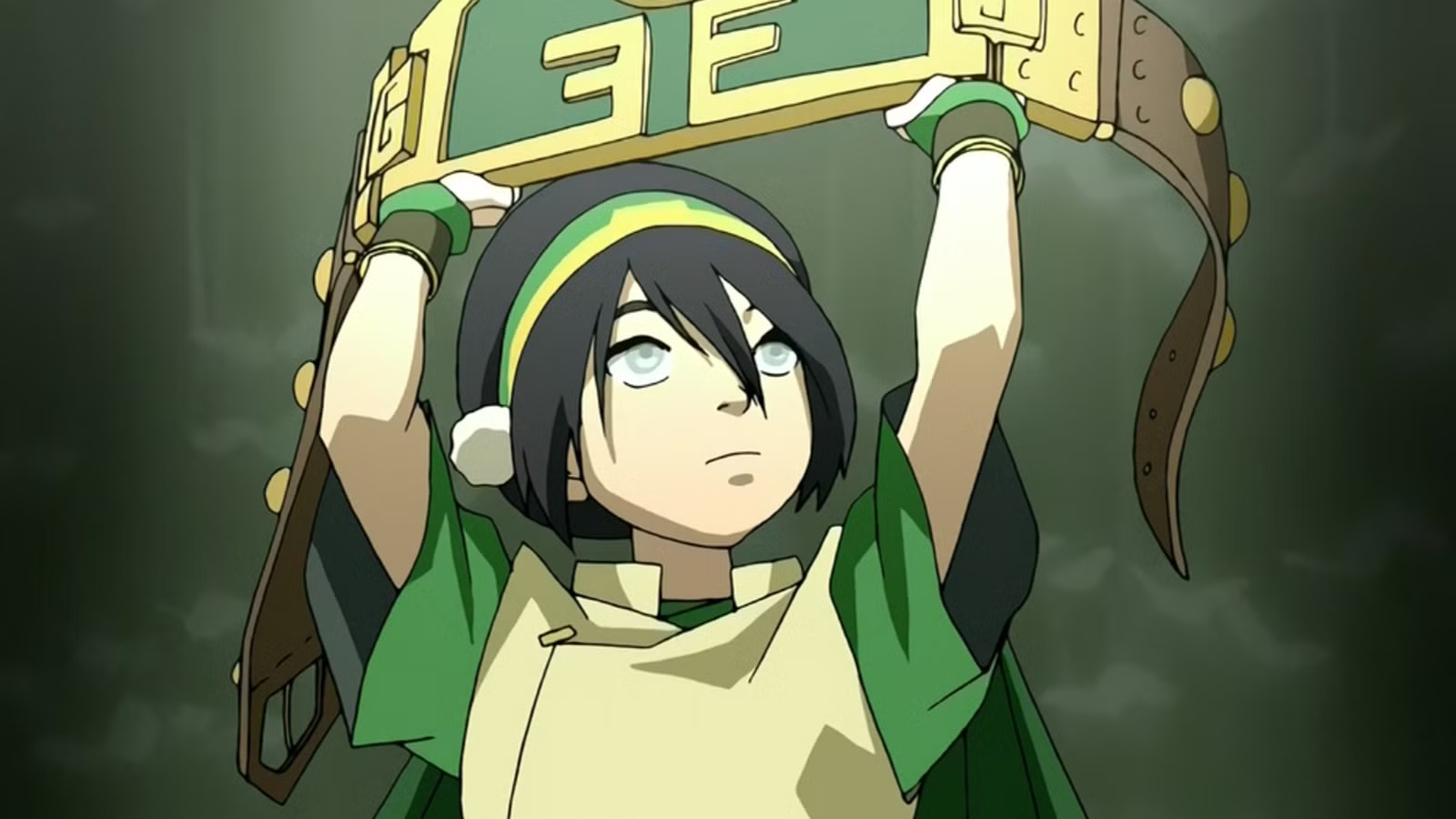
Toph holds up a championship belt in Avatar: The Last Airbender – Paramount+
The Netflix trailer suggests something very different. Toph narrates portions of the teaser with a calm, reflective tone, visually framed as a composed and grounded presence. Rather than a peer who disrupts group dynamics, she appears positioned as a stabilizing figure whose role is to teach Aang earthbending through patience and insight.
That may sound reasonable on paper—but it strips the character of what made her special.
Leaning Into a Familiar Trope the Original Series Avoided
One of the most concerning aspects of these Netflix Toph changes is how closely the new portrayal aligns with a well-worn live-action trope: the wise, blind martial arts master who trains the hero to “see beyond sight.” This archetype has appeared countless times across film and television, particularly in live-action adaptations attempting to ground fantastical material.
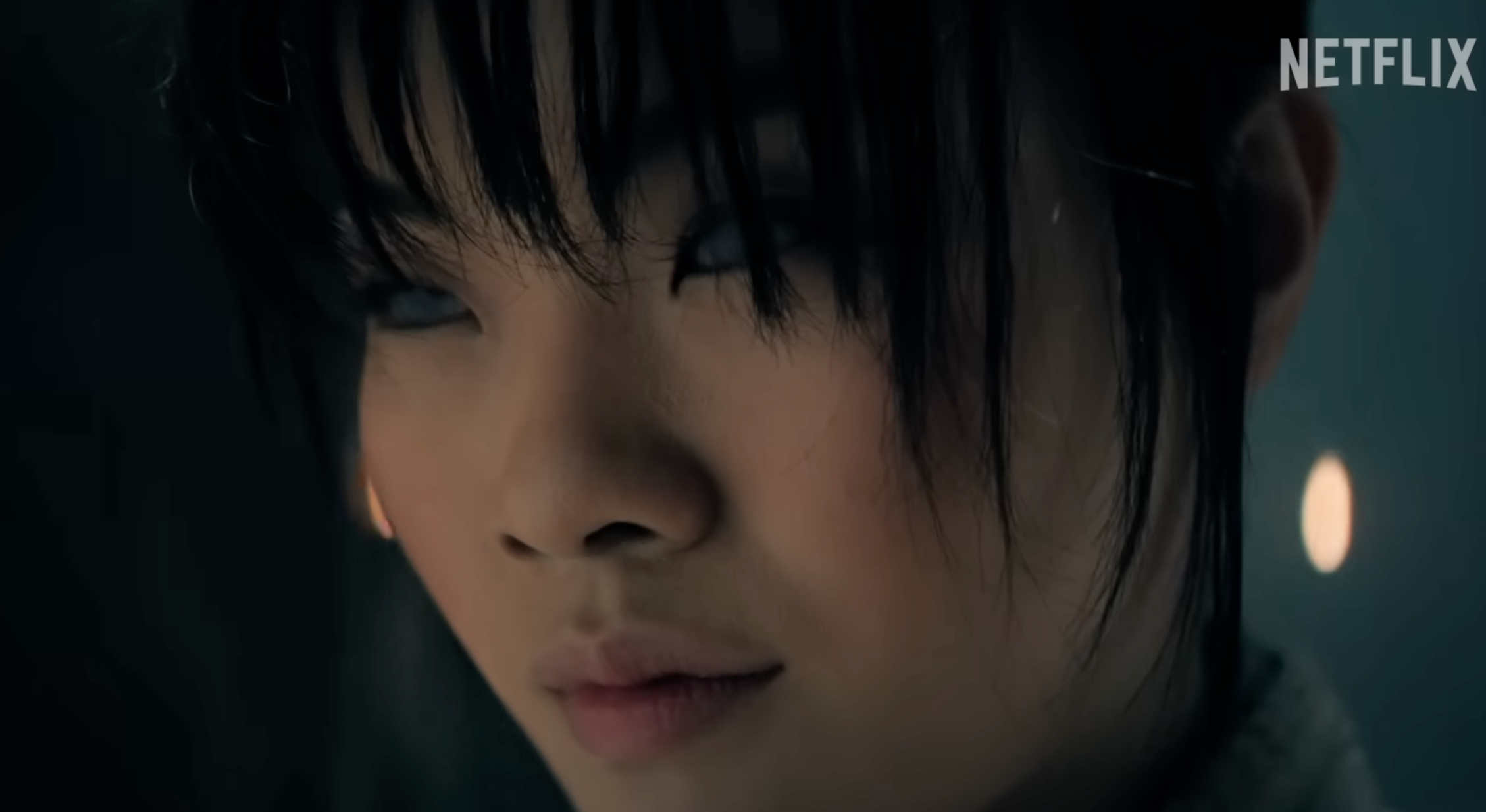
Toph in the live-action Netflix Avatar: The Last Airbender Season 2 – YouTube, Netflix
The irony is that the animated Avatar: The Last Airbender went out of its way to avoid this exact stereotype. Toph was not a one-dimensional mentor or a stepping stone in Aang’s journey. She had her own arc, her own flaws, and her own emotional growth. Reducing her role to that of a guide risks flattening her into a functional device rather than a fully realized character.
A Pattern Emerging From Season 1
This isn’t happening in a vacuum. Season 1 of Netflix’s adaptation already made several notable character adjustments that softened or abbreviated arcs present in the original series. The most frequently cited example is Katara, who rather than working hard to impress a water bending master and convince him to take her as his student becomes a water bending master by teaching herself.
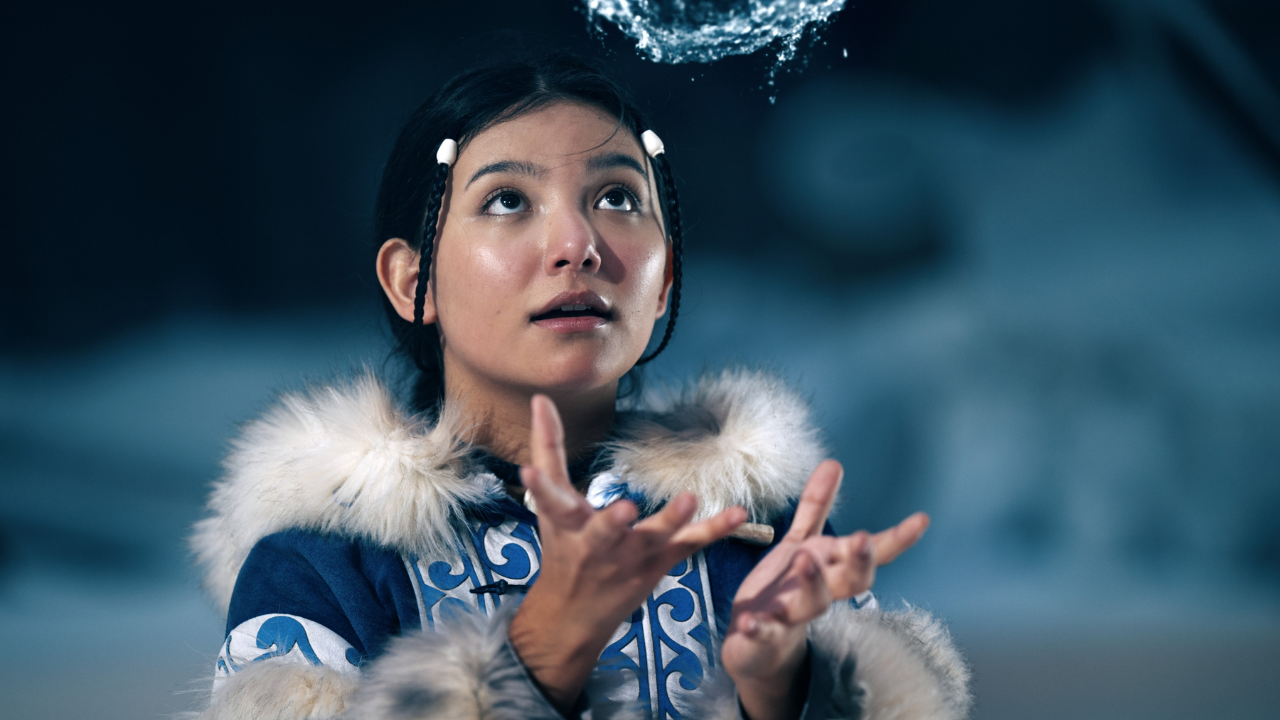
Avatar: The Last Airbender. Kiawentiio as Katara in episode 101 of Avatar: The Last Airbender. Cr. Robert Falconer/Netflix © 2023
READ: Casting Rumors Fly for Rapunzel, Flynn Rider in Disney’s Live Action Tangled
If Toph’s entire character is being changed, it once again means that Netflix is taking the “flawless female” trope that has proven the undoing of once popular IPs like Star Wars and Marvel.
The Actress Herself Confirmed Toph Would Be Different
Concerns about these Netflix Toph changes aren’t based solely on trailer interpretation. They were telegraphed in advance by the actress portraying the character.
In the lead-up to Season 2, Miya Cech—who plays Toph Beifong in Netflix’s live-action Avatar: The Last Airbender—publicly acknowledged that her version of the character would diverge from the animated original. Cech stated that this iteration of Toph would come across as older and more feminine than fans remember.
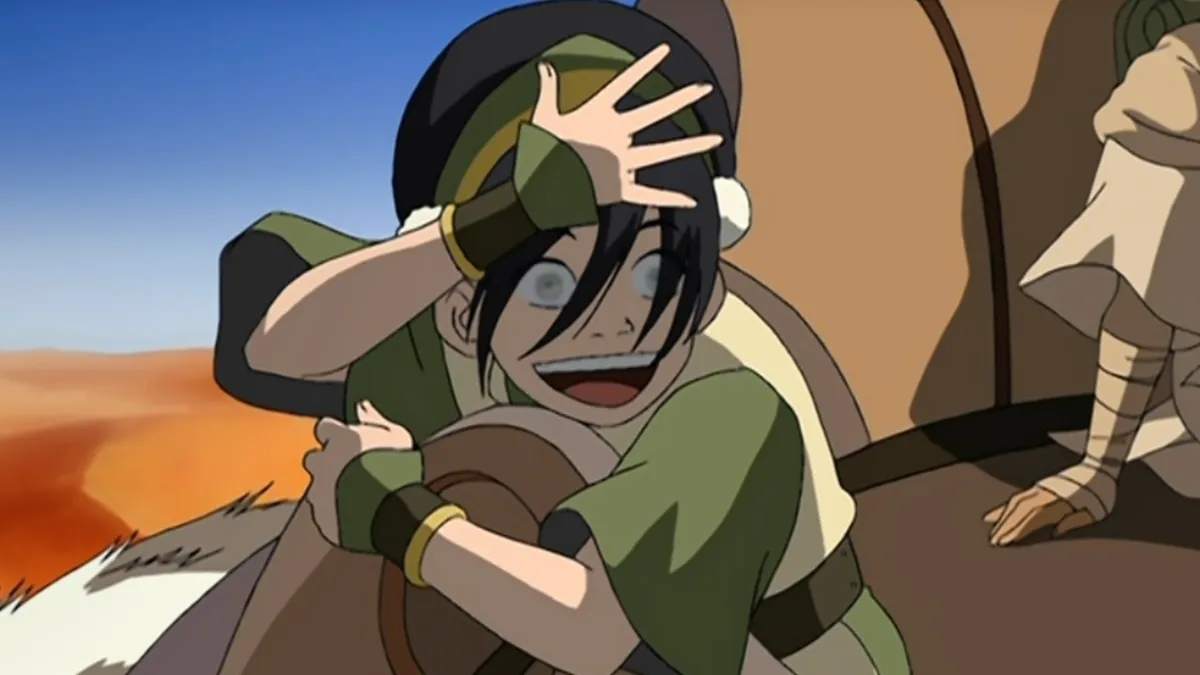
Toph in Avatar: The Last Airbender – Paramount+
That framing alone raised eyebrows. Toph’s rejection of traditional femininity was not an incidental character trait in the animated series—it was foundational and entertaining. She deliberately pushed against expectations placed on her because of her disability and family status. Recasting that defiance as something softer or more traditionally expressive fundamentally reframes the character’s identity.
While the Season 2 trailer stops short of explicitly emphasizing femininity, it does appear to validate Cech’s comments in spirit. The version of Toph presented is calmer, more reflective, and positioned as a guiding presence rather than a confrontational peer. In other words, the changes weren’t accidental—or imagined by fans after the fact. They were part of the adaptation’s design from the start.
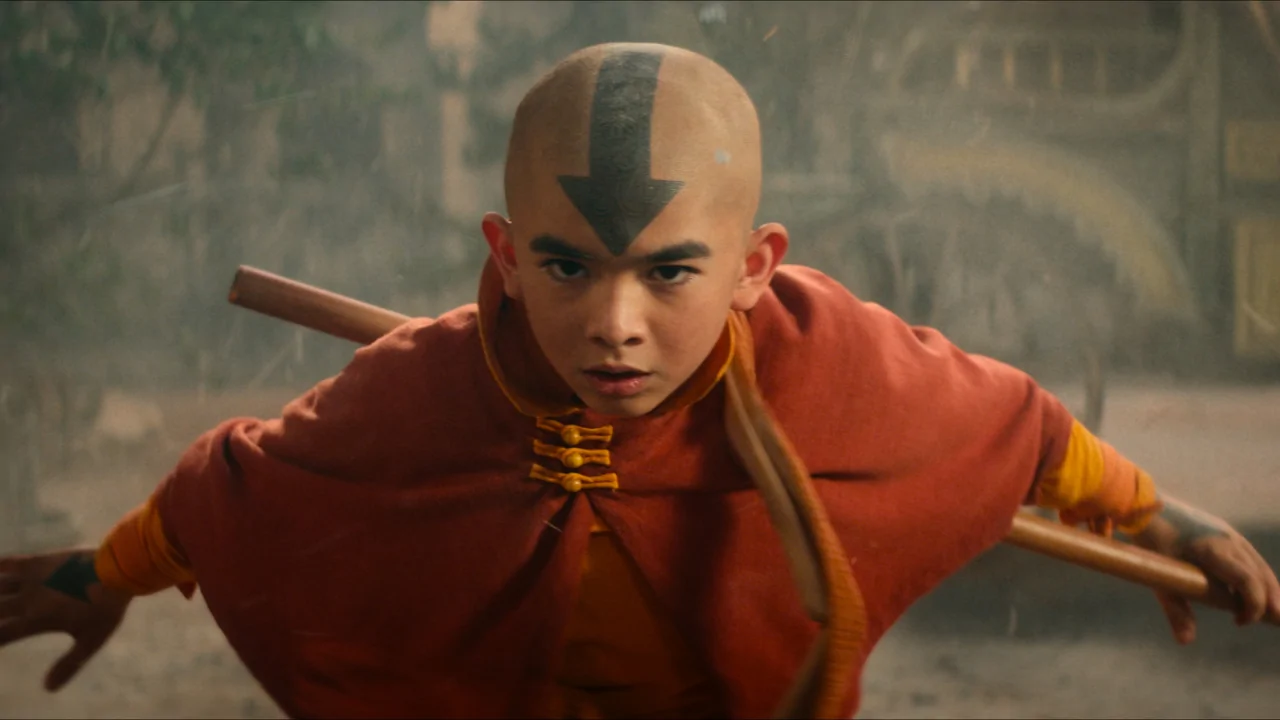
Avatar: The Last Airbender. Gordon Cormier as Aang in season 1 of Avatar: The Last Airbender. Cr. Courtesy of Netflix © 2023
For longtime viewers, that confirmation is arguably more concerning than the trailer itself. It suggests that Netflix didn’t simply reinterpret Toph visually for live action, but rethought who she is at her core—and decided that her original personality needed adjustment.
Modernization at the Cost of Identity
Netflix has framed its Avatar adaptation as a respectful evolution rather than a replacement. However, these Netflix Toph changes raise legitimate concerns about whether modernization is being prioritized over preservation. Toph didn’t need to be softened, aged up, or reframed to work in live action. Her personality was the feature—not a bug.
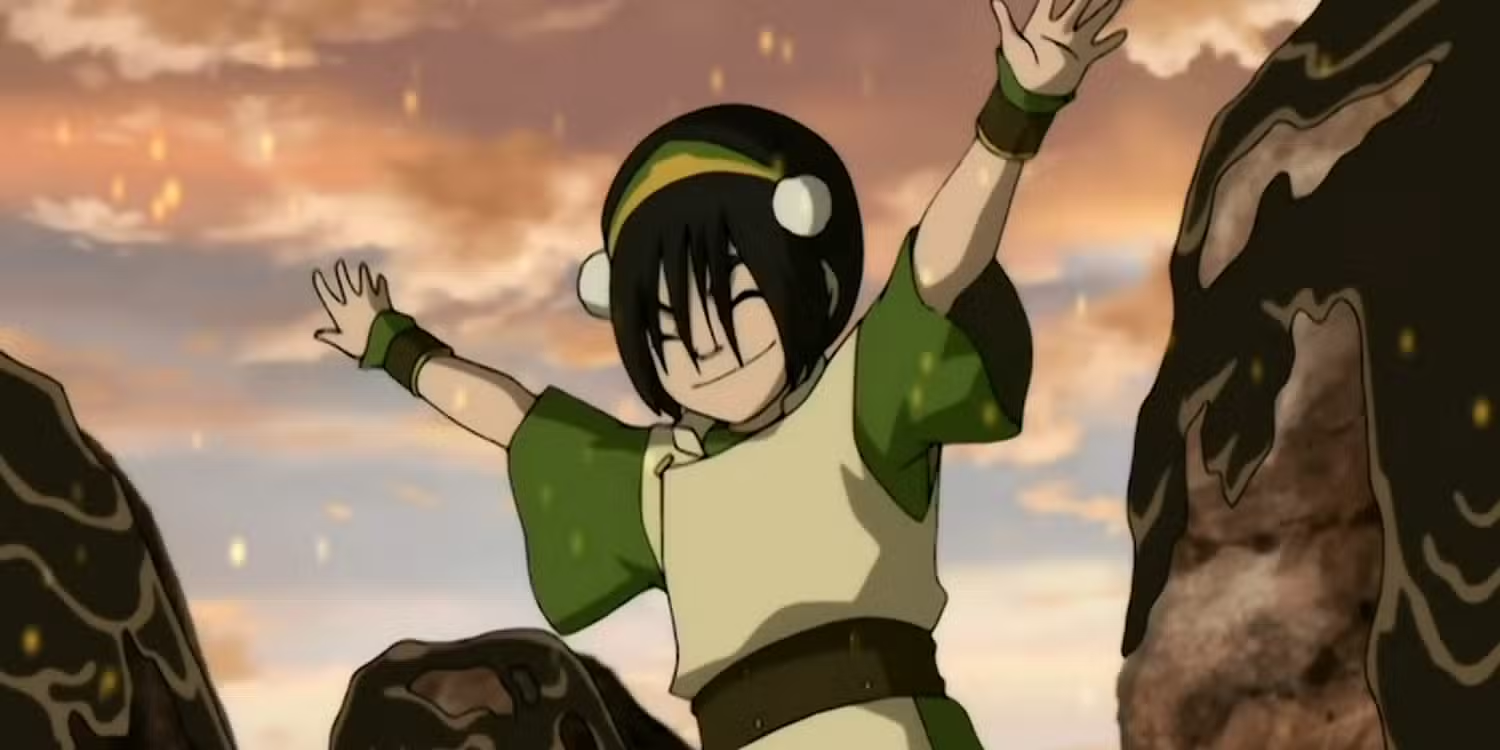
Toph in an episode of Avatar: The Last Airbender – Paramount+
By smoothing out her rough edges and repositioning her within a familiar archetype, the adaptation risks losing one of the franchise’s most distinctive voices. What made Toph resonate wasn’t wisdom—it was defiance.
Season 2 may still surprise viewers, but the early signs suggest that Netflix is less interested in translating what made Toph unforgettable and more interested in reshaping her to fit a contemporary adaptation template. For a series built on character-driven storytelling, that’s a troubling signal.
UP NEXT: Avatar: Fire and Ash Box Office Still Trails Way of Water Despite Media’s “Triumph” Narrative
