



Nintendo is asking a federal court to throw out a proposed class action lawsuit that claims the company should pass any tariff refunds it receives from the U.S. government back to consumers.
In a court filing first reported by Game File, Nintendo argues that customers who purchased its products at prices influenced by U.S. tariffs “received exactly what they bargained and paid for” and have no legal right to rebates simply because the company may later recover tariff payments from the government.
The dispute centers on a broader legal battle over tariffs imposed on imported goods and whether companies that raised prices to account for those costs have any obligation to return money to customers if those tariffs are later refunded.
Nintendo Wants the Case Dismissed
According to Nintendo’s motion to dismiss, consumers voluntarily purchased the company’s products at publicly listed prices and completed those transactions with full knowledge of what they were paying.
The filing argues that subsequent legal developments regarding tariffs do not alter those completed sales.
READ: Fortnite Comes to Halloween Horror Nights With New Scare Zone FORTNITEMARES
Nintendo also contends that product pricing was influenced by numerous factors beyond tariffs, including manufacturing costs, shipping expenses, component prices, labor costs, and overall market conditions.
As a result, the company says the plaintiffs have failed to establish that consumers suffered a legally recognizable injury simply because Nintendo later sought reimbursement for tariffs it paid to the federal government.
Nintendo is also reportedly asking the court to compel arbitration rather than allowing the claims to proceed as a nationwide class action.
Why the Lawsuit Was Filed
The proposed class action stems from Nintendo’s pricing decisions after U.S. tariffs increased the cost of importing certain products.
Consumers argue Nintendo passed those higher costs on through increased retail prices while publicly pointing to tariffs as a contributing factor.
A screenshot from the trailer to Mario Kart World – YouTube, Nintendo of America
After portions of those tariffs were later ruled unlawful, Nintendo joined other companies seeking refunds from the U.S. government for the duties it had paid.
The plaintiffs argue that if Nintendo ultimately receives those refunds, it would effectively recover money that had already been passed on to customers through higher prices.
The lawsuit characterizes that outcome as unjust enrichment and argues consumers should receive corresponding rebates.
Nintendo’s Key Argument
Nintendo’s filing centers on a relatively straightforward legal principle.
The company argues that consumers purchased products at agreed-upon prices and received exactly what they paid for. From Nintendo’s perspective, whether the company later recovers some of its business expenses from the government has no bearing on completed retail transactions.
A screenshot from Mario + Rabbids® Sparks of Hope Gold Edition (2022), Ubisoft
READ: Kevin Feige Says Marvel Won’t Reboot the MCU After ‘Avengers: Secret Wars’
Businesses routinely adjust prices based on changing costs, whether those involve raw materials, shipping, labor, taxes, or tariffs. Those prices are not generally treated as itemized reimbursements that automatically fluctuate if underlying costs later change.
That distinction appears to form the backbone of Nintendo’s motion to dismiss.
The Public Relations Challenge
While Nintendo’s legal position may ultimately prove persuasive in court, the case presents a separate challenge in the court of public opinion.
Many consumers remember Nintendo citing tariffs and broader economic conditions when discussing higher prices for hardware and accessories. For those customers, the idea that Nintendo could recover tariff payments without lowering prices or issuing refunds may feel inconsistent with the justification originally offered for those increases.
A screenshot from Super Mario RPG (2023), Nintendo
Critics argue that if tariffs were significant enough to justify raising prices, any recovery of those costs should likewise benefit consumers.
Nintendo, however, maintains that customers agreed to the listed prices at the time of purchase and received the products they chose to buy.
A Broader Question for Businesses
The lawsuit raises questions that extend beyond Nintendo.
If companies increase prices because of government policies such as tariffs and later recover those costs, should they voluntarily pass those savings along to customers?
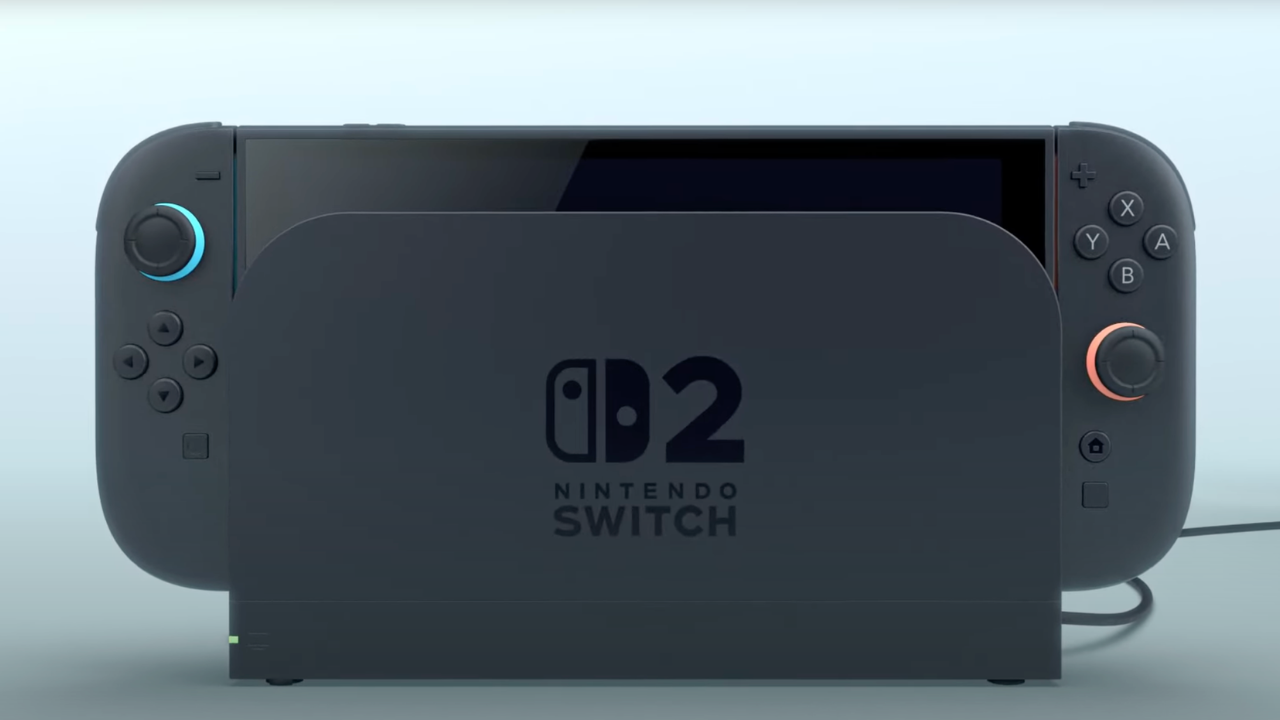
The fully revealed Nintendo Switch 2 console – YouTube, Nintendo of America
Legally, courts have often viewed retail pricing as a business decision rather than a direct reimbursement of specific costs. Companies typically are not required to reduce prices simply because one element of their cost structure improves after a sale has already been completed.
Whether consumers believe that’s fair is another matter entirely.
As the case moves forward, it could become an important test of how courts distinguish between business pricing decisions and consumer rights when government policy changes after products have already been sold.
Do you think Nintendo will successfully have this lawsuit thrown out? Sound off and let us know!
