



Nintendo is facing a sharp market correction, with its stock down roughly 33% over the past five months, even as the company celebrates a historically strong launch for its next-generation hardware. This Nintendo stock drop has puzzled casual observers, but investors appear increasingly uneasy about what comes next for the company in 2026.
Shares of Nintendo closed near ¥9,950 in mid-January, marking a steep decline from highs reached in the second half of 2025. The pullback comes despite the successful debut of the Nintendo Switch 2, which became the fastest-selling console launch in Nintendo’s history, moving approximately 3.5 million units in its first four days.
Record Hardware Sales Weren’t Enough
On paper, the Switch 2 launch should have reassured investors. Nintendo even raised its internal sales forecast for the system to 19 million units for the current fiscal year, up from an earlier estimate of 15 million.
However, markets tend to look forward, not back.
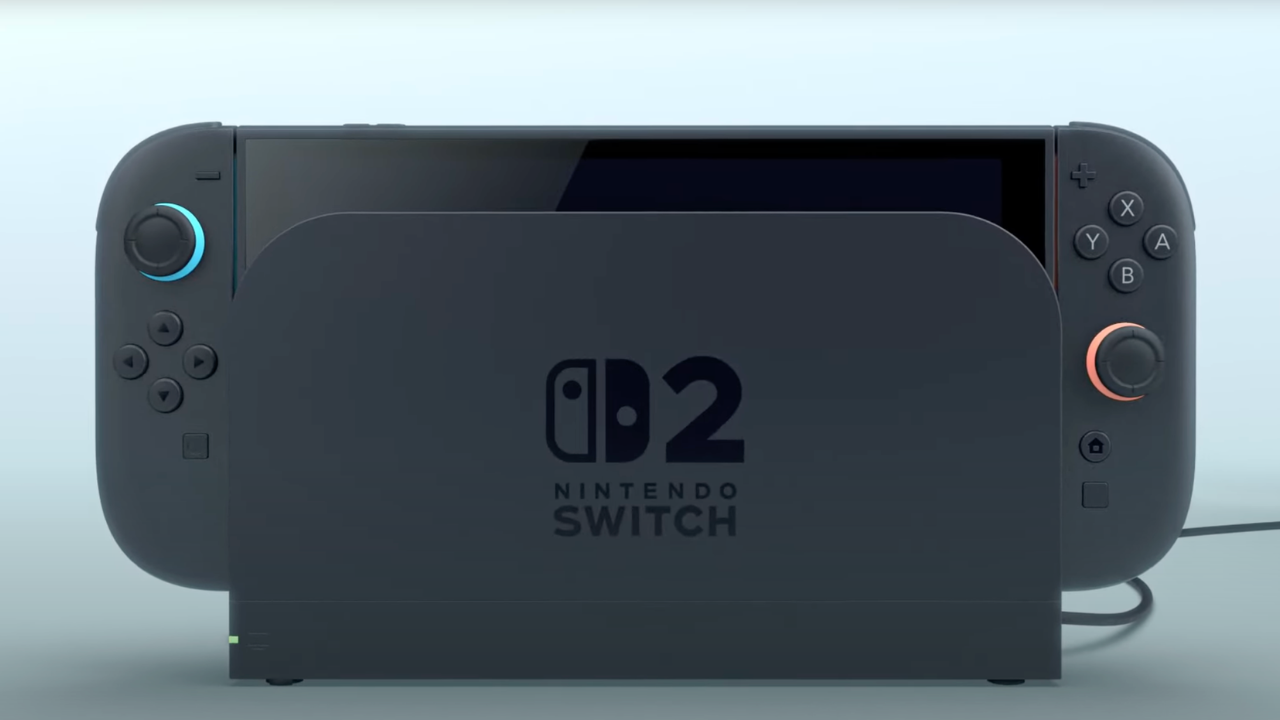
The fully revealed Nintendo Switch 2 console – YouTube, Nintendo of America
While launch demand was strong, post-launch momentum appears to be cooling, particularly during the crucial holiday period. In several major markets — including the United States and parts of Europe — Switch 2 sales reportedly lagged behind the original Switch’s first Christmas performance. For investors, that raises questions about whether early adopters exhausted demand faster than expected. That ultimately led to this Nintendo stock drop.
Thin 2026 Software Slate Raises Red Flags
Another factor weighing on the Nintendo stock drop is uncertainty around the company’s 2026 software lineup.
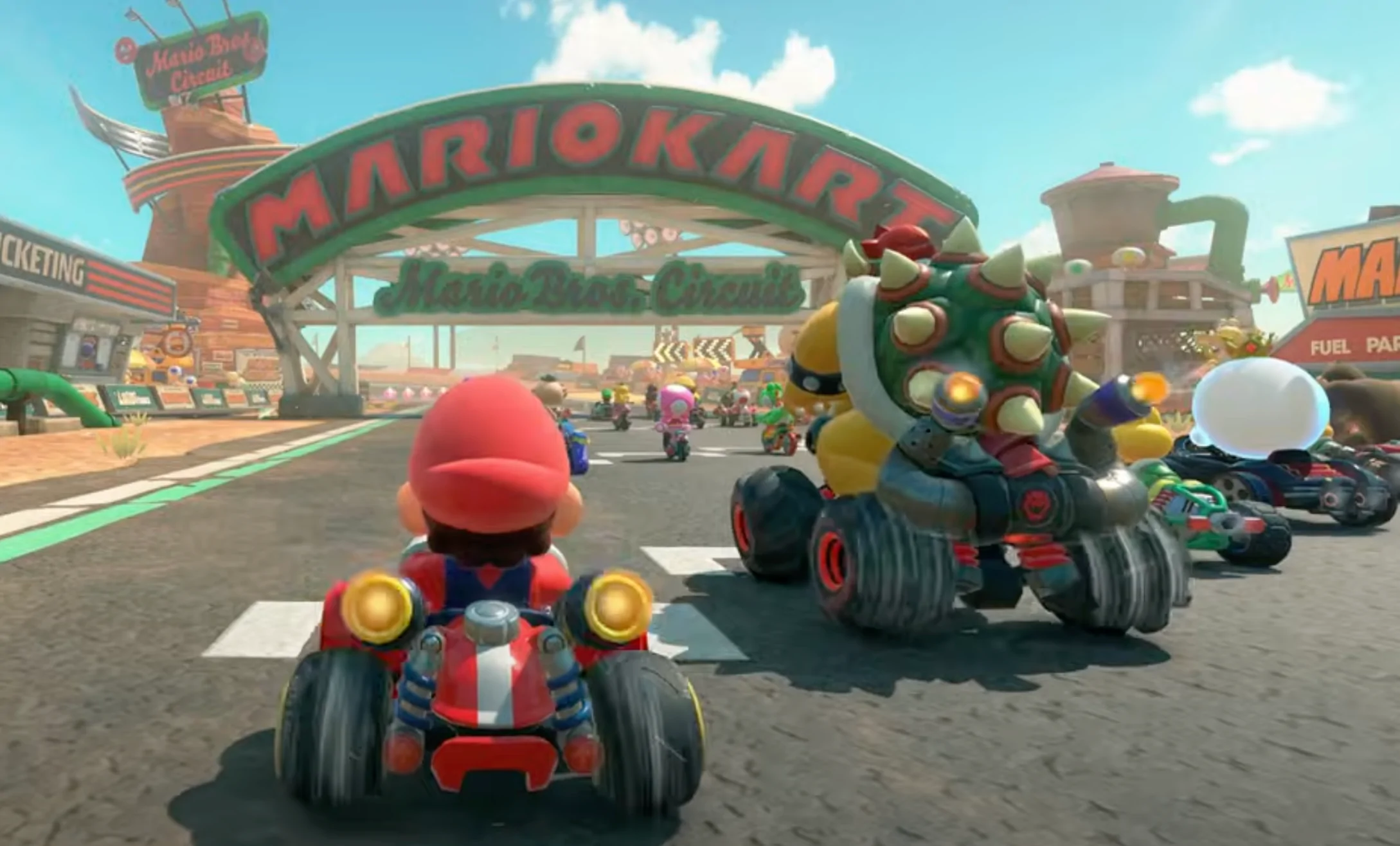
A screenshot from the trailer to Mario Kart World – YouTube, Nintendo of America
While Nintendo has announced several titles, there is a noticeable absence of a clear, tentpole release on the scale of Mario Kart World or The Legend of Zelda that could anchor the year. Historically, Nintendo’s strongest financial periods are driven not just by hardware, but by blockbuster first-party games that sustain engagement and drive software sales.
At present, investors appear unconvinced that Nintendo has revealed a must-have title capable of reigniting momentum later this year.
Rising Component Costs and Pricing Pressure
Beyond content concerns, Nintendo is also facing external cost pressures.
Memory prices — particularly DRAM — have surged as artificial intelligence companies aggressively purchase supply, tightening availability across the tech sector. This has raised fears that console manufacturers may be forced to absorb higher production costs or pass them on to consumers.
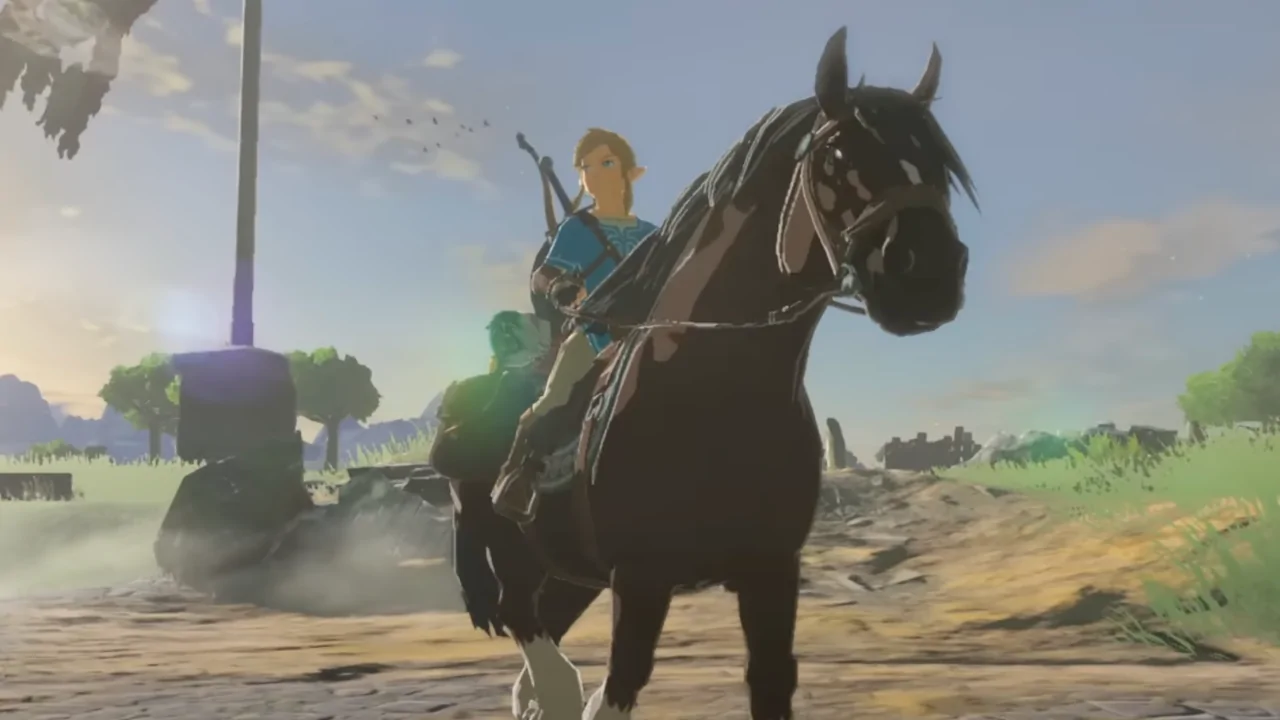
Link in The Legend of Zelda Breath of The Wild – YouTube, Nintendo of America
READ: Darkseid Has Been Cast for James Gunn’s DCU
Even Nintendo, which is typically conservative in its supply planning, is not immune. The possibility of a Switch 2 price increase has become a recurring concern in market analysis, especially if elevated component costs persist through 2026.
Tariffs and Margin Concerns
Trade policy has also entered the conversation. Ongoing and potential tariffs affecting international manufacturing and imports remain a wildcard for global electronics companies.
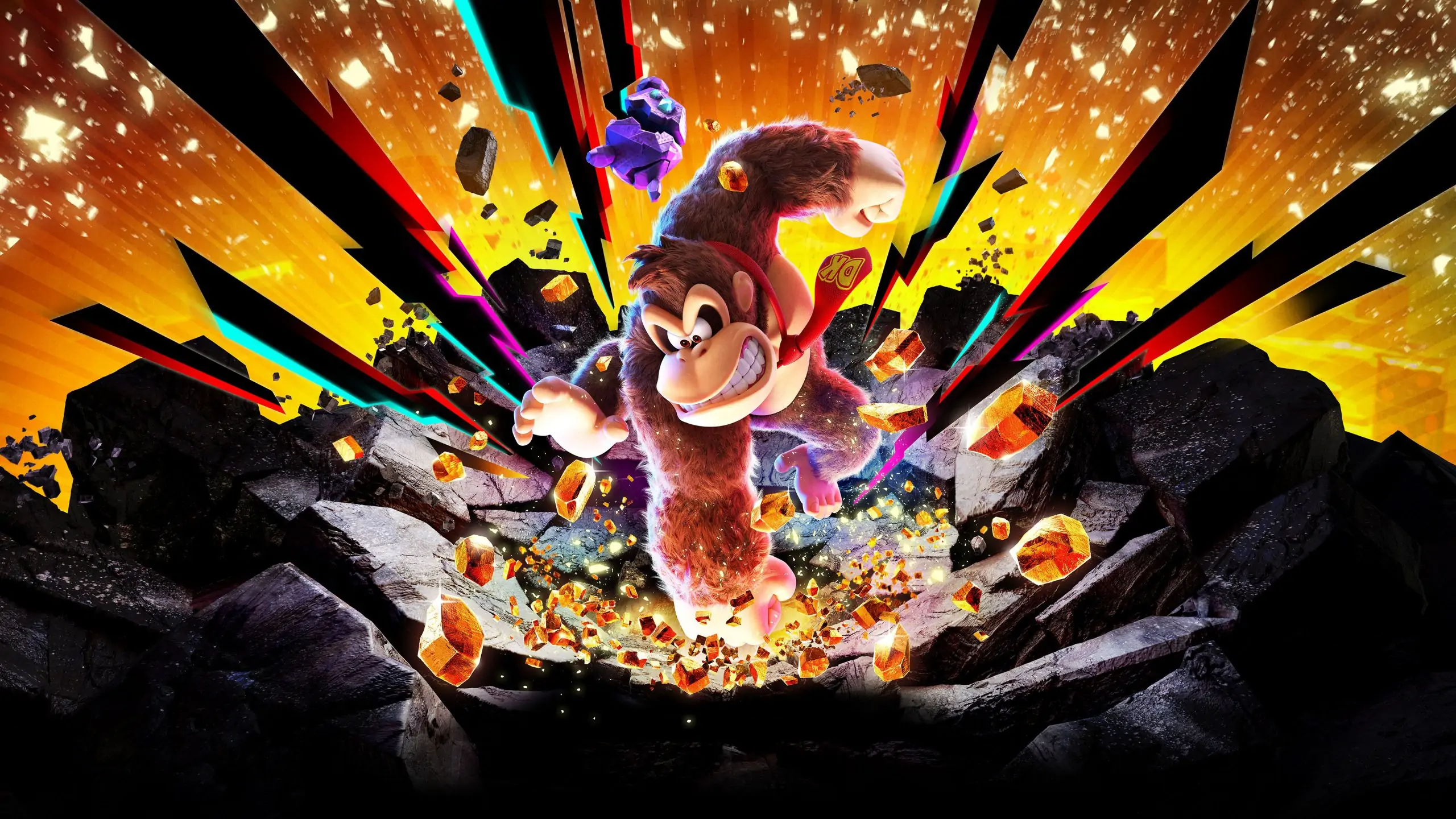
A promotional image for Donkey Kong Bananza – Nintendo
Nintendo president Shuntaro Furukawa previously acknowledged that profitability depends heavily on procurement conditions, currency fluctuations, and tariffs — all factors currently in flux. For investors already on edge, those uncertainties add another layer of risk.
Investor Sentiment Turns Cautious
Ultimately, the Nintendo stock drop reflects a shift in sentiment rather than a collapse in fundamentals. Nintendo remains profitable, its brand power is unmatched, and its intellectual property portfolio is among the strongest in entertainment.

Promotional artwork for Metroid Prime 4 Beyond – Nintendo
But markets are signaling concern over:
- Slowing post-launch hardware demand
- An unproven 2026 release calendar
- Rising production costs
- Uncertainty around pricing and margins
Until Nintendo provides clearer answers — likely through major game announcements or updated financial guidance — investors appear content to wait on the sidelines.
A Critical Year Ahead
Nintendo has weathered downturns before, and a 33% stock decline doesn’t spell doom. Still, 2026 is shaping up to be a prove-it year. Strong Nintendo Direct presentations, clear software roadmaps, and reassurance on pricing will be essential if the company hopes to reverse the current slide.
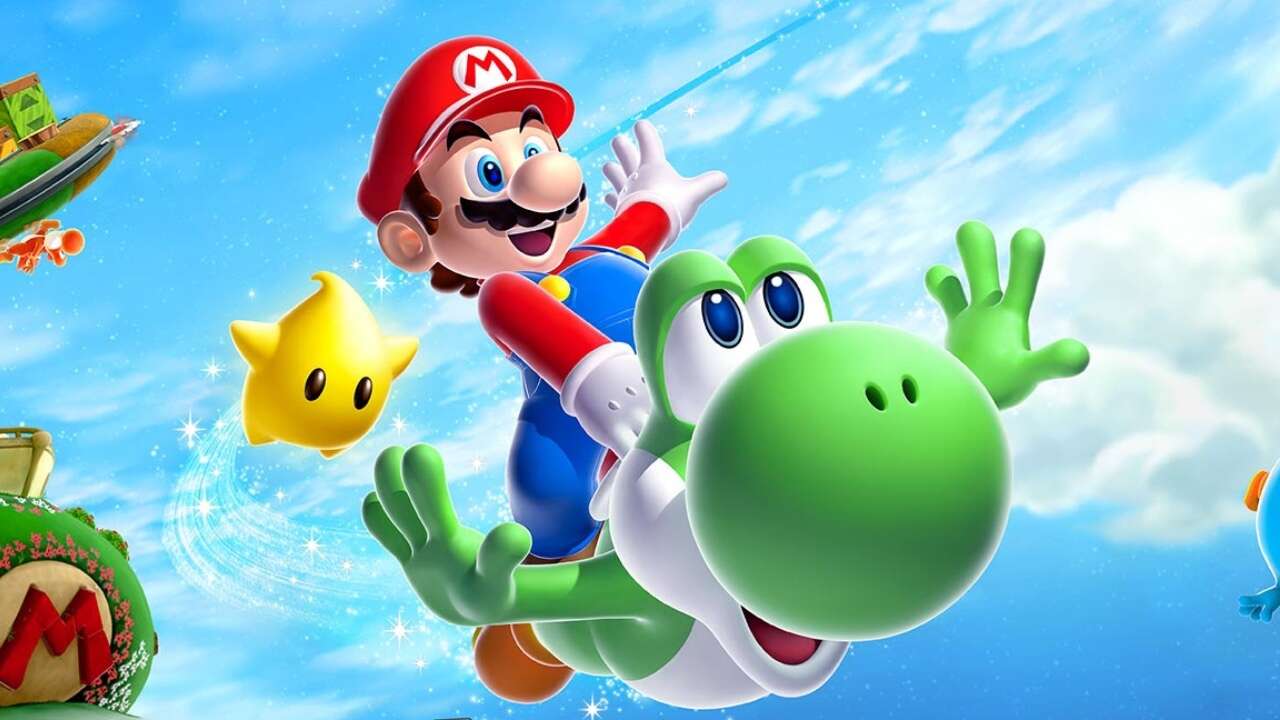
Mario and Yoshi in Super Mario Galaxy 2 – Nintendo
For now, the market is sending a clear message: record launches alone are no longer enough.
Are you surprised by this Nintendo stock drop? Sound off in the comments and let us know!
