


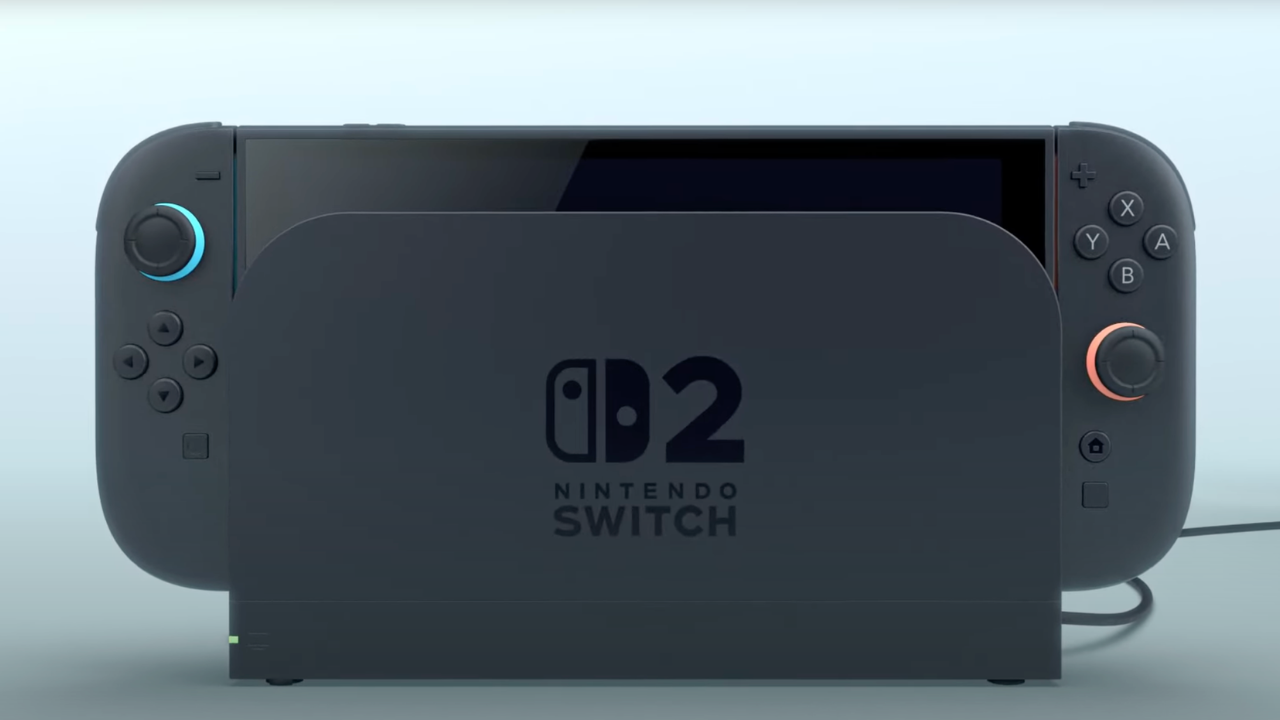
Nintendo’s next-generation console, the Switch 2, is officially launching at a retail price of $449.99—just $50 shy of Sony’s PlayStation 5. But while that price point puts it within striking distance of true next-gen hardware, early reports indicate that the Switch 2 will perform at roughly the same level as a PS4, a console that originally launched back in 2013 for $399.99 and now sells used for under $200.
The obvious question is: where’s the value, Nintendo?
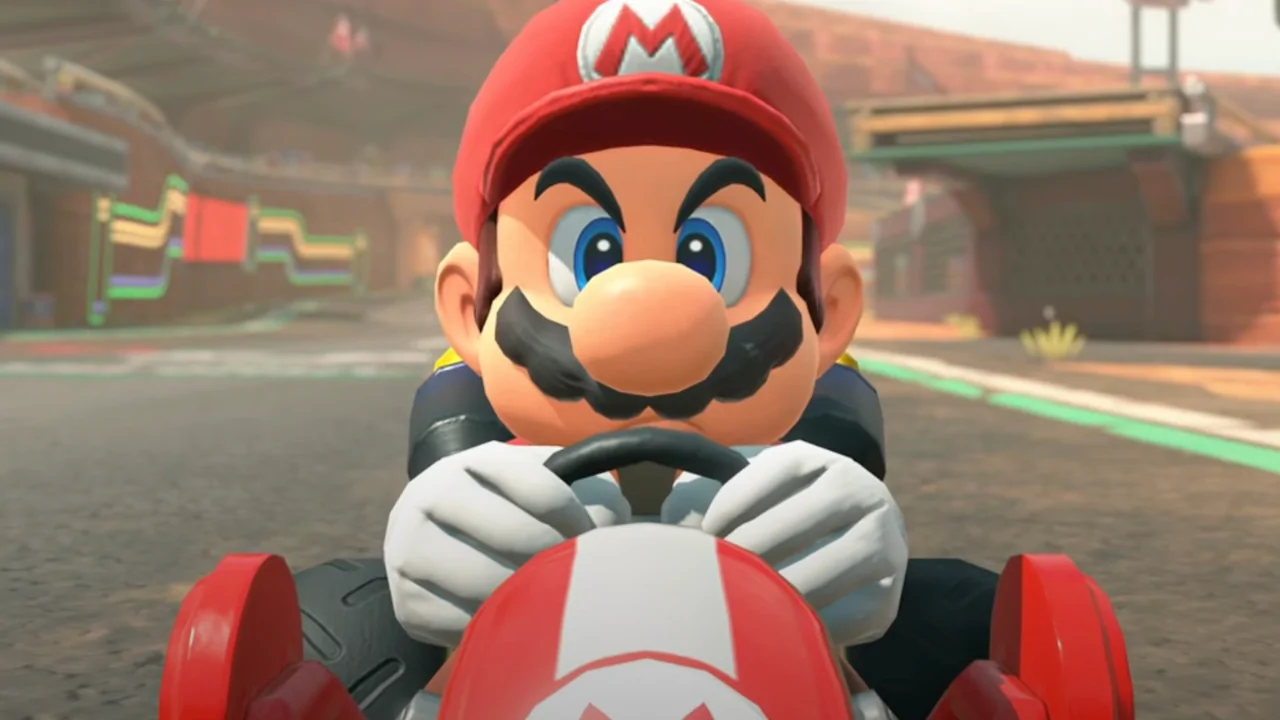
A screenshot from the trailer to Mario Kart World – YouTube, Nintendo of America
That question is becoming harder to answer, especially for families and longtime fans hoping Nintendo would continue its trend of affordable, accessible gaming. Instead, what consumers are being offered is a premium-priced system with a dated power ceiling—albeit wrapped in portability and Nintendo’s ever-iconic IP catalog.
The performance comparison is stark. A PS5 includes a solid-state drive for near-instant loading, 4K resolution, ray tracing, and full third-party support for blockbuster games. Meanwhile, the Switch 2 is expected to top out somewhere near PS4 Pro territory, offering improved visuals and load times over its predecessor, but still falling well short of what modern hardware is capable of.
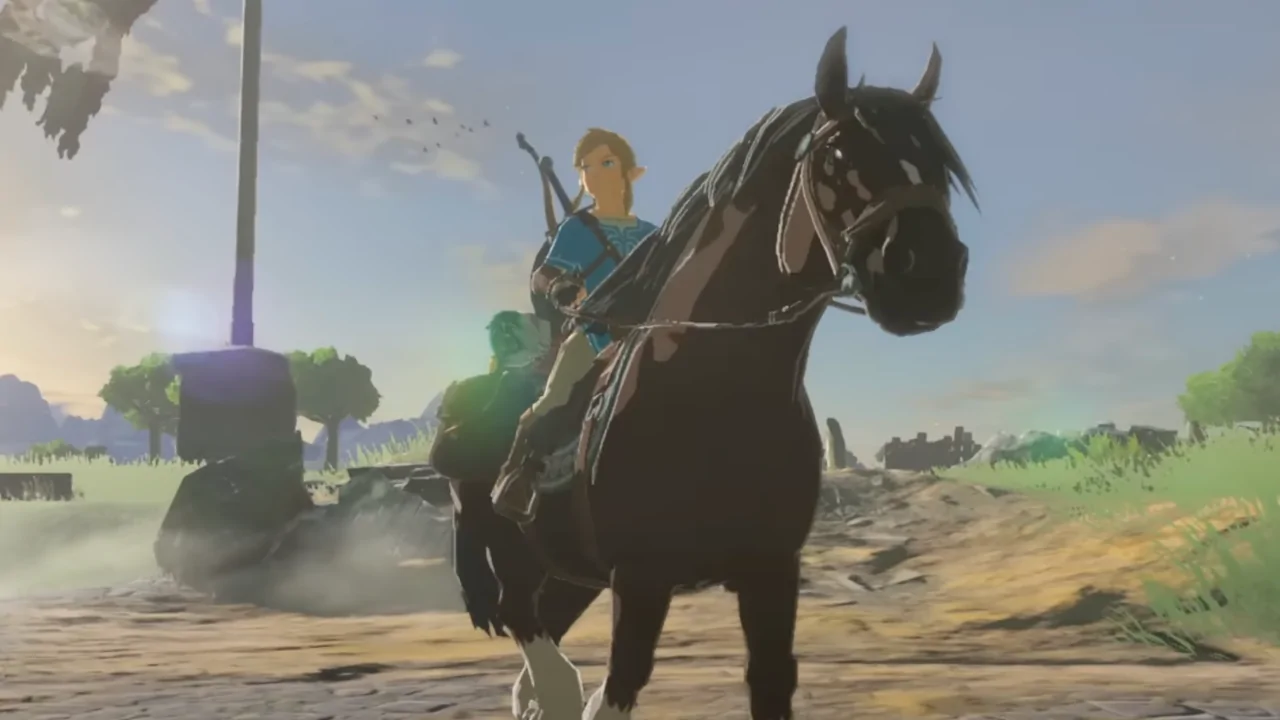
Link in The Legend of Zelda Breath of The Wild – YouTube, Nintendo of America
What Nintendo appears to be selling instead is nostalgia, brand loyalty, and the idea of handheld-console hybrid gaming. It’s a model that worked wonders for the original Switch, which sold over 130 million units. But expectations have shifted, especially as software prices creep into uncharted territory.
First-party Nintendo games on the Switch 2 are now being priced at $70 and even $80 in some cases. Titles like Mario Kart World are listed for $80, while ports and re-releases like The Legend of Zelda: Breath of the Wild – Switch 2 Edition are set at $70 without including the original DLC, which adds another $20 to the total. That puts the full price of a 2017 game at a staggering $90 on a 2025 console.

A screenshot from the trailer to Mario Kart World – YouTube, Nintendo of America
It marks a return to the variable pricing model that defined the cartridge eras of the NES, SNES, and N64. Back then, games like Chrono Trigger and Street Fighter II carried higher prices due to larger ROM sizes or custom enhancement chips. It wasn’t unusual to see new titles launch anywhere between $40 and $80 depending on their complexity and features.
But that was a time before standardized disc manufacturing and digital distribution leveled the field. Today, most consoles follow a uniform pricing model for new releases, with only deluxe editions or add-on content pushing the total higher. Nintendo’s return to variable pricing feels like a gamble—especially when paired with a console that doesn’t match its competition in raw horsepower.
In fairness, Nintendo is offering $10 upgrade paths for players who already own Switch titles and want the Switch 2 versions. But newcomers will face steep costs for ports of old games that, in many cases, are already available in cheaper form on the original system.
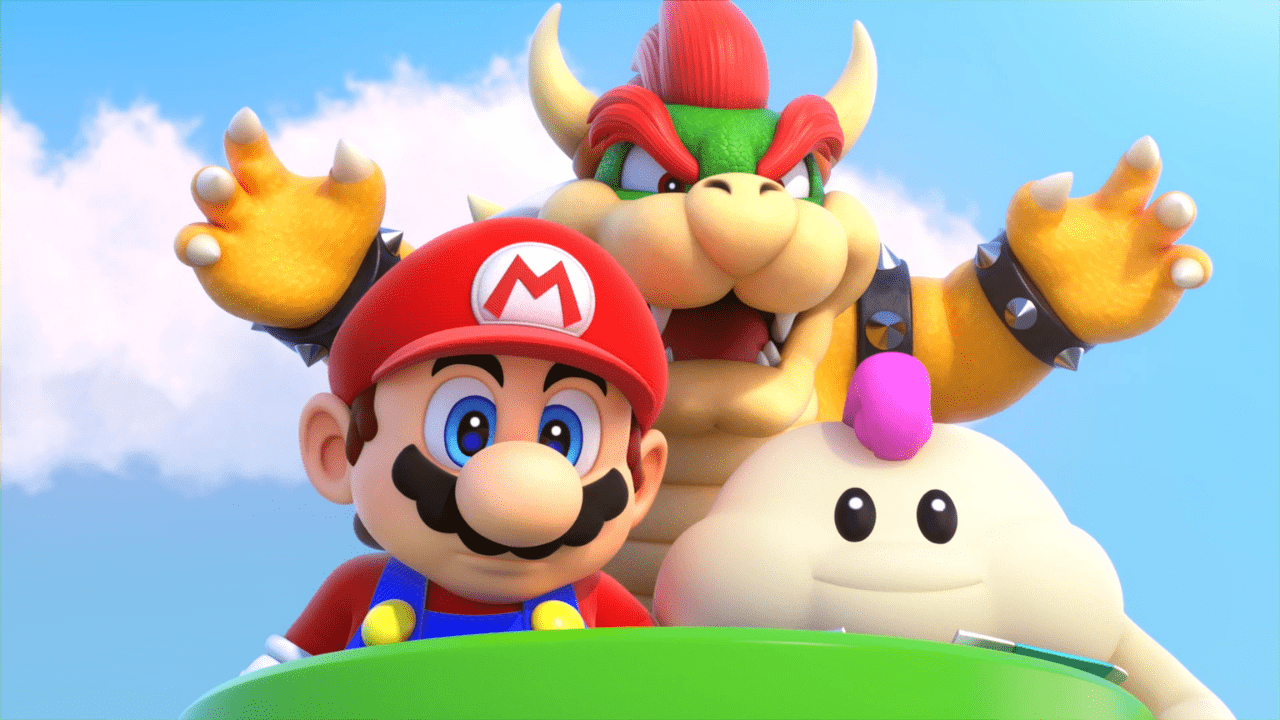
A screenshot from Super Mario RPG (2023), Nintendo
With the console priced higher than its predecessor and its games testing the limits of consumer patience, the Switch 2 faces an uphill battle convincing buyers of its value. Unless Nintendo has a few surprise features or groundbreaking exclusives up its sleeve, it may find that nostalgia alone isn’t enough to justify premium pricing in a post-PS5 world.
The Switch 2 launches June 5th, with North American pre-orders currently paused due to tariff complications stemming from President Trump’s recent trade measures.
How do you feel about the Nintendo Switch 2 operating on a PS4 level? Sound off in the comments and let us know!
