


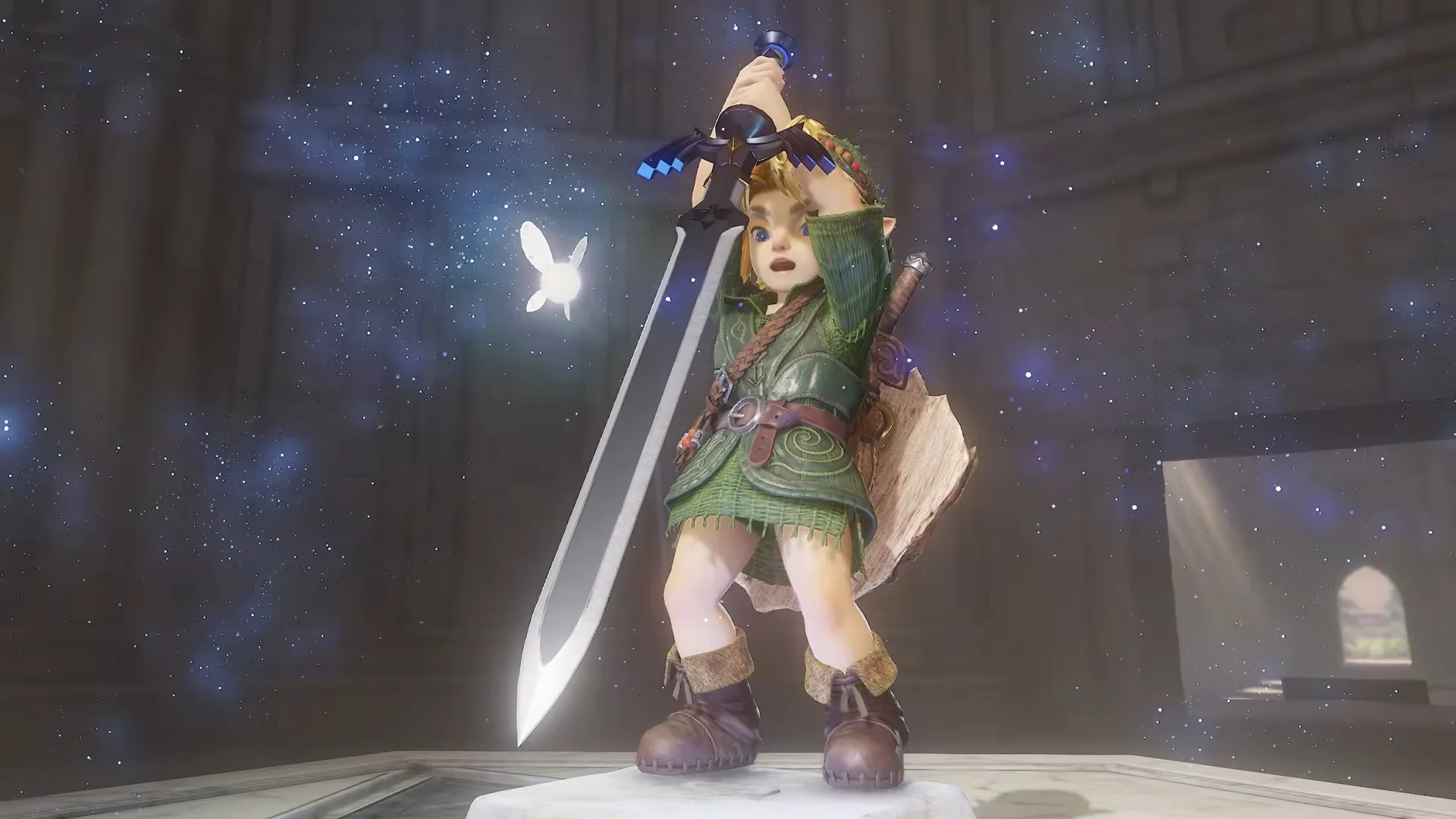
The Legend of Zelda: Ocarina of Time remake is already running on PC, only days after it launched on Nintendo Switch 2. Players found ways in almost immediately, and some have even put together an unofficial multiplayer version, IGN reported.
That raises the obvious question of what Nintendo will do about it. The company has gone after emulators before and won. But lawyers who spoke with IGN say the Ocarina of Time remake case will not be as simple.
How the Ocarina of Time Remake Got to PC So Fast
There are two routes. One is a Switch 2 emulator. The other is a set of recompilation tools that run the game natively on PC without emulating the console at all. In both cases, the people behind the tools say users have to supply their own game files, so nothing works out of the box.
The speed is the new part. Many of these tools were built with AI assistance, which is also behind the wave of unofficial “native” PC ports of other games showing up lately. The most talked-about emulator right now is called Lichii.
READ: The Legend of Zelda: Ocarina of Time Remake Becomes Highest-Rated Game of 2026
Why Lawyers Say Emulators Are Hard to Stop
“At least in theory, the law is very favorable towards emulators,” Kirk Sigmon, founding partner at KellDann Law, told IGN. He pointed to a 2000 case in which Sony unsuccessfully sued the maker of an original PlayStation emulator.
“If it was developed using AI and without stealing trade secrets, and if it’s carefully managed to never include Nintendo’s other IP, it’ll be hard to stop,” Sigmon said of Lichii.
Zohaib Hashim, CEO of Blackmont Legal, agreed. “Emulators generally are legal; there’s established case law going back many years supporting this,” he said.

That does not mean Nintendo will sit still. “Nintendo is absolutely going to try to shut Lichii and/or the decompilation teams down,” Sigmon predicted. Shortly after he spoke with IGN, videos showing the PC version started coming down from YouTube over copyright claims.
Where Nintendo Has an Opening
The strongest angle may be the Digital Millennium Copyright Act, which restricts getting around technical protections. “Nintendo relied heavily on that statute in its case against Yuzu, and its recent enforcement activity suggests that circumvention remains central to its legal strategy,” said Michael Dilworth, managing partner of Dilworth IP LLC.
Yuzu was shut down after Nintendo sued, and Nintendo received a $2.4 million payout. That case focused on Yuzu decrypting game files using keys taken from the Switch. Sigmon said Switch 2 ROMs circulating now appear to be already decrypted, which could leave Lichii in a better spot.

A scene from The Legend of Zelda Ocarina of Time Remake – Nintendo
Dilworth noted that Lichii is built partly on Yuzu’s work. “Simply using code derived from Yuzu doesn’t automatically make Lichii unlawful,” he said. “But if Lichii retains functionality that Nintendo previously challenged, I would expect Nintendo to raise similar legal arguments.”
Players are not fully in the clear either. Hashim said decompiling the code may break Nintendo’s terms of service, and Marcus Denning of MK Law said, “Owning a legitimate copy of a Nintendo game does not necessarily give a user permission to bypass the console’s technical protections.”
Nintendo will almost certainly move against these tools, given how it handled Yuzu. The harder part is that AI has made emulators faster and cheaper to build, and every takedown now has to deal with copies that are already out there. A win in court would still leave the Ocarina of Time remake running on plenty of PCs.
Can Nintendo actually stop the Ocarina of Time remake from spreading on PC? Let us know!
