



Tim Soret, the founder of game studio Odd Tales, which is currently working on The Last Night, applauded Moon Studios CEO Thomas Mahler on his response and instruction on how the video game industry works to Kotaku Senior Editor Alyssa Mercante.

A screenshot from The Last Night (TBA), Odd Tales
It all started when Mahler made it clear that a woman who implied she worked on Ori and the Will of the Wisps did not work for Moon Studios or on the game at all.
He responded to the woman, who admitted she worked with Xbox User Research and not for Moon Studios writing, “That could explain it. I didn’t want to cause you any trouble – I just saw you posting that you worked on Ori and I had no idea who you are.”
He added, “Since you’re calling people names online, I thought it was important to inform people that you never actually worked for Moon Studios and that you didn’t ever directly engage with anyone at Moon.”
“Always be nice to people, Ray, even those you disagree with,” Mahler advised.

Thomas Mahler on X
READ: Microsoft Guts Activision Blizzard Mobile Team, Ends Warcraft Rumble Support in Latest Xbox Layoffs
Then Alyssa Mercante chimed in to call him a “d*ckhead.”
Mahler initially replied, “I don’t know who you are.”

Thomas Mahler on X
Mercante then reminded him that she worked for Kotaku, who ran a hit piece written by Ethan Gach against Moon Studios and Mahler back in 2022.

Alyssa Mercante on X
Mahler then provided Mercante a master class on how video game development worked.
He wrote, “You’re apparently a journalist from Kotaku – So I’m guessing you haven’t worked in actual game development yet. Let me try to explain the thing you posted about, which I’m guessing was from that hitpiece from a few years back. Yes, I’m guilty of what’s stated in that image. And that’s okay, because this is the normal creative process.”
“We brought lots of veterans into Moon because generally great people want to get the opportunity to work on great projects and that’s our goal at Moon: We always set out to create the kinda games we’d love to play ourselves, that fill some hole in the market because for some reason these holes haven’t been filled yet. And so we’re all incredibly passionate about what we do,” he continued.
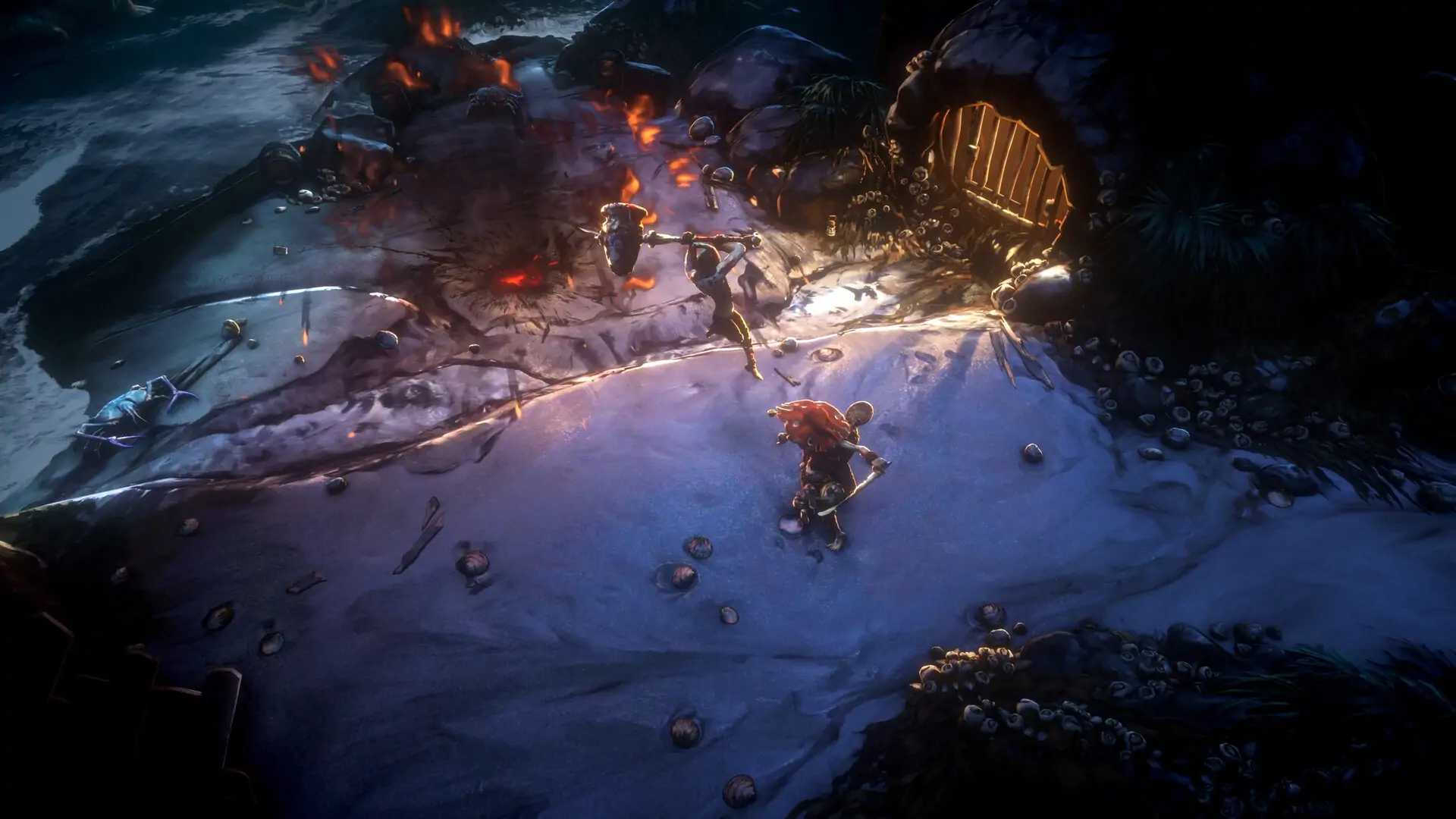
A screenshot from No Rest for the Wicked (2024), Moon Studios GmbH
Mahler elaborated, “With great talent comes lots of enthusiasm and passion, which absolutely leads to arguments because ultimately everyone is working hard on getting their vision into the game. But also, everyone at Moon understands that we’re working together as a team – so the point of these arguments is then to try to convince each other why this or that solution would be the best thing for the game we’re making – and the best solution ought to win!”
“Most of the times the beauty behind these arguments is that everybody gets a chance to contribute and more often than not the actual solution will be one that ultimately everybody contributed to because we’re dealing with very complex issues all the time and complex problems often also need complex solutions,” he explained. “It is often a chaotic process, but it’s controlled chaos.”
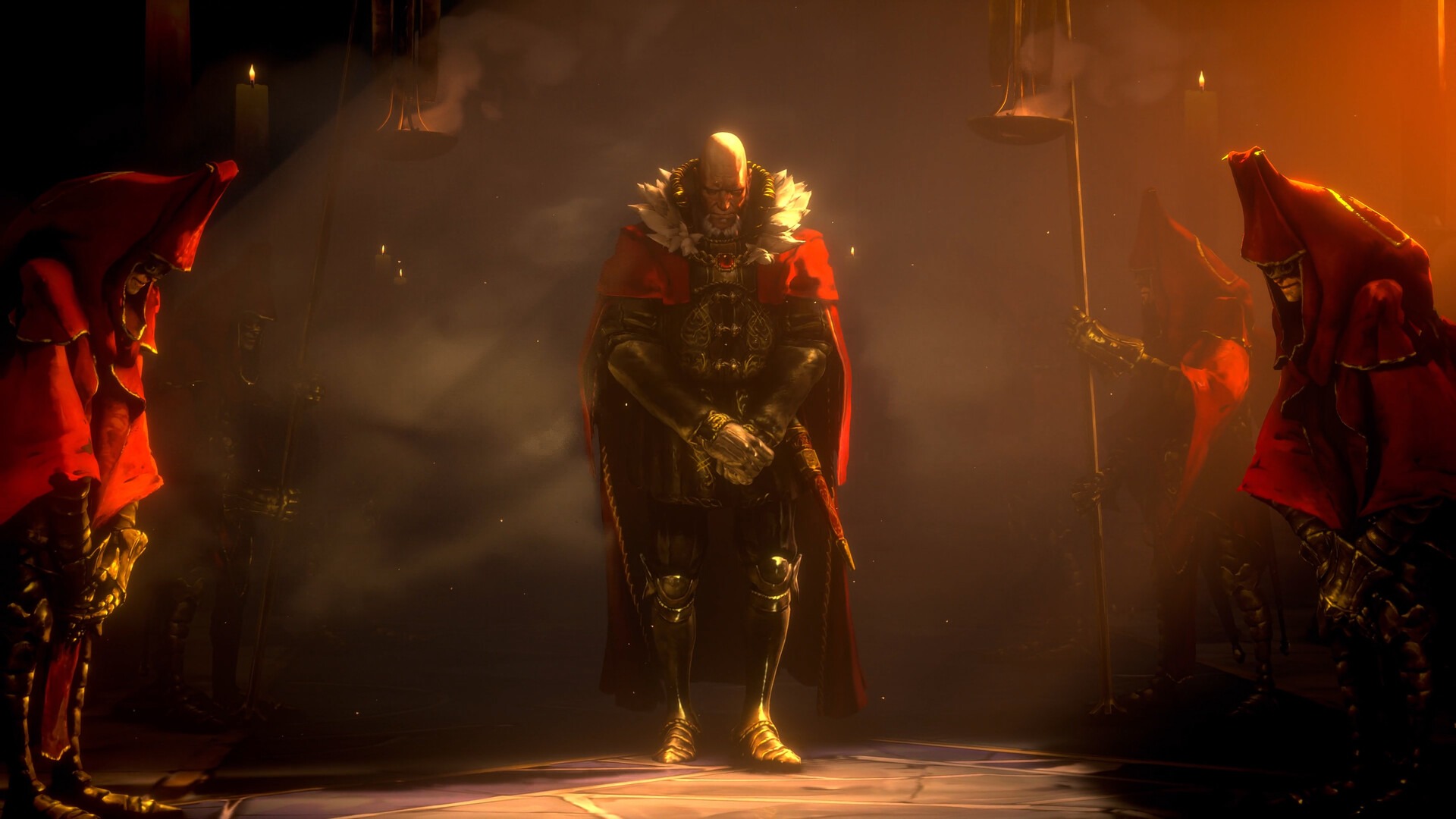
A screenshot from No Rest for the Wicked (2024), Moon Studios GmbH
READ: ‘Stop Killing Games’ Petition Hits 1 Million Signatures — European Commission Now Forced to Respond
“And yes, absolutely every now and then I have to put my foot down and set the direction… because I’m the game director and ultimately it’s my responsibility to ensure that everyone knows where things are heading and that decisions get made,” he stated.
He continued, “And yes, it has also happened that I agreed to a certain decision, playtested some more and changed the direction after – Again, to me this is a normal part of the process since things get clearer and clearer the more stuff gets implemented and the more we play and test.”
“To me, all this is just how creative work happens,” he shared. “It can be painful, but my job – like any good director – is to understand what’s going on and make sure the right decisions get made, even if some work might get rendered useless in the process. See here, even Miyamoto is guilty of that: https://t.co/q07ho644Uh”

A screenshot from No Rest for the Wicked (2024), Moon Studios GmbH
Mahler then posited that this article was likely influenced by a number of disgruntled employees who were let go, “A few years back we hired some folks that didn’t really fit our culture, so we had to part ways with them and then this article happened. Wasn’t a great feeling to see some ex-Moon folks talk badly behind our backs, but ultimately it just made it clear that these folks shouldn’t have worked at Moon in the first place and I hope they’re happier now wherever they landed.”
“I don’t know why you’re out here cursing out game developers and what your whole deal is, but I hope that gave you some insight into the creative process and it’s messiness (and beauty),” he shared.
He then concluded writing, “I hope you have a nice day. Yours, D*ckhead.”
Hey Alyssa,
You’re apparently a journalist from Kotaku – So I’m guessing you haven’t worked in actual game development yet.
Let me try to explain the thing you posted about, which I’m guessing was from that hitpiece from a few years back.
Yes, I’m guilty of what’s stated in…
— thomasmahler (@thomasmahler) October 9, 2024
Soret reacted to Mahler’s instruction to Mercante writing, “Perfect reply from legendary cofounder of Moon studios to the worst kind of journalist.”
He added in a subsequent post, “Compared to music or cinema, game journalism tends to be extremely hostile towards its creators, stemming from a fundamental misunderstanding of the nature of the creative process.”

Tim Soret on X
What do you make of Soret’s reaction to Mahler’s response to Mercante?
