


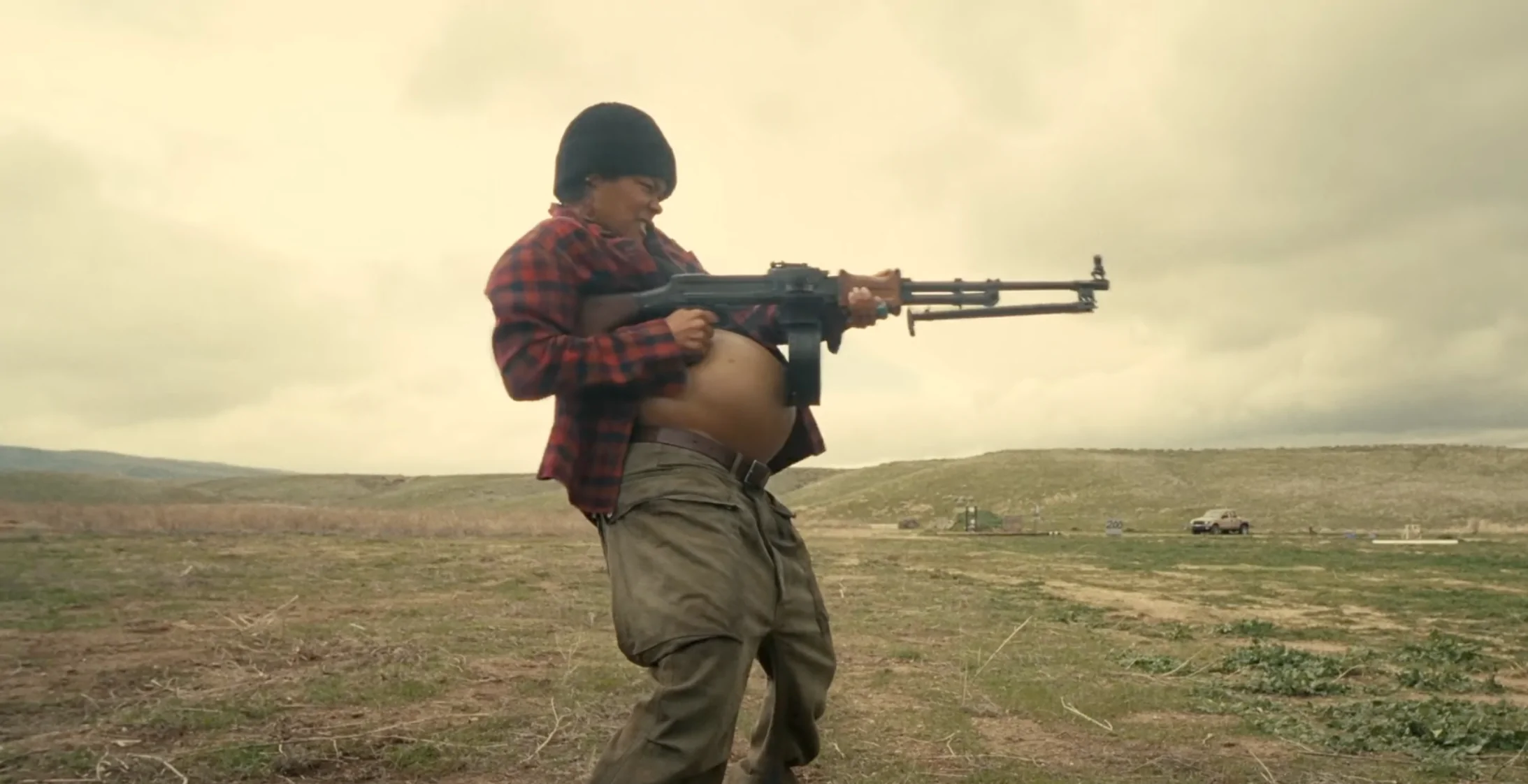
Leonardo DiCaprio’s One Battle After Another was supposed to be a prestige box office hit — a bold new political thriller from Paul Thomas Anderson.
Instead, it’s collapsing.
After weeks of media spin calling its $22 million debut “solid,” industry insiders now say the film is on track to lose $100 million worldwide. That’s a staggering number for any movie, but especially for one that critics say glorifies left-wing militants and portrays violent activism as heroism.
A Prestige Project Bleeding Cash
According to Variety, insiders now expect One Battle After Another to lose $100 million before its theatrical run is over. The Warner Bros. release has grossed roughly $140 million worldwide, well below the $300 million it needs to break even. That target comes from the combination of a $130+ million production budget and an additional $70 million marketing spend — a staggering $200 million total outlay.
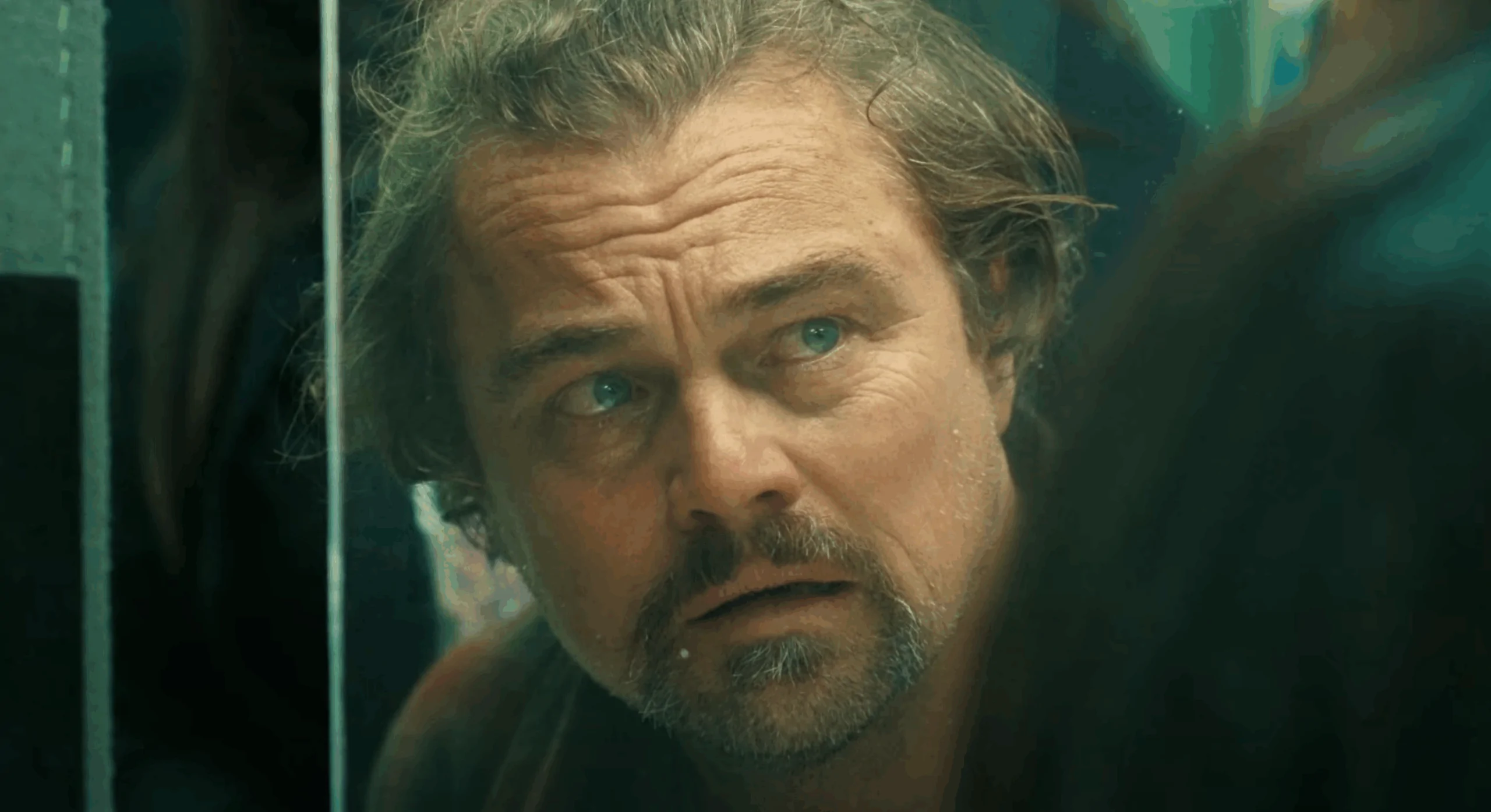
Leonardo DiCaprio looking devastated in the trailer to One Battle After Another – YouTube, Warner Bros. UK & Ireland
When you factor in that theaters typically take around half of all ticket sales, the math becomes brutal. Even at what Variety called an “impressive” $140 million global total, the film is still deep in the red.
“One Battle After Another… is tracking to lose $100 million, according to studio executives with knowledge of the economics of similar-sized films,” reported Variety.
Warner Bros. pushed back, insisting that its 2025 film slate has already earned $4 billion globally, calling that a “successful year.” But that $4 billion refers to gross box office revenue, not profit — and it certainly doesn’t erase the losses tied to this particular movie.
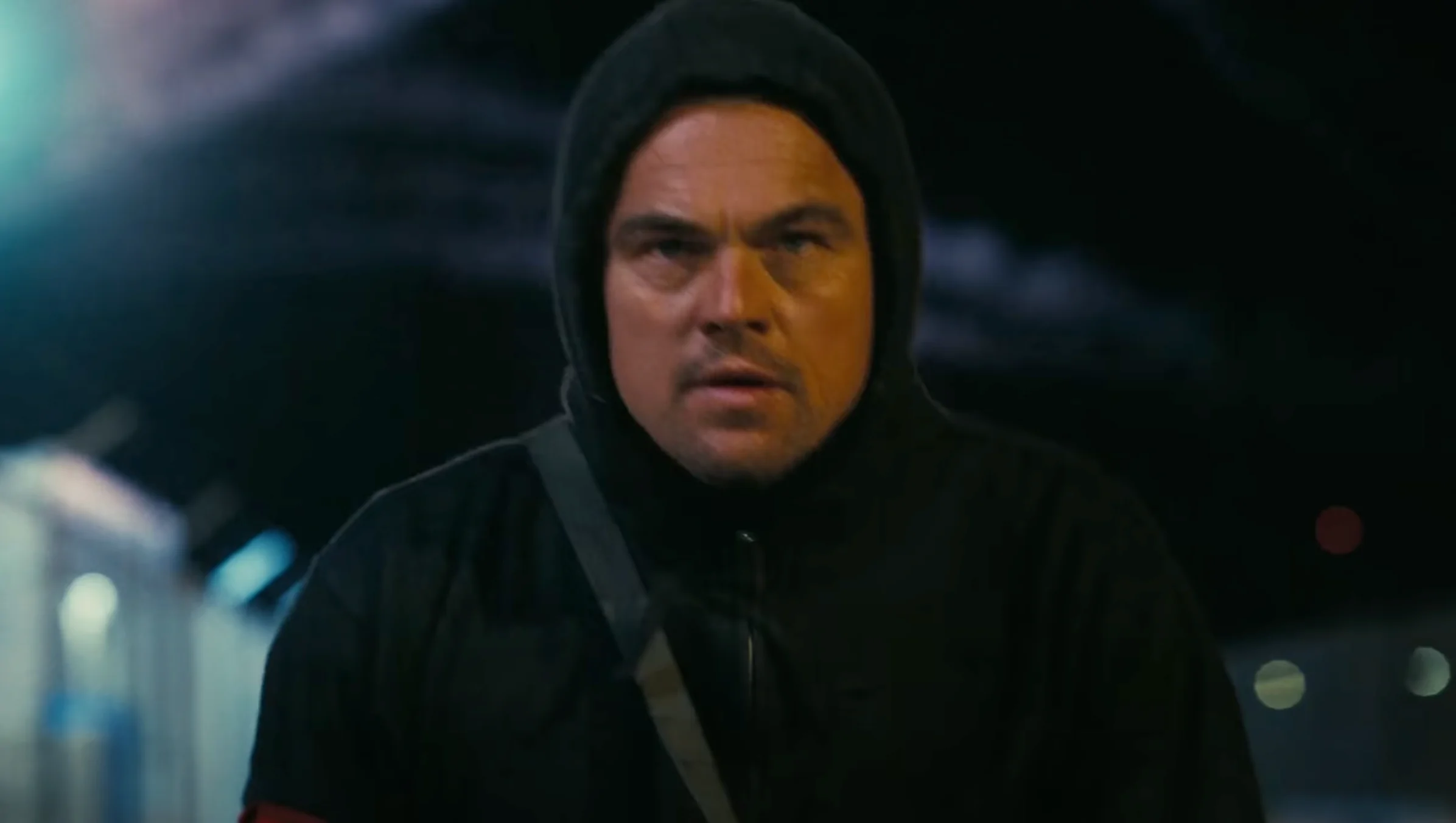
Leonardo DiCaprio readies himself in the trailer to One Battle After Another – YouTube, Warner Bros. UK & Ireland
Even the trade press that initially praised Anderson’s “daring original vision” is now shifting tone. Variety’s own piece describes the outcome as a “bust,” contrasting sharply with earlier headlines from the Los Angeles Times calling the film’s $22 million domestic debut landed “solidly” and the New York Times labeling sales “solid (with an asterisk).”
That asterisk has since grown into a crater.
The Math of a Meltdown
For all the prestige packaging, One Battle After Another is a simple case of arithmetic failure:
The film cost over $130 million to make and another $70 million to market, meaning Warner Bros. needs around $300 million in global ticket sales just to break even.
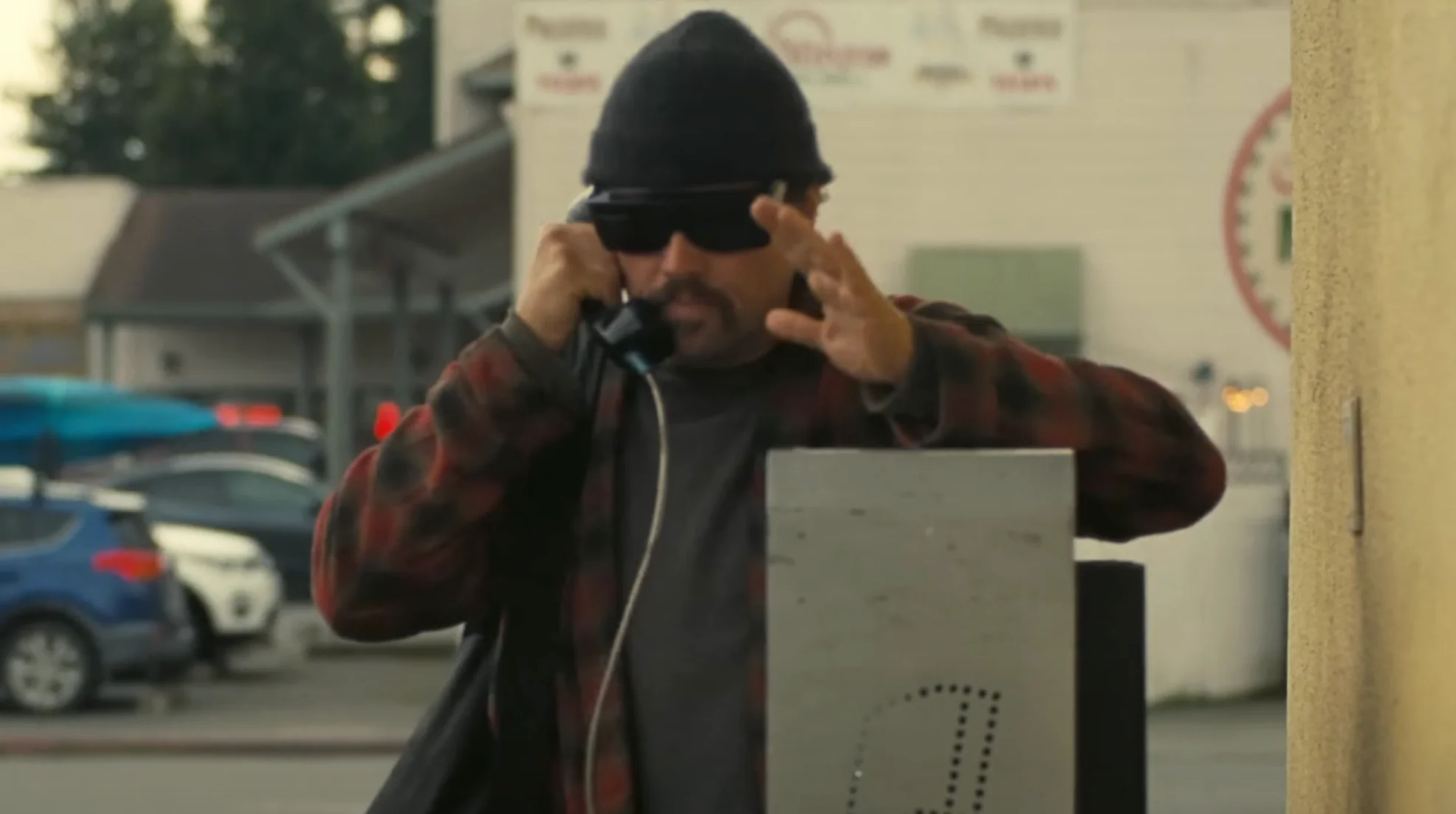
Leonardo DiCaprio uses a phone in the trailer to One Battle After Another – YouTube, Warner Bros. UK & Ireland
DiCaprio’s lucrative first-dollar gross deal — which pays him a cut of ticket sales before the studio recoups costs — only worsens the balance sheet. Warner Bros. isn’t just missing profit margins here; it’s likely losing money before residuals and backend costs are even calculated.
“These prestige-type movies have failed to create a sense of FOMO among audiences,” Fandango analyst Shawn Robbins told Variety. “They weren’t event-ized enough.”
Translation: for general audiences, this wasn’t a must-see.
The “Antifa” Narrative Takes Hold
Beyond its weak financials, the film is now being labeled something far more volatile — a cinematic “Antifa” fantasy. Multiple outlets, both mainstream and independent, have described One Battle After Another as openly sympathetic to left-wing extremists and militant activists.
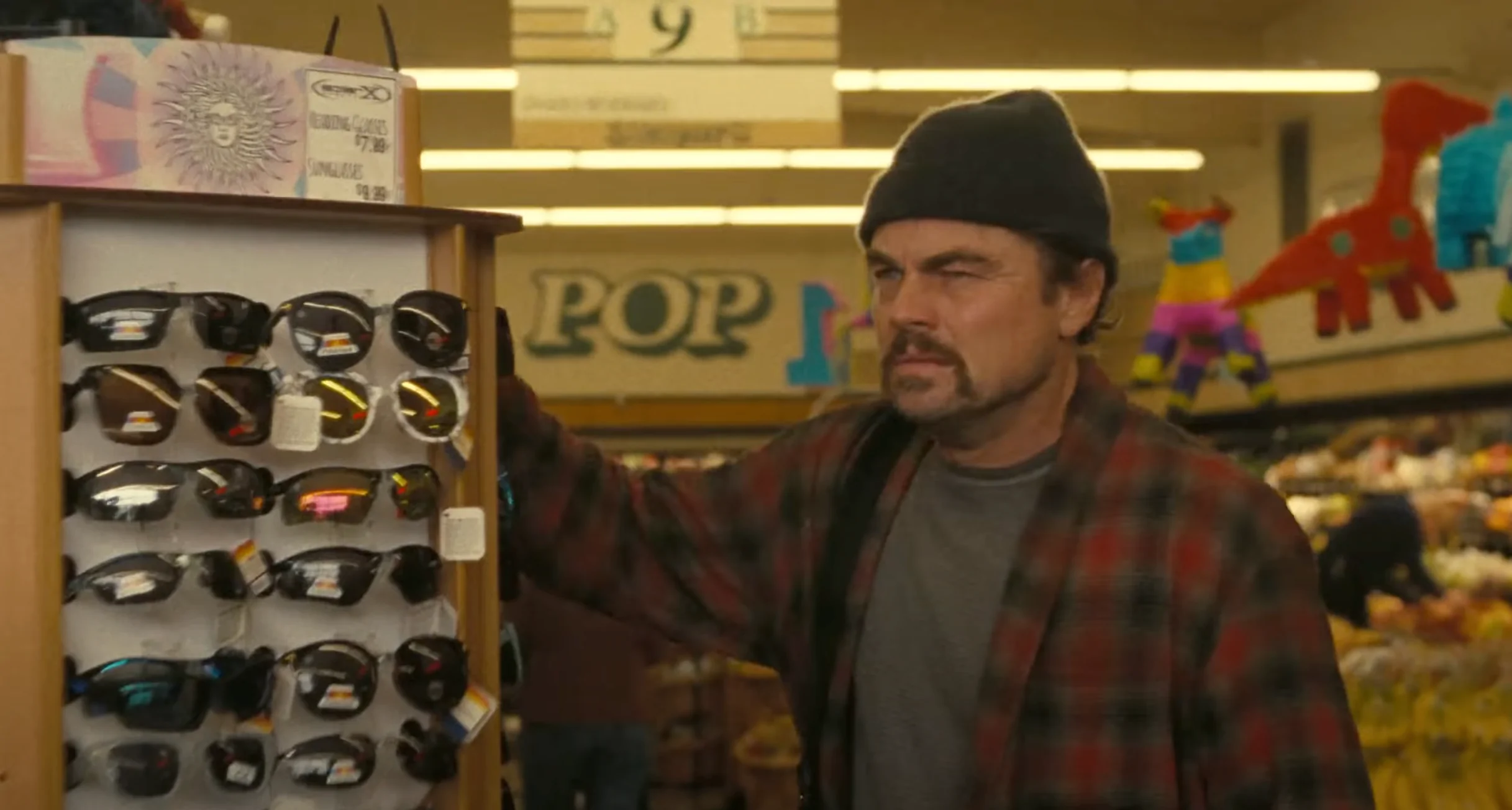
Leonardo DiCaprio in the trailer to One Battle After Another – YouTube, Warner Bros. UK & Ireland
Here’s how some major reviews framed it:
- The Daily Beast called it “a gonzo antifa rallying cry.”
- Hollywood in Toto said the film “casts an Antifa-style group as its heroes.”
- Pajiba praised it for showcasing “modern-day rad-as-hell Antifa revolutionaries.”
- The San Francisco Chronicle review referred to “antifa-like left-wing extremists” leading the film’s plot.
The consistent throughline here is that Anderson’s film romanticizes violent left wing activism — and audiences aren’t buying it.
It’s an uncomfortable trend for an industry that often frames itself as morally sophisticated.
Political Timing Makes It Worse
This controversy arrives at a sensitive national moment. Just weeks ago, Charlie Kirk was assassinated during a university appearance in Utah — a politically charged killing that reignited national debate over domestic extremism.
Meanwhile, President Trump has formally designated Antifa as a domestic terrorist organization. Whether or not that label carries legal teeth, it reflects the current political mood: Americans are weary of chaos.
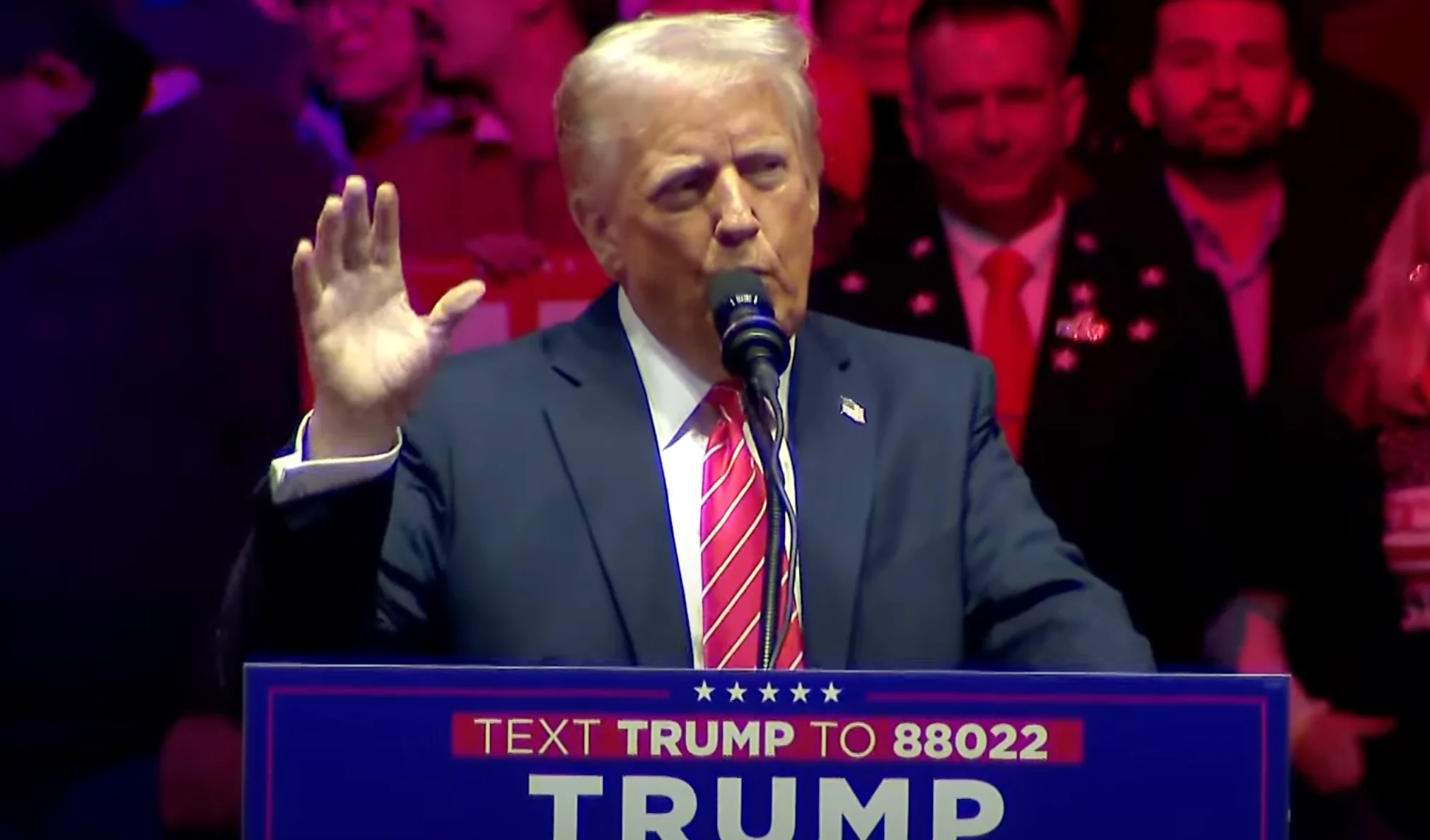
Donald Trump speaks at a rally the night before being inaugurated as the 47th President of the United States of America – YouTube, Washington Post
And that’s exactly what One Battle After Another glorifies.
For many viewers, the film’s portrayal of “righteous” militants torching police vehicles and executing raids against government facilities feels tone-deaf at best. When real-world violence is dominating headlines, a film that seems to cheer it on becomes a hard sell outside the festival circuit.
A Familiar Story: Hollywood Spin vs. Reality
The movie’s trajectory mirrors that of other overhyped “message films” that failed to translate cultural applause into audience turnout. Killers of the Flower Moon, Napoleon, and Amsterdam all carried similar DNA — auteur-driven, ideologically charged, star-studded — and all underperformed relative to their astronomical budgets.
In each case, trade media tried to paint opening weekends as “respectable,” only to later acknowledge major losses. The pattern is almost predictable now:
- Opening Weekend: “Solid debut, No. 1 spot.”
- Week Two: “Mixed box office signals.”
- Week Three: “Prestige play still strong overseas.”
- Month Two: “Studio expected to take nine-figure write-down.”
Hollywood may have a messaging problem, but it also has a math problem — and those two often overlap.
A Cultural Disconnect
There’s a widening gulf between what Hollywood wants audiences to applaud and what people actually want to pay for.
Movies like One Battle After Another are designed for critics and awards voters, not for the ticket-buying public and box office success. Anderson’s three-hour epic features stunning cinematography and committed performances, but its worldview — a gritty, violent uprising led by self-justified radicals — doesn’t resonate with a culture exhausted by real political extremism.
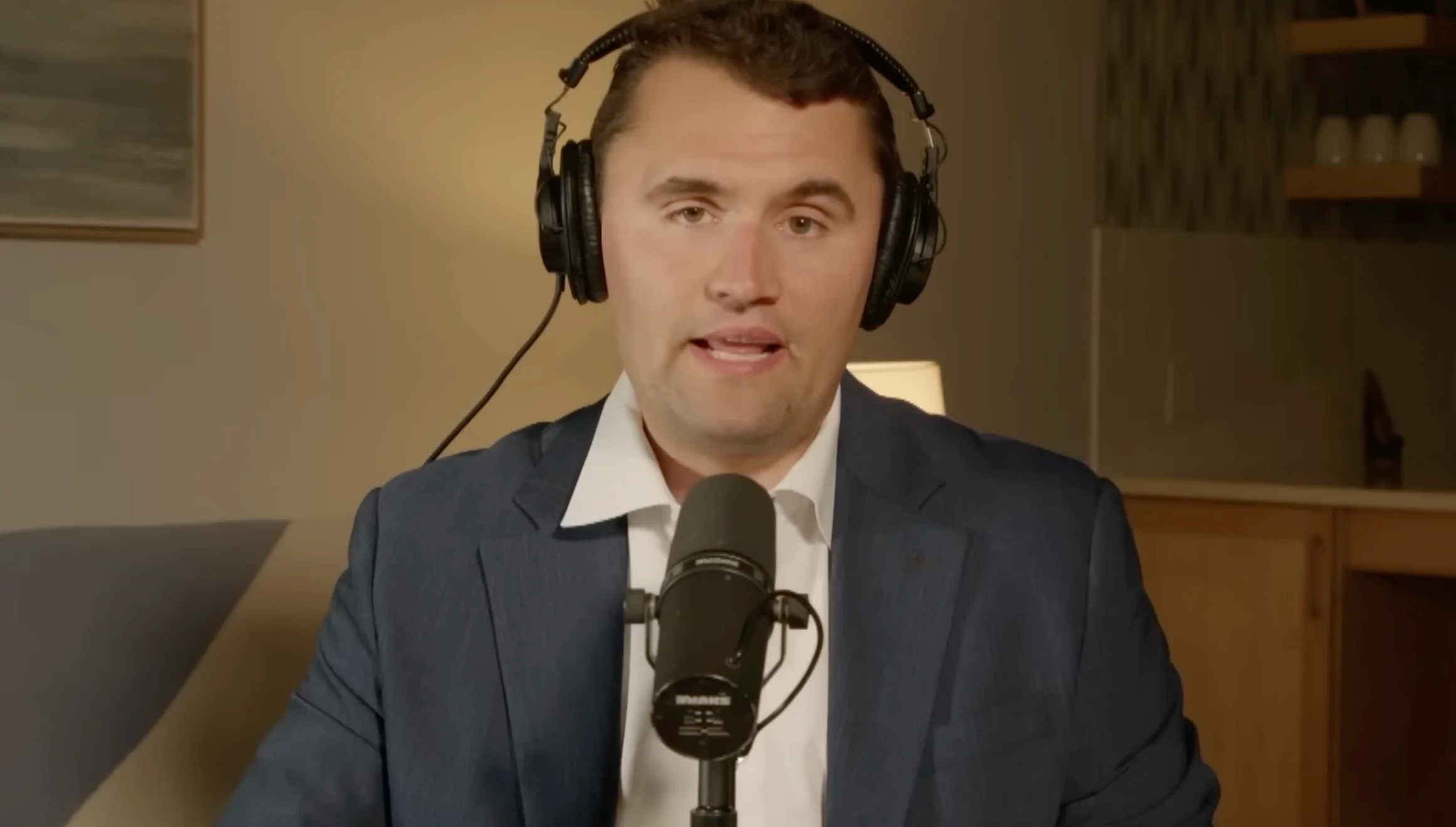
Charlie Kirk sits in front of a microphone for a YouTube video – YouTube, Charlie Kirk
Viewers don’t want moral lectures; they want stories that uplift, entertain, or at least escape the endless political churn. When studios ignore that reality, the result is what we’re seeing now: prestige bombs that make headlines for all the wrong reasons.
What This Means for Warner Bros.
Financially, Warner Bros. can absorb a $100 million loss thanks to its profitable 2025 lineup (The Conjuring: Last Rites, Minecraft: The Movie, Sinners). But reputationally, One Battle After Another could haunt the studio during awards season.
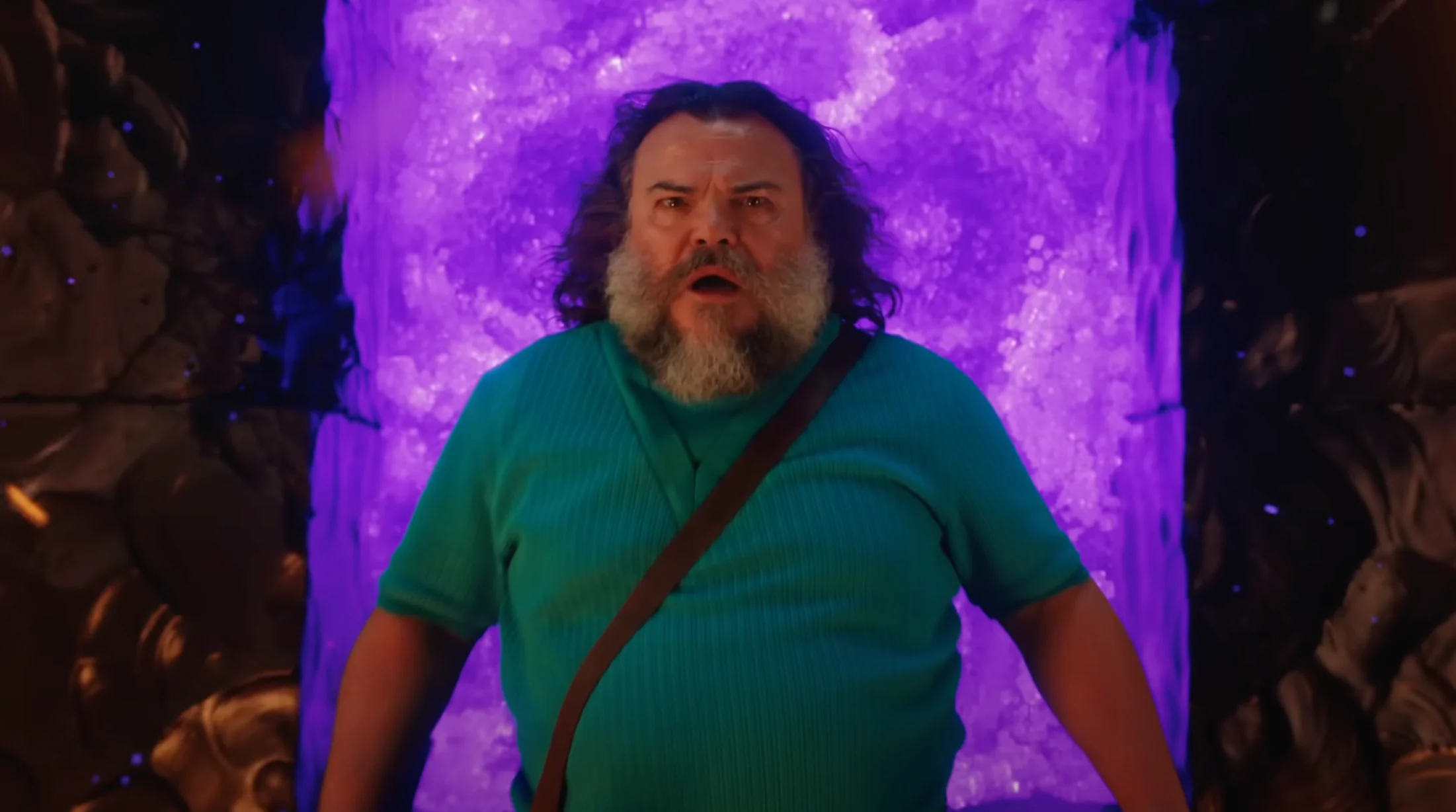
A screenshot from A Minecraft Movie – YouTube, Warner Bros.
If the film still receives Oscar nominations — as many expect — it will reopen the conversation about ideological favoritism in Hollywood. And if it doesn’t, it risks being remembered as the moment Warner tried to chase prestige and wound up with propaganda.
Either way, it’s a self-inflicted wound.
The Bottom Line
One Battle After Another was intended to be an artful exploration of ideological extremes — a story about chaos and conviction. Instead, it has become a case study in how far the industry can drift from the public pulse.
Critics may keep defending its message, but the marketplace has already rendered its verdict.
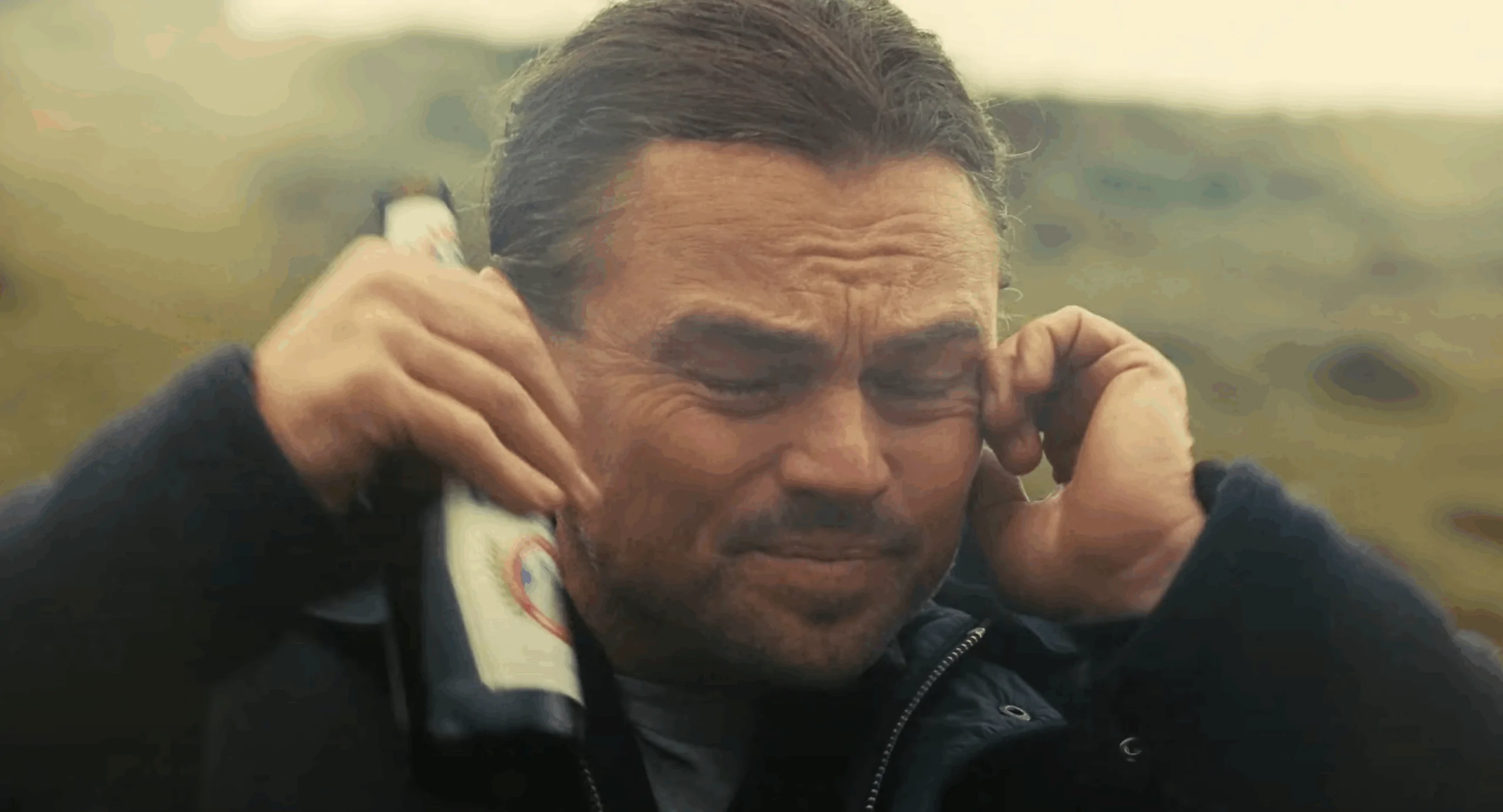
Leonardo DiCaprio holds his ears in the trailer to One Battle After Another – YouTube, Warner Bros. UK & Ireland
When even a Leonardo DiCaprio prestige project can’t draw crowds — and loses nine figures while being called an “Antifa rallying cry” — the problem isn’t audience apathy. It’s Hollywood’s ongoing belief that politics sell better than people.
How do you feel about One Battle After Another bombing at the box office? Sound off in the comments and let us know!
UP NEXT: Peacemaker Season 2 Suffers Major Ratings Drop as Nearly 40% of Viewers Tune Out
