


Jeff Sneider, a well-connected Hollywood insider, recently speculated that J.K. Rowling will inevitably sell the rights to Harry Potter to Warner Bros. Discovery. He cites precedents like George Lucas selling Star Wars to Disney and Barbara Broccoli handing off James Bond to Amazon.
His prediction? It’s not a question of if Rowling will sell Harry Potter—just when.

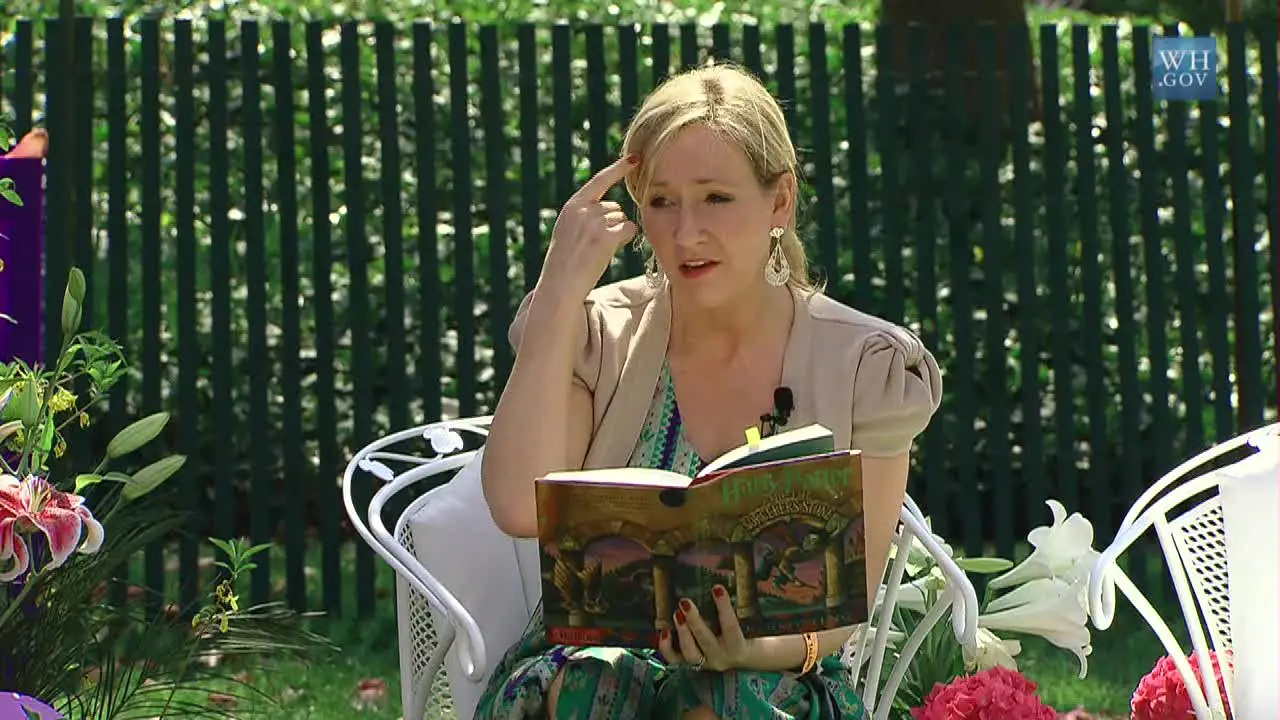
J.K. Rowling in Fantastic Beasts and Where To Find Them Behind the Scenes, Warner Bros. Pictures
But Sneider isn’t breaking news. He’s floating a narrative—a wishful one. And he’s not alone. There’s a growing movement in entertainment media that seems far less interested in Rowling’s storytelling and far more focused on removing her from her own creation.
Why? Because her personal views don’t align with the ideological messaging now embedded in much of Hollywood.
This isn’t about business. It’s about erasing the inconvenient.
Editor’s Note: This editorial reflects the personal opinion of the author and is intended to foster discussion. It does not necessarily reflect the broader views of That Park Place or its affiliates.
Sneider’s Smug Speculation Says It All
Let’s talk about the quote that started this whole conversation.
“You have to wonder when she’ll (Rowling) sell Warner Bros. the rights to Harry Potter,” Sneider wrote in his email newsletter. “And I do believe it’s a matter of ‘when,’ not ‘if.’”
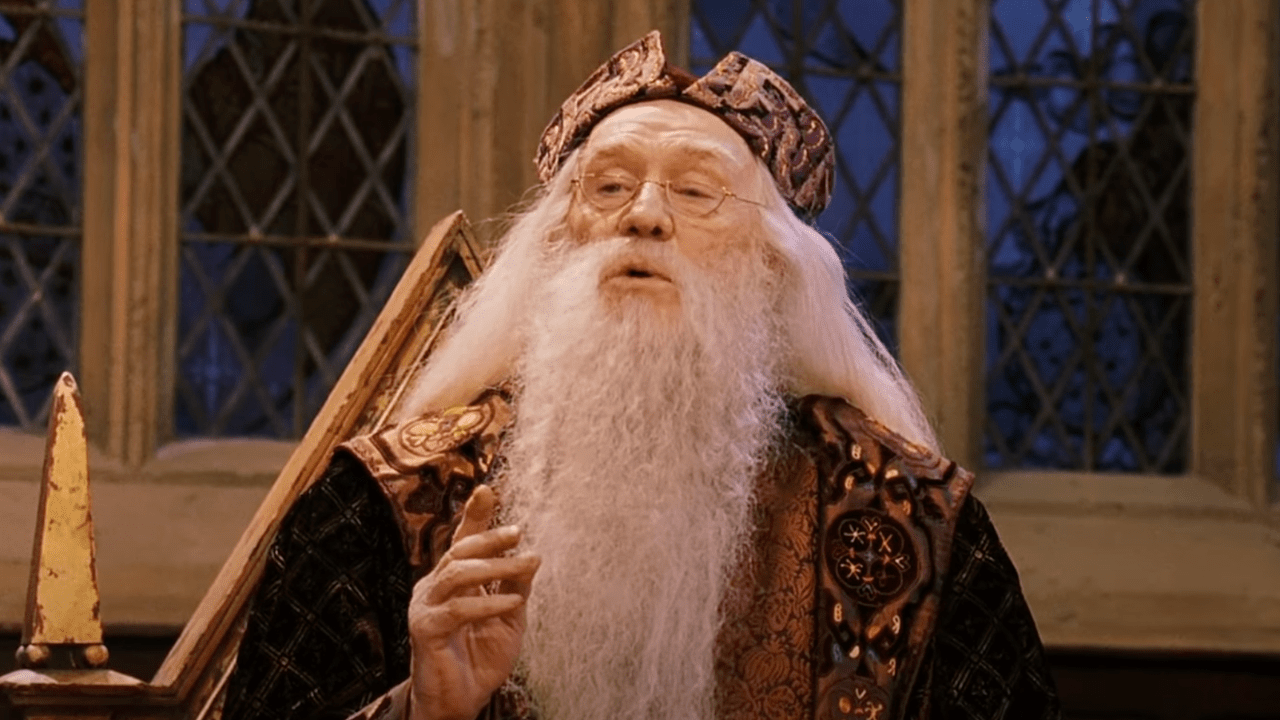
Richard Harris as Dumbledore in Harry Potter and The Sorcerer’s Stone – Max
That’s nothing more than wishcasting. Sneider offers no source, no insight, and no evidence that Rowling is preparing to sell her life’s work. What he’s really doing seems to be signaling that Hollywood wants her gone.
“It’s not that Rowling needs the money such a deal would bring,” he continued. “It’s that she doesn’t need the headache of controlling this massive piece of IP.”
Ah, the classic Hollywood spin—portraying creative ownership as a burden. As if Rowling should feel guilty for protecting the world she built. As if the true solution to backlash is for the artist to step aside and let corporate executives do the storytelling.
Because that’s worked out so well for other franchises, right? How’s that working out for Star Wars fans?

Vernestra Rwoh (Rebecca Henderson) in Lucasfilm’s THE ACOLYTE, season one, exclusively on Disney+. ©.
Then comes the part where Sneider’s mask slips entirely.
“Rowling has become a full-blown nutjob in recent years and clearly can’t be reasoned with,” he said.
There it is—the dehumanization. The smug dismissal of a woman who dares to disagree. No engagement with her ideas. No acknowledgment of her personal history as a survivor of the worst kind of abuse. Just a public figure reduced to an insult for having the audacity to think independently of the Hollywood machine.

The official Harry Potter trio, with Arabella Stanton as Hermione Granger, Dominic McLaughlin as the titular Harry Potter, and Alastair Stout as Ron Weasley – HBO
And somehow, he wraps it all in faux-concern for the actors and the franchise.
“Hopefully her personal politics won’t be a distraction…,” he said.
Here’s a better hope: Maybe Hollywood insiders and commentators could stop pretending personal politics are a distraction when they’re the ones manufacturing the controversy.
Sneider’s comments don’t just reveal media bias—they reveal the agenda. He’s not reporting the news or even the insider rumors he’s known for. He’s soft-launching the campaign to push Rowling out of the world she created.
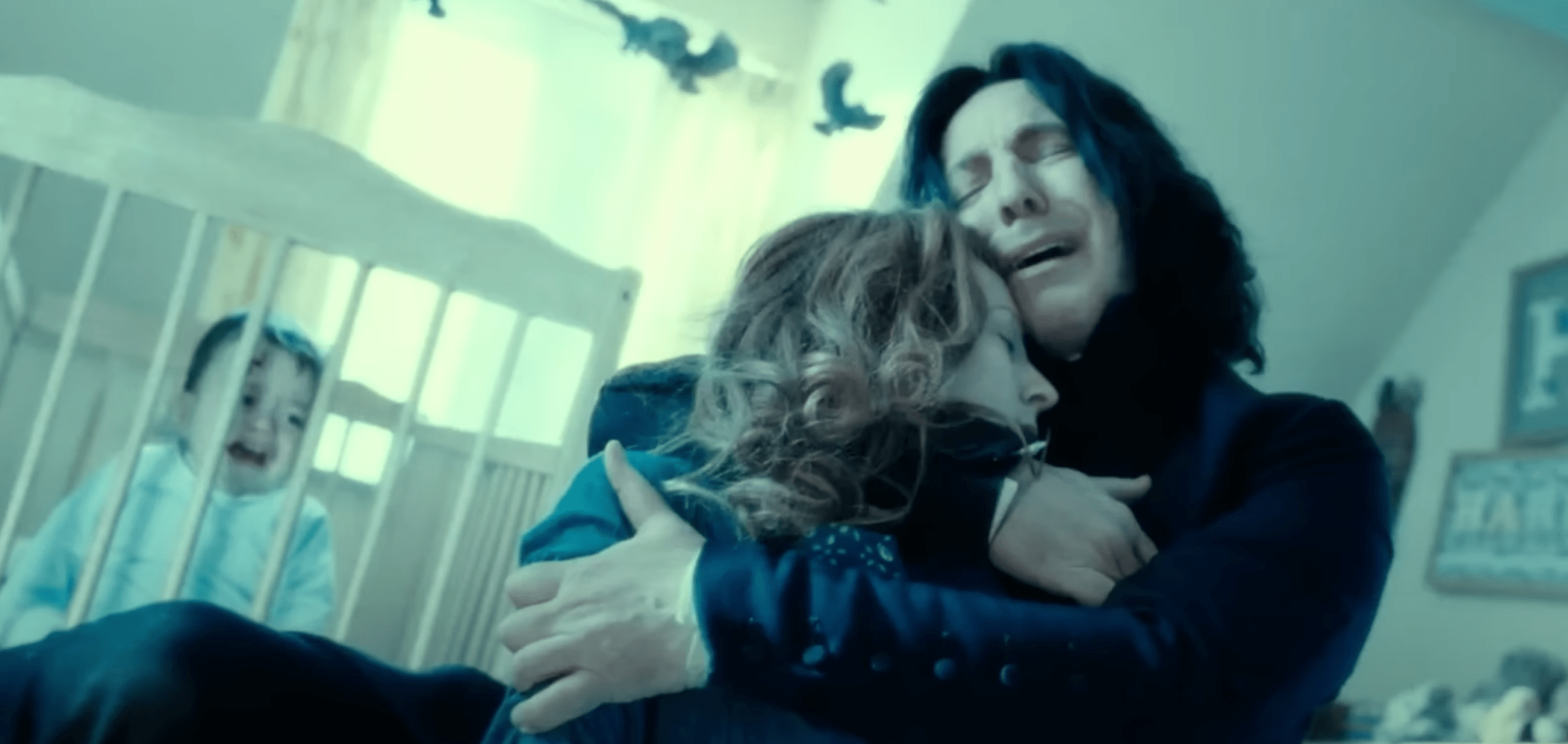
Severus Snape holds the body of Lilly Potter as baby Harry Potter looks on – YouTube, MovieClips
And fans should see it for what it is: a power grab disguised as progress. Harry Potter and Rowling’s broader Wizarding World is a $32 billion franchise, an IP that Hollywood is desperate to mine for all its worth. But with Rowling still attached, some of the more outspoken members of the Hollywood activist circle find participation in (and overall glomming off of) Potter projects to be problematic.
So their answer appears to be find a way to have all the Potter with none of the woman who created it.
Rowling Is More Than a Rights Holder — She Is the Harry Potter World
Let’s not forget: Rowling didn’t just write a few books. She constructed an entire magical universe. The laws of magic, the emotional depth of each character, the symbolism of good versus evil—all of it stems directly from her vision. She wrote extensive histories and lore surrounding locations like Hogwarts dating back to the times of Arthurian legend and wrote pages upon pages on how wands work that never appeared in her novels.
The Harry Potter franchise isn’t a sandbox that can be passed around like a toy; it’s a singular world built with conviction, discipline, and deeply personal experience.
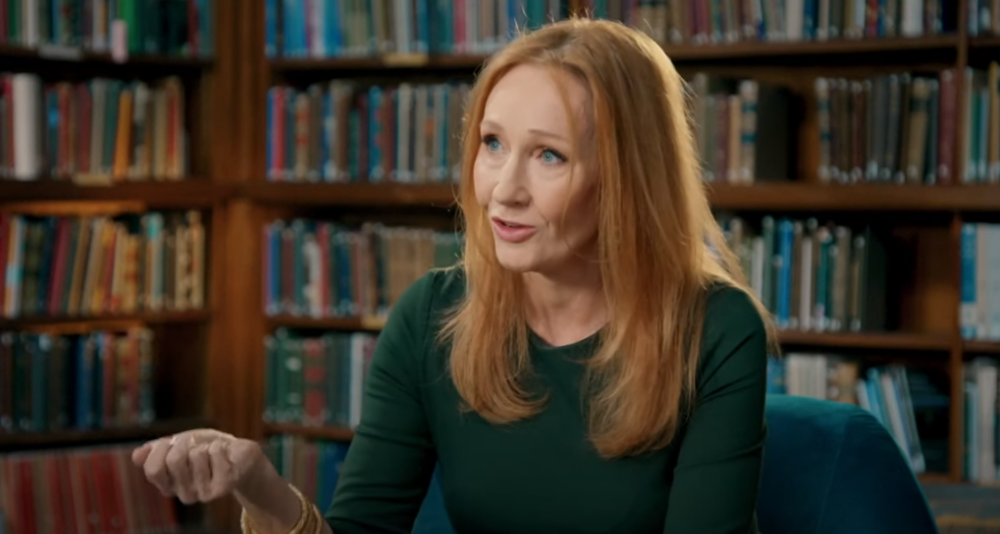
J.K. Rowling via The Rowling Library YouTube
The idea that you can separate Rowling from Harry Potter and get the same result is a fantasy. You can recast the roles, build bigger sets, and shoot it in 4K—but without Rowling, it becomes another hollow reboot trying to sell nostalgia without purpose. There’s no one there to speak for the heart of the story, something that only the creator can truly know intimately.
Hollywood already tried this formula. Just look at Star Wars after George Lucas. The franchise became a Disney IP machine—and lost its soul in the process. The sequel trilogy divided the fanbase, pushed out original themes, and alienated longtime supporters.
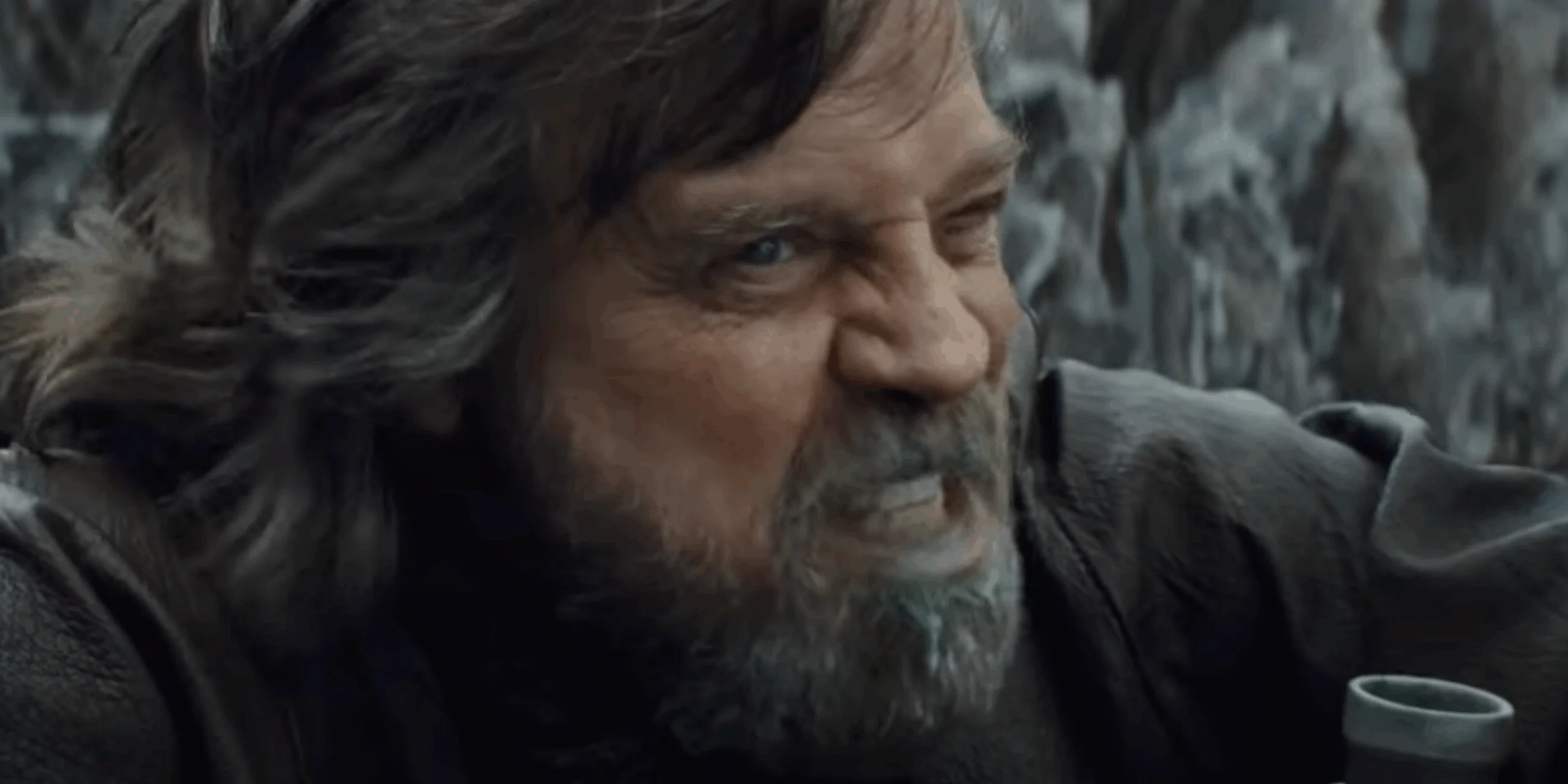
Luke Skywalker Drinks Green Milk in Star Wars Episode VIII: The Last Jedi – Disney+
Star Wars went from the most evergreen franchise to ever exist to the point we’re at now, when new Star Wars properties release (like this month’s Star Wars: Tales of the Underworld) and no one even notices. But everyone thought that George’s vision would still be respected after the sale. After all, we had longtime Lucas allies Kathleen Kennedy and Dave Filloni looking out for George’s baby.
Well, how’s that been working out?
Warner Bros. Discovery Can’t Handle (Or Afford) This Responsibility
Even if Rowling wanted to sell (and, again, there’s no indication she does), Warner Bros. Discovery is arguably the worst possible buyer. The company is $40 billion in gross debt, slashing projects left and right, and reeling from years of mishandling its biggest brands.
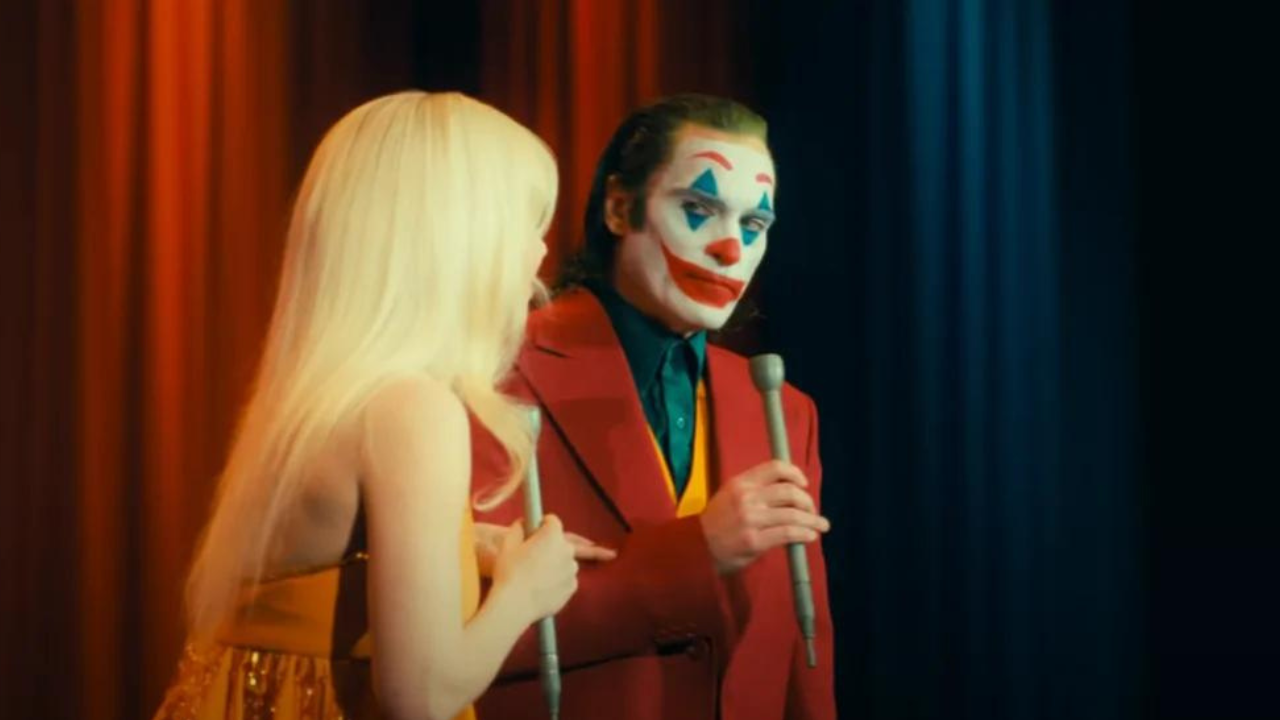
Lady Gaga as Harley Quinn and Joaquin Phoenix as Joker in Joker: Folie à Deux (2024), Warner Bros. Pictures
Just look at DC. They’ve rebooted Batman and Superman several times in a short span. They’ve wasted hundreds of millions on failed rollouts, canned completed films (Batgirl), and shuffled through studio chiefs with no cohesive strategy. Their stewardship of major franchises has been defined by confusion, reactionary pivots, and underperformance.
And now, we’re supposed to believe this company would treat Rowling’s legacy with care without her there to veto their decisions?
This Isn’t About Hate—It’s About Control
The loudest calls for Rowling to sell rarely mention her achievements. Instead, they focus on her personal views—painting her as toxic, bigoted, or out of step with modern sensibilities. But they deliberately ignore something else: Rowling is a survivor of abuse who has used her platform to speak about trauma, healing, and truth.
The core of Harry Potter—love, courage, and resistance against evil—is rooted in her lived experience.

Kenneth Branagh as Gilderoy Lockhart and Daniel Radcliffe as Harry Potter in Harry Potter and the Chamber of Secrets (2002), Warner Bros. Pictures
The same critics who demand tolerance for every identity conveniently deny that Rowling deserves any grace or nuance. They erase her history and reduce her to a caricature, all because she doesn’t parrot the talking points they’ve deemed acceptable.
This isn’t about protecting Harry Potter. It’s about punishing and abandoning its creator.
Rowling Isn’t a Conservative Hero—She’s Just Not Obedient
Here’s the irony that Hollywood and the media often ignore: J.K. Rowling isn’t some flag-waving conservative icon. She openly supports many progressive causes—women’s rights, access to healthcare, social programs, and more. Her political donations and public stances have aligned with left-leaning values for most of her career.
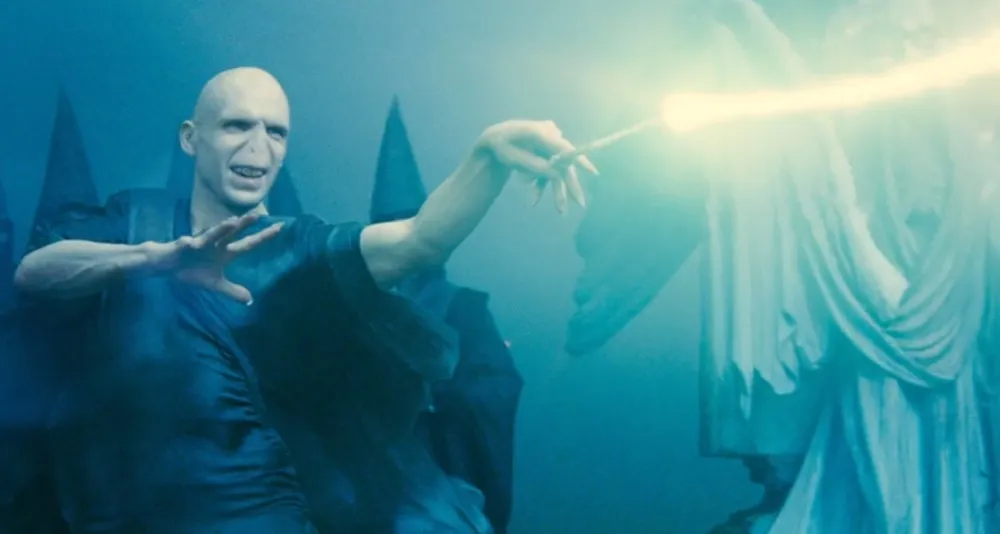
Ralph Fienes as Voldemort in Harry Potter and the Goblet of Fire (2005), Warner Bros. Pictures
But that’s not enough anymore. Because Rowling doesn’t accept the prevailing dogma on one issue—gender—she’s been cast out entirely. No matter her past activism. No matter the nuance in her arguments. No matter her own experiences as a survivor. In today’s cultural climate, disagreement equals erasure.
That’s not justice. That’s authoritarianism in a different outfit.
If Rowling Sells, the Magic Dies With the Contract
Let’s be blunt: Harry Potter doesn’t survive the same way if J.K. Rowling decides to sell it to WB. Not creatively. Not culturally. Not emotionally.
Sure, it will continue on. There are multiple theme park lands, books, video games, and 11 feature films set in the Wizarding World. And if Star Wars and Marvel have shown us anything it’s that no matter how bad it gets, big Hollywood studios will keep pushing and rebooting. So it’s not that Potter will vanish from Pop Culture without her. It’s more that Potter as we know it will be gone, replaced by the corporate IP assembly line.
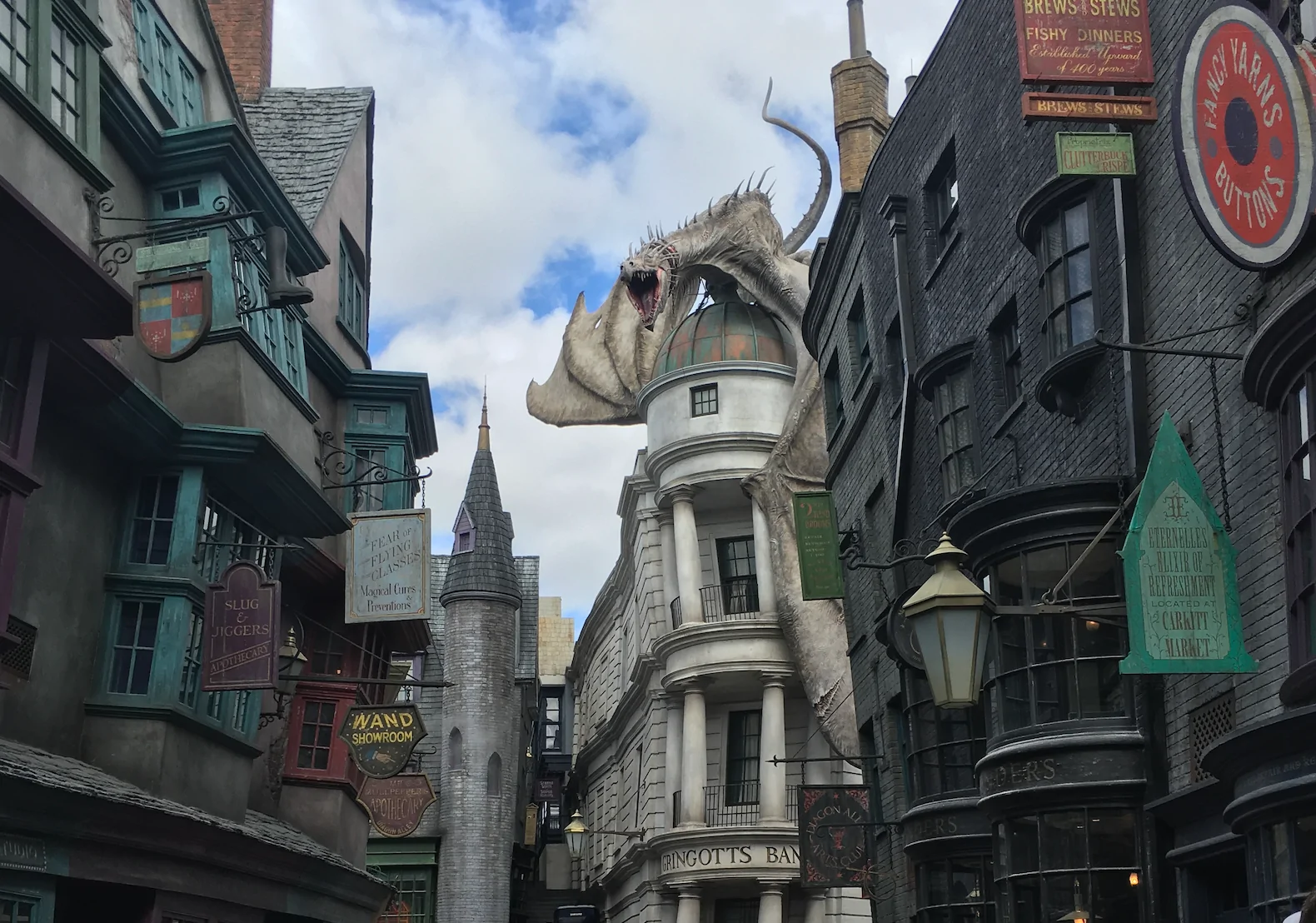
Diagon Alley in The Wizarding World of Harry Potter at Universal Studios Orlando – Photo Credit: M. Montanaro
You can license the characters, slap Hogwarts on new merch, and fill your streaming calendar with content—but it won’t resonate the same way. Because fans can tell when the vision is gone. They’ve seen it happen before.
Rowling doesn’t need the money. Forbes reported literally today that she’s a billionaire whose business has never been bigger. And she doesn’t owe anyone a sell-off. What she deserves is the right to keep telling the stories she built—without being exiled for thought crimes.

J.K. Rowling via misshef YouTube
Warner Bros. may be circling the franchise, but fans should be wary. Because once the creator is gone, what’s left might still look like Harry Potter on the surface—but if Rowling were to sell Harry Potter the magic won’t be real. It’ll just be a brand with a familiar name, run by executives who care more about social trends than storytelling.
If the Star Wars debacle has shown us anything it’s that when you remove the power of one, you suffer through the power of many.
Do you think J.K. Rowling will sell Harry Potter? Sound off in the comments and let us know!
