


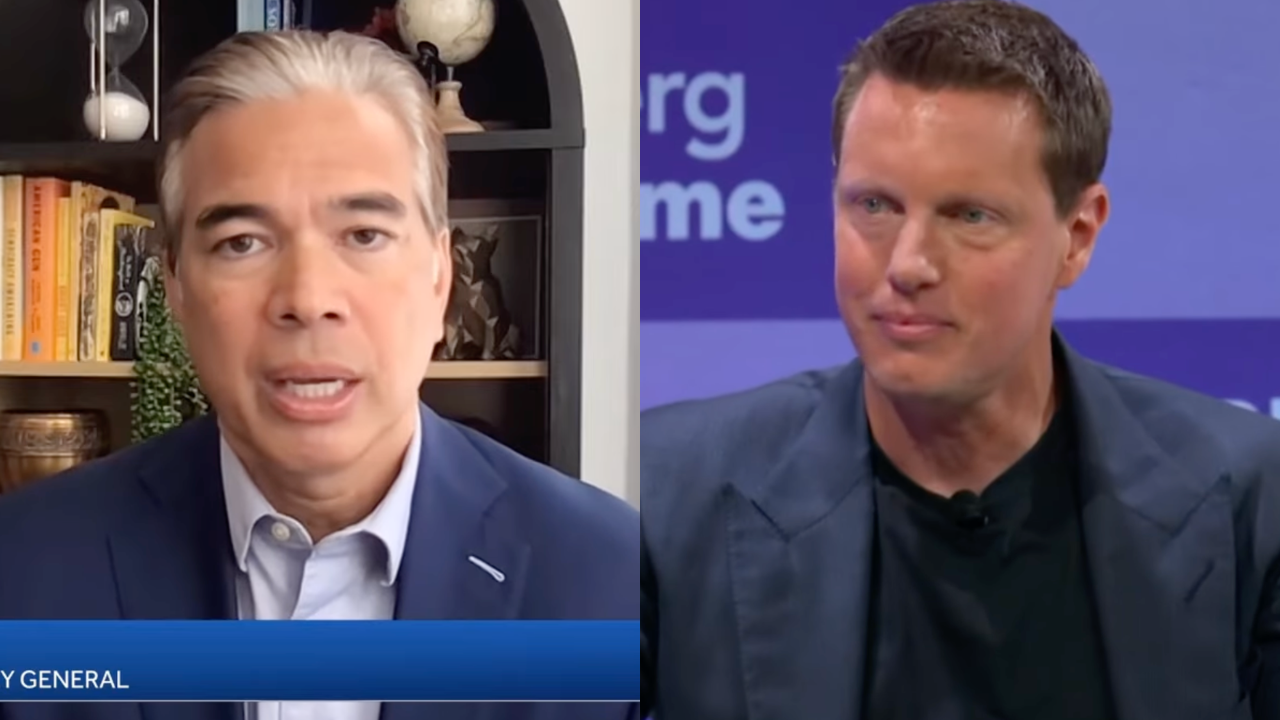
The legal war waged by California AG Rob Bonta that’s holding up Paramount Skydance’s massive acquisition of Warner Bros. Discovery may finally be moving back toward the negotiating table.
Paramount and California Attorney General Rob Bonta’s office have been ordered to sit down for two consecutive days of in-person settlement discussions at the end of October, potentially reopening a path toward resolving the antitrust lawsuit currently preventing David Ellison’s $111 billion Warner Bros. takeover from closing.
According to The Hollywood Reporter, U.S. Magistrate Judge Thomas S. Hixson directed attorneys for the two sides Friday to determine which two consecutive days at the end of October will work for an in-person settlement conference.
The parties have until September 15 to provide those dates.
That does not mean a settlement is imminent. But after negotiations spectacularly collapsed last month, simply getting Paramount and Bonta’s office back into the same room represents a potentially important development in a battle that is becoming increasingly expensive for Paramount — and increasingly politically complicated for California.
Settlement Talks Are Back From The Dead
The situation looked considerably worse just a few weeks ago.
Bonta abruptly canceled a planned mediation session in August, accusing Paramount of leaking and misrepresenting confidential information from preliminary settlement discussions.
“Not only did Paramount leak the alleged substance of the settlement discussions, but they misrepresented these discussions, demonstrating a lack of good faith,” Bonta said at the time.
Paramount denied being responsible for the leaks and maintained that it remained prepared to negotiate.

Logos for Paramount Skydance and Warner Bros. – Paramount, WB
READ: Marvel Casts Another Major X-Men Team Member
Bonta subsequently said he was still willing to talk if Paramount stopped “playing games,” meaning the door to a settlement was never completely closed.
Now a federal magistrate is putting both sides back at the table.
According to THR, the October meeting will be introductory, so there is no guarantee the conference produces substantive progress. The fundamental disagreement between the two sides also remains considerable.
Bonta has insisted that resolving California’s antitrust concerns will require structural remedies, which generally means divesting assets from the combined Paramount-Warner Bros. company.
Paramount, meanwhile, has emphasized behavioral commitments, including its pledge to release at least 30 movies annually with theatrical windows of at least 45 days.
That difference is enormous. There is a considerable gulf between promising how a combined company will operate and agreeing to actually sell pieces of it.
Paramount’s Financial Clock Is Ticking
Paramount also has a very expensive reason to want this resolved sooner rather than later.
Beginning October 1, the company is scheduled to start accumulating a roughly $7 million-per-day ticking fee payable to Warner Bros. Discovery shareholders while the transaction remains unclosed.
That means the fee will already have been accumulating for nearly a month by the time the parties meet at the end of October.
Paramount recently asked the federal court to require the states and Writers Guild of America to post a $1.88 billion bond, arguing that the plaintiffs should bear the financial consequences of delaying the merger if their lawsuits ultimately fail.
Paramount Pictures Logo – YouTube, ClosingLogosHD
The company says it has satisfied all closing conditions and received regulatory clearance in 69 jurisdictions. The lawsuits brought by the coalition of state attorneys general and the WGA are now the remaining obstacles standing between Paramount and Warner Bros.
The states see the situation very differently.
Bonta’s office has argued that Paramount voluntarily entered into an agreement containing the ticking fee and should not be allowed to transfer the financial risk of its own merger agreement onto the plaintiffs challenging the transaction.
A hearing on Paramount’s bond request is scheduled for September 24.
Pressure On California Continues To Grow
Bonta is also increasingly isolated from some powerful figures in his own state when it comes to whether the case should be settled.
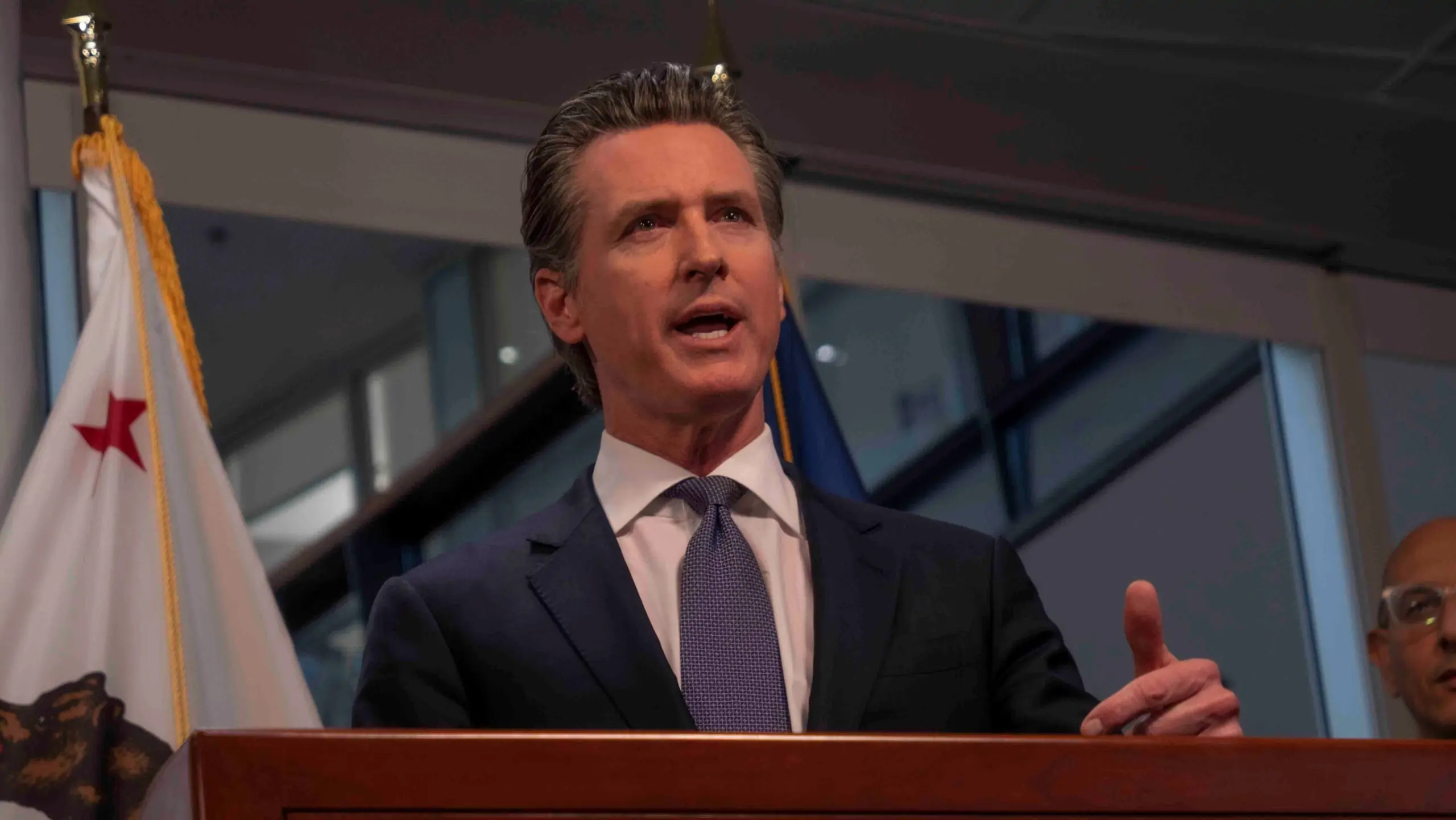
California Gov. Gavin Newsom, Los Angeles Mayor Karen Bass, and Democratic gubernatorial nominee Xavier Becerra have all expressed support for resolving the dispute rather than allowing it to drag through a lengthy trial.
The Directors Guild of America and IATSE have also urged Bonta to pursue a settlement, although their support comes with conditions including maintaining separate film studios, preserving 45-day theatrical windows, and honoring Paramount’s commitment to increased theatrical output.
Gavin Newsom giving a speech – Office of the Governor of California, Public domain, via Wikimedia Commons
READ: Gorilla Grodd Set Photos and Videos Show a Truly Bizarre Next Installment for James Gunn’s DCU
Paramount has applied pressure of its own.
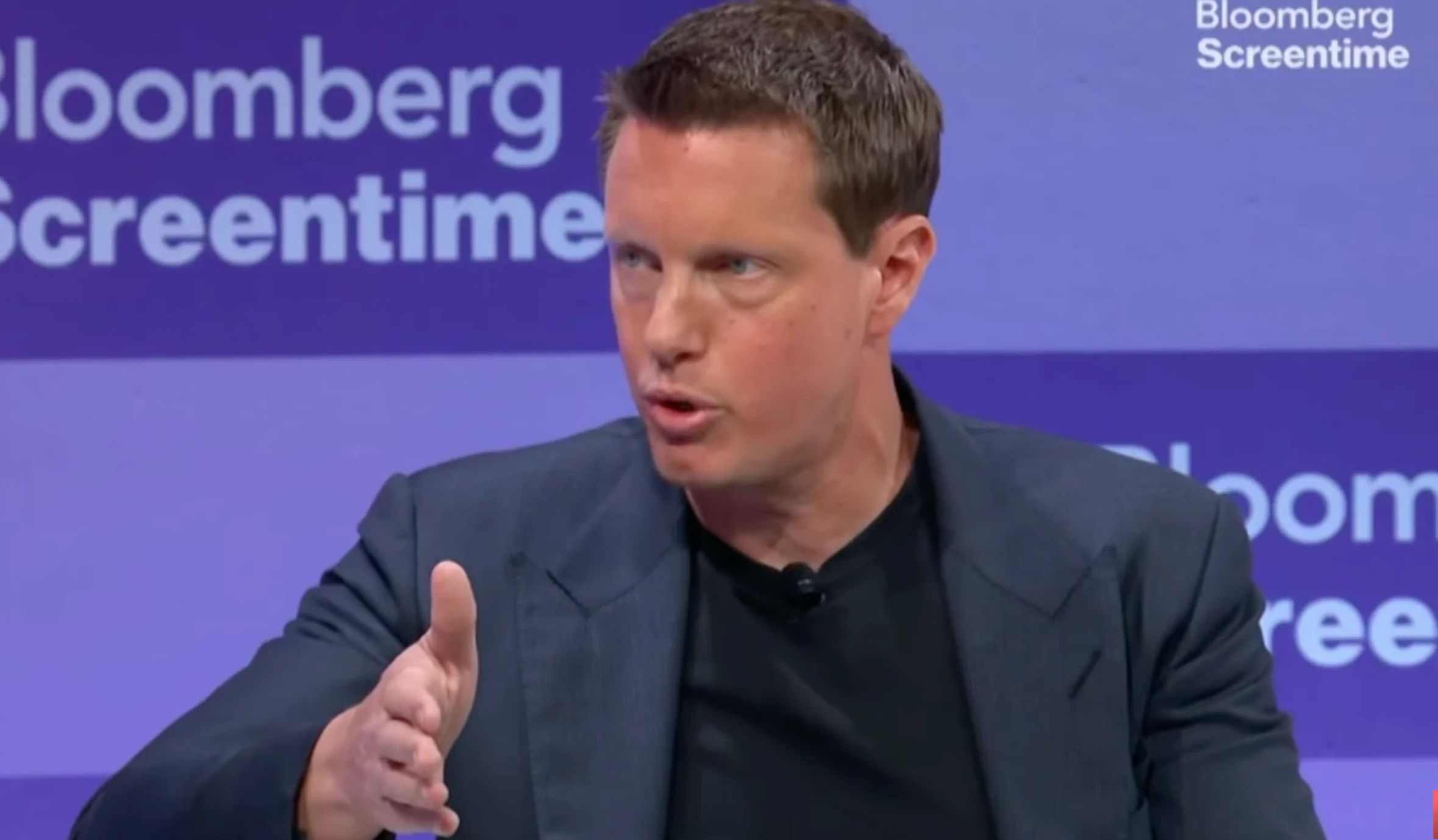
Ellison has reportedly prepared plans to begin moving Paramount operations out of California if the dispute remains unresolved, potentially shifting jobs and investment to states including Texas, Tennessee, or Georgia.
That threat carries considerably more weight at a time when California’s entertainment industry is already struggling with runaway production and job losses.
The March Trial Still Looms
None of this means Bonta is preparing to surrender.
California leads a coalition of 12 Democrat-led states seeking to block the merger, arguing that combining Paramount and Warner Bros. Discovery would reduce competition across theatrical distribution and basic cable television.
The California Attorney General’s office has argued that the combination could result in higher prices, fewer choices, and lower content output.
Paramount argues almost exactly the opposite: that combining the companies will create a stronger competitor capable of challenging streaming giants like Netflix, Amazon, and Disney while increasing theatrical output.
Unless the two sides reach an agreement, the dispute is scheduled to go to trial on March 2, 2027.
David Ellison in an interview with Bloomberg – YouTube, Bloomberg Podcasts
That leaves Paramount facing an increasingly unpleasant calculation.
The longer the case continues, the larger its ticking-fee bill becomes. But agreeing to major structural concessions could fundamentally change the Warner Bros. transaction Ellison spent billions putting together in the first place.
California has its own calculation to make.
Bonta can continue pursuing a case he believes is necessary to protect competition, but he’s doing so while some of California’s most prominent Democratic leaders and major Hollywood labor organizations are openly calling for a negotiated resolution — and while Paramount threatens to take jobs out of the state.
For the first time since last month’s spectacular collapse in negotiations, both sides are officially heading back to the table.
Whether they actually have anything they’re willing to give each other remains the $111 billion question.
Do you think Bonta and Paramount will come to an agreement? Sound off and let us know!
