


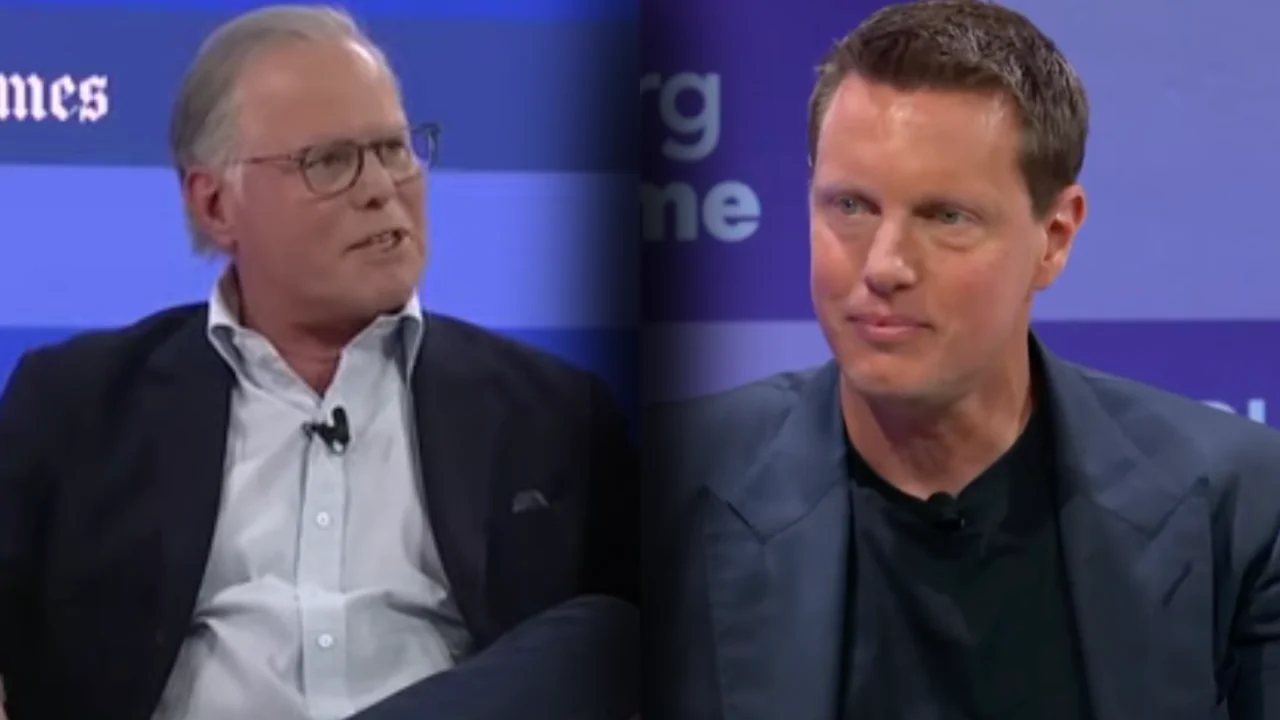
The battle for Warner Bros. just escalated again, with Paramount Skydance formally extending the deadline on its hostile takeover bid, signaling that David Ellison has no intention of backing down—despite repeated rejections from WBD’s board and an increasingly entrenched rival deal with Netflix.
Paramount Skydance announced that it has extended the expiration date of its all-cash tender offer for Warner Bros. Discovery shares to February 20, 2026. The original deadline expired earlier this week. The extension keeps alive a $30-per-share cash bid that Paramount continues to argue is superior to Netflix’s competing acquisition of Warner Bros. Discovery’s studio and streaming assets.
At the center of the dispute is not just price, but certainty, transparency, and how Warner Bros. Discovery is valuing its planned corporate restructuring.
Paramount’s Case: Cash, Certainty, and Shareholder Pressure
Paramount Skydance is framing its offer as both higher and more reliable than Netflix’s deal, emphasizing that its proposal values Warner Bros. Discovery at an enterprise value exceeding $108 billion. By contrast, Paramount has repeatedly criticized Netflix’s transaction as relying on assumptions about future value—particularly tied to the planned spinoff of Discovery Global.
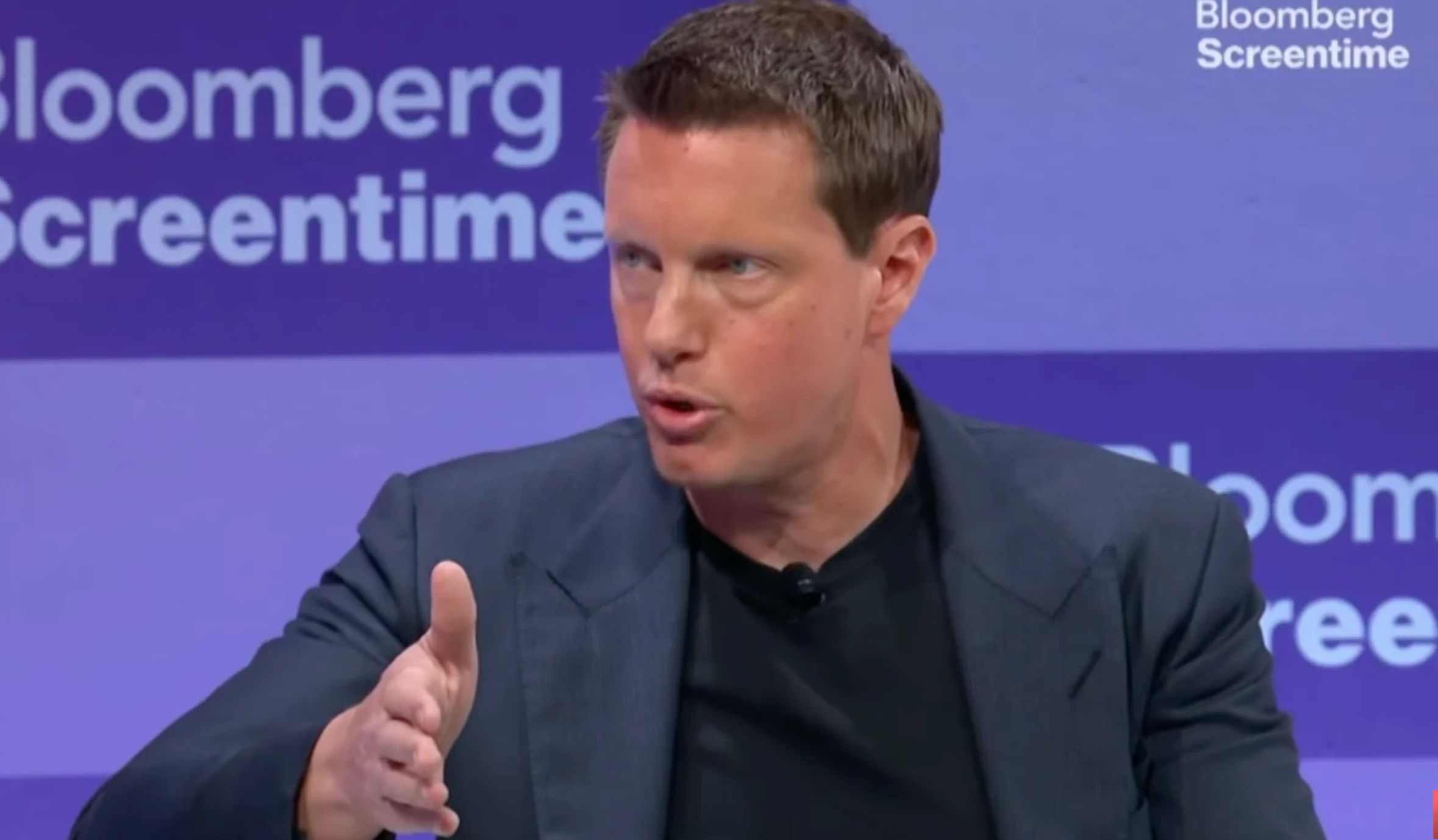
David Ellison in an interview with Bloomberg – YouTube, Bloomberg Podcasts
In connection with the extended deadline, Paramount has also filed preliminary proxy materials with the SEC, urging Warner Bros. Discovery shareholders to vote against the Netflix transaction at an expected special shareholder meeting later this spring. That move signals Paramount’s strategy has shifted beyond boardroom negotiations and directly toward shareholder influence.
From Paramount’s perspective, the issue is simple: shareholders are being asked to approve a major transaction without full clarity on how much debt will be assigned to Discovery Global, or how much that spinoff will ultimately be worth once separated from Warner Bros.’ core film, television, and streaming operations.
Warner Bros. Discovery Pushes Back—Hard
Warner Bros. Discovery has shown little patience for the renewed push. The company has publicly stated that more than 93% of its shareholders have already rejected Paramount’s bid, describing it as inferior and reiterating that its board has unanimously approved the Netflix agreement.
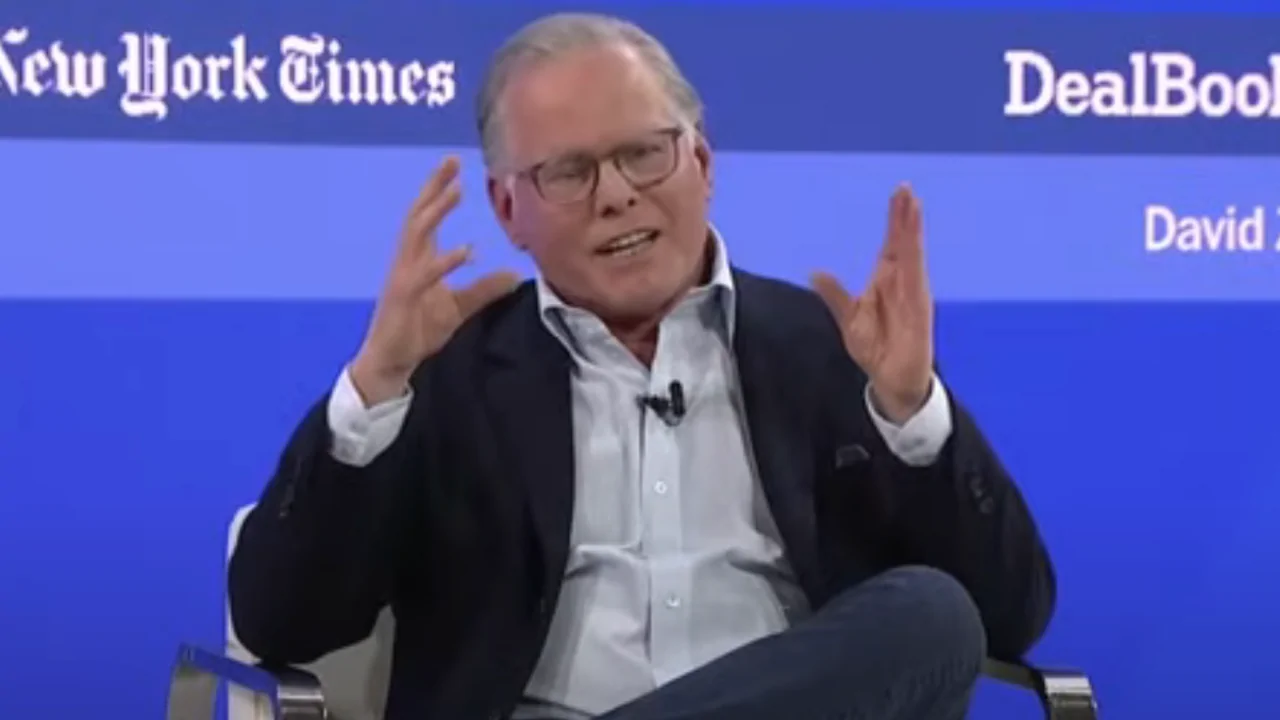
WBD CEO David Zaslav Speaks at a New York Times event – YouTube, New York Times Events
That Netflix deal—recently amended to an all-cash structure—covers Warner Bros. Discovery’s studio and streaming assets, including HBO Max, while leaving Discovery Global as a separate entity. Netflix’s revised offer was widely interpreted as a direct response to Paramount’s primary talking point: that Paramount’s offer was stronger because it was entirely cash-based.
Despite that revision, Paramount argues that the Netflix transaction still exposes shareholders to risk by relying on the assumed future value of Discovery Global, particularly given questions surrounding debt allocation and long-term profitability.
Discovery Global Valuation Becomes the Flashpoint
Much of the Paramount Warner Bros. conflict now hinges on Discovery Global.
Warner Bros. Discovery has released financial projections and valuation ranges suggesting Discovery Global could be worth several dollars per share, depending on analysis methods. Paramount disputes those assumptions, arguing that internal analyses cited by WBD advisers show significantly lower valuation scenarios—and that the ultimate debt burden assigned to Discovery Global could materially reduce the value shareholders receive under the Netflix deal.
A graphic showing the Netflix and Warner Bros. Logos – Netflix
Paramount has also taken legal action, suing Warner Bros. Discovery’s board earlier this month in an effort to compel greater financial disclosure related to the spinoff. While WBD has since released additional information through SEC filings, Paramount maintains that key details remain unresolved ahead of the shareholder vote.
Regulatory Risk Looms Over Netflix Deal
Another front in the dispute is regulatory scrutiny, particularly overseas.
Paramount Skydance has repeatedly argued that Netflix’s acquisition of Warner Bros.’ studios and HBO Max would face heightened antitrust concerns in Europe, where Netflix already dominates the subscription streaming market. Paramount claims the deal could further consolidate market power, reduce competition, and harm creators and exhibitors.
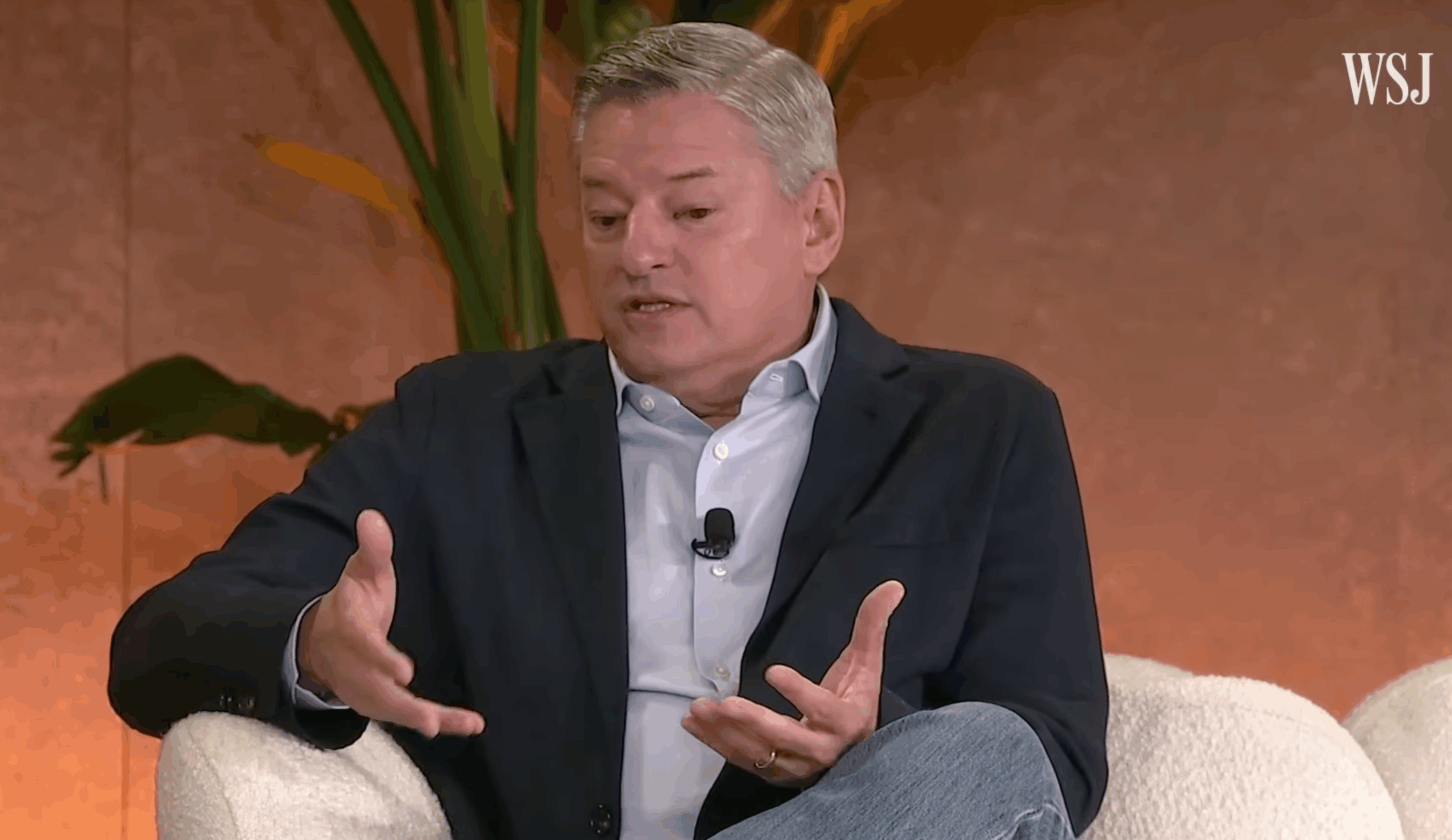
Netflix Co-CEO Ted Sarandos – YouTube, WSJ News
Netflix, for its part, has expressed confidence that the transaction will clear regulators, pointing to overall viewing share data and arguing that competition from platforms like YouTube and traditional broadcasters remains strong.
What Happens Next
With Paramount extending its deadline, the standoff is far from over. The next major milestone will be Warner Bros. Discovery’s special shareholder meeting, where investors will decide whether to approve the Netflix transaction—or side with Paramount’s all-cash alternative.
For now, Warner Bros. Discovery’s board appears firmly aligned with Netflix. But Paramount’s willingness to extend its bid, escalate its legal strategy, and take its case directly to shareholders suggests the Paramount Warner Bros. battle is entering its most consequential phase yet.
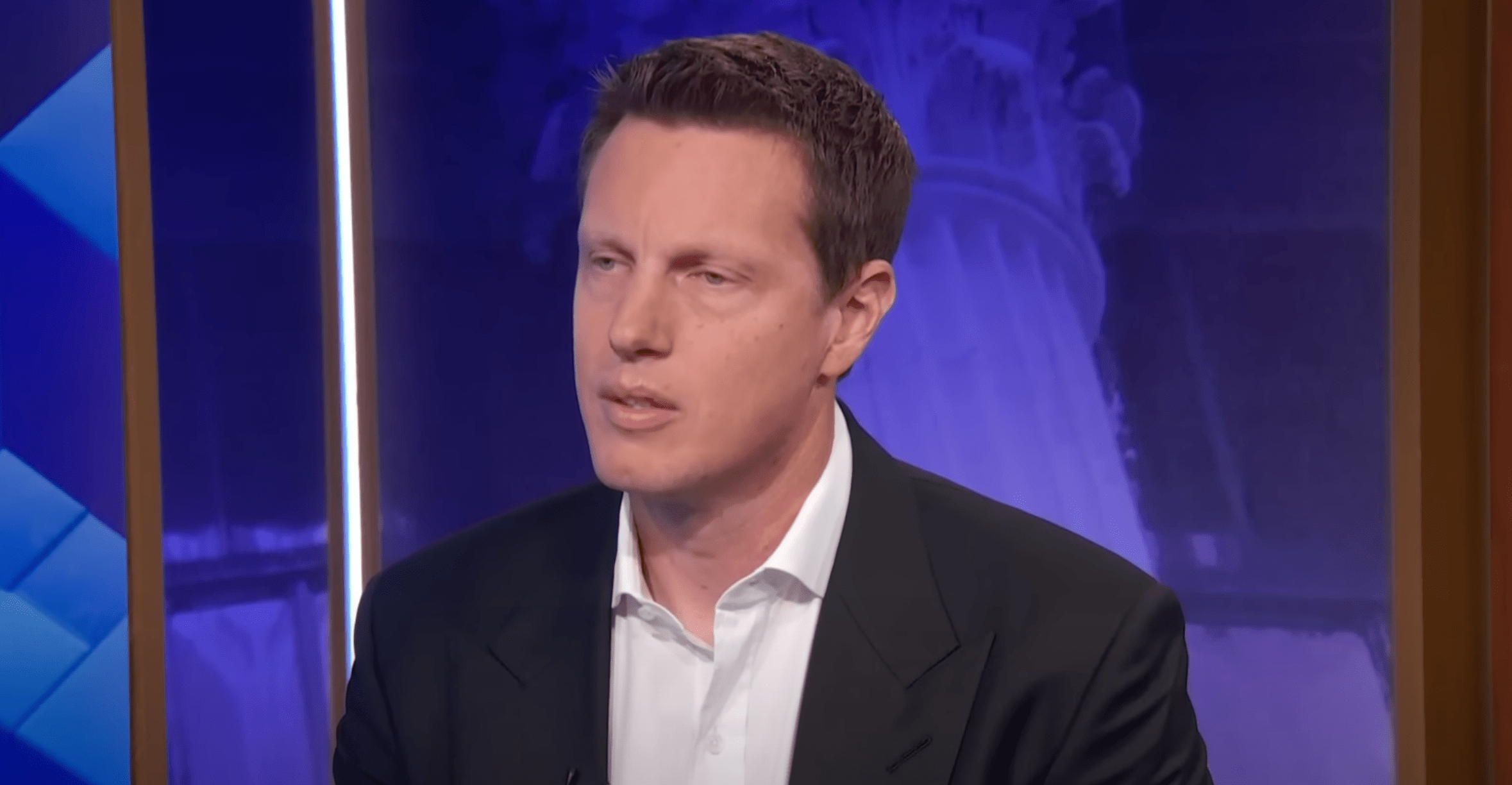
Paramount Skydance CEO David Ellison being interviewed – YouTube, CNBC Television
Whether this ends with Netflix securing one of Hollywood’s most iconic studios—or with a dramatic late-stage reversal driven by shareholder pressure—remains an open question.
One thing is clear: this corporate fight is no longer theoretical. It’s active, public, and increasingly high-stakes.
Do you think Paramount will ultimately gain control of Warner Bros.? Sound off in the comments and let us know!
UP NEXT: James Cameron Blasts America: Hollywood Billionaire Trashes the Nation That Made Him Rich
