


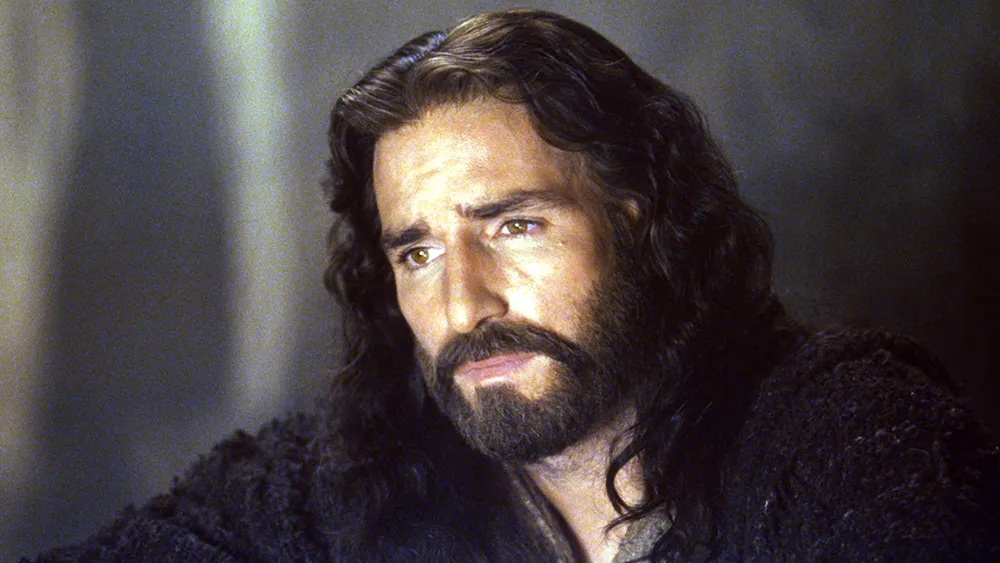
Mel Gibson revealed the upcoming sequel to The Passion of Christ may not be in the original languages of Aramaic, Hebrew, and Latin—instead, both parts of The Resurrection of the Christ will be in English.
The decision to use English appears to aim at broader accessibility so audiences will more easily understand its complex narrative. Notably, this may affect the immersive feel the original film had using its historical languages.
Background and Development
The 2004 film The Passion of the Christ, directed by Mel Gibson, depicted the final hours of Jesus Christ’s life and used the ancient languages Aramaic, Hebrew and Latin with subtitles. Its use of non-vernacular dialogue was widely noted.
A long-gestating sequel, titled The Resurrection of the Christ, is set to be released in two parts in 2027 in English. The first part is scheduled for Good Friday, March 26 2027, and the second for Ascension Day, May 6 2027.
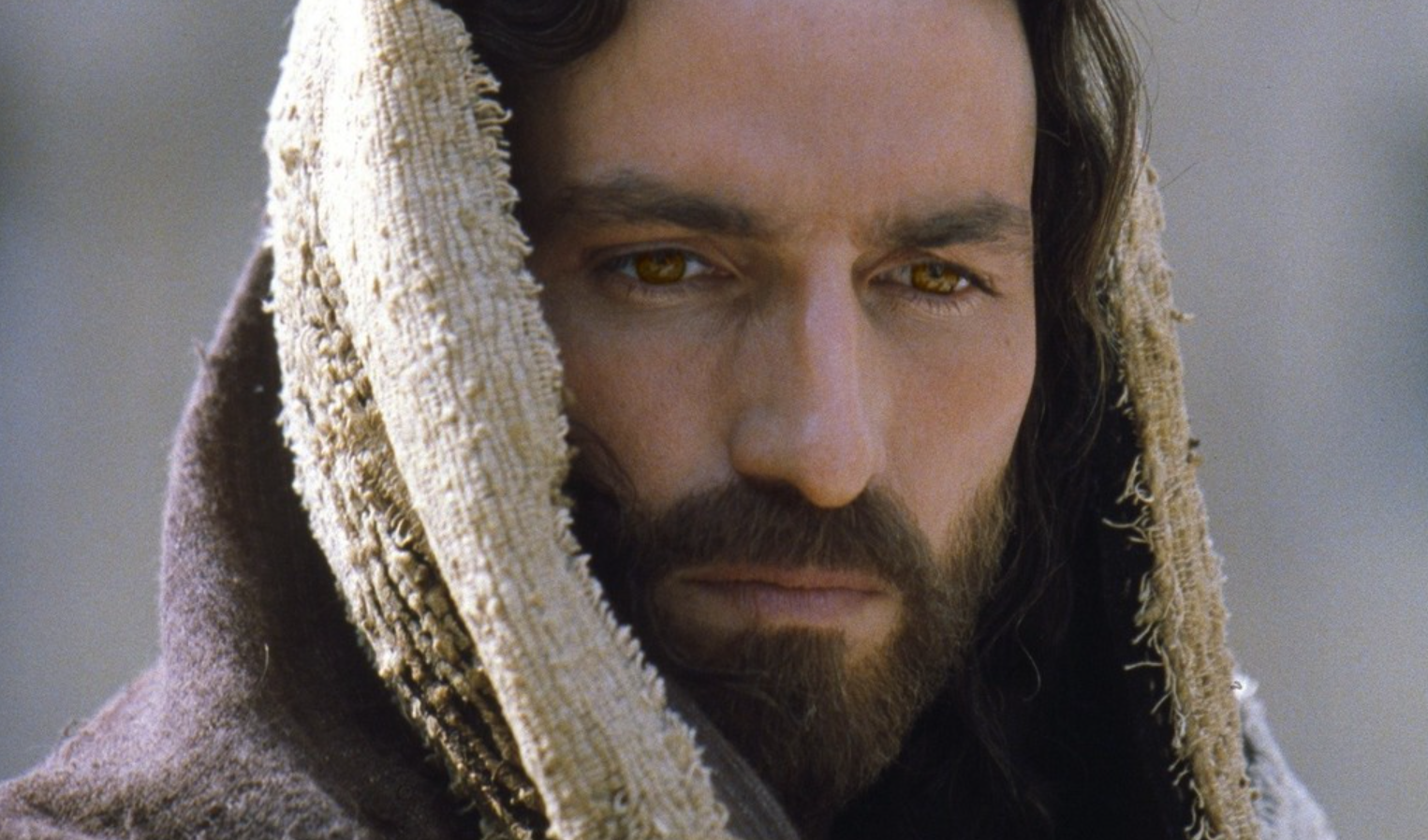
Jesus in The Passion of The Christ – Netflix
Production is being handled by Gibson’s company Icon Productions in partnership with distributor Lionsgate.
Filming began at Italy’s Cinecittà Studios in Rome in August of this year, with location shooting planned in southern Italy (including Matera).
Why a Language Departure?
Gibson has spoken about the complex nature of the story and the need for a different approach. On his podcast appearance he described the script as “an acid trip,” referring to its metaphysical and expansive scope. This “super ambitious” project includes Christ’s descent into hell as well as battles between angels and demons.

Jesus carrying the cross in The Passion of The Christ – Netflix
The change to English for this Passion of The Christ sequel appears to reflect a desire to reach a wider audience and reduce language-based barriers to comprehension.
Budget
The budget for each film with their cosmic battles is $100 million, for a grand total of $200 million. That’s an unusually high number for independent studios.
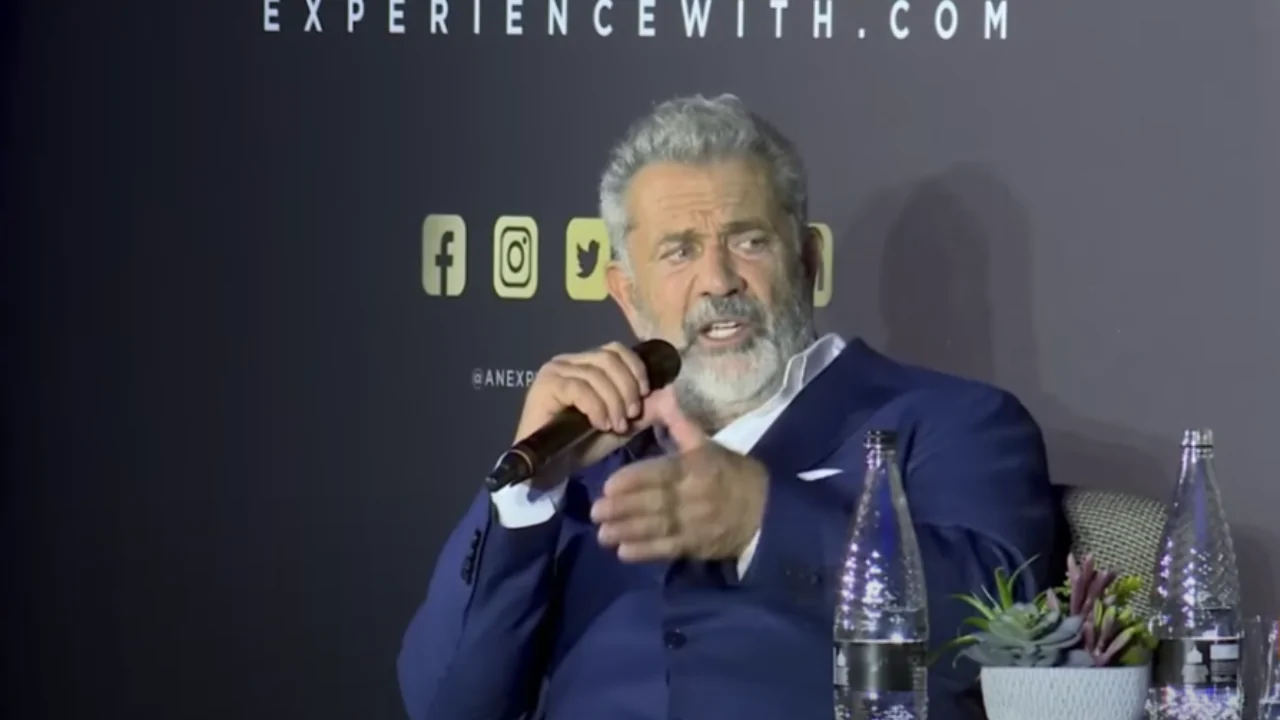
Mel Gibson via Inspire Me Podcast / An Experience With YouTube
READ: Sydney Sweeney Won’t Apologize for American Eagle Ad: Refuses to Take The Bait in Interview
For perspective, the original film had a budget of only $30 million. However, despite its low budget, it became the highest grossing R-rated film for 20 years, making $610 million globally.
Mel Gibson personally funded the film through Icon Productions. Major studios refused to fund the project due to its risky creative choices in subject matter, violence, and use of the historical languages.
Casting Changes
Casting for The Resurrection of the Christ marks a notable shift from the original 2004 film.
Finnish actor Jaakko Ohtonen replaces Jim Caviezel as Jesus. Mariela Garriga will portray Mary Magdalene, a role previously played by Monica Bellucci. Reports suggest the recasting reflects both the time gap since the original production and the creative direction of the new film.
Conclusion
The upcoming sequel to The Passion of the Christ, titled The Resurrection of the Christ being in English marks a clear departure from the original’s language strategy.
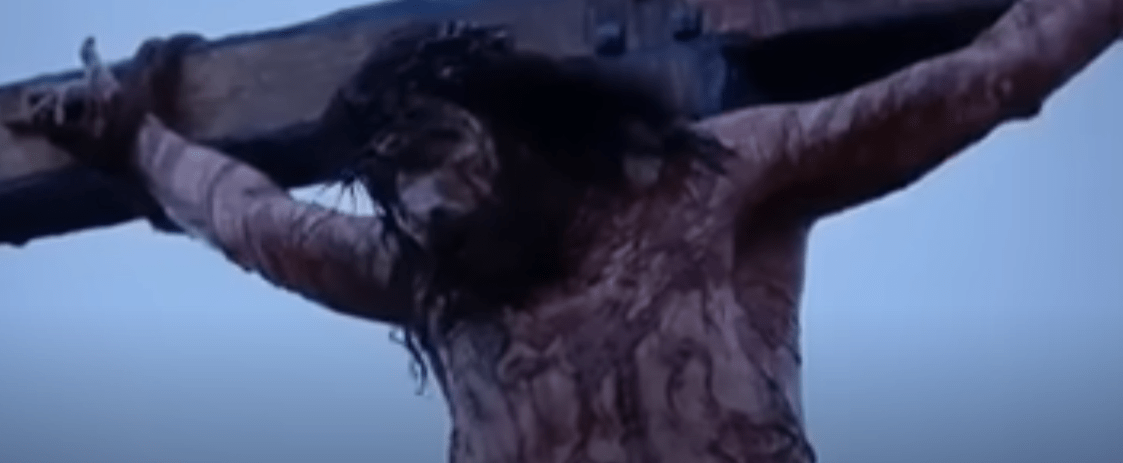
Jim Caviezel as Jesus Christ in The Passion of the Christ (2004), Icon Productions
By opting for English dialogue and a two-part release in 2027, the filmmakers signal a different set of priorities—broader accessibility, a more expansive story, and possibly a distinct tone. The changes raise questions about how the film will balance historical/language authenticity with audience reach, and the ultimate version will only be clear once the production is released.
What do you think of the language change to upcoming sequel?Let us know your thoughts in the comments below.
UP NEXT: Zack Snyder Fuels Speculation of Snyderverse Return With New Henry Cavill Post
