



Filmmaker Spike Jonze recently declared that Pedro Pascal is “what we want in masculinity.”
That statement isn’t just a compliment from a director to an actor. It’s a declaration of Hollywood’s new agenda. The traditional male archetypes that once defined the big screen—John Wayne, Chuck Norris, Stallone, Schwarzenegger—have been traded in for thigh-high boots, designer crop tops, and tear-streaked monologues about personal trauma.
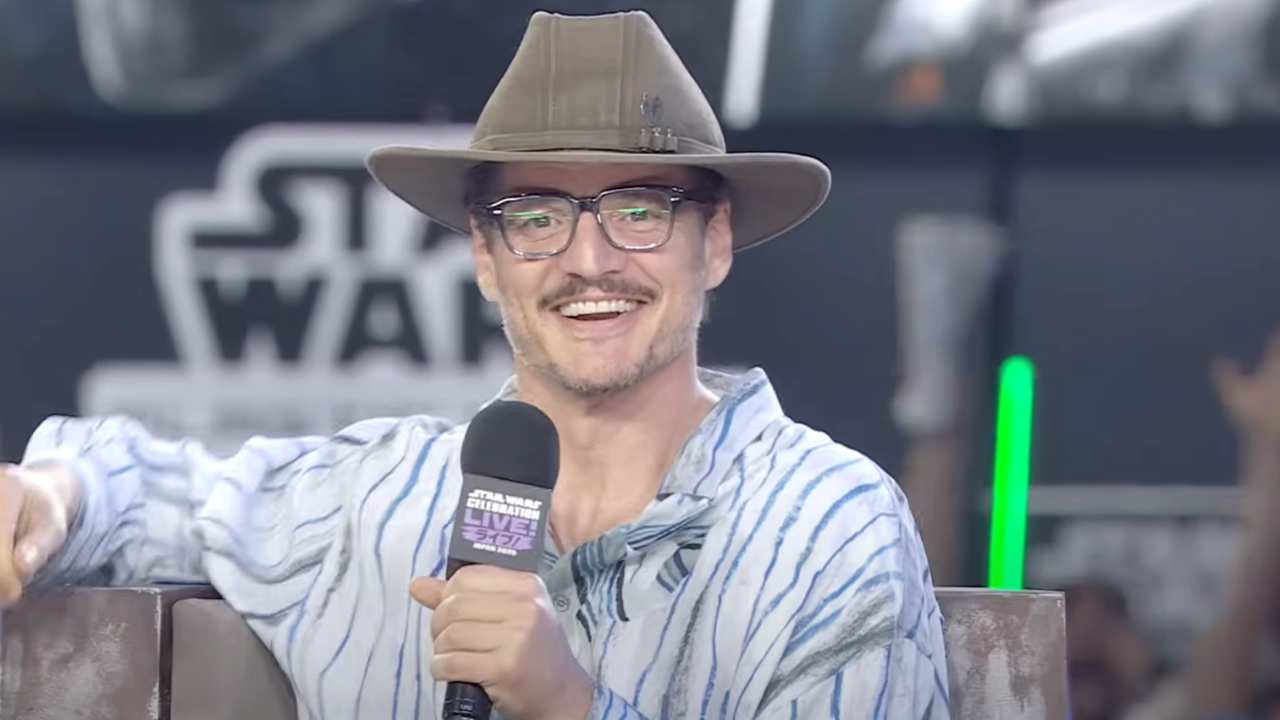
Pedro Pascal at Star Wars Celebration – YouTube, Star Wars
Pedro Pascal didn’t just happen to become famous—he was chosen. Propped up. Marketed. And now he’s the face of a cultural overhaul.
From Warrior to Wardrobe
Jonze’s praise comes at a time when Pascal’s image has become inseparable from his fashion statements.
Whether it’s Saint Laurent thigh-high boots on the red carpet, a lipstick-red Valentino suit at the Met Gala, or a pantsless Prada spread in Vanity Fair, the message is clear: masculinity isn’t about strength in Hollywood, it’s about style.
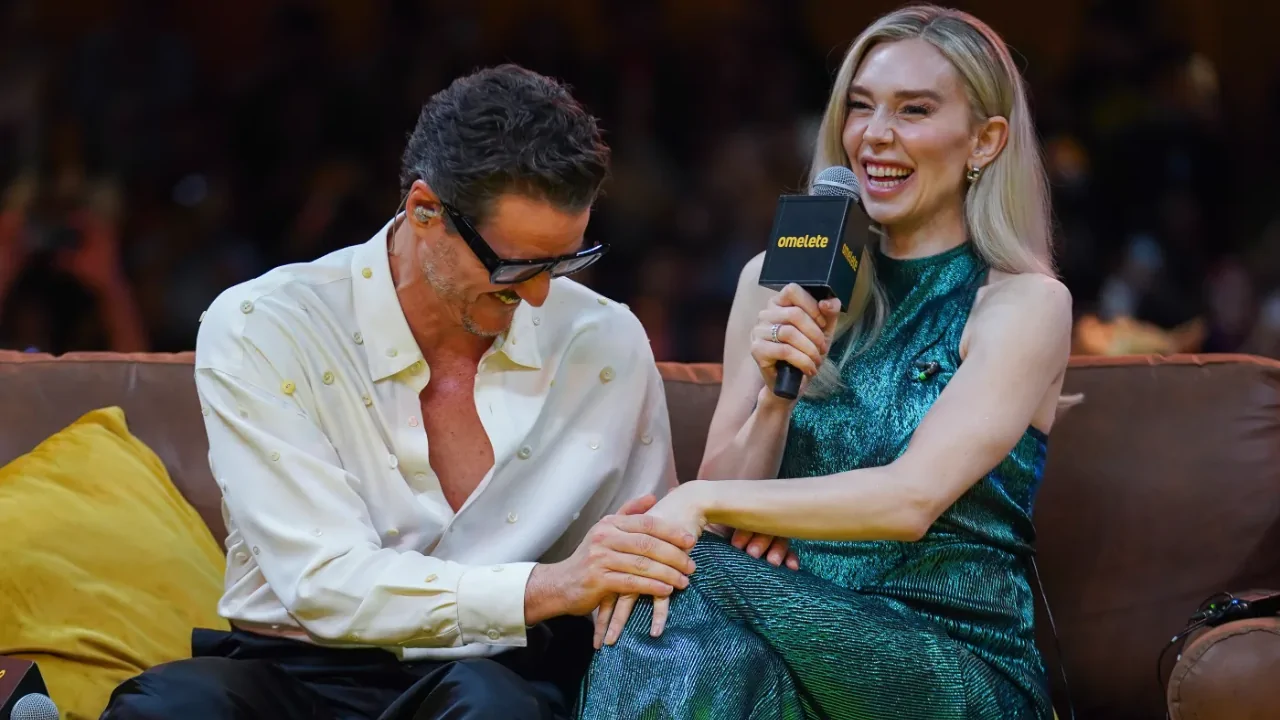
Pedro Pascal and Vanessa Kirby – YouTube, omeleteve
It’s about presentation over protection, and flamboyance over fortitude.
This isn’t a natural evolution. It’s a deliberate, manufactured shift designed to rewire cultural expectations. And Pedro Pascal is the delivery system.
The Currency of Fragility
Pascal is not portrayed as a strong man—he’s sold as a fragile one. The media swoons over how “he cries easily,” how “he laughs loudly,” how “his insides are on his outsides.” This is now considered aspirational.
His “masculinity” is not something you can rely on—but something you’re meant to comfort.
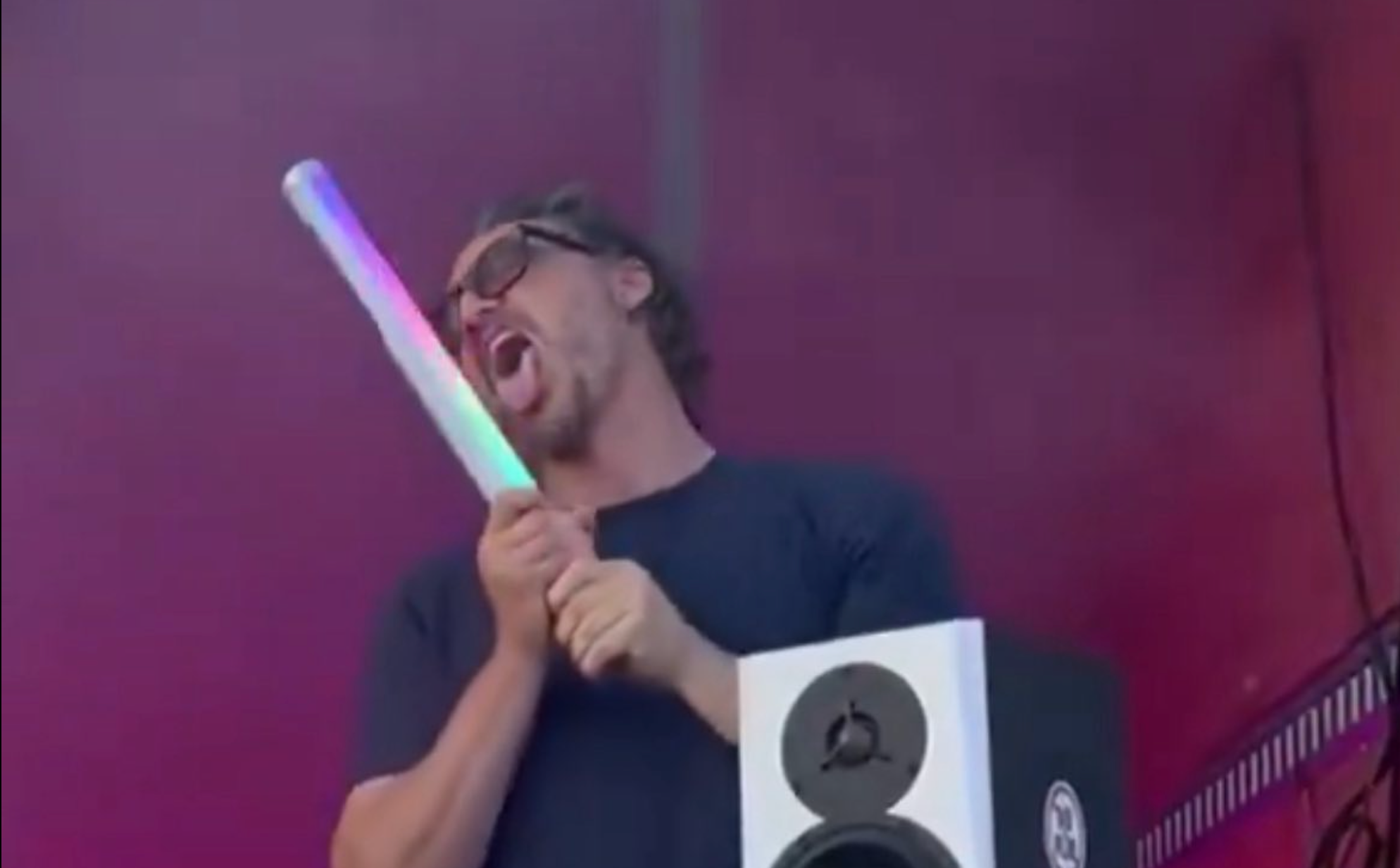
A screenshot of Pedro Pascal dancing suggestively with a rainbow colored rod suggestively at an event – X, @pascalarchive
In viral clips, he throws his body around dancing to Devo’s “Whip It,” grinning and flailing with exaggerated energy onstage at the SNL 50th concert—another viral moment where fans fawned over his emotional openness and playful femininity.
He’s seen at the Last of Us wrap party licking rainbow-colored props and dancing about while fans cheer. In photo shoots, he strips down to underwear. And when fans obsessively call him “Daddy,” he responds on camera by saying, “Yeah, I’m your cool, sl***y Daddy.”
This is Hollywood’s redefinition of masculinity in a single sentence.
Affection as Identity
Pascal’s image is drenched in performative intimacy. His frequent public cuddling with Oscar Isaac, hand-holding with Vanessa Kirby at Comic-Con, and emotionally charged interviews are all part of the script.
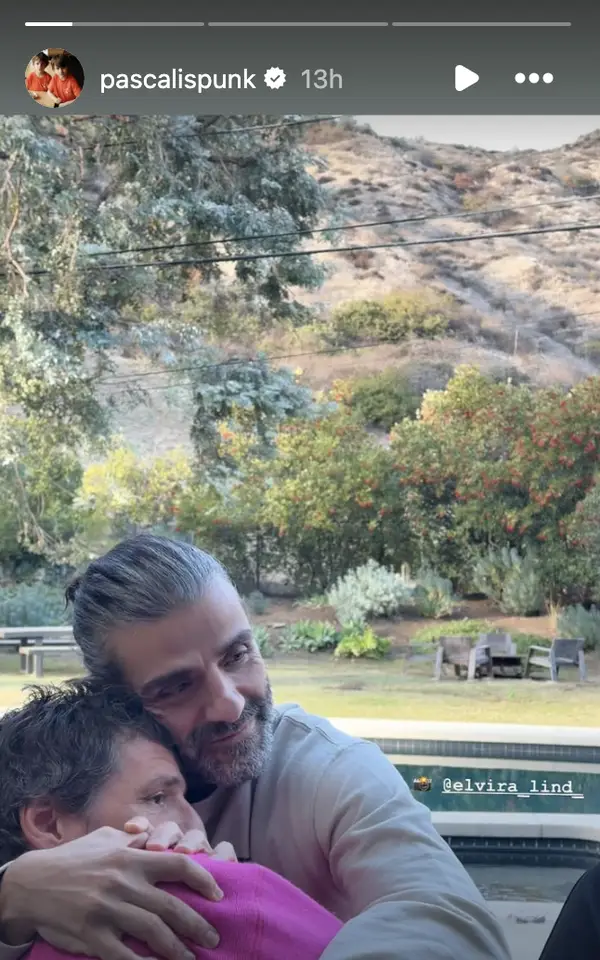
Pedro Pascal and Oscar Isaac snuggle together in an Instagram post – Instagram, @pascalispunk
The point isn’t that men can be emotional. They can and there’s nothing wrong with it. The point here, however, is that this is now the only form of masculinity the industry allows is feminized. If you aren’t emotionally naked, politically charged, and willing to wear thigh-highs, you’re not welcome.
Political Alignment Required (Of Course)
Pascal’s rise isn’t just about fashion or feelings—it’s about message discipline.
He proudly posts about Gaza. He wears activist slogans. He associates half the country with evil regimes of the past (while Gina Carano, his Mandalorian co-star got fired for much less).
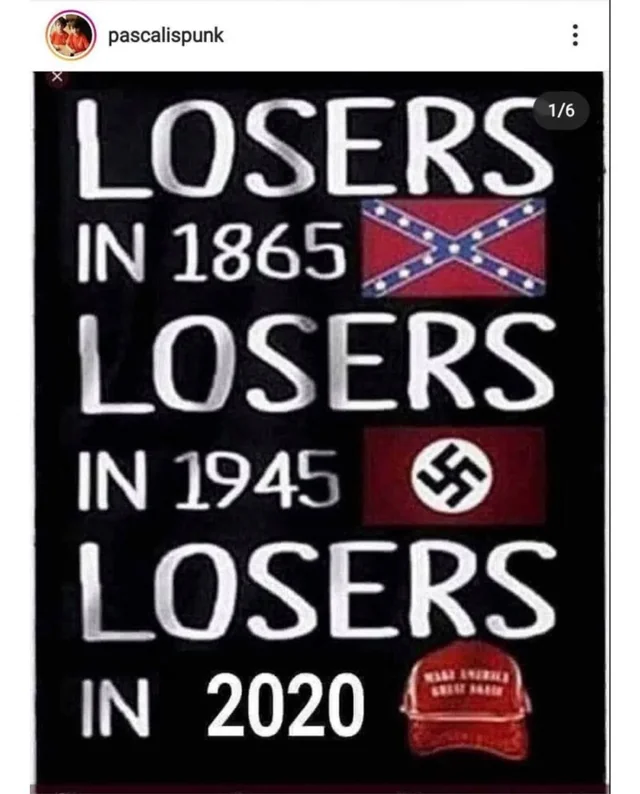
A post shared by Pedro Pascal around the time Gina Carano was fired. Pascal suffered no blowback or consequences for it – Instagram
He called J.K. Rowling (an abuse survivor) a “heinous loser” for standing up for women’s spaces.
That wasn’t a lapse in judgment. It was a flex. A declaration that he’s on the right side of Hollywood’s culture war.
And because of that, the rules don’t apply to him. He can mock, insult, and condescend—and it’s spun as charming. The same behavior that would destroy a traditional actor’s career (Again, Gina Carano, anyone?) is praised when it comes wrapped in the right politics.
Conclusion: Pedro Pascal is Manufactured Masculinity
Pedro Pascal isn’t redefining masculinity—he’s what the industry has chosen to replace it with.
The days of the protector, the stoic, the strong male lead are being scrubbed from the screen. In their place, we get vulnerability-as-fashion, submissiveness-as-strength, and carefully curated male fragility wrapped in designer brands.

Pedro Pascal on SNL – YouTube, Saturday Night Live
Spike Jonze says this is what “we” want in masculinity.
No, Spike. This is what you want us to accept. And we don’t.
How do you feel about Pedro Pascal being held up as a symbol of masculinity? Sound off in the comments and let us know!
UP NEXT: Early Superman Reactions Are In and They’re Overwhelmingly Positive
