



Niantic, the developer behind the groundbreaking augmented reality game Pokemon GO, has agreed to sell its gaming division to Scopely for $3.5 billion. This transaction encompasses popular titles such as Pokemon GO, Pikmin Bloom, and Monster Hunter Now, along with companion apps like Campfire and Wayfarer.
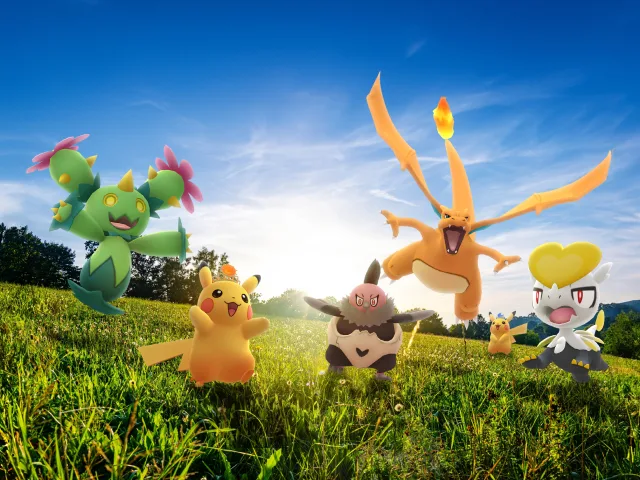
Key art for Pokémon GO (2024), Niantic
Pokemon GO, launched in 2016, quickly became a global sensation, attracting over 500 million players in its first year. Despite challenges during global lockdowns in 2020, the game maintained a strong player base, with over 30 million monthly active users contributing to more than $1 billion in revenue last year.
Scopely, known for titles like Monopoly Go!, aims to expand its reach with this acquisition, potentially accessing over 500 million players. However, Scopely’s history includes scrutiny over its monetization strategies, treatment of players, and transparency, which may be bad news for Pokemon GO players the world over.
Scopely’s Monetization Strategies
Scopely has faced criticism for its aggressive revenue-generating tactics, including the extensive use of in-app purchases and randomized reward systems, often referred to as loot boxes.
These mechanisms have raised ethical concerns, particularly when they resemble gambling-like features in games accessible to younger audiences. Around 22% of Pokemon GO players are kids.
Player Treatment and Transparency
The company’s relationship with its player base has also been contentious.
Key art for Pokémon UNITE (2021), TiMi Studio Group
READ: Stephen King Won’t Be Contributing to the Next Dark Tower Adaptation
Some players have expressed dissatisfaction with perceived unfair treatment, especially regarding game policies that seem to favor paying users over those who play for free. Additionally, a lack of transparency about game mechanics has led to distrust among certain gaming communities, with players feeling misled about in-game probabilities and features.
Legal Challenges
Scopely has been involved in legal disputes concerning its in-game purchase practices. In one notable case, a lawsuit alleged deceptive practices related to in-game purchases.
The court upheld Scopely’s terms of service, which included an arbitration clause and a waiver preventing class-action lawsuits, thereby requiring individual arbitration to resolve disputes.
Community Backlash and Petitions
In response to these concerns, players have initiated petitions urging Scopely to improve communication and address issues related to in-game purchases. Some petitions have called for broader industry regulations to limit predatory monetization tactics in mobile games, reflecting a growing demand for accountability and fairness in the gaming industry.
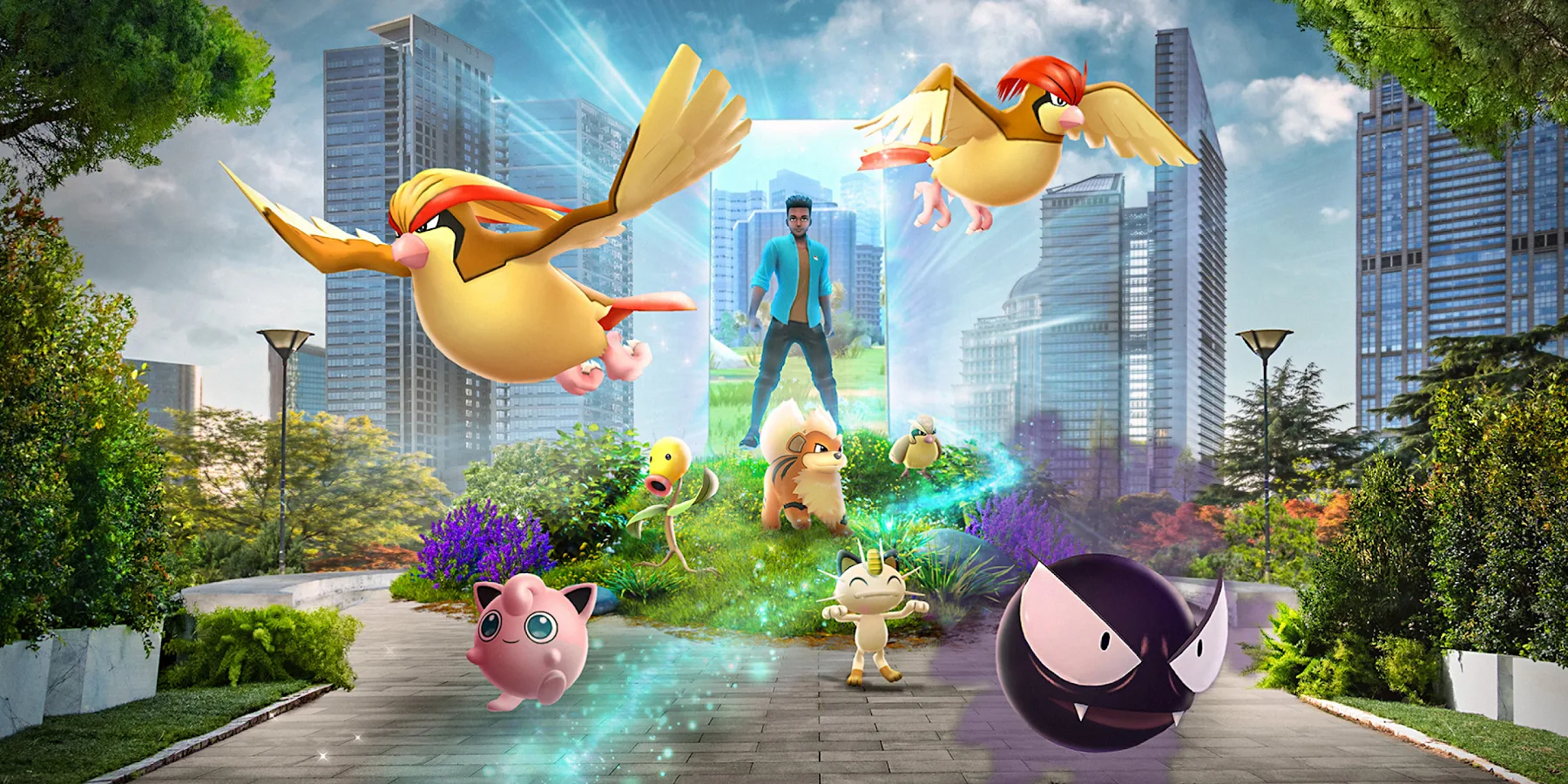
Key art for Pokémon GO (2024), Niantic
As Pokemon GO transitions under Scopely and its ownership, the gaming community is keenly observing how these past controversies might influence the game’s future development and player relations. While the acquisition offers opportunities for new features and expansions, it also raises questions about the potential impact on the beloved mobile game’s integrity and player experience.
How do you feel about Pokemon GO being sold to Scopely? Sound off in the comments and let us know!
