


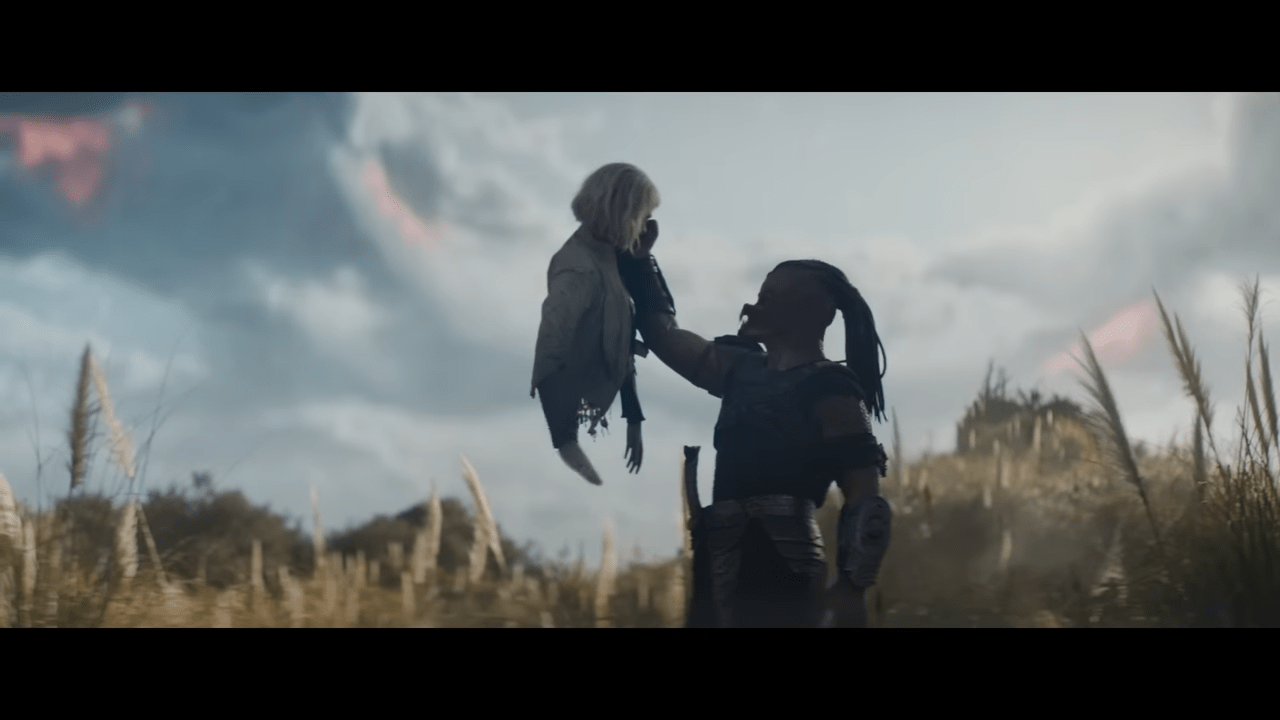
The U.K.’s Advertising Standards Authority (ASA) has censured The Walt Disney Company over an advertisement for the film Predator: Badlands. Disney has been banned from using the digital poster, which features the Predator alien holding the severed torso of what appears to be a small human. The ASA ruled that it was likely to “cause fear or distress for young children.
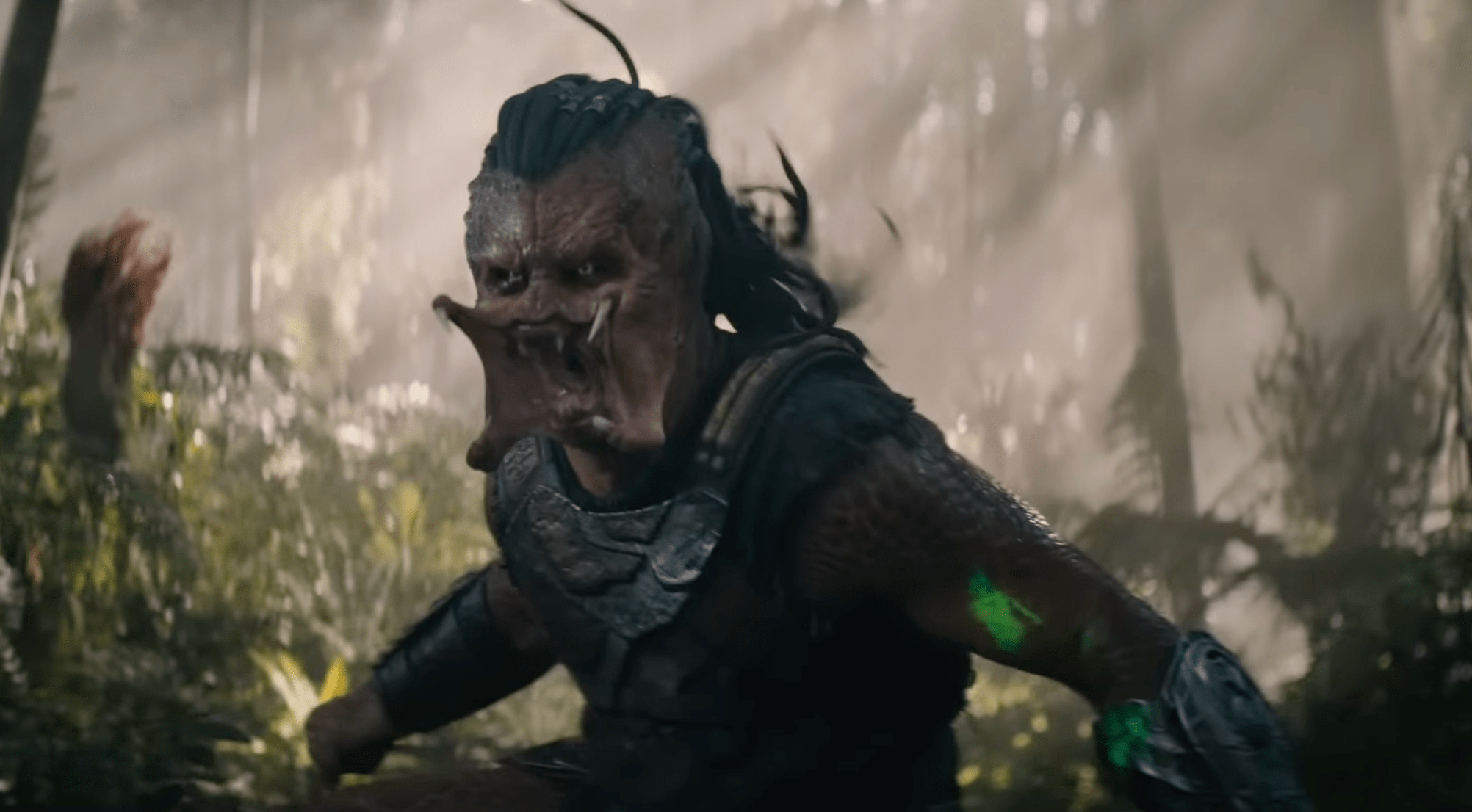
The Predator roars in the trailer to Predator Badlands – YouTube, 20th Century Studios
READ: New Roaming Mickey and Friends Appearances at Magic Kingdom
Disney acquired the Predator franchise through its purchase of 21st Century Fox (now Twentieth Century Studios) and has been gradually consolidating all its properties under a single banner. Long synonymous with family-friendly entertainment, Disney now also oversees some of Hollywood’s edgier franchises.
As Disney consolidates its portfolio under a unified corporate identity, the tension between its family-oriented legacy and its more graphic franchises has become increasingly visible.
Graphic Imagery Sparks Complaints
The poster debuted in November, and according to the ASA resulted in two complaints from people who were concerned it was “inappropriate and disturbing” for children. The controversial still image was followed by other images of the Predator and the tagline “Welcome to a world of hurt.”
Disney reportedly told the ASA that the ad had been developed with a “sense of responsibility.” It added that the severed body in the film belongs to a “synth,” not a human being, and that the image appears on screen for less than two seconds.
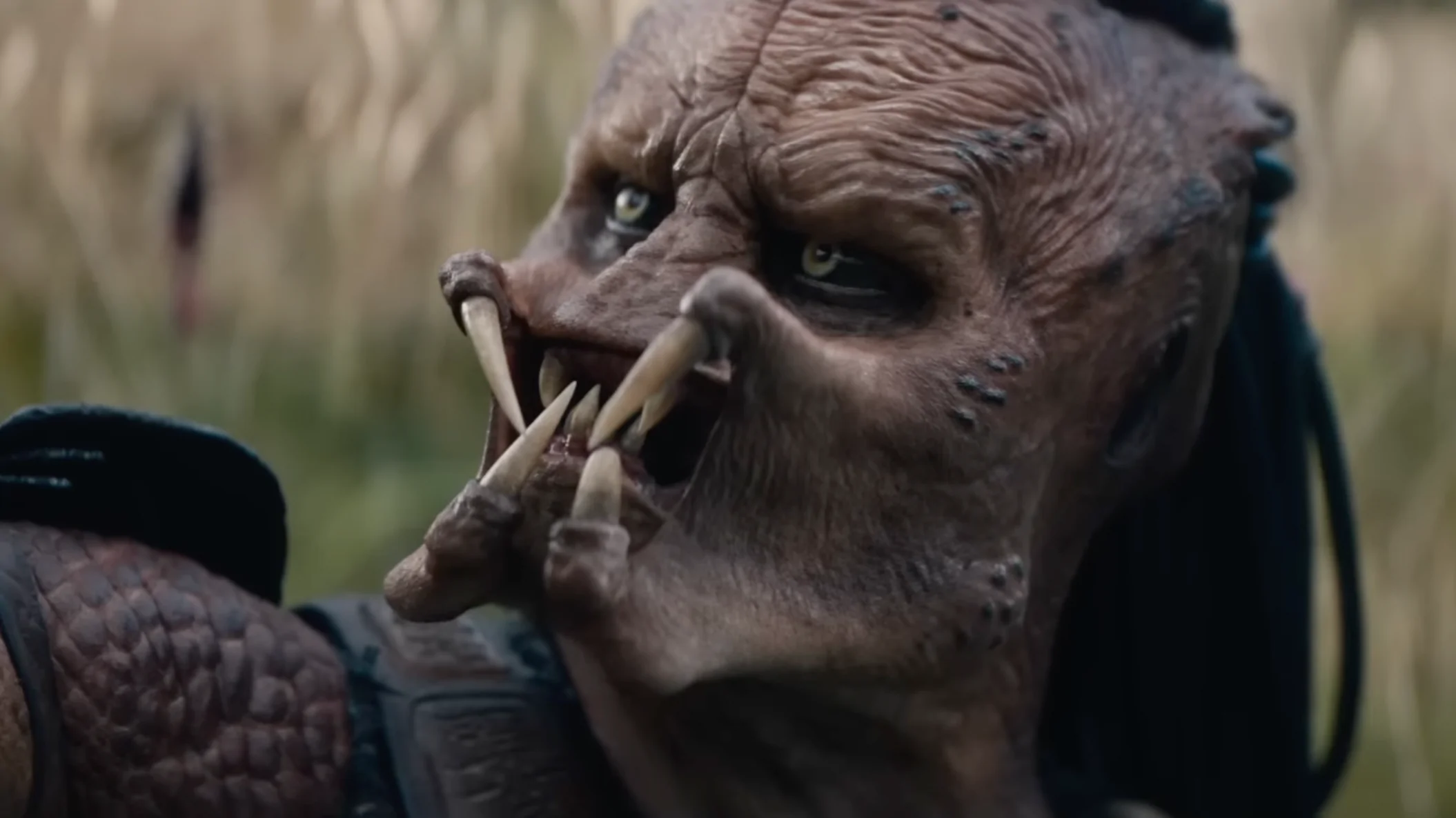
A close up of The Predator in the trailer to Predator Badlands – YouTube, 20th Century Studios
READ: Motion Picture Association Denounces Tom Cruise vs. Brad Pitt AI Fight
In response, the ASA said, “Whilst we acknowledged Twentieth Century Studio’s comment that the smaller figure was not actually a human, but rather a ‘synth’ robot, we considered that was not clear from the ad, and that the figure was likely to be interpreted as a human.” It added, “We further considered that the realistic depiction of the smaller figure’s severed torso and exposed spine was gory and likely to be disturbing to younger children.”
The formal censure highlights the stakes of balancing creative freedom with public responsibility.
Disney Responds
According to a Disney spokesperson, the company acknowledged the ruling, adding that it takes its “responsibilities to audiences very seriously” and that it strives “to work closely with partners to meet the required standards.”
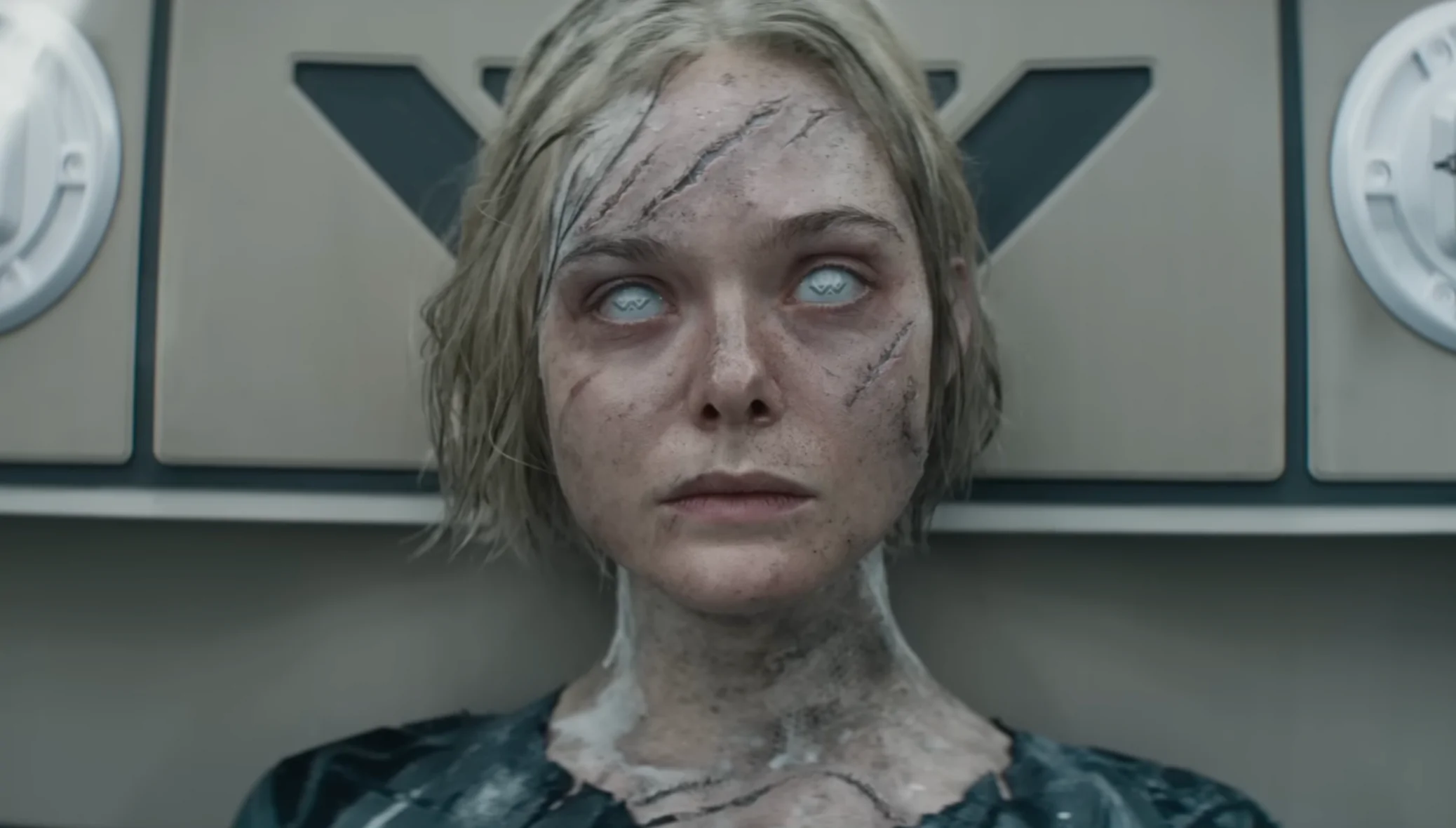
A screenshot from the trailer to Predator Badlands – YouTube, 20th Century Studios
READ: Disney+ Moves Into Sky TV Package as Part of Multi-Year Deal
That said, it places Disney—a company synonymous with childhood—in the difficult position of finding a means to advertise its more graphic content. The ruling signals that British regulators are willing to draw clear lines around how even the world’s most powerful entertainment company can promote mature content in public-facing advertising.
Regulatory Action Sets a Precedent
What makes this incident significant is that Disney’s advertisement was formally ruled in breach of advertising standards by a U.K. advertising regulator. Rather than sparking a boycott or social media campaign, the Badlands poster was censured in a formal regulatory action. The company defended the imagery as contextually appropriate and responsibly presented. But ultimately, the ASA made the final decision—establishing a regulatory action that carries more formal weight than typical social media backlash.
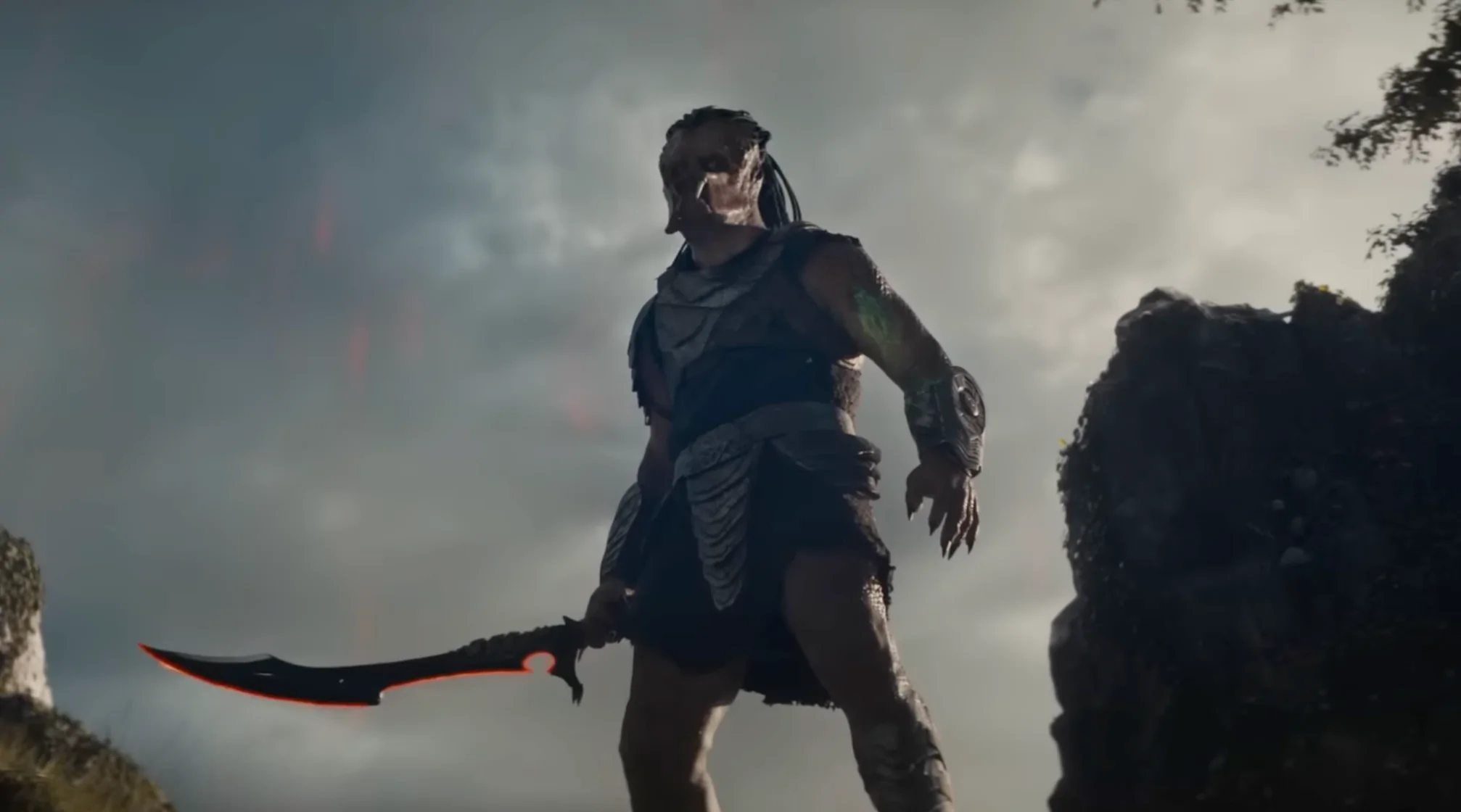
The Predator stands with a sword in the trailer to Predator Badlands – YouTube, 20th Century Studios
The Disney brand remains one of the most powerful names in media. However, the ASA’s ruling is a reminder that it is still subject to outside authority in public spaces. Disney’s attempt to house graphically violent franchises alongside its family-friendly legacy has made that balancing act more difficult—and more visible.
What do you think of the ASA’s ruling? What does this mean for Disney? Let us know in the comments!
UP NEXT: Rachel Zegler Comedy Movie Rebrand Moves Forward In First Post-Snow White Project
