



The battle over the proposed Paramount-Warner Bros. Discovery merger has been framed by its opponents as a grassroots movement focused on protecting workers, preserving competition, and preventing further consolidation in Hollywood.
A new report from the New York Post, however, is raising questions about whether the campaign is really as grassroots as its supporters claim.
According to the report, several organizations involved in the “Block the Merger” movement have ties to funding networks connected to progressive billionaire donors including George Soros, Pierre Omidyar, and Neville Singham. The allegations have fueled criticism that what’s being presented as a worker-led uprising may actually be a highly organized political campaign backed by some of the wealthiest activist networks in America.
The merger, which would unite Paramount and Warner Bros. Discovery into a media giant controlling everything from CBS and Paramount Pictures to HBO, CNN, TNT, Nickelodeon, and Discovery’s extensive portfolio of networks, has become one of the most contentious corporate deals in entertainment history.
While opponents argue the merger would reduce competition and potentially lead to layoffs, supporters say the combined company is necessary to compete against increasingly dominant entertainment giants such as Netflix, Amazon, and Disney.
Questions Raised About the “Block the Merger” Movement
The New York Post report claims that organizations supporting the anti-merger campaign have received funding through nonprofit networks connected to several high-profile progressive donors.
Among the groups identified are the American Economic Liberties Project and other activist organizations that have become heavily involved in organizing demonstrations, public events, and political pressure campaigns aimed at stopping the deal.

Logos for Paramount Skydance and Warner Bros. – Paramount, WB
According to the report, the movement has attracted support from a coalition of Hollywood activists, labor advocates, Democratic politicians, and celebrity figures who have publicly urged regulators to block the merger.
The campaign’s official website argues that the transaction would substantially lessen competition, increase consolidation throughout the entertainment industry, and ultimately harm workers and consumers.
Critics of the campaign, however, are questioning whether the movement is truly an organic response from concerned workers or a coordinated effort driven by organizations with broader political goals.
Hollywood Celebrities Join the Fight
Among the most prominent celebrity opponents of the merger is actor Mark Ruffalo, who has emerged as one of the public faces of the Block the Merger campaign.
Ruffalo has repeatedly framed the merger as a threat to democracy, arguing that further media consolidation would place too much power in too few hands. The actor has long been one of Hollywood’s most vocal critics of corporate power, billionaire influence, and wealth concentration in American society.
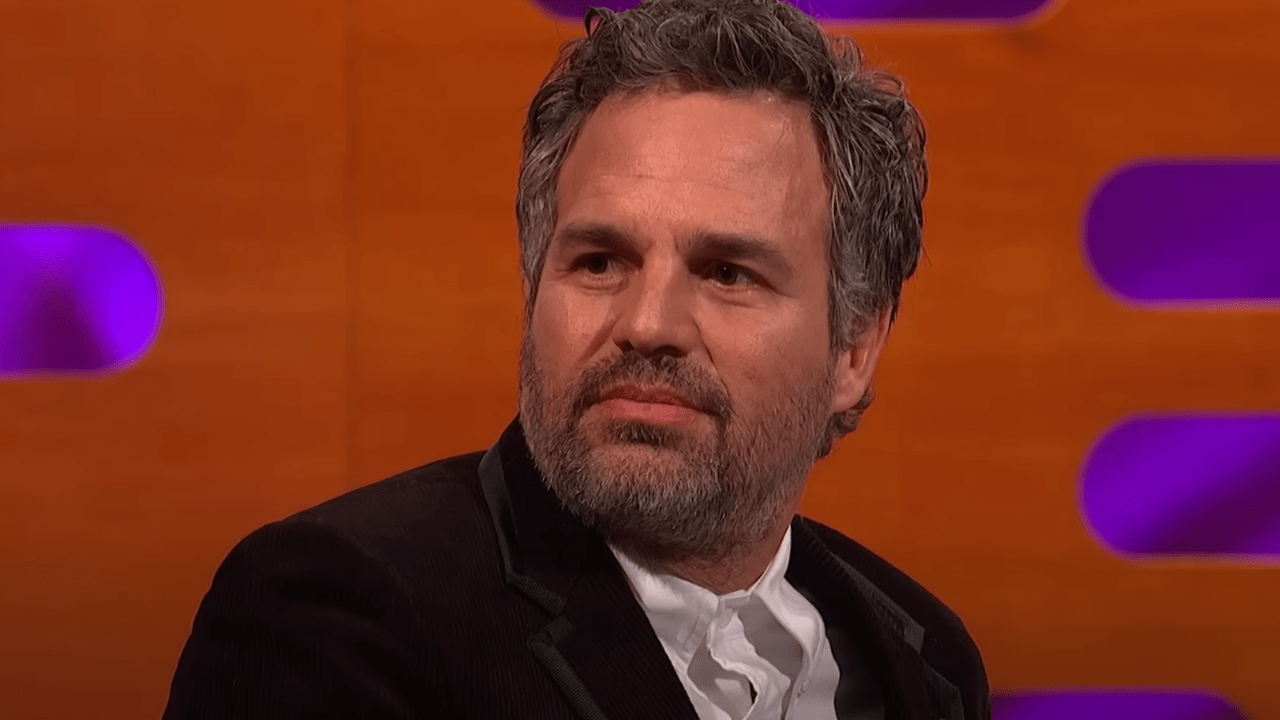
Marvel actor Mark Ruffalo – YouTube, The Graham Norton Show
The situation raises an uncomfortable question for critics of the merger. If billionaire influence is a threat to democracy when it comes from business leaders and media executives, why is billionaire-backed activism treated differently?
Ruffalo has not been accused of receiving money from any of the organizations identified in the report. However, as one of the campaign’s most visible celebrity advocates, he has become the public face of a movement that is now facing scrutiny over who is helping fund and organize it.
Is CNN the Real Battleground?
While labor concerns have dominated much of the public discussion, another issue may be driving significant opposition inside media circles.
Reports have indicated that Bari Weiss could ultimately gain editorial influence over both CBS News and CNN if the merger proceeds and the new corporate structure takes shape as expected.
That prospect has generated significant concern among many within legacy media organizations.
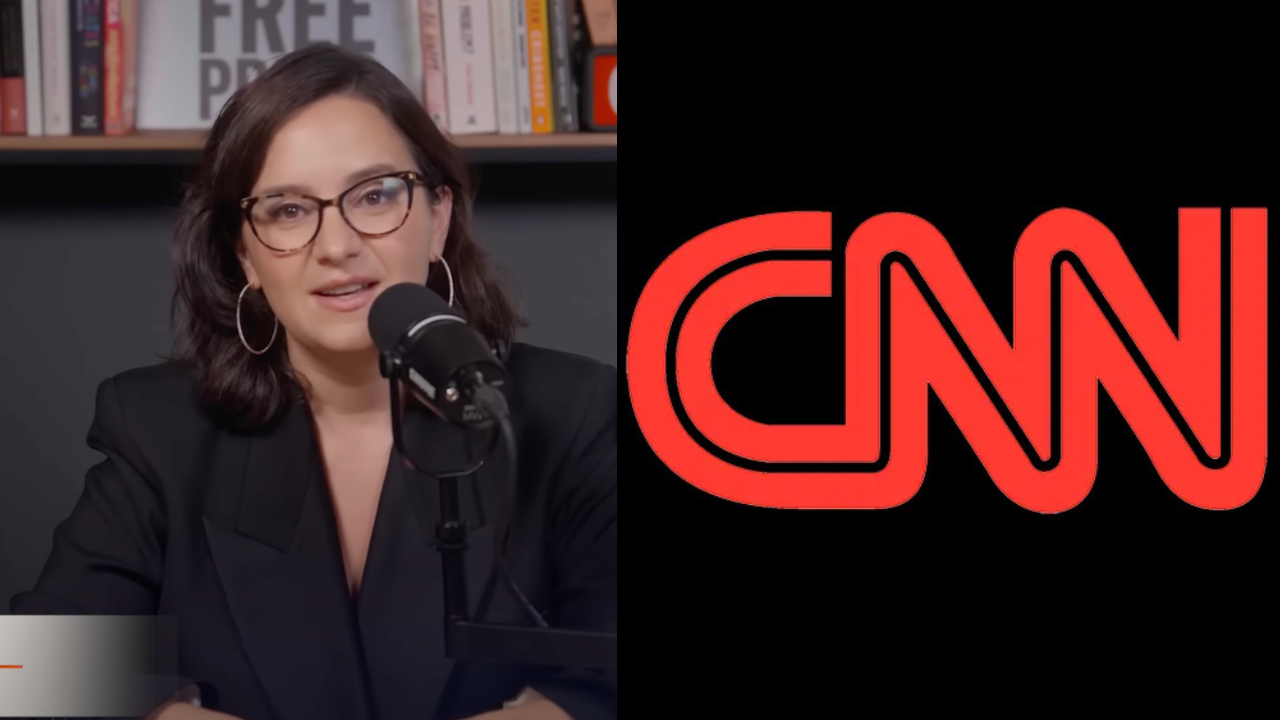
Bari Weiss and the CNN Logo – YouTube, The Free Press; CNN
Weiss built her reputation as a critic of ideological conformity in journalism. After leaving The New York Times, she founded The Free Press and has repeatedly argued that many major news organizations have become captive to political activism rather than objective reporting.
Her critics frequently portray her as conservative despite Weiss having a long record of supporting Democratic candidates and describing herself as politically independent.
For many journalists and activists who have spent years viewing CNN as a reliable ideological ally, the possibility of Weiss helping steer the network toward a more centrist editorial approach appears deeply unsettling.
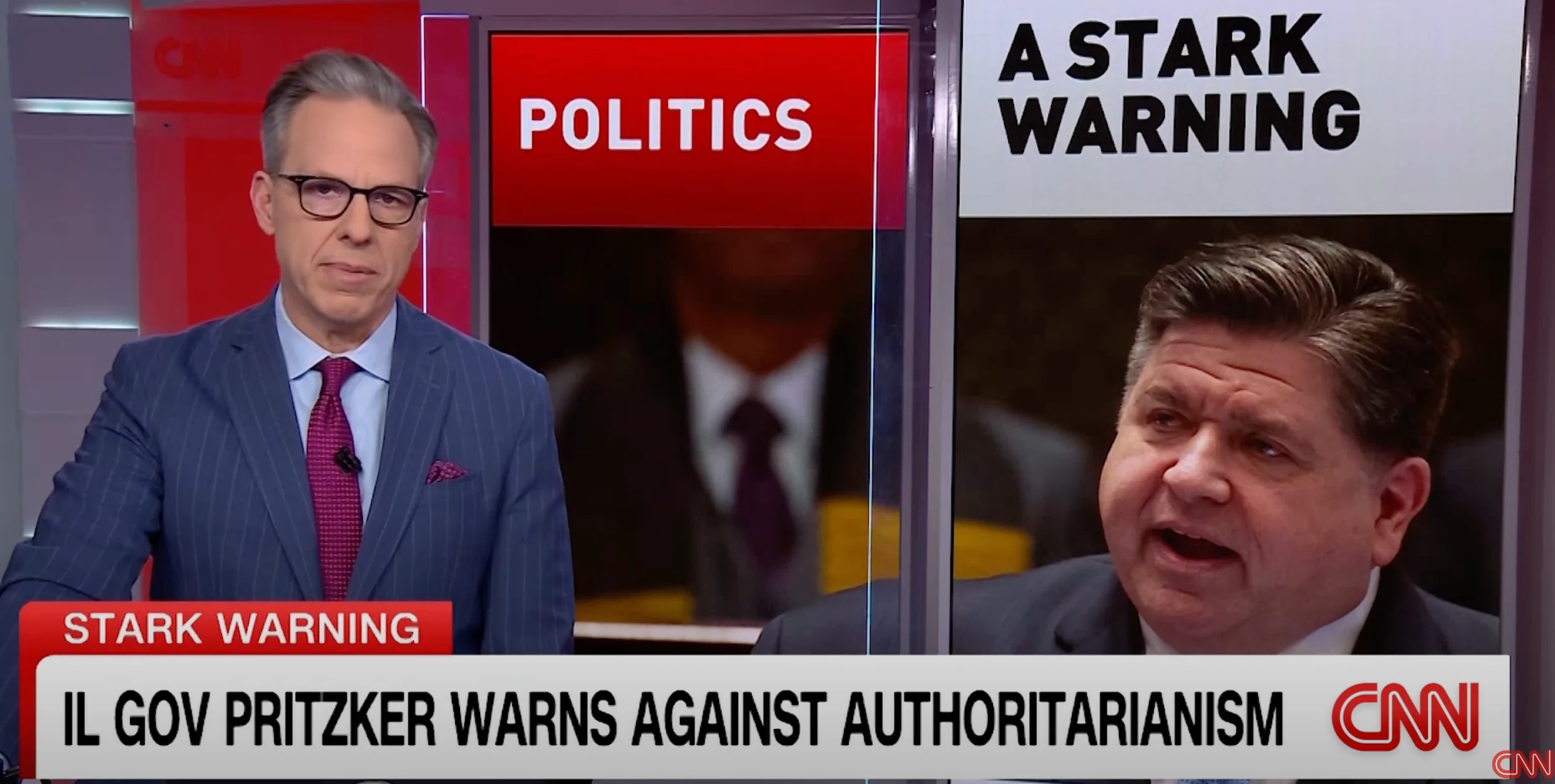
A screenshot from CNN – YouTube, CNN
That reality raises an obvious question.
How much of the opposition is actually about protecting jobs and competition, and how much is about preventing a major shift in the editorial direction of some of America’s most influential news organizations?
A Growing Double Standard
The controversy also highlights what many observers see as an increasingly obvious contradiction within modern political activism.
For years, activists, celebrities, and media figures have warned Americans about the dangers of billionaire influence over politics, journalism, and public policy.
Yet according to the allegations outlined in the New York Post report, some of the same voices now opposing the Paramount-Warner Bros. Discovery merger are working alongside organizations connected to funding networks backed by some of the wealthiest progressive donors in the country.

The logo for Paramount Skydance – Paramount
Whether those allegations ultimately prove decisive or not, they complicate the narrative surrounding the Block the Merger campaign.
The question is no longer simply whether the merger should move forward.
It is whether the public is witnessing a genuine grassroots movement—or another example of billionaire-backed political activism being presented as something entirely different.
As regulators continue reviewing the proposed deal, that question may become just as important as the merger itself.
Do you believe that progressive billionaires are opposing the merger between Paramount and Warner Bros.? Sound off and let us know!
