


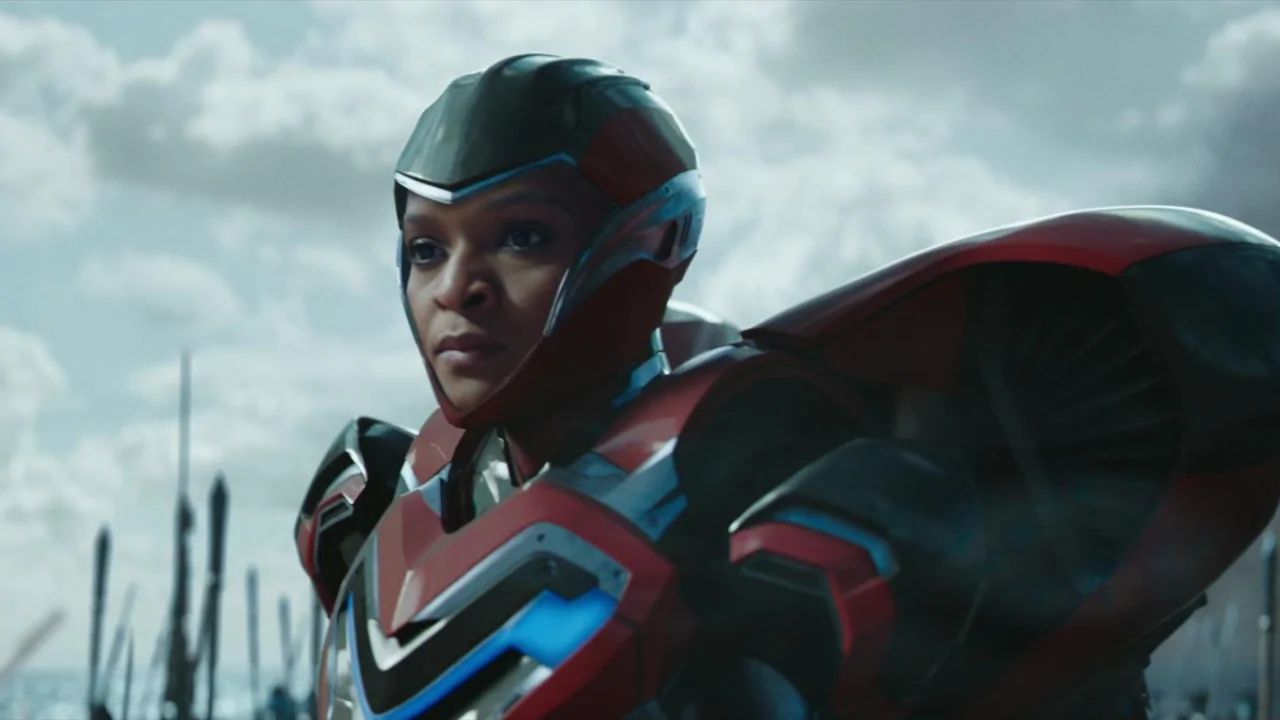
Marvel is invoking the name of Robert Downey Jr. in an attempt to justify its upcoming Ironheart series.
Marvel’s Ironheart is gearing up to close out Phase Five of the MCU on Disney+, and the studio appears to be going into full damage control mode ahead of the premiere. Despite fans still scratching their heads over her inclusion in Black Panther: Wakanda Forever, Marvel is now rolling out legacy name-drops, strategic comparisons, and emotional appeals in a thinly veiled attempt to build hype—and legitimacy—for a show that few asked for.
A “Spiritual Successor” With No Actual Link
In a new feature with Empire, Dominique Thorne, who plays Riri Williams/Ironheart, recounted her brief encounter with Robert Downey Jr., describing the interaction as an “exciting” exchange where the actor gave her a few words of encouragement and “literally two thumbs up.” The story is being framed by Marvel as some kind of symbolic torch-passing moment, with articles declaring Riri and Tony Stark to be “spiritually linked” in the MCU.
There’s just one problem: there’s no actual link.

Robert Downey Jr. as Iron Man and Don Cheadle as War Machine in Captain America: Civil War (2016), Marvel Studios
Tony Stark died in Avengers: Endgame before Riri Williams was ever introduced. They never met. They have no shared screen time, no storyline overlap, and no established relationship in the films. Calling them “spiritually connected” is pure marketing spin—a way for Marvel to claim legacy without earning it. It’s also a way to reassure fans that Iron Man “approves” of his replacement… even though that replacement is arriving with little of the narrative weight that made Stark iconic.
Dumpster-Diving Over a Billionaire’s Brilliance?
Then there’s the quote that’s raising eyebrows. Thorne compared her character’s background with Tony Stark’s:
“She’s dumpster-diving, whereas Tony Stark [was] this bajillionaire. What she’s able to accomplish is remarkable.”
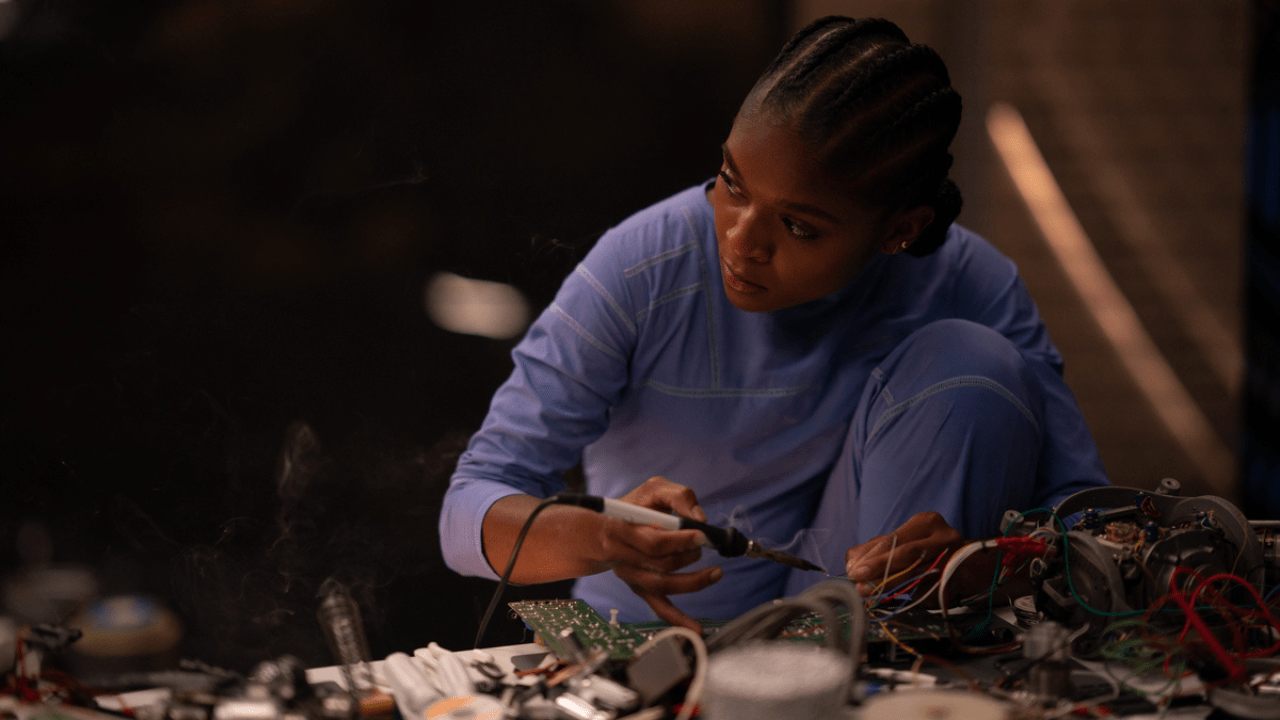
Dominique Thorne as Riri Williams in Marvel Studios’ BLACK PANTHER: WAKANDA FOREVER. Photo by Eli Adé. © 2022 MARVEL.
At first glance, it’s meant to emphasize Riri’s resourcefulness. But dig a little deeper, and it reads like an unnecessary—and frankly dismissive—contrast. Stark’s origin story didn’t begin in a Manhattan skyscraper. He built his first suit while kidnapped in a cave, with shrapnel near his heart, using scrap metal and pure genius to survive. His wealth wasn’t a shortcut—it was part of a larger arc about responsibility, sacrifice, and redemption.
By framing Tony as the spoiled billionaire in contrast to the “gritty” and “remarkable” Riri, Marvel seems to be engaging in the same messaging we’ve seen before: propping up new heroes by downplaying the old ones. Instead of letting Ironheart stand on her own, the narrative is that she’s more authentic because she comes from less.
It’s a tired playbook—and one that’s turning off longtime fans.
The Real Problem: Ironheart Was Never Organic
Riri Williams’ original appearance in Wakanda Forever was widely viewed as forced, with many critics and fans noting that her inclusion felt like a Disney+ backdoor pilot more than a natural fit for the story. Now her standalone series is being marketed with borrowed nostalgia, legacy hand-me-downs, and vague platitudes.
The official synopsis describes Riri as returning to Chicago after Wakanda, where she’ll face off against Parker Robbins, aka “The Hood”—a character powered by dark magic. Meanwhile, Disney+ is positioning Ironheart as the climactic ending to Phase Five, even though the hype just isn’t there.
It’s hard to shake the feeling that Marvel knows this and is trying to salvage interest by reminding audiences of Iron Man… without actually giving them Iron Man.
Legacy Can’t Be Manufactured
Marvel used to let characters earn their place through years of storytelling, growth, and audience connection. That’s how legacy used to work. But Ironheart is being treated like a plug-and-play replacement for Iron Man—no build-up, no meaningful link, just a checklist and a marketing push.
This isn’t about evolving the MCU—it’s about swapping out iconic heroes with underdeveloped substitutes and hoping a few name-drops will sell it. Riri Williams didn’t train under Tony Stark. She didn’t inherit anything from him. And yet, Marvel wants audiences to accept that she’s the natural continuation of his legacy, simply because she built a suit.
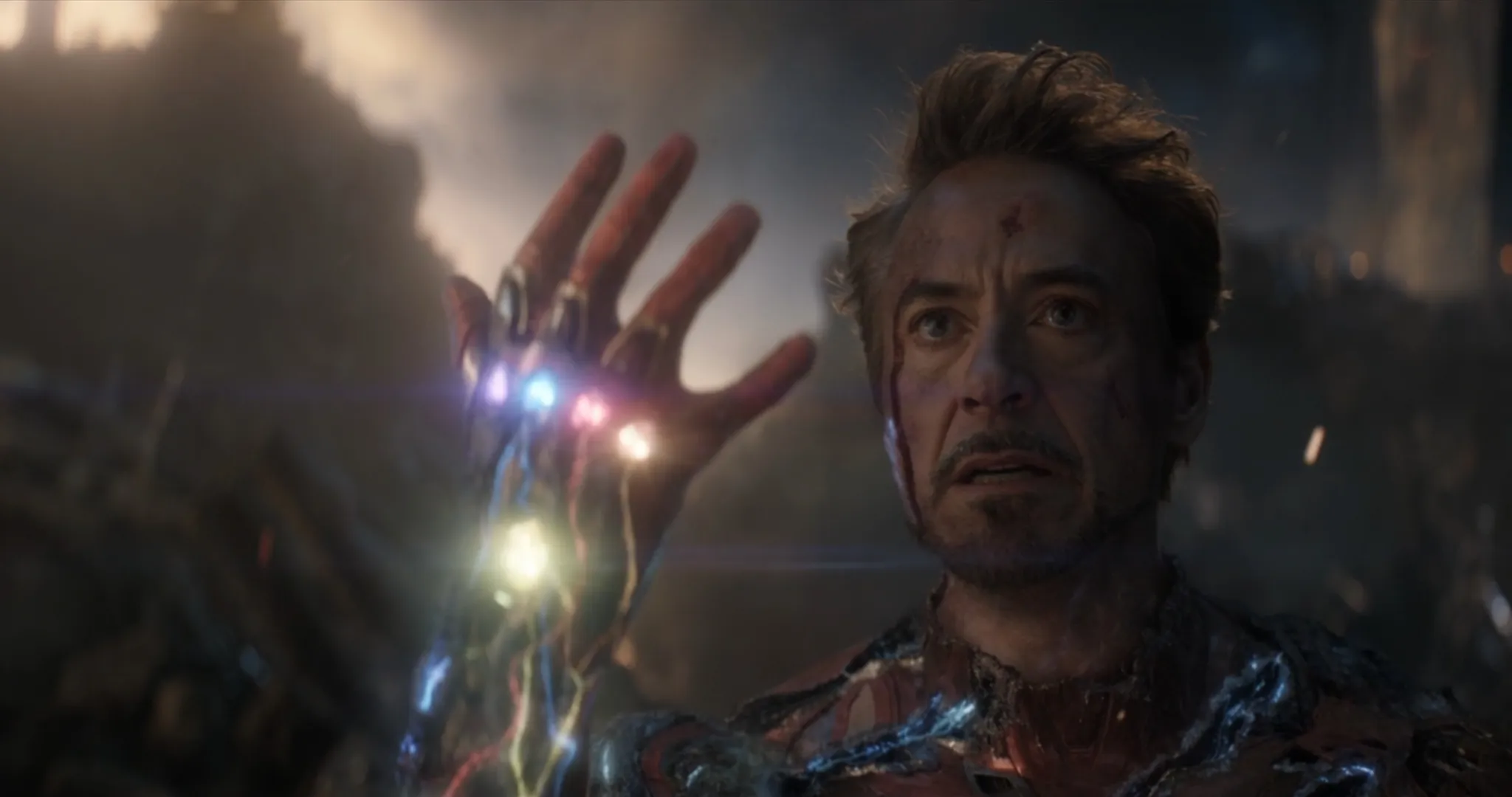
Robert Downey Jr. as Iron Man in Avengers: Endgame (2019), Marvel Studios
What we’re seeing is the studio trying to bypass the hard work of storytelling and lean entirely on brand nostalgia. A brief conversation with Robert Downey Jr. gets inflated into a passing of the torch. A character who showed up as a side note in another film now gets top billing to close out a major MCU phase. This isn’t organic—it’s engineered.
And audiences can tell the difference.
Do you believe Marvel is using Robert Downey Jr. to try and sell Ironheart? Sound off in the comments and let us know!
