



As ratings continue to slump and longtime fans grow increasingly disillusioned, Doctor Who showrunner Russell T Davies is doubling down on his mission to reshape the series into what he calls an “alternative” to traditional science fiction—specifically targeting what he sees as “very straight, very masculine, very testosterone-y” franchises.
In a recent interview with UK drag performer Belinda Scandal for Your Manchester, Davies made it clear that his creative direction for Doctor Who under the Disney+ co-production era is an intentional departure from the genre’s historic norm.
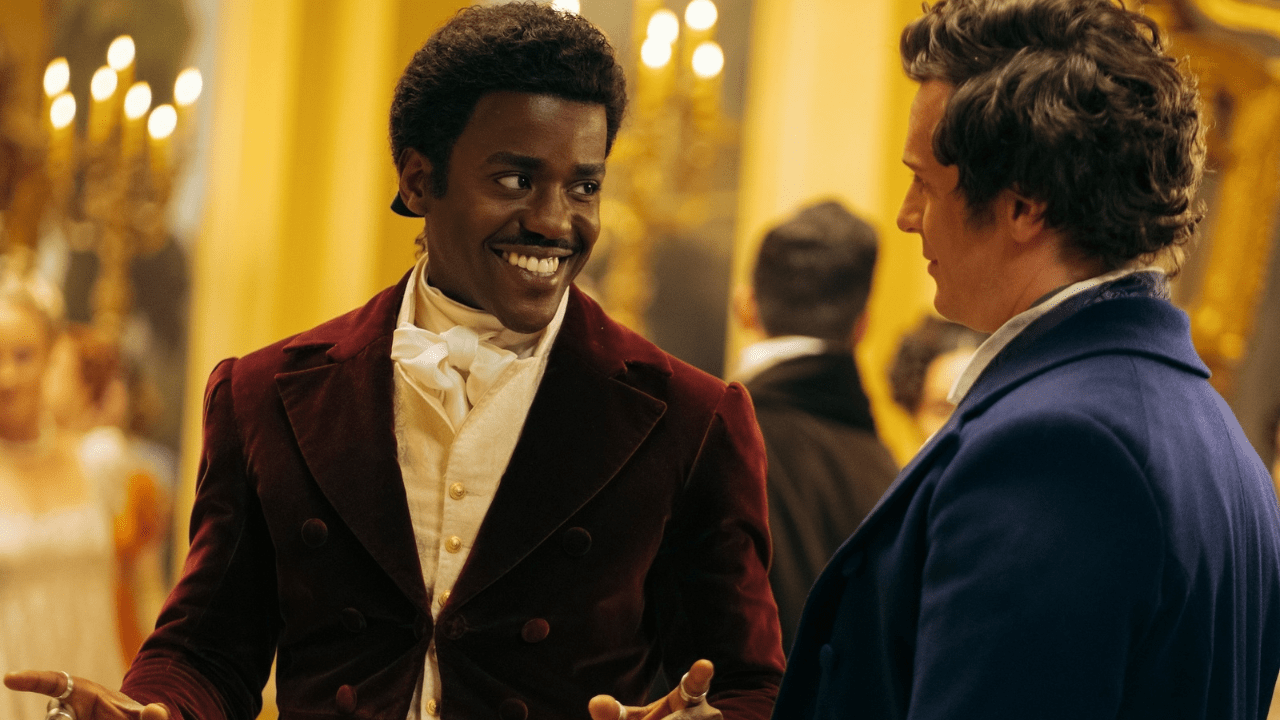
Ncuti Gatwa as The Doctor and Jonathan Goff in Doctor Who (2024), BBC
“I find a lot of the other science-fiction franchises are very straight, very masculine, very testosterone-y, and so that’s our space,” he said. “I do think that’s where Doctor Who can fill a space.”
Of course, this doesn’t track with actual reality, given that classic sci-fi franchises like Star Wars and Star Trek have leaned heavily into female led progressive franchises over the last decade.
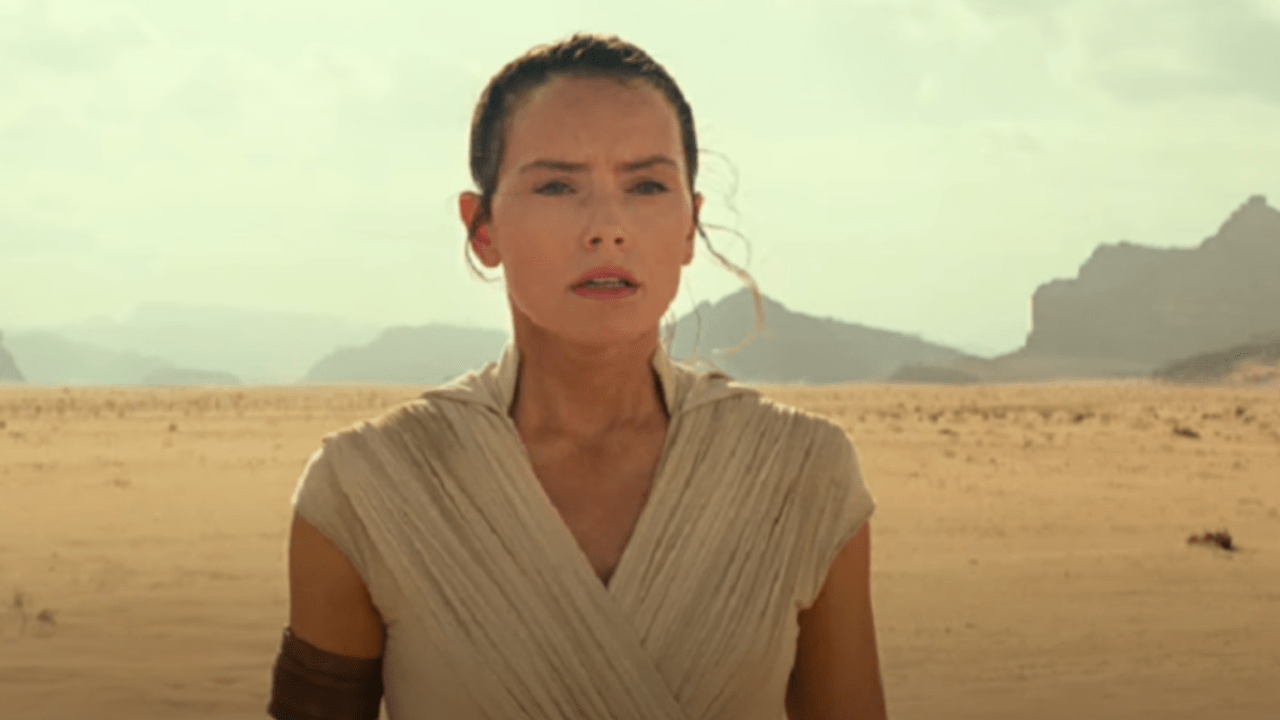
Daisy Ridley as Rey in Star Wars: The Rise of Skywalker (2019), Lucasfilm
The statement does, however, echo the broader push Davies has made throughout Series 14 and the recently completed Series 15, both of which have seen a dramatic shift in tone, casting, and storytelling—often prioritizing overtly political or identity-focused narratives. Actor Ncuti Gatwa’s portrayal of the 15th Doctor has received heavy criticism, with many viewers calling the seasons disjointed or lacking the intrigue and high-stakes adventure that once defined the series.
“The Reality War” – A Symbolic Ending?
Series 15 concluded with Episode 8, “The Reality War,” in which Gatwa’s Doctor regenerates once again—this time, shockingly, into Rose Tyler, a character portrayed by Billie Piper when the show was first revived in 2005.

Jinkx Monsoon in Doctor Who (2024), BBC
As many fans continue to question where the show is headed creatively, Davies appears unfazed, regardless of how low the ratings fall. And they’ve fallen exceptionally hard, reaching the lowest lows of Doctor Who’s 60+ year history.
“It’s 2025,” Davies explained, trying to justify his heavy lean into PRIDE-centric storylines. “You also have to look at what the others are doing.”
“The Fight Is On”
When asked why he continues to prominently support PRIDE narratives in his work, Davies responded with a warning.
“I actually think it’s getting worse,” he said, commenting on identity political discourse. “I think it’s getting tougher… I am seeing in my own lifetime a backlash like I never thought… It’s literally happening to us.”
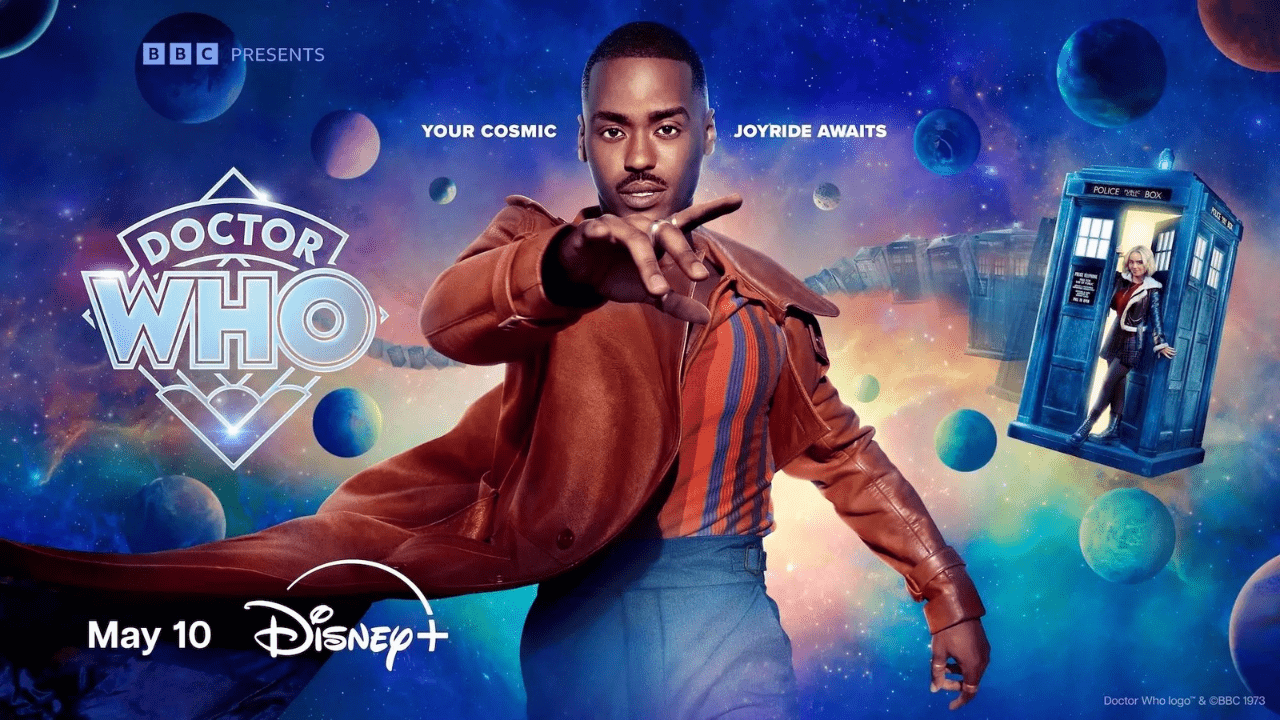
Key art for Doctor Who (2024), BBC Studios
He further criticized corporations for scaling back PRIDE sponsorships and connected the shift to broader political and cultural pushback.
“They’re getting scared,” he said, noting in particular how many are shying away from gender politics. “The fight is on.”
Davies’ comments reflect his broader worldview—that Doctor Who should not just entertain, but serve as a cultural counterweight to what he views as a hostile political climate. While many longtime viewers appreciated Davies’ initial run from 2005 to 2010 for revitalizing the show’s heart and emotion, this newer incarnation is being perceived by some as an activist vehicle rather than a storytelling engine.
Audience Response: Plummeting Ratings
In recent months, Doctor Who has faced steep ratings declines—something Davies himself has acknowledged in prior interviews, admitting that the show’s current numbers “might not be the ratings we’d love.” Despite Disney’s major investment and global distribution deal, the series has struggled to regain its past prominence or capture the excitement once felt under earlier Doctors like David Tennant or Matt Smith.
With many episodes leaning heavily into activist rhetoric, critics argue that the core essence of Doctor Who—imaginative storytelling, clever science fiction, and character-driven arcs—is being drowned out.

Picture Shows: The Doctor (Ncuti Gatwa) and Ruby Sunday (Millie Gibson) Credit: James Pardon/Bad Wolf/BBC Studios
As for the future of the franchise, nothing has been confirmed. Whether Davies will remain at the helm for a potential Series 16 remains unclear, and so too does the fate of a show that once united generations of viewers across the world.
How do you feel about Russell T Davies and Doctor Who in 2025? Sound off in the comments and let us know!
UP NEXT: Harry Potter Film Actor Calls Fans ‘Racist’ Over Snape Casting Backlash
