


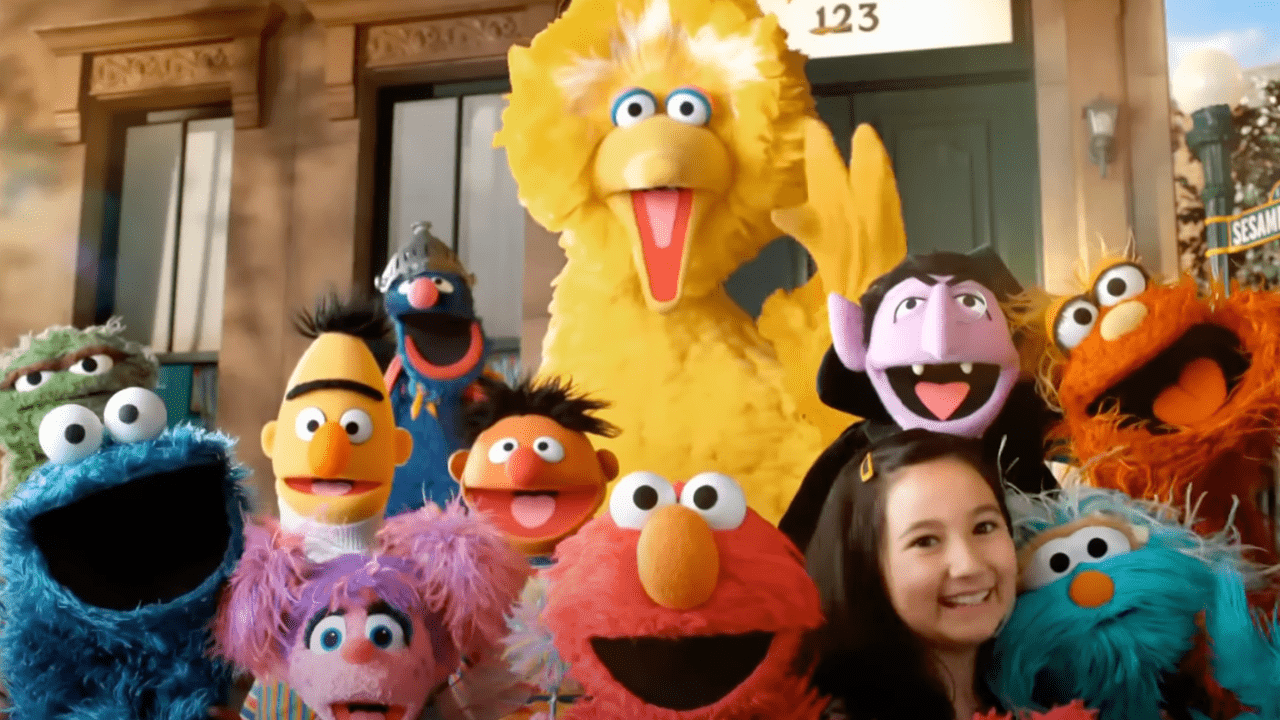
A recent Sesame Street segment promoting Arab Heritage Month is sparking debate online.
The word of the day is HABIBI! Happy #ArabAmericanHeritageMonth from Ramy Youssef, Elmo, and all of your friends on Sesame Street! pic.twitter.com/Hc4BLcehEl
— Sesame Street (@sesamestreet) April 16, 2026
For generations, Sesame Street has been a trusted teaching tool in many households. Children learned shapes, colors, numbers, the alphabet, and the importance of kindness from its now-iconic characters. In recent years, however, some critics have argued that the show is moving in a more progressive direction. They see this latest clip, which has gone viral on social media, as further evidence of that shift.
The Segment
In the video, actor, comedian, and writer Ramy Youssef joins Elmo to teach young viewers some Arabic words. Youssef opens the segment, saying, “Salamu Alaykum, everyone.” This prompts the little red monster to ask what that means. “Salam means peace, and it’s a way to say hello in Arabic,” he explains.

Ramy Youssef in a promo for a comedy special – HBO Max, YouTube
READ: Top Ten Hollywood Movies in Development We All Should Be Excited to See
Elmo then repeats the phrase so everyone understands. The segment continues with Youssef adding, “Elmo and I are here to wish all of you a happy Arab American Heritage Month.” This is also repeated by Elmo. “I’m so proud of my Arab heritage and I’m so happy to share this month with my fellow Arabs and Elmo,” the actor concludes.
The video ends with Youssef teaching Elmo another Arabic word, “habibi,” which he says means “special friend.”
While it may seem innocent enough on the surface, the 41-second clip is prompting broader questions about the direction of children’s educational programming.
Questions of Balance
Cultural segments like this can come across as deliberately curated—less like a natural reflection of a wide spectrum of experiences and more like editorial choices shaped by specific priorities. Many parents expect Sesame Street to remain neutral, and that expectation has long been part of the trust placed in it.
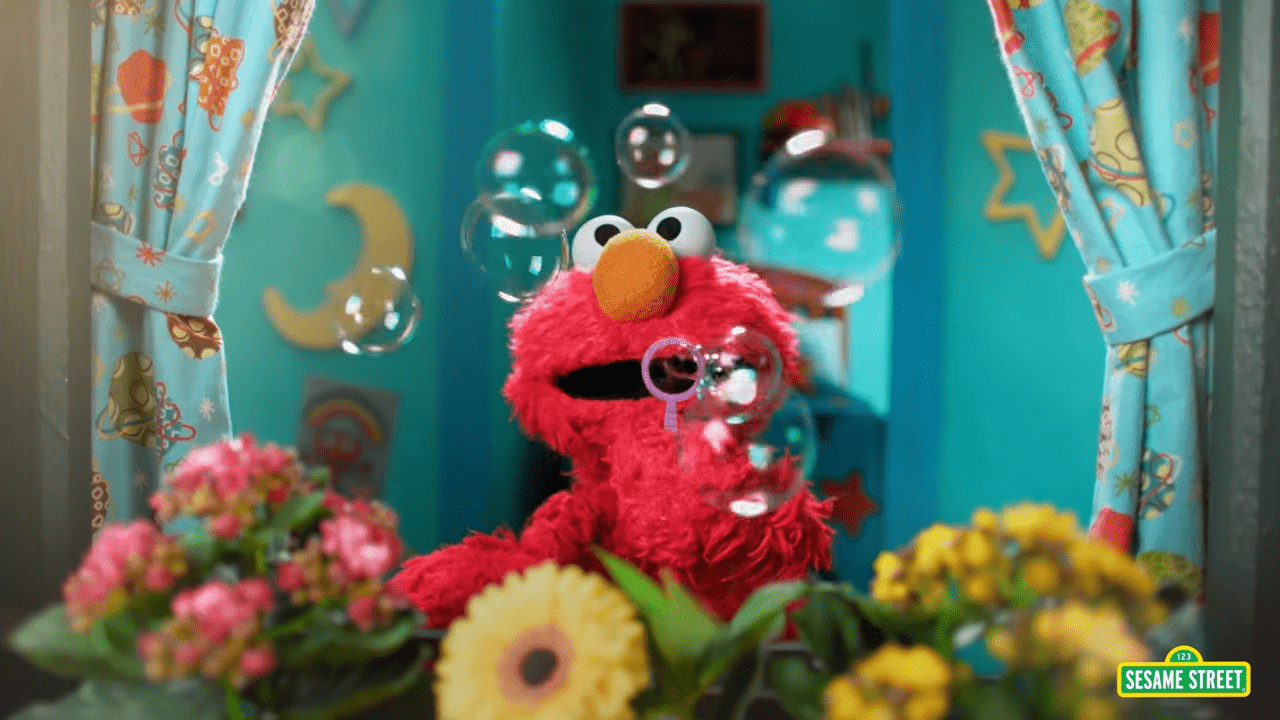
Elmo in the Sesame Street intro – Sesame Street, YouTube
When audiences begin to feel that certain cultures or themes are being highlighted more consistently than others, it raises reasonable questions about balance. A look at the Sesame Street X account, for example, shows limited acknowledgment in recent years of traditional U.S. observances like Presidents’ Day or Independence Day. Yet Sesame Street does recognize Arab American Heritage Month.
It joins a growing list of month-long observances, such as Black History Month, Women’s History Month, and Pride Month. President Joe Biden issued the first official presidential proclamation recognizing Arab American Heritage Month in 2023, making it a relatively recent addition to the calendar. That, in turn, raises broader questions about whether these observances ultimately serve to unify the country—or risk highlighting divisions within a nation whose motto is “Out of Many, One.”
A Broader Shift
Ultimately, there is nothing inherently wrong or political about learning words from another culture. Yet the decision by the producers of Sesame Street to promote Arab American Heritage Month to children reflects a broader shift in how cultural content is selected and presented.
Elmo – Sesame Street, YouTube
Even when the message is positive, perception of intent can shape how it is received. For a program once defined by its broad, apolitical appeal, even the appearance of a shift in purpose is what is prompting renewed scrutiny from parents who remember a different standard of neutrality.
How do you feel about Sesame Street promoting Arab American History Month? Sound off in the comments!
UP NEXT: Disney Brings ‘Star Wars’ Original Trilogy Characters to Galaxy’s Edge—Fans Roast Costumes and Wigs
