


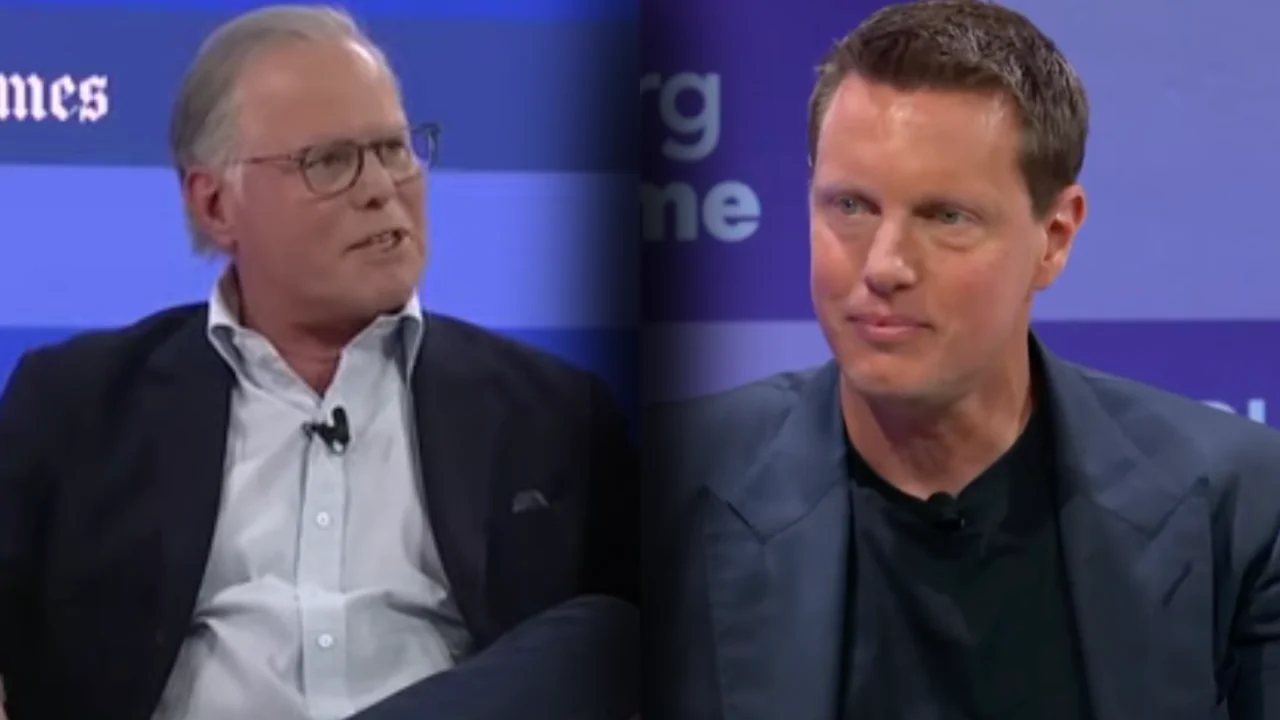
Warner Bros. Discovery shareholders voted overwhelmingly to approve Paramount Skydance’s $111 billion all-cash takeover, per Deadline and Variety reporting filed this morning. The special meeting delivered a near-unanimous “yes” despite the open letter signed by more than 3,900 filmmakers, actors, and crew. Likely, all people who suspected their political posturing would limit jobs in the future.
David Ellison called the outcome “a new chapter of opportunity,” while Glass Lewis and others on the money side had already signaled approval weeks ago. Translation: Wall Street and sovereign wealth funds voted with their wallets, and the creative class’s supposed moral grandstanding changed exactly nothing. Not that this wasn’t expected.
The Consolidation Playbook Executed Flawlessly
Financing is locked, debt targets slashed from $54 billion to $49 billion, and $6 billion in promised synergies are now official marching orders. The combined entity inherits two massive libraries, Max and Paramount+, CNN, CBS, and fresh NFL rights leverage (something I’ve previously mentioned launched a renegotiation action on the NFL’s side).

The logo for Paramount Skydance – Paramount
READ: Epic Universe Testing Out Individual Land Entry Barriers
This isn’t hype; it’s the textbook response to streaming fragmentation, Big Tech bundles, and linear TV’s terminal decline that much like radio, looks to have more staying power. Reach limits and old ownership caps were always pipe dreams, an easy conclusion to draw from the useless block a judge put in place on the Nexstar-Tegna merger.
Regulators and guilds knew it, they just pretended otherwise for the cameras (and for the sake of out-of-touch actors like Mark Ruffalo). The vote today formalizes what the market demanded: fewer, stronger players who can actually compete globally.
Hollywood Hypocrisy Hit It’s Peak With Abrams and Lidelof
The same town that cheered Netflix’s subscriber-chasing binge era now acts shocked that consolidation is the only survival tool left. Hence their rabid support when Netflix was lining up for Warner Brothers- Discovery. Ruffalo and company warned of “tens of thousands” of job losses, yet stayed silent when their own streamers canceled shows and outsourced post-production. Odd, right?
The logo for Disney+ – YouTube, Disney+
I’m not sure about you, but when the “overproduction bubble” often referred to as “Peak TV” popped after the strikes, nobody called it an existential threat to “storytelling diversity.” The industry was flooded with “modern audience” appealing content that no one watched or wanted. Turns out, the modern audience either never existed or don’t spend their time or money on those shows or films either.
Fans already live in an era of saturation and overload. This deal at least bundles libraries and sports under one roof instead of forcing endless app-hopping. I am sure it will also come with a hike in prices for streaming but maybe a combine product as well! All things considered 30 movies per studio sounds good to me.
The Aftermath Highlights Diminished Power of the Prodigals
Hollywood is finally admitting, through ineffective tantrums and profit metrics on decline, that measured production and broad audience appeal beat volume-at-all-costs every time. The middle layer takes the hit in management but maybe not in fewer mid-budget bets. Tighter greenlights mean more active project selection and smarter risk allocation risk assessments prevent steady flop-fests. Meanwhile, the top consolidates to service debt and chases global scale.
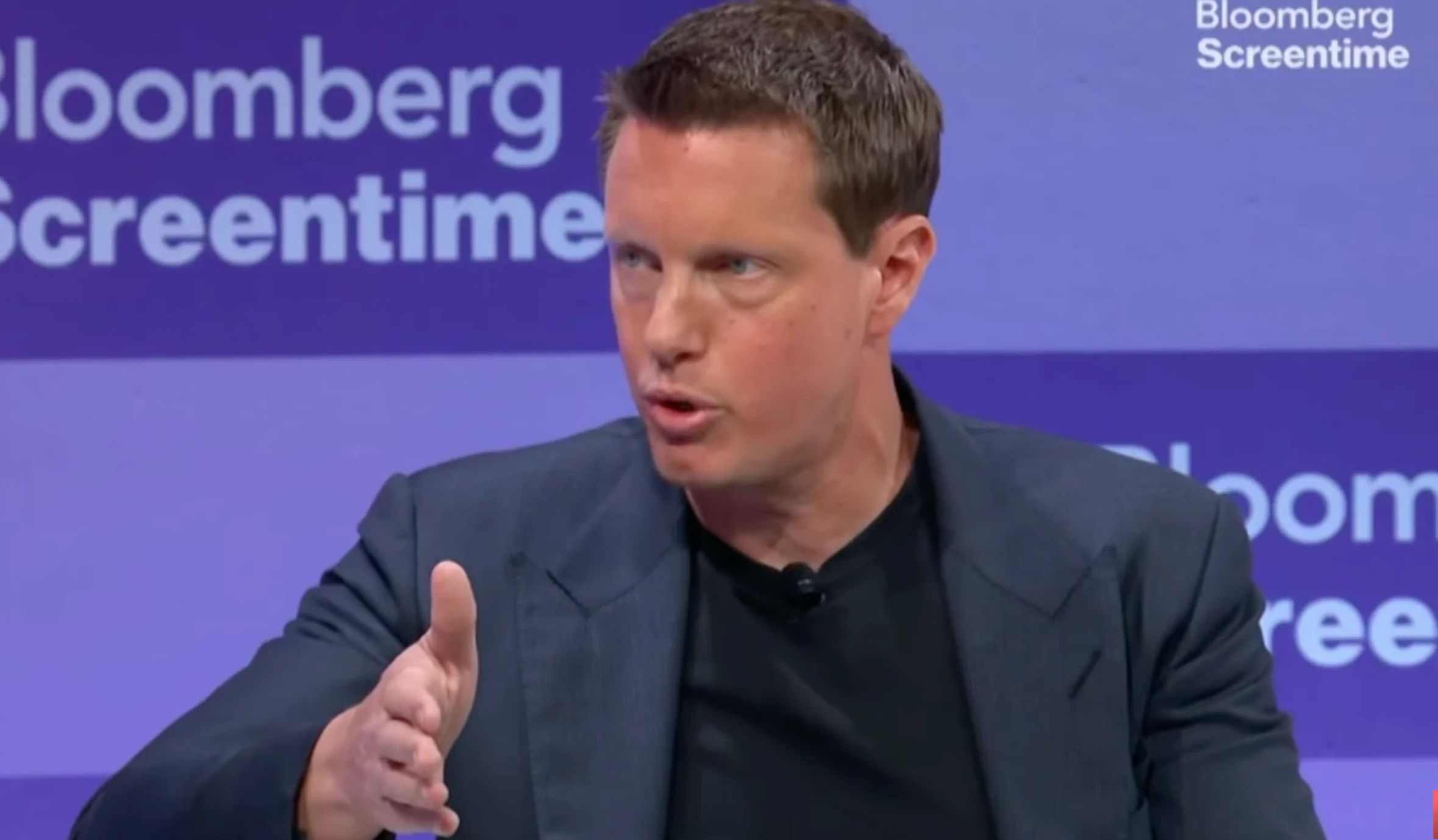
David Ellison in an interview with Bloomberg – YouTube, Bloomberg Podcasts
READ: Grace Randolph Calls Out Paid Influencers and Gets Called Out By Her Own Chat
Homeostasis, the re-establishment of balance, doesn’t care about open letters; it clears dead weight so competition can actually emerge stronger against Amazon, Netflix, and the tech giants. It inspires competition and rids the purification of low effort, low quality filler that floods other streaming platforms. Perhaps further changes will hit politically oriented media conglomerates in a way that erases a bad near decade of muck clogging IP vandalism.
What Could the Future Be?
With the vote locked and July close still on track, does this merged beast finally deliver the sustainable slate Ellison promised at CinemaCon? Does the $79 billion net debt force the usual round of “efficiencies” (layoffs) everyone pretends to fear? The bigger picture is clear: scale was always the only realistic defense. Just ask Disney.

Logos for Paramount Skydance and Warner Bros. – Paramount, WB
What do you think—should regulators now wave this through and let the industry stabilize, or keep playing activist and prolong the pain? Is the creative revolt just performative theater before the cash always wins? Drop your takes in the comments.
