



A new shareholder push is putting the spotlight back on the deeply controversial and unpopular Disney DAS policies, the sweeping overhaul of the Disability Access Service program that has reshaped how disabled guests navigate Walt Disney World and Disneyland.
The proposal—filed on behalf of a group calling itself DAS Defenders—calls for an independent, third-party review of Disney’s accessibility practices. It comes after a year of policy tightening, guest frustration, and a steadily growing conversation about whether the company overcorrected in its attempt to crack down on abuse (and get as many people buying its paid Lightning Lane service).
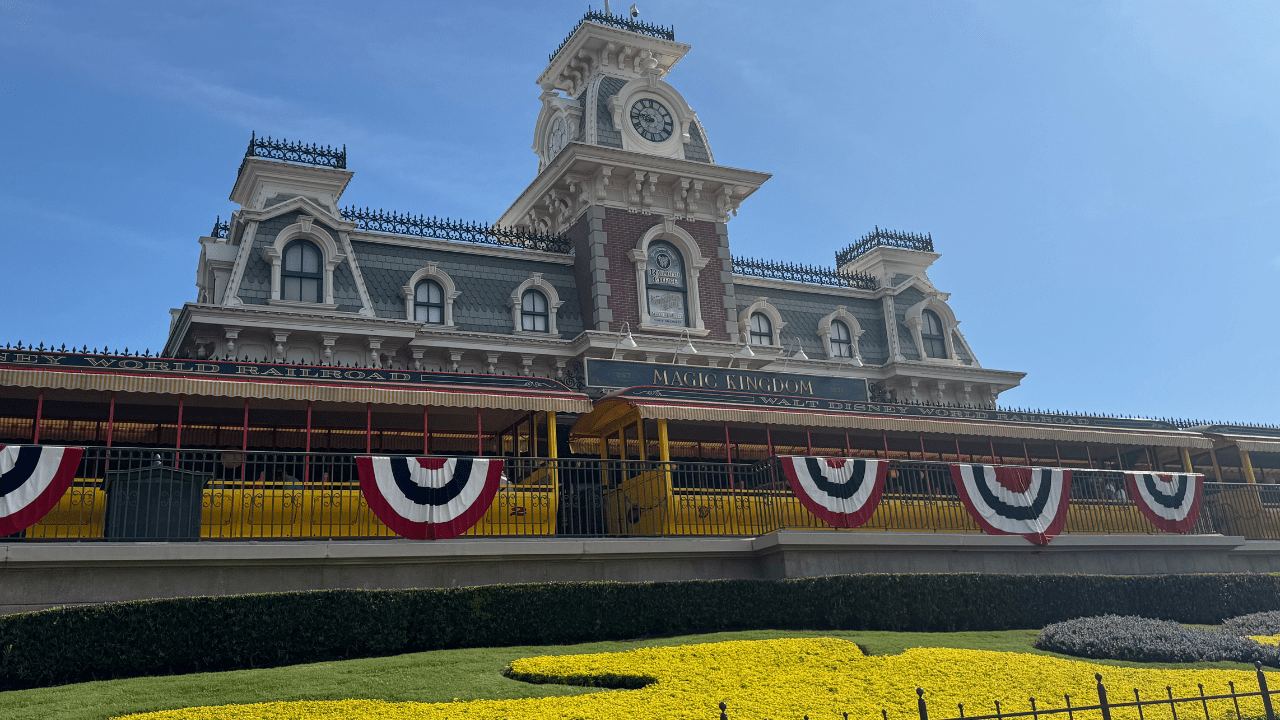
The Main Street USA Train Station at Walt Disney World – Photo Credit: That Park Place
READ: Netflix Responds to “Entirely Expected” Paramount Hostile Bid for Warner Bros.
The filing argues that Disney’s revised disability policies are harming attendance and diminishing trust among families who previously relied on DAS for their vacations.
According to the proposal, “Disney’s brand and financial stability are under strain from underperforming films, rising park costs, consumer boycotts, and waning trust.” It further cites a controversial figure from the 2024 IAAPA Convention which stated “over 85 percent of disabled Disney guests reported being unlikely or refusing to return to Disney Parks due to the Disability Access Service (DAS) changes.”
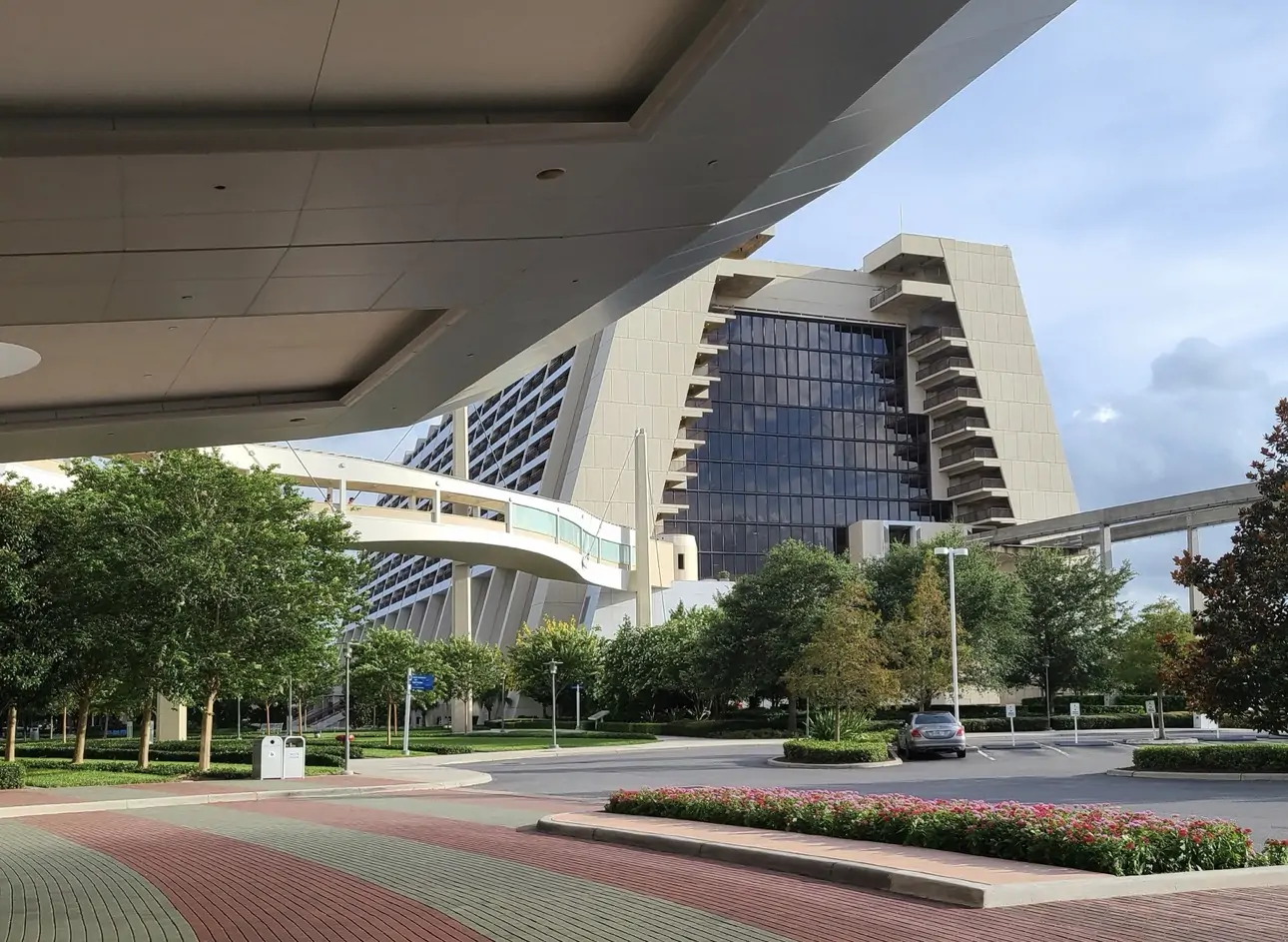
The Contemporary Resort at Walt Disney World – Photo Credit: That Park Place
Disney strongly disputes the notion that DAS changes contributed to attendance softness, arguing in its SEC correspondence that any decline was attributable to weather disruptions and that DAS-related decisions fall under normal operational business—not shareholder oversight.
What Sparked the Shareholder Proposal?
The DAS Defenders group is asking for an outside audit of Disney’s accessibility practices across all U.S. parks. Their supporting statement points to:
- Negative press coverage
- A pending class-action lawsuit
- Reports of families canceling trips
- Concerns that inconsistent approvals and denials undermine guest trust
Elsa close up in Frozen Ever After at EPCOT in Walt Disney World – YouTube, 4K WDW
The filing frames the issue as a reputational and financial risk. According to the supporting statement, “Recent company decisions are not only straining Disney’s bottom line, they are exposing the brand to escalating consumer backlash, including boycotts.”
This kind of language is unusual for a shareholder proposal—it’s less focused on revenue metrics and more on stewardship, cultural messaging, and the long-term perception of Disney’s parks.
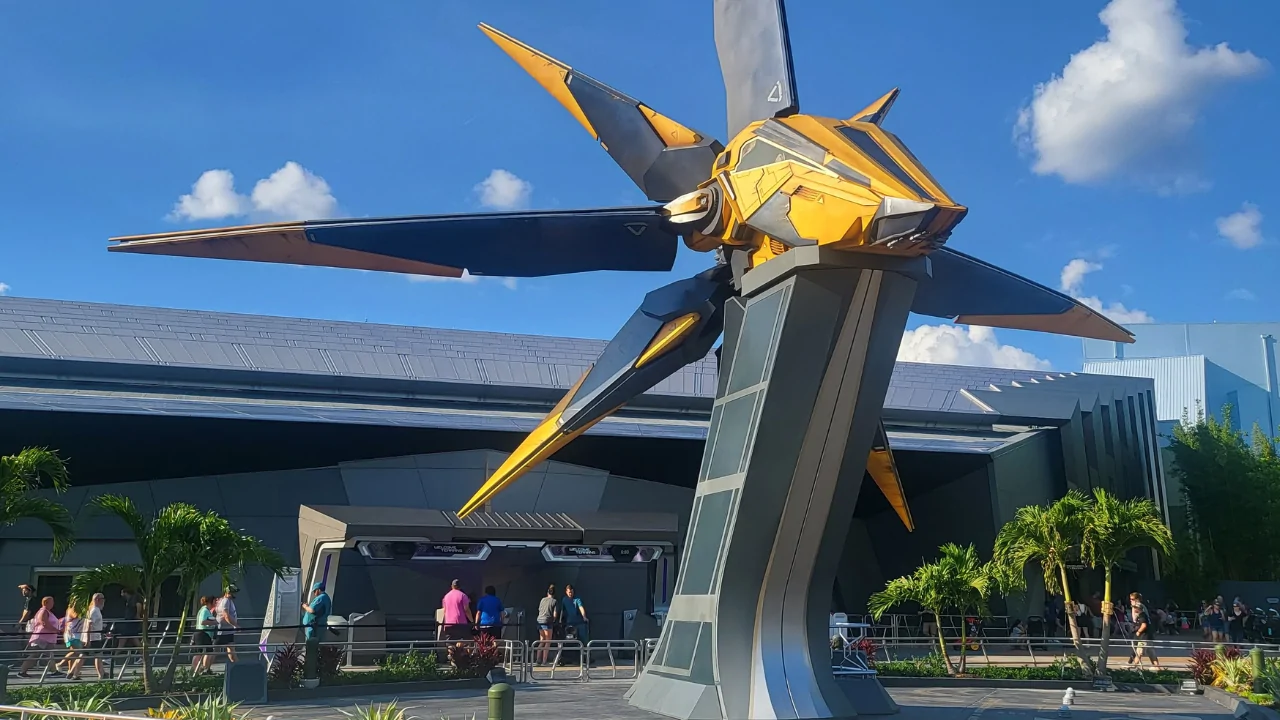
The Exterior of Guardians of the Galaxy Cosmic Rewind in EPCOT at Walt Disney World – Photo Credit: That Park Place
And that narrative has gained traction across social media, where countless guests—including some longtime Annual Passholders—have shared stories of sudden denials and confusing policy shifts.
What Disney Changed in 2025
While the DAS overhaul itself began in spring 2024, several operational tweaks were made this year.
New Eligibility Rules for Video Calls
Disney added a requirement that the qualifying guest be physically present on camera during the interview. Cast Members also clarified that recording the call is prohibited.
Extended Validity Periods
Annual Passholders and long-range planners now receive a DAS window that can last up to one year or the length of their ticket.
Registration Window Extended
The pre-arrival application window doubled—from 30 days to 60 days.
Removal of “Only” from Eligibility Language
Earlier this year, Disney quietly revised the wording of its Disability Access Service eligibility criteria by removing a single—but significant—word: “only.” Prior to the change, the official policy stated that DAS was intended only for guests with developmental disabilities who could not tolerate traditional queue environments.

Spaceship Earth in Walt Disney World at night – Photo Credit: That Park Place
That phrasing created a narrow definition that effectively excluded any disability or condition that did not fit into the developmental-disability category.
By removing the word “only,” Disney softened the language and opened the door—at least on paper—to a slightly broader range of qualifying conditions. The company did not publicly announce the change, but disability advocates immediately noticed the revision because the earlier phrasing had been cited prominently in the ongoing class-action lawsuit against Disney. That lawsuit argues that the prior language was overly restrictive and may have violated federal disability laws by limiting eligibility to a single disability category.
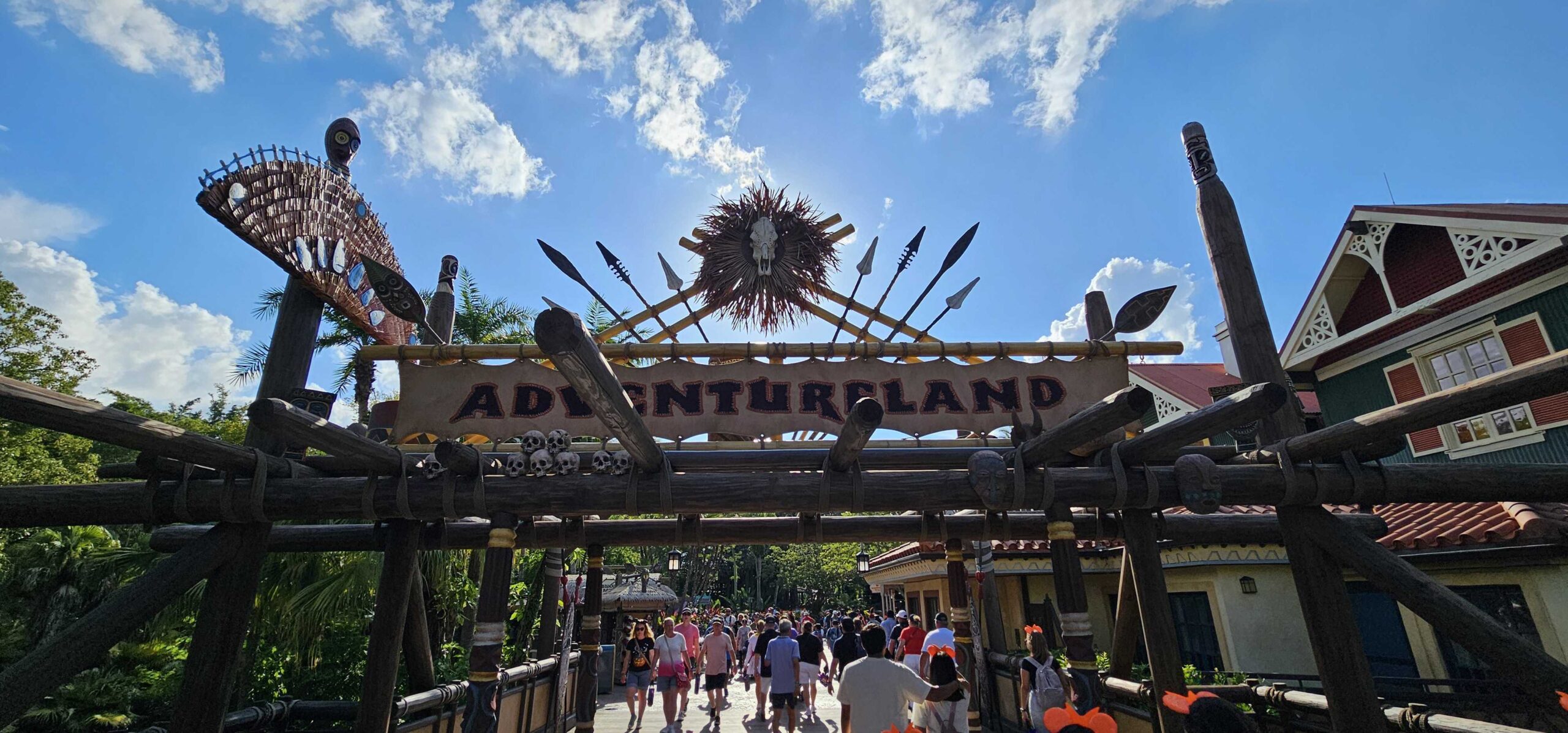
A new Adventureland Sign in the Magic Kingdom at Walt Disney World – Photo Credit: Follow The Bradley’s Fun
The revision does not fundamentally overhaul who qualifies for DAS, as approvals still depend on a discretionary interview process, but it does appear crafted to reduce legal exposure. Without the word “only,” Disney can argue that the criteria were never meant to be exclusionary and that Cast Members always had discretion to consider a range of disabilities—even if, in practice, approvals remain tightly regulated.
Altogether, these changes reduced DAS volume and lowered wait times. Disney Tourist Blog, which has intensely covered queue analytics, notes that DAS issuances had tripled from 2019 to 2023—a level the company viewed as unsustainable.

The “It’s a Small World” attraction at the Magic Kingdom in Walt Disney World – YouTube, DLP Welcome
READ: Soarin’ Across America Opening Date Confirmed for Disney World, Disneyland
According to Disney, the overhaul led to shorter and faster standby queues.
But the success of that operational goal came with a cost: more denials, more complaints, and a sense among disabled guests that the pendulum had swung too far.
Why Disney Wants the Proposal Thrown Out
In its filing to the SEC, Disney asked regulators to allow the company to exclude the proposal entirely from its 2026 proxy materials. In the company’s own words, it requested permission to omit the proposal because it’s “materially false and misleading in violation of Rule 14a-9,” or because it relates to “ordinary business operations,” or because the company has already “substantially implemented” the review being demanded.
The exterior for Test Track 3.0 at EPCOT in Walt Disney World – YouTube, Attractions Magazine
Disney’s position is essentially that:
- Attendance declines had other causes
- Park operations are not within shareholder purview
- No additional disclosures are required
The company also maintains that it has already done the necessary due diligence regarding DAS, though it has not released the specifics publicly.

The exterior of Tiana’s Bayou Adventure in Walt Disney World – Photo Credit: M. Montanaro
From a governance standpoint, that kind of response is not unusual. Disney has historically taken a firm stance against proposals it considers overreach—including those that wade into political or cultural territory. But denying this particular request is already fueling headlines, because it touches on a deeply personal issue for many families who plan their entire vacations around disability accommodations.
How We Got Here: Abuse, TikTok, and the Lightning Lane Era
The context for all of this matters.
Disney’s decision to tighten DAS was driven by what sources inside the company and numerous analysts described as widespread exploitation. DAS had morphed into a de facto unlimited Lightning Lane for many users—not the program’s intended purpose. A cottage industry of “DAS tutorials” on TikTok, the monetization of Lightning Lane itself, and the lack of proof requirements created perfect conditions for abuse.

Looking up at The Hollywood Tower Hotel (The Twilight Zone Tower of Terror) at Disney-MGM Studios at Walt Disney World, December 2004. Photo Credit: The original uploader was Techclub at English Wikipedia., CC BY-SA 3.0 <http://creativecommons.org/licenses/by-sa/3.0/>, via Wikimedia Commons
READ: Surprise Golden Globes Snubs Hit Wicked: For Good and Sydney Sweeney
When the overhaul took effect, fraud dropped—but so did access for legitimate users, some of whom had relied on DAS for years.
This is the tension at the heart of the debate:
- Operational efficiency has improved
- Disabled-guest experience has suffered
- Public backlash has grown louder
Disney is trying to hold the middle, but the proposed shareholder resolution suggests that middle may not be holding.
Will This Proposal Go Anywhere?
Realistically—no.
Shareholder proposals challenging Disney policy almost always fail, and Disney is already arguing that this one shouldn’t even reach the ballot. Even if it did, large institutional shareholders tend to side with management unless the financial case is overwhelming.
But the optics are another story.

Promotional image of Peter Pan’s Flight via Disney World website
This proposal ensures that Disney World DAS policies remain a mainstream topic rather than a niche debate on social media. It also brings renewed scrutiny to the class-action lawsuit, to inconsistencies in the approval process, and to the emotional impact described in dozens of guest testimonials.
Disney has signaled no interest in reversing course. However, “softening” the interview process or allowing more discretion for Cast Members—ideas even sympathetic analysts have raised—might become a middle-ground solution the company eventually adopts.
Cinderella Castle in Walt Disney World at Dusk looking into Liberty Square – Photo Credit: M. Montanaro
For now, guests who depend on DAS will continue watching closely. The DAS Defenders’ effort may not force Disney’s hand, but it has already succeeded in putting the company’s controversial accessibility revamp back in the spotlight.
Do you think Disney World and Disneyland will ever make DAS more accessible again? Sound off in the comments and let us know!
UP NEXT: Paramount Hacked — X Bio Rewritten to Accuse Studio of Serving a “Fascist Regime”
