

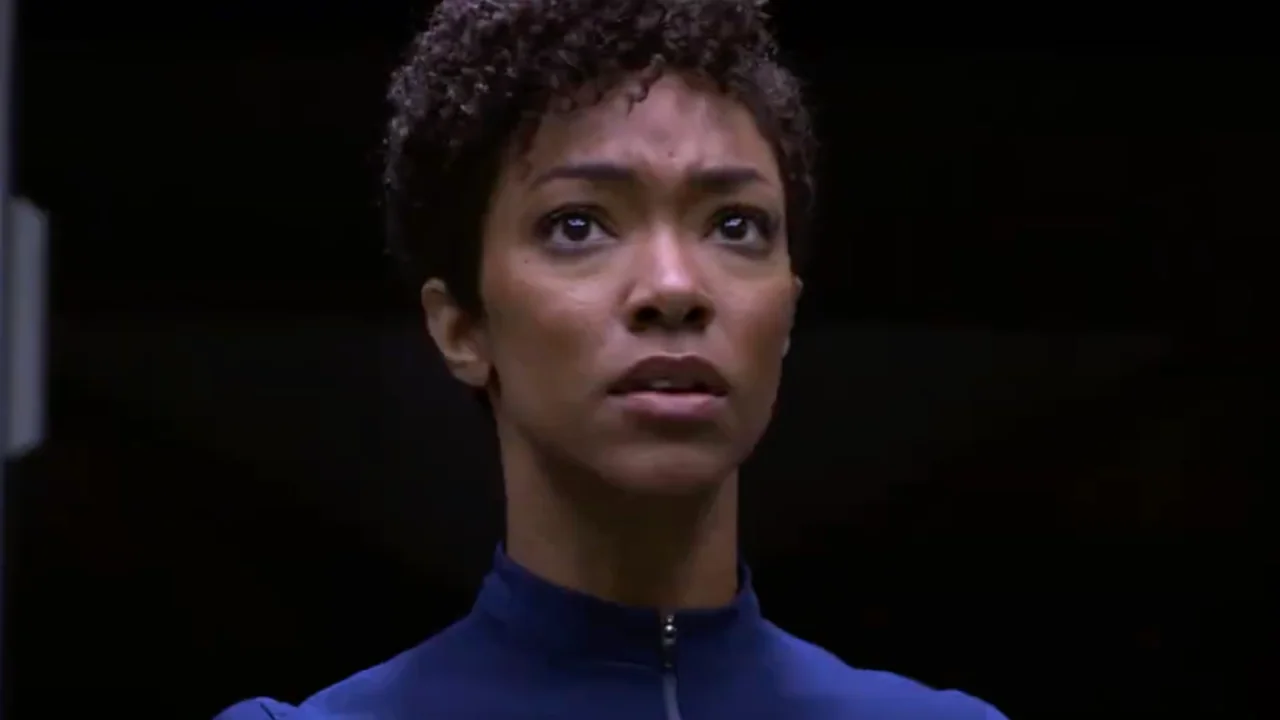
Skydance Media has outlined sweeping changes to Paramount Global’s operations as part of its $8 billion merger acquisition. The commitments, detailed in letters to the Federal Communications Commission (FCC), include the complete elimination of diversity, equity, and inclusion (DEI) programs across Paramount and its subsidiaries, such as CBS, alongside the appointment of an independent ombudsman to oversee potential biases in CBS News reporting.
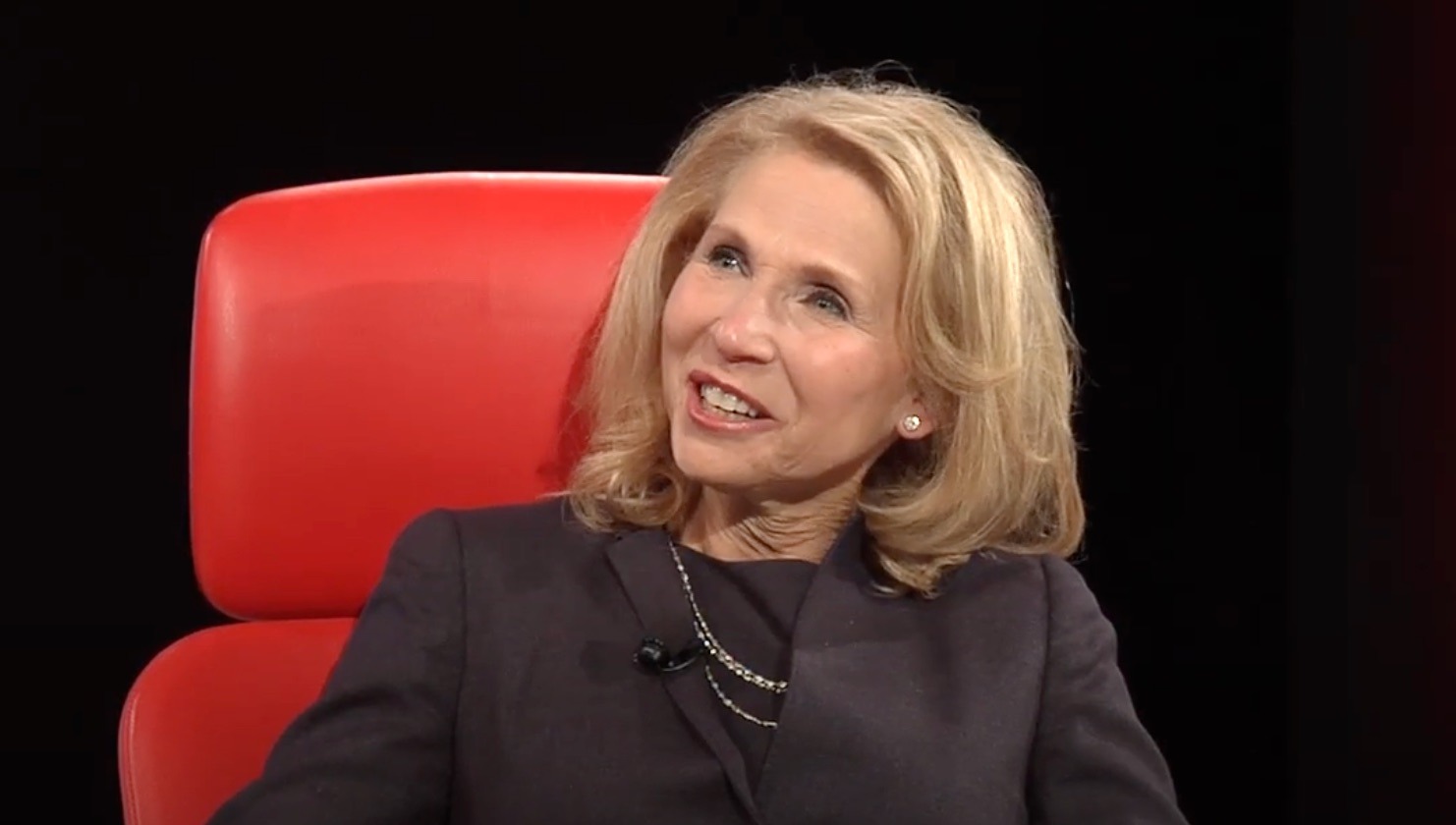
Paramount owner Shari Redstone sits for an interview – YouTube, Vox Media
These steps aim to prioritize merit-based hiring, nondiscriminatory practices, and a broader spectrum of viewpoints in content creation, reflecting a push toward operational efficiencies and public interest standards.
Merger Background and Regulatory Hurdles
The merger between Skydance, led by CEO David Ellison, and Paramount has been under FCC scrutiny since early 2025, primarily due to the transfer of broadcast licenses for CBS stations. The review process has extended beyond the typical 180-day informal timeline, reaching over 250 days. Skydance’s latest pledges come amid efforts to secure approval from the Trump administration’s FCC, chaired by Brendan Carr.

Sonic, Knuckles, and Tails from the Sonic The Hedgehog 3 Trailer – Paramount Pictures
The deal positions Skydance to transform Paramount into a tech-entertainment hybrid, leveraging AI tools for content production and distribution.
Ellison’s vision emphasizes innovation and cost savings, with Skydance projecting “significant efficiencies” that could strengthen the future of broadcasting. The merger follows a tumultuous negotiation period, including earlier stalled talks in June 2024 and a renewed agreement in July 2024. This culminatied in the current regulatory phase.
Key Commitments: Phasing Out DEI and Enhancing Accountability
Skydance’s letter to the FCC, penned by General Counsel Stephanie Kyoko McKinnon, explicitly states that post-merger, “New Paramount” will dismantle all existing DEI frameworks.
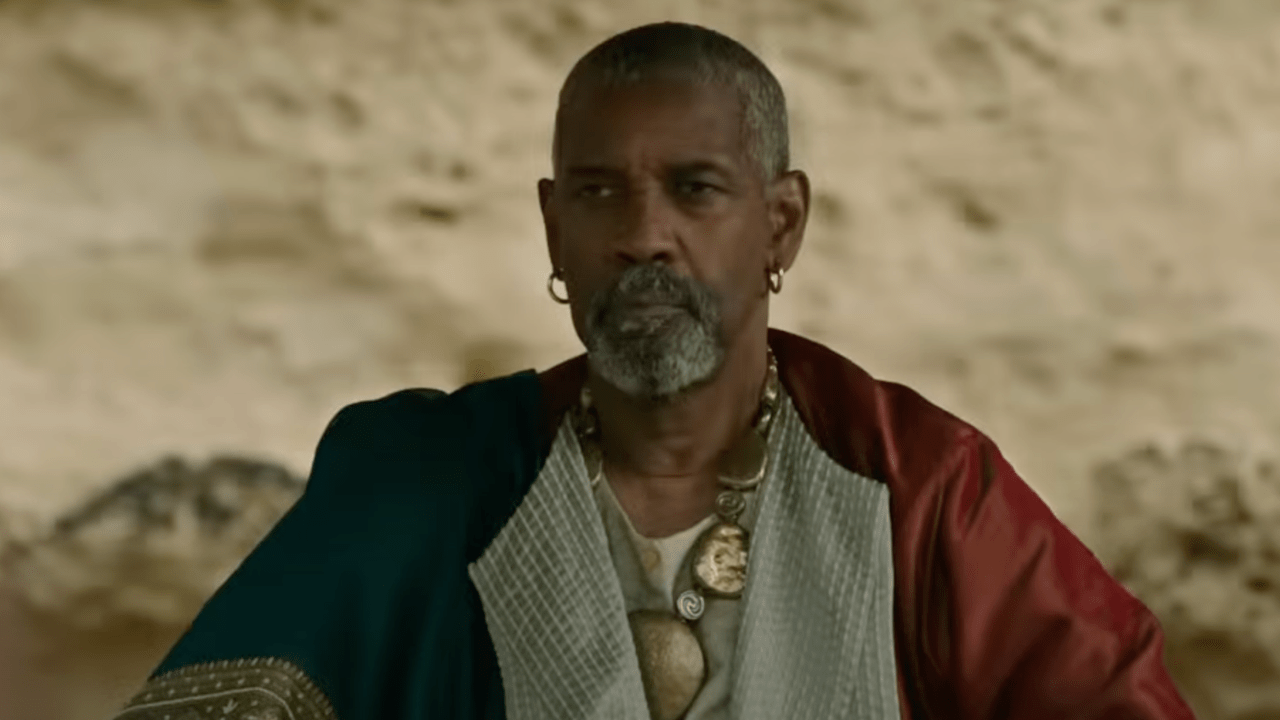
Denzel Washington in the trailer for Gladiator 2 – YouTube, Paramount Pictures
This includes:
- Ceasing numerical goals tied to race, ethnicity, sex, or gender for job applicants and employees.
- Excluding these characteristics from promotion criteria and compensation plans.
- Eliminating minimum spending requirements for diverse suppliers.
- Removing DEI references from internal training, social media, websites, and business conduct statements.
- Closing the Office of Global Inclusion and reallocating employee resource groups under human resources, with a new focus on “employee culture and engagement.”
Skydance emphasized that it currently operates without DEI programs and has no plans to introduce them, instead committing to compliance with Equal Employment Opportunity Commission (EEOC) guidelines on nondiscrimination.
The company asserts this shift will ensure equal opportunities based on merit, allowing Paramount to “reflect the many audiences and communities it serves” through storytelling that adheres to legal standards.
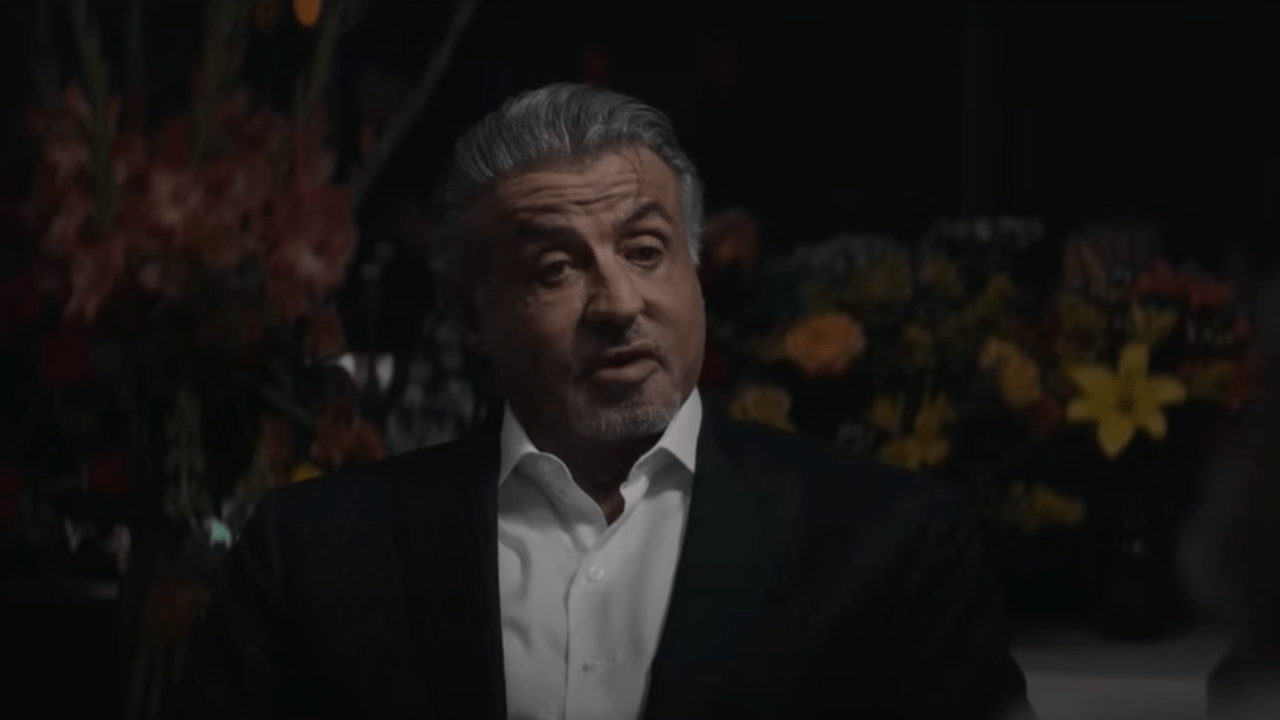
Sylvester Stallone as Dwight ‘The General’ Manfredi in Tulsa King (2022), Paramount Plus
In parallel, Skydance pledged to appoint an ombudsman for CBS News, reporting directly to incoming President Jeff Shell. This role, lasting at least two years, will handle “any complaints of bias or other concerns,” promoting “transparency and increased accountability.” The move is designed to guarantee that CBS programming embodies a “diversity of viewpoints across the political and ideological spectrum” and remains “fair, accurate, and fact-based.”
These assurances incorporate input from petitioners, including the conservative Center for American Rights, which has advocated for broadcasters to uphold public interest obligations as trustees of public airwaves.
Broader Context: Trump’s Influence and Related Settlements
The commitments unfold against a backdrop of political and legal pressures. President Donald Trump recently highlighted a $16 million settlement from Paramount over a disputed CBS 60 Minutes interview, plus an anticipated $20 million from Skydance, though Paramount denies including public service announcements in the deal.

U.S. President Donald Trump sits for an interview with ABC News – YouTube, ABC News
Trump has credited FCC Chairman Carr for advancing these outcomes, framing them as victories for balanced media.
Conservative voices have lauded the changes.
It looks like the Left is about to completely lose ideological and political control of one of the three big networks: Skydance to Eliminate DEI at Paramount, Appoint CBS News Ombudsman to Review ‘Complaints of Bias’https://t.co/co4KZg0JOU
— Tom Fitton (@TomFitton) July 23, 2025
Daniel Suhr, president of the Center for American Rights, described them as “important steps towards better broadcasting that serves all consumers,” urging networks like ABC, NBC, and PBS to follow suit. On X, users like Tom Fitton of Judicial Watch celebrated the potential loss of “ideological and political control” over a major network, viewing it as a win for meritocracy.
Public and Industry Reactions
Reactions on X and in media circles reveal a polarized landscape. Conservative commentators praised the elimination of DEI as a return to merit-based systems, with posts highlighting inefficiencies in quota-driven hiring and potential boosts to creative quality.
Just as we said! President Donald Trump is making Star Trek great again! That’s not all! CBS and Paramount, too!
Skydance Media, led by David Ellison, has confirmed in a letter to the FCC that it will eliminate all Diversity, Equity, and Inclusion (DEI) initiatives at Paramount… pic.twitter.com/Vuj6hijupy
— Cosmic Book News (@cosmicbooknews) July 23, 2025
For instance, Cosmic Book News tied the move to revitalizing franchises like Star Trek, suggesting it could distance Paramount from “divisive messaging.”
More extortion as Trump forces Skydance to eliminate DEI in order for the FCC to approve the deal.
Skydance vows to eliminate DEI, ensure “diversity of viewpoints” at Paramount https://t.co/al1YozT90U
— Morgan J. Freeman (@mjfree) July 23, 2025
Critics, however, expressed concerns. Some X users warned of viewer losses for CBS and accused the changes of undermining inclusivity, with one labeling it “extortion” by Trump to influence the merger.
Liberal outlets like CNN and The Independent framed the pledges as concessions to “Trump’s FCC,” potentially signaling a shift in media oversight.
The recent cancellation of The Late Show with Stephen Colbert has further intensified the debate, sending shockwaves through liberal circles in Hollywood.
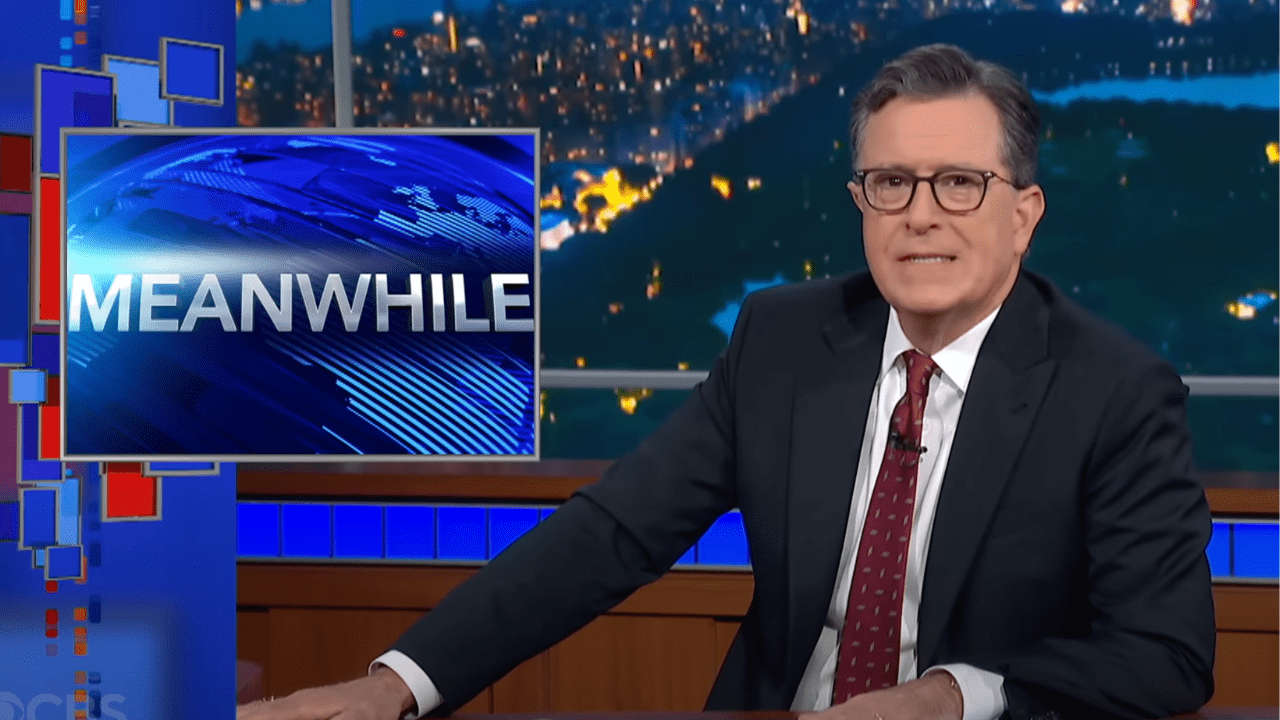
Stephen Colbert on The Late Show With Stephen Colbert – YouTube, The Late Show With Stephen Colbert
Announced on July 17, 2025, soon after Paramount settled its lawsuit with President Trump and amid the pending FCC merger approval, the move has been portrayed by some as a strategic concession to secure regulatory green lights.
Colbert, known for his criticism of Trump, addressed the axing on air, declaring the “gloves are off” after labeling elements of the merger a “big fat bribe.”
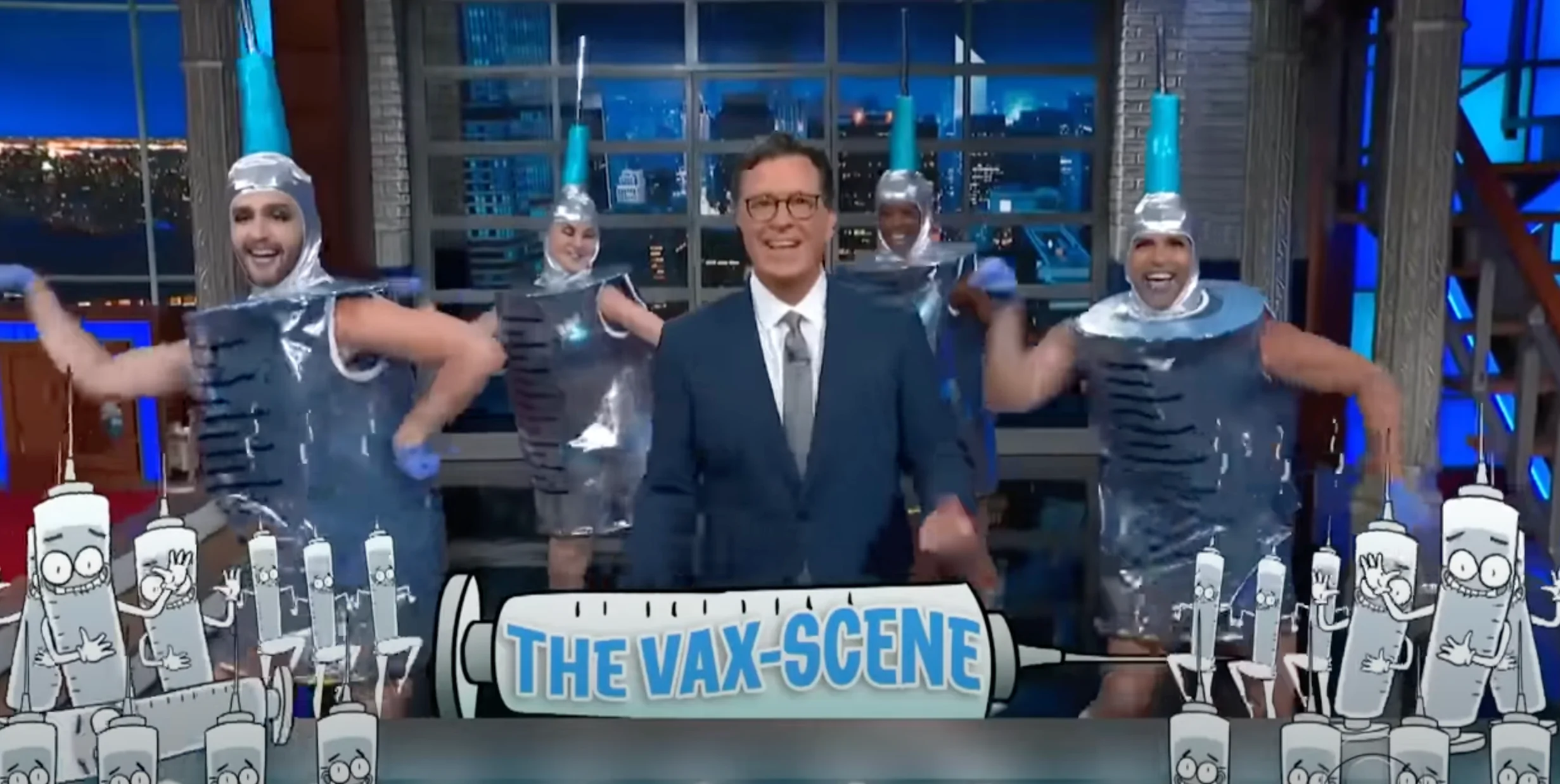
Stephen Colbert dances around with human needles – YouTube, The Late Show With Stephen Colbert
Industry observers note that DEI programs, while aimed at fostering representation, have faced scrutiny for creating perceived inefficiencies and legal risks, especially post-2023 Supreme Court rulings on affirmative action. Skydance’s approach aligns with a growing trend in corporate America toward streamlined, merit-focused policies that prioritize talent and innovation over mandated diversity metrics.
Implications for Hollywood and Broadcasting
This merger could mark a pivotal shift in Hollywood, where DEI initiatives have been staples since the mid-2010s amid calls for greater representation. By dismantling these structures, Skydance signals a bet on meritocracy to drive efficiency and appeal to a wider audience, potentially reducing costs associated with supplier quotas and specialized offices.
For CBS News, the ombudsman role introduces a layer of accountability that could address longstanding complaints of ideological slant, fostering trust in an era of polarized media consumption.

The logo for 60 Minutes – YouTube, CBS Evening News
Critics argue this might limit diverse storytelling, but proponents substantiate that nondiscrimination laws already ensure fairness, allowing content to succeed on quality rather than quotas.
These changes could set a precedent for other broadcasters, emphasizing public interest over internal agendas. With FCC approval pending, the deal’s closure could usher in a new chapter for Paramount, focused on technological advancement and balanced perspectives in an increasingly competitive landscape.
How do you feel about Paramount scrapping DEI? Sound off in the comments and let us know!
UP NEXT: Warner Bros. Takes 2025 Box Office Throne From Disney—But a Year-End Battle Looms

I have my doubts but we’ll just have to wait and see, I guess.
I’m with you. I’ve been waiting for the 1st real domino to fall. Only problem is, if this Skydance is truly committed to purging all this garbage, how long will that take? Years? They have to completely gut the current infestation of executives. The replacements will have to start scouring for talented writers and visionaries. Then production.
Fingers crossed, by 2030 we’ll see some headway.
The reason both Star Wars and the Marvel Cinematic Universe were successful is because they were each created, for the most part, outside the studio system. Star Wars was a singular person’s vision and the MCU had very few participants at the beginning because it was Marvel’s genesis into a new medium. The lack of committees and c-suite over site is what led to the tight, cohesive storytelling. Of course that success caused each of these individual entities to be swallowed up by the evil whole. Once something outsider becomes successful and loved nowadays, it’s killed by the weight of that success because ALL the unworthy dei hires now have put their spin on “it” too. It’s like that jokey horrible new girlfriend that tells you “I love you so much! Now let me change everything about you!”
Anyway, the only good thing just over the horizon will come from something small, before the mouse, or similar ilk can get ahold of it.