


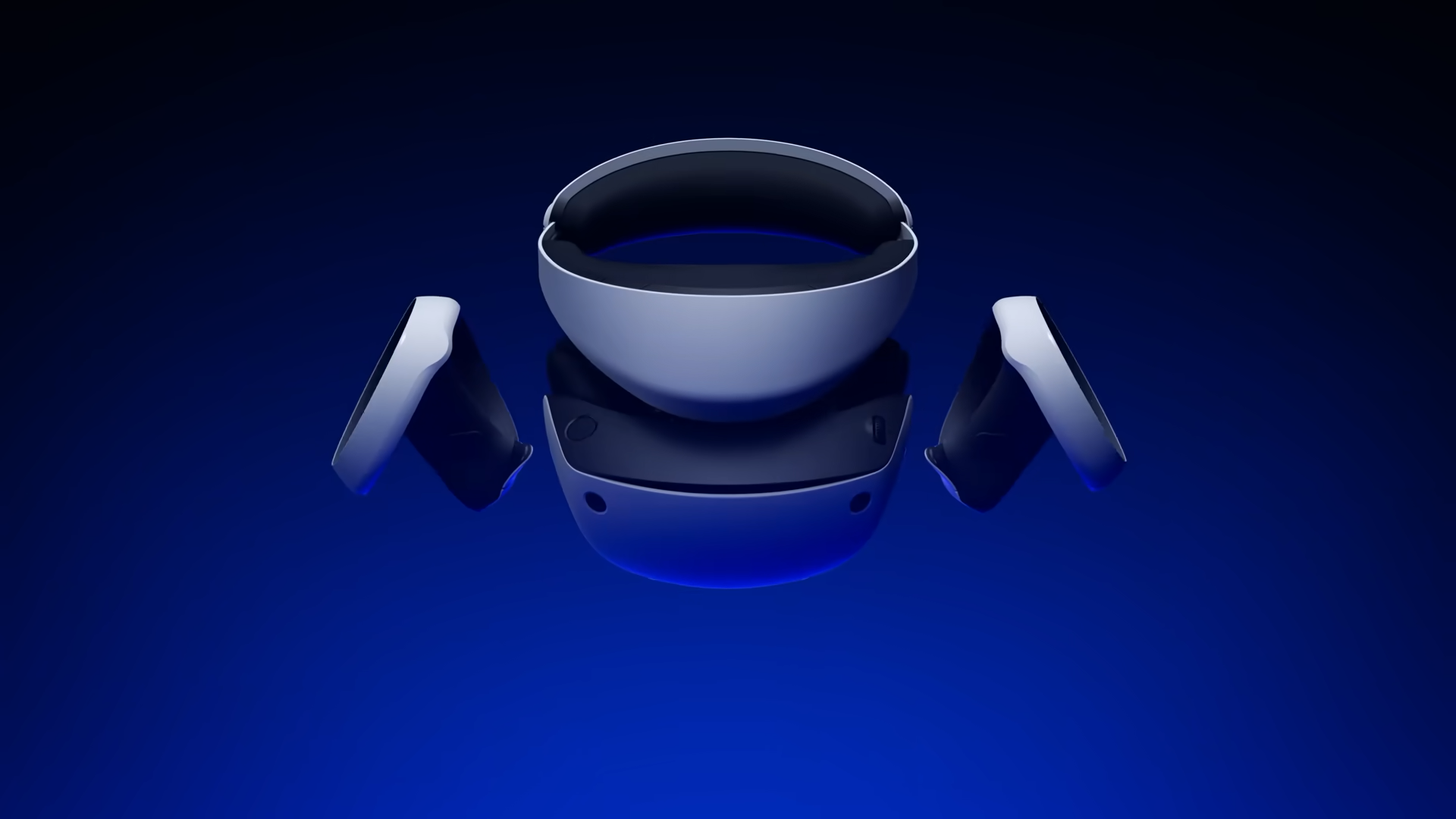
Sony is transferring hundreds of patents to Meta, raising questions about whether the PlayStation maker still considers virtual reality a major part of its future.
According to Road to VR, citing ZDNet Korea, 43 U.S. patent properties changed hands between June and September 2026. They cover virtual, augmented, and mixed reality technologies, including head-mounted displays and related information processing.
Those transfers represent part of a larger agreement. A confirmatory assignment signed in December 2025 covers 419 patents worldwide, including 180 U.S. patents and another 239 across other regions.
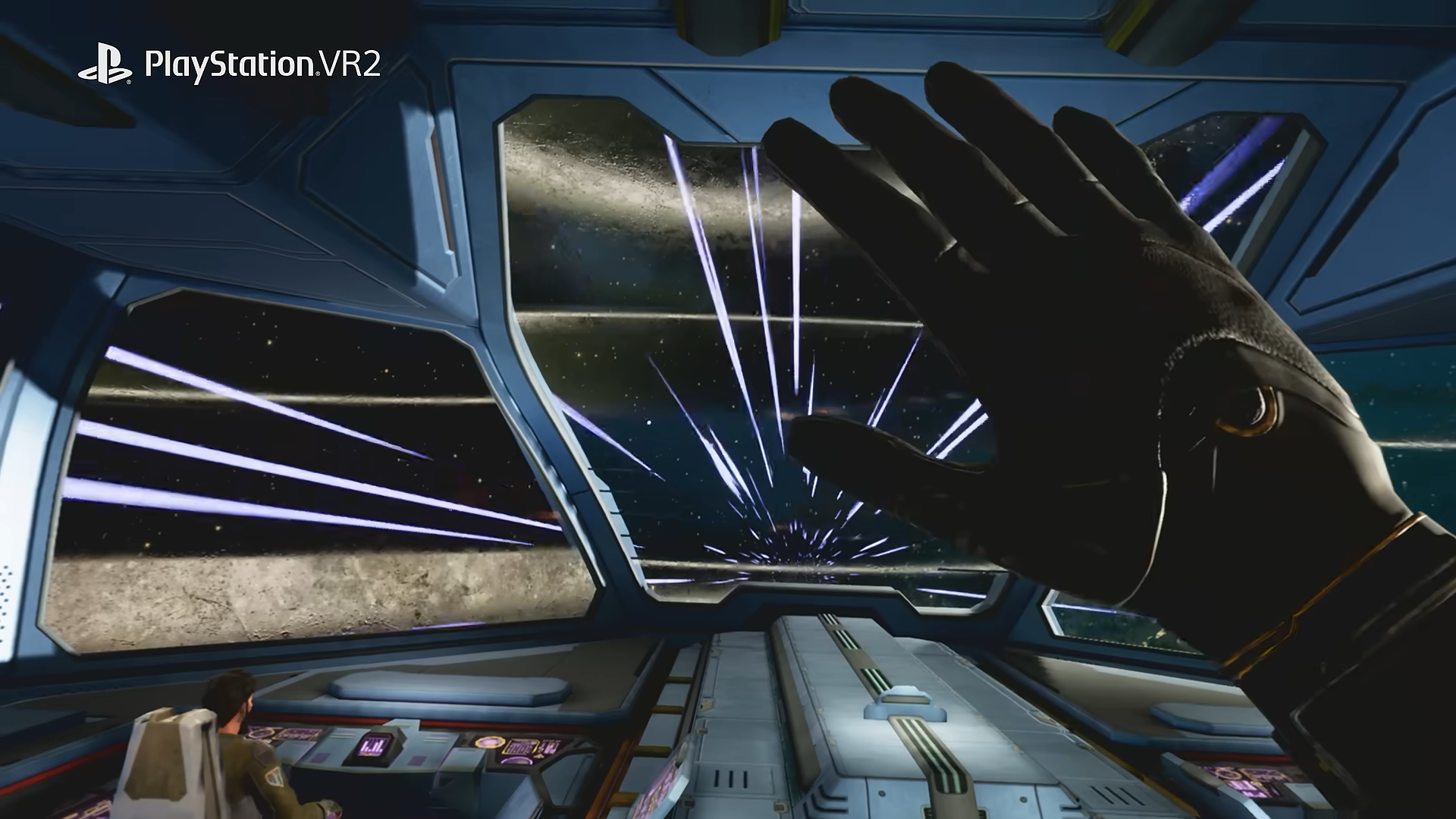
Game play footage from the PlayStation VR2 – PlayStation, YouTube
READ: Avengers: Endgame Re-Release Surpasses Supergirl’s Entire Worldwide Box Office Run
The filing dates provide useful context. As ComicBook.com notes, the 43 recorded U.S. patents were filed between 2010 and 2022, spanning the development years of PSVR and PSVR2.
Sony is therefore transferring intellectual property from its earlier VR research. That does not make the technology obsolete, but it limits what the sale reveals about its newest experiments or future headset plans.
Nevertheless, it is a substantial portfolio to hand over to another company pursuing immersive hardware. Neither company has publicly explained the transaction, and the sale does not confirm that Sony is abandoning VR.
PlayStation VR2 Never Made VR Essential
The deal invites scrutiny of Sony’s commitment to the category.
PlayStation VR2 launched in February 2023 at approximately $550, a considerable additional expense for players who already needed a PlayStation 5. Its showcase experiences included Horizon Call of the Mountain and VR support for Gran Turismo 7 and Resident Evil titles.
Those games demonstrated the appeal of stepping inside familiar worlds. Convincing ordinary players to buy another expensive piece of hardware was a separate challenge.
VR offers experiences that traditional gaming cannot easily reproduce. Yet its appeal remains closer to an enthusiast niche than an essential feature of console ownership.
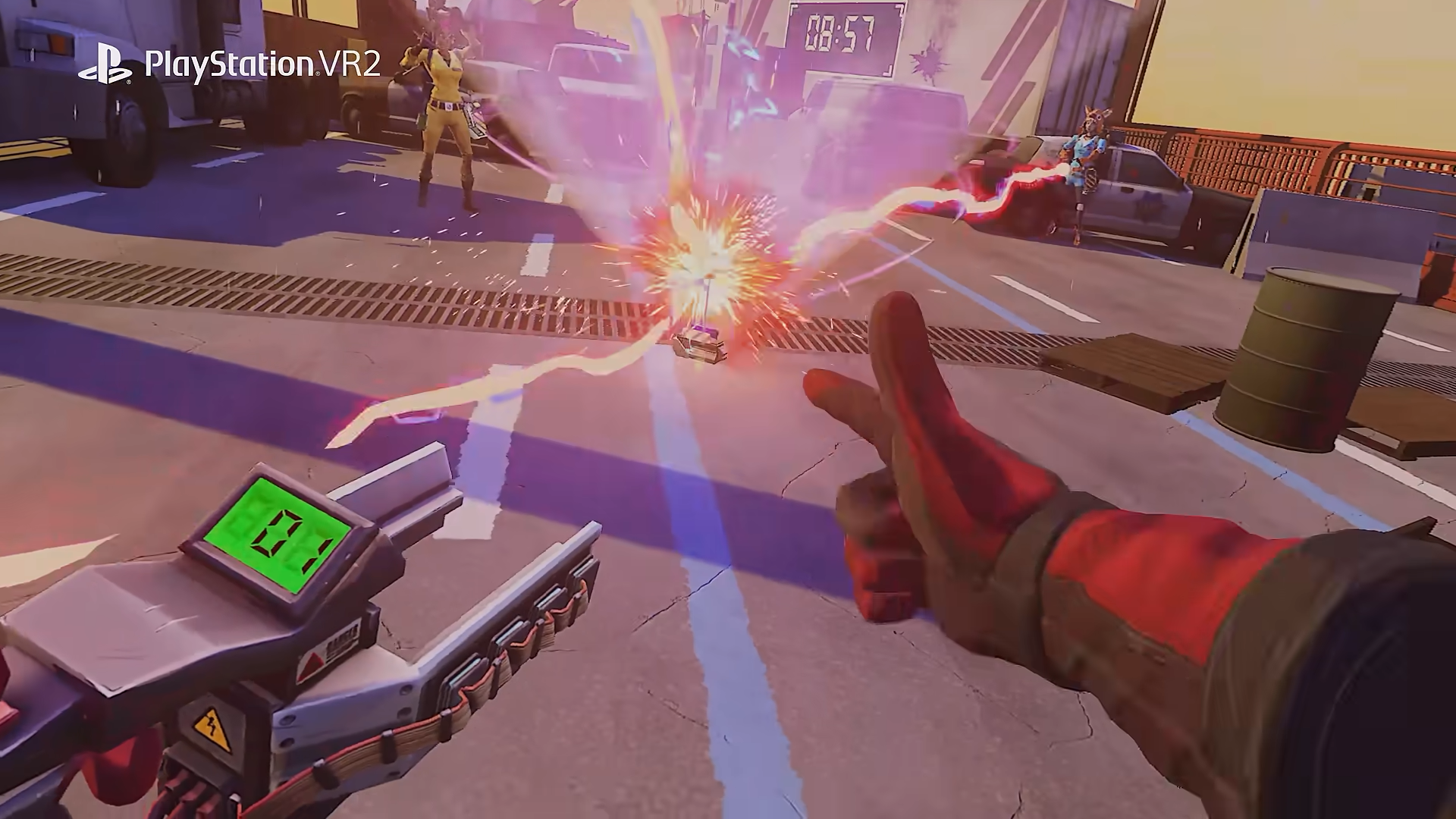
Game play footage from the PlayStation VR2 – PlayStation, YouTube
READ: Walt Disney World Claims Cheapest Priced Tickets Have Not Increased — Good Luck Buying It
The PSVR2 headset weighs approximately 1.24 pounds, making comfort another consideration alongside cost. Players also have to decide whether they will use it often enough to justify the investment.
Sony expanded PSVR2’s usefulness in August 2024 with a $59.99 PC adapter, giving owners access to SteamVR games. However, features including HDR and eye tracking are unavailable on PC.
The adapter gave existing owners more options without answering whether Sony would continue investing heavily in exclusive VR experiences.
Meta Is Still Betting on Immersive Hardware
While Sony’s patent transfer suggests a possible retreat, Meta continues developing new hardware.
The company recently unveiled Meta VR Glasses, a mixed reality device scheduled for spring 2027 at $1,300. Its processing hardware and battery sit in a separate puck, reducing the weight worn on the user’s head.
Meta is pitching the device for gaming, entertainment, and productivity, hoping to broaden its appeal beyond existing VR enthusiasts.
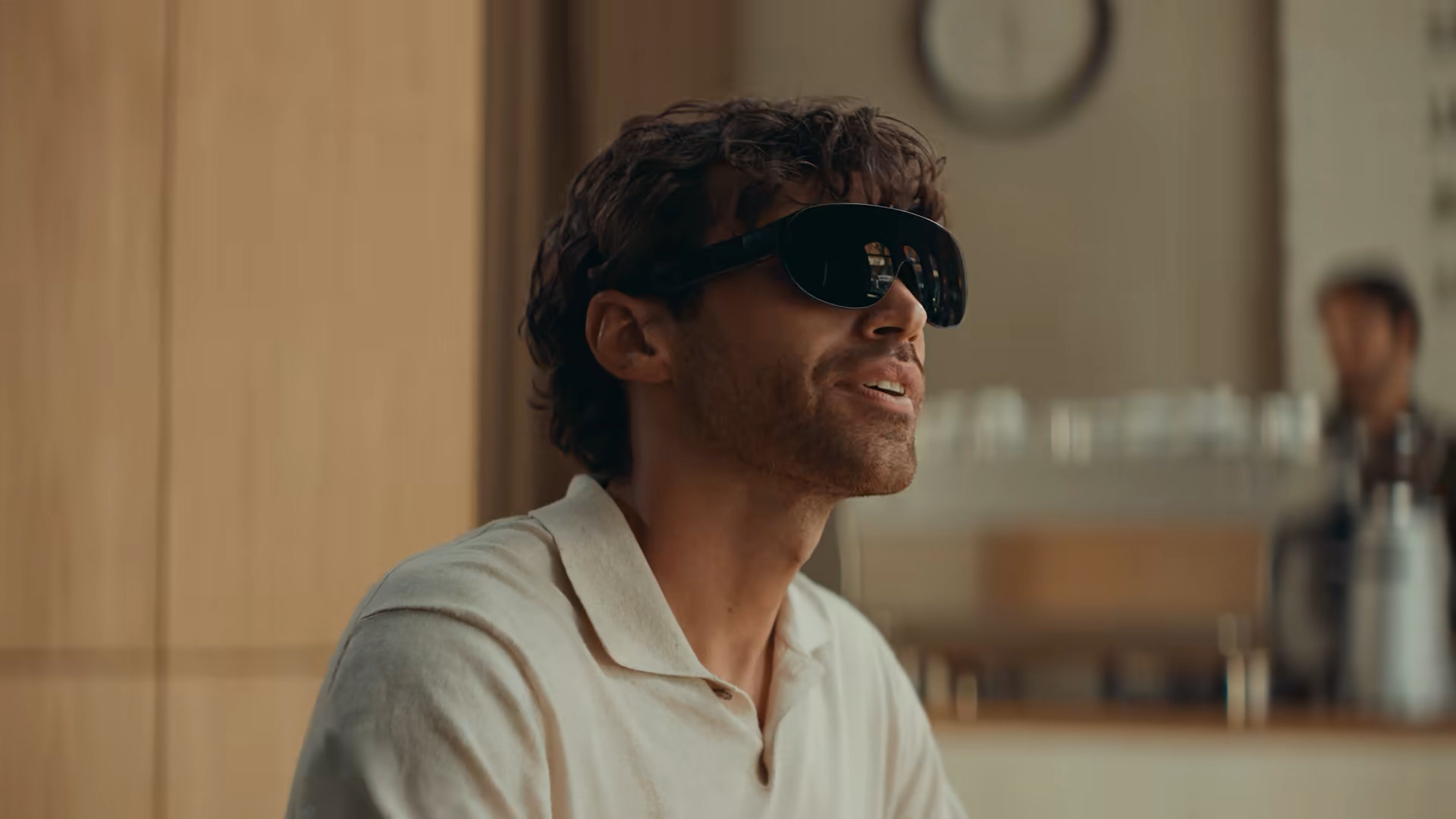
Promotional image of the Meta VR glasses – Meta VR, YouTube
READ: Doctor Who Returns With New Animated Children’s Series
Whether that approach can make immersive technology mainstream remains uncertain. A lighter design could improve comfort, but the price presents another obvious barrier.
Sony’s VR Future Remains Unclear
So, is Sony done with VR?
Selling a substantial patent portfolio could signal reduced ambitions, but it does not confirm the end of PlayStation VR.
The bigger question is whether Sony sees enough demand to justify another generation of hardware and the games needed to support it. Enthusiasts can keep a platform alive, but reaching a broader audience requires a compelling reason to put on the headset regularly.
For now, Sony’s next move remains unclear. Meta, meanwhile, is still betting that immersive hardware can grow beyond the niche audience that has sustained it.
Do you think that Sony is done with VR? Sound off and let us know!
UP NEXT: John Leguizamo Cries Over Lack of Latino Representation After Four Decades of Hollywood Success
