


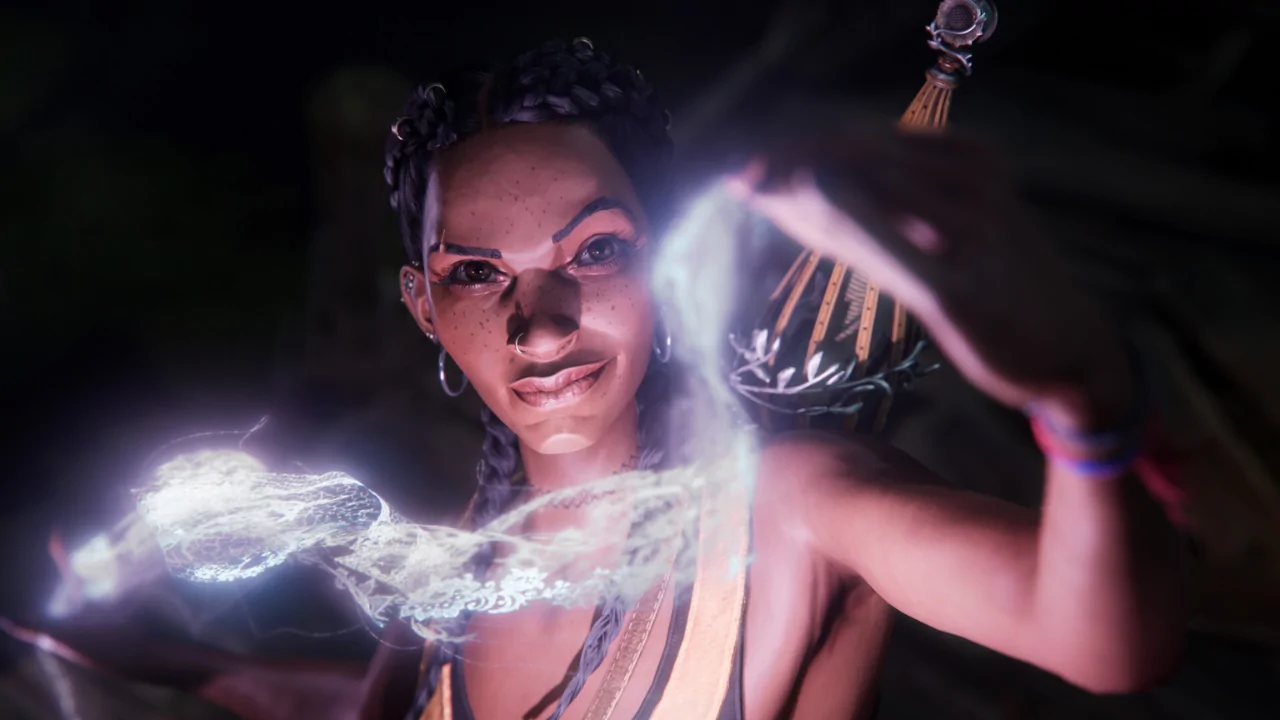
Despite what you might have heard from the gaming media, the South of Midnight player count is anything but a success a month after release.
When South of Midnight was announced, it promised something bold—a narrative-driven action-adventure steeped in Southern Gothic folklore with a unique stop-motion art style. It debuted with fanfare during Microsoft’s showcase events and landed day-one on Xbox Game Pass. From the moment it was revealed, the gaming press rallied around it.
But a month after launch, the South of Midnight player count numbers tell a very different story: almost no one is playing it.
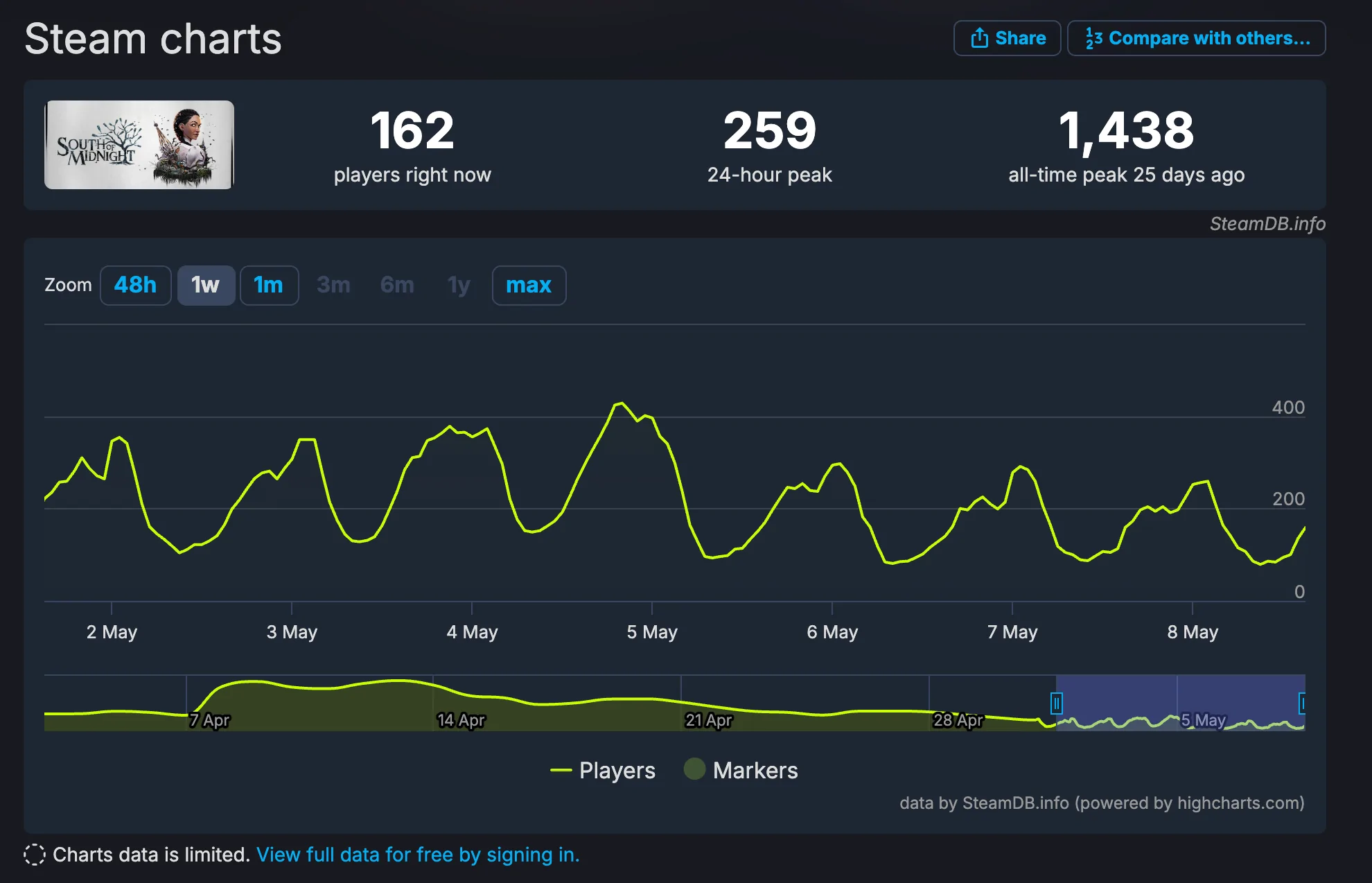
South of Midnight concurrent players on Steam as of May 8, 2025 – Steam
READ: Disney CFO ‘Encouraged’ by Trump Film Tariff Plan – ‘He Wants to Make the Industry Stronger’
On Steam, where player data is publicly available, South of Midnight peaked at a player count of just 1,438 during its debut week. This morning, a full month after the game released, that number plummeted to around 162 concurrent players. And yet, Microsoft and some gaming media outlets are still framing the game as a success. Why? Because it was downloaded over a million times on Game Pass.
Game Pass Isn’t a Lifeline—It’s a Distraction
Compulsion Games, the studio behind South of Midnight, touted the million-player milestone with pride. But that number is misleading. Game Pass allows anyone with a subscription to try a game risk-free. Players don’t have to buy it, don’t have to finish it, and can delete it after five minutes with no consequence.
In short, that “1 million” figure is based on exposure—not retention, not satisfaction, and certainly not success in the traditional sense.
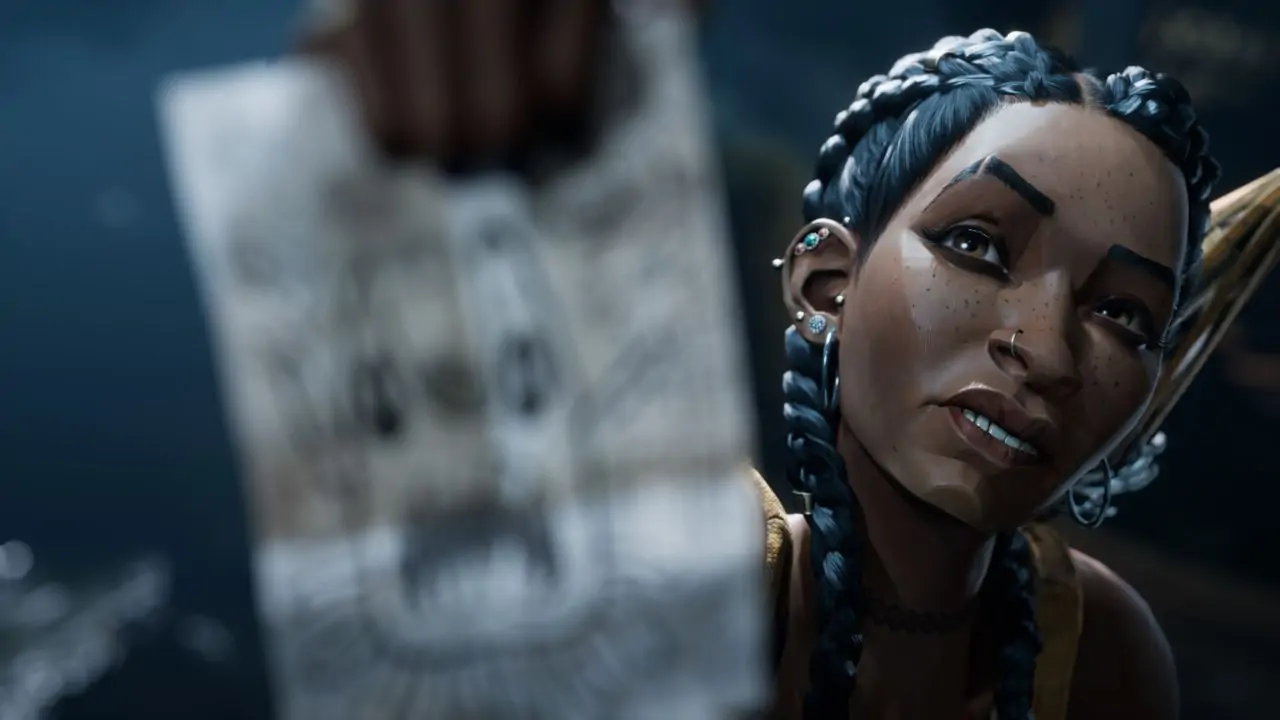
A screenshot from South of Midnight (TBA), Compulsion Games
This isn’t the first time Game Pass has been used to mask a lack of interest. Many underperforming titles are shuffled into the service as a way to inflate engagement metrics and soften financial expectations. But savvy players and analysts are catching on.
A million passive downloads doesn’t mean your game has legs. If South of Midnight really resonated with its audience, we’d see Twitch streams, YouTube breakdowns, fan theories—something. Instead, the game has disappeared from public conversation.
The Media Framed It as a Cultural Milestone
Much of the pre-release praise focused not on gameplay, but on what South of Midnight was trying to do. The Verge called the game a “worshipful praise song” of Black Southern culture. Kotaku described it as “fantastic” and applauded its themes and emotional resonance, though even they admitted the combat grew repetitive and stale.
But the reviews often felt like they were grading on a curve—one based on the game’s representation and message, rather than its mechanics.
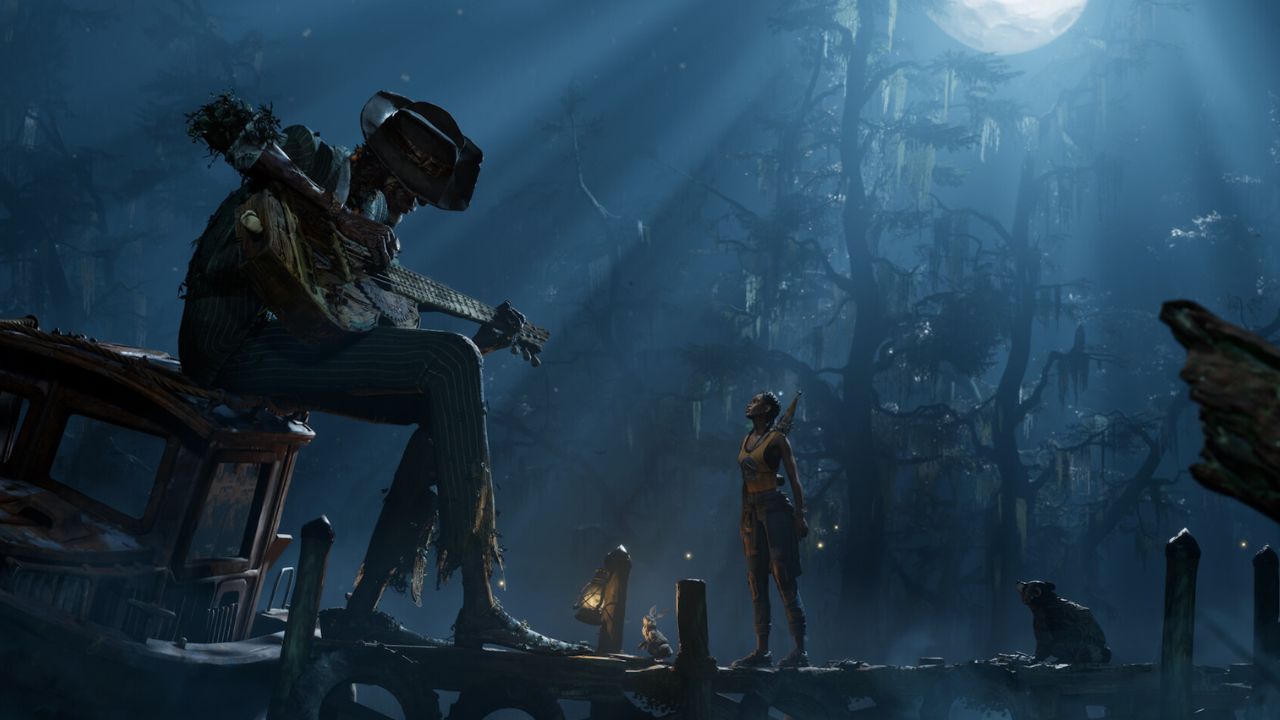
A screenshot from South of Midnight (TBA), Compulsion Games
This kind of framing is increasingly common in today’s games media landscape. There’s a push to elevate titles that carry identity-driven narratives, even if they falter in execution. While representation can be a meaningful part of any story, it shouldn’t eclipse the fundamentals of good design, pacing, and gameplay satisfaction.
Unfortunately, South of Midnight followed a now-familiar pattern: market the message, downplay the mechanics, then hope the press coverage carries it.
The Sweet Baby Inc. Blueprint—And Direct Involvement
South of Midnight is tied directly to Sweet Baby Inc., one of the most controversial companies in the history of gaming.
Kim Belair, the founder of Sweet Baby Inc., was one of the lead narrative designers on the project, and her consultancy played a significant role in shaping the game’s world, characters, and story. This wasn’t just a brief collaboration—it was a core part of the game’s development pipeline.

Sweet Baby Inc. CEO Kim Belair via InclusionFX YouTube
Sweet Baby Inc. has made headlines in recent years for its growing influence over narrative-driven games that prioritize identity themes, cultural representation, and stylized storytelling. The company has worked on projects like Gotham Knights, Goodbye Volcano High, Boyfriend Dungeon, and Spider-Man 2—all of which launched with significant press support and all of which struggled to maintain player interest.
Critics argue that the firm’s storytelling approach often leans more into crafting symbolic messages than delivering compelling gameplay experiences. In South of Midnight, that critique once again surfaces. With its heavy focus on tone, theme, and representation, the game reflects many of the same decisions seen in previous SBI-affiliated titles—decisions that tend to impress media outlets, but fall flat with actual players.
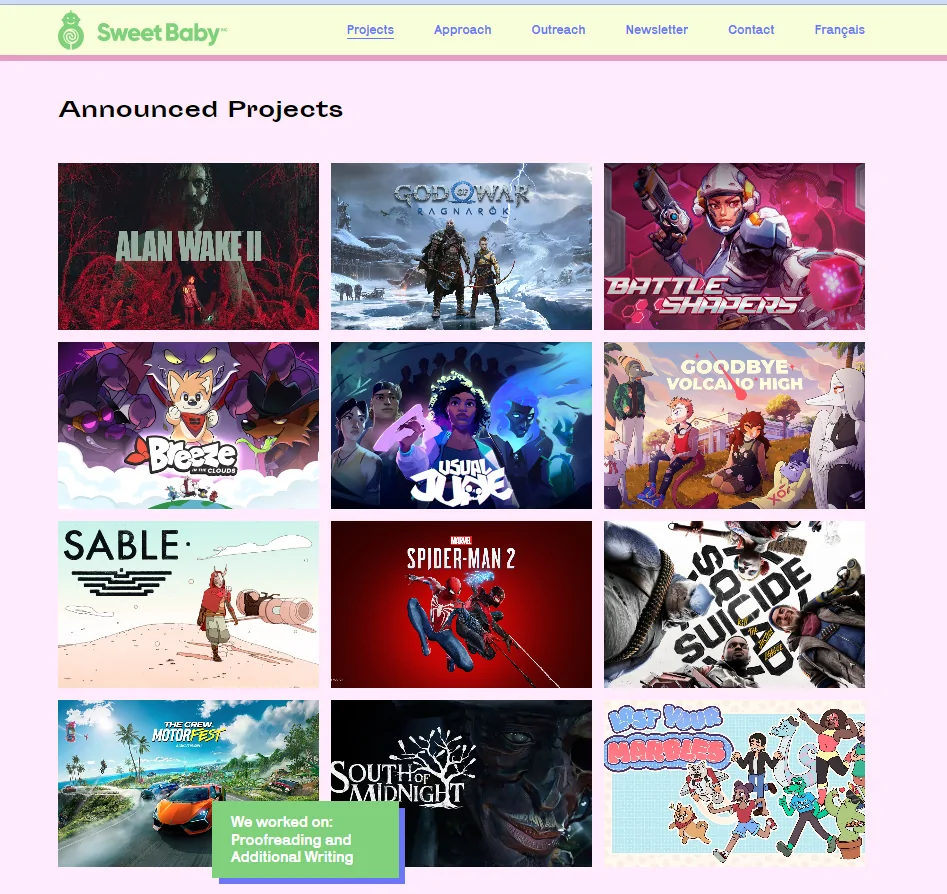
A screenshot of Sweet Baby Inc.’s website listing a number of games the company has worked on.
When a game becomes more about sending a message than offering engaging mechanics, it risks losing its audience entirely. South of Midnight now joins a growing list of titles where the Sweet Baby formula simply didn’t connect.
The Pikachulita Controversy
Adding fuel to the fire is community manager Katie Robinson, known online as Pikachulita. A tweet of hers from years past resurfaced during the South of Midnight launch, in which she stated: “Honestly? I hate gamers.” While she later clarified that the tweet was meant to express frustration over online harassment, the damage was done.
This is just pathetic. I hope @CompulsionGames is happy with their decision to keep @PikaChulita on board as their CM while she did irreparable damage by attacking the gaming community.
It sure let us know where they stood. With DEI, nepotism, and hating white & Asian people. A… pic.twitter.com/0mX726XQNQ
— JayViper (@JayViperTV) April 9, 2025
In an industry where developers are increasingly perceived as being out of touch or outright hostile to their own player bases, comments like that don’t help. Robinson was involved in community promotion for the game, and her presence became symbolic of a wider cultural divide in gaming—where some studios seem more interested in appeasing activists on X than building lasting relationships with actual players.
Another Case of Style Over Substance
To be clear, South of Midnight isn’t without merit. Its art direction is inventive. Its concept—fusing magical realism with Southern folklore—is underutilized in gaming and deserved a thoughtful execution.
But ideas alone don’t make a game. Execution does.
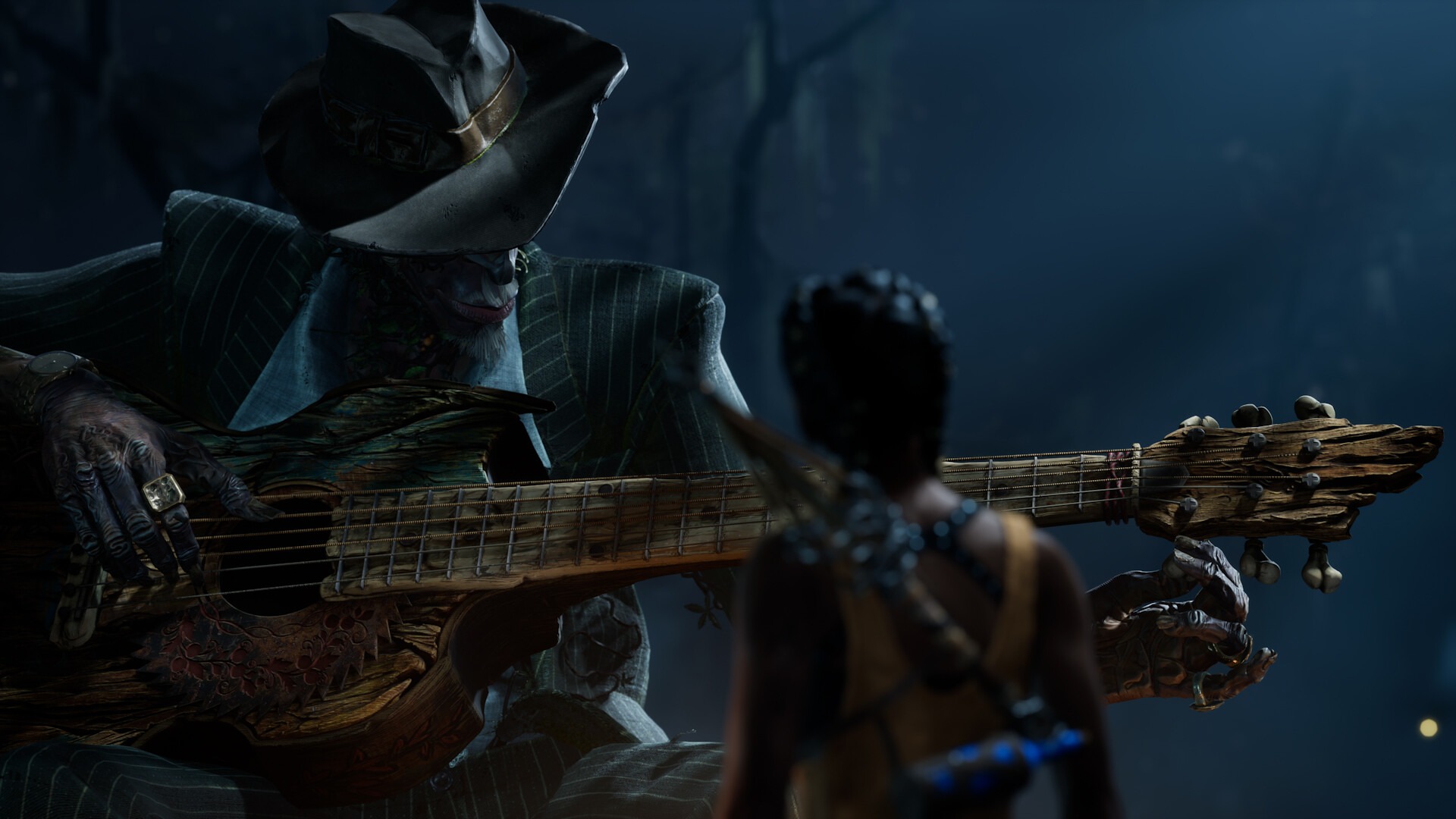
A screenshot from South of Midnight (TBA), Compulsion Games
Unfortunately, South of Midnight suffers from shallow combat, a lack of meaningful exploration, and a runtime that many players pegged at just around 7.5 hours. In today’s market, where indie games regularly deliver 20+ hour experiences and AAA blockbusters push 100, this just wasn’t enough.
The art style may be striking, but it wasn’t enough to hold attention. And no amount of cultural allegory can make up for the fact that people simply didn’t enjoy playing it.
The Bigger Picture: A Trend Microsoft Can’t Ignore
This isn’t just about one game. South of Midnight represents a broader issue with Xbox’s recent first-party strategy. Instead of doubling down on gameplay-forward, genre-defining experiences, Microsoft has greenlit a number of titles that prioritize narrative themes and social messaging.

A screenshot of the Sweet Baby Inc. Detected Steam curator list
Redfall, Hi-Fi Rush, Pentiment, and now South of Midnight all share one trait: they were marketed as artistic statements more than games. While Hi-Fi Rush found success thanks to tight mechanics and infectious energy, most of these titles have struggled to capture lasting interest.
Microsoft is spending first-party dollars on passion projects that don’t resonate with the mainstream. If Game Pass is the safety net, it’s starting to wear thin.
Final Thought
A month after launch, South of Midnight has vanished from the conversation. The media tried to declare it a cultural victory. The developers pointed to a million downloads. But players have spoken—with their time, their attention, and their absence.
This was a game promoted for what it represented, not what it offered.
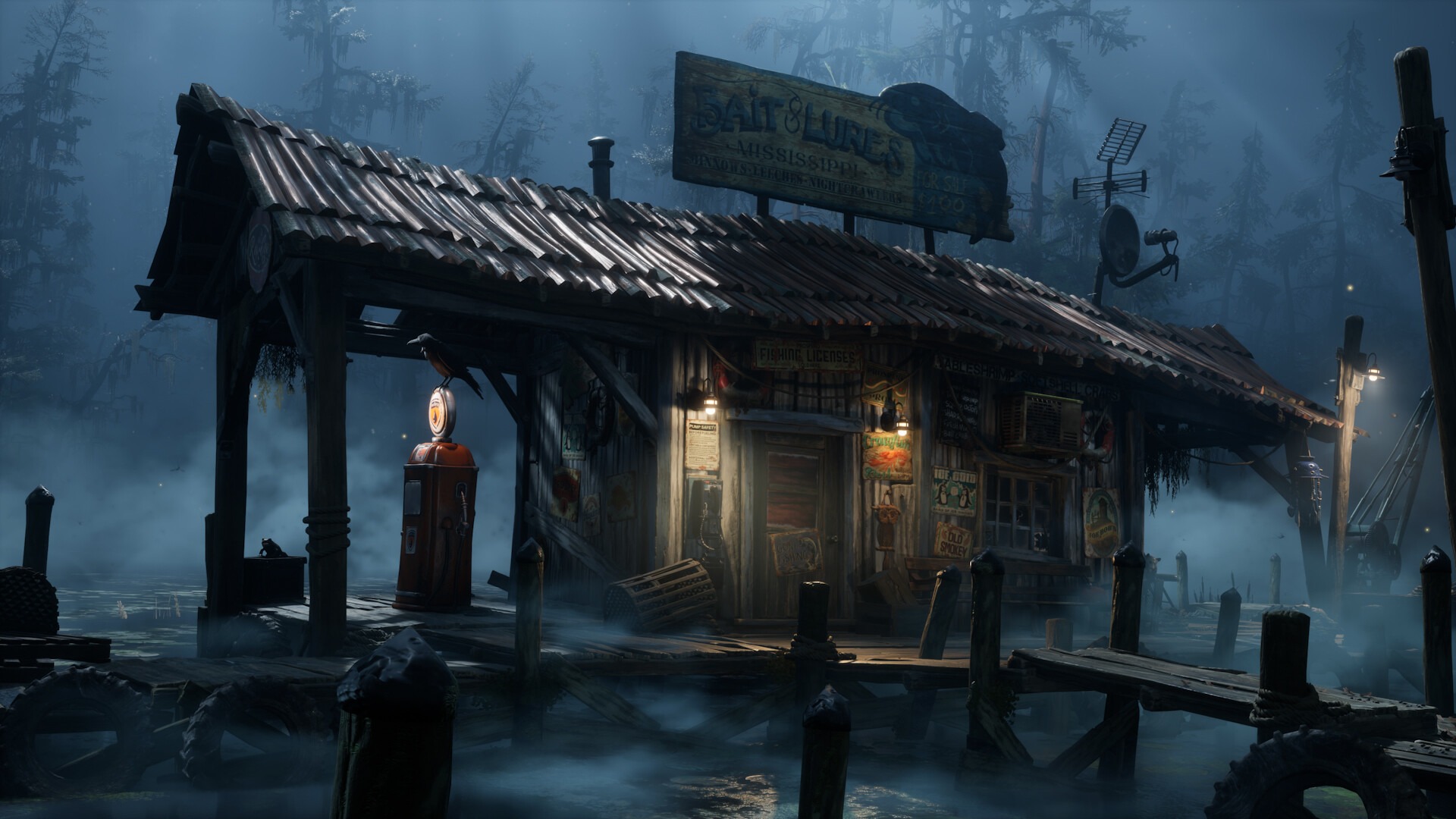
A screenshot from South of Midnight (TBA), Compulsion Games
And now it’s a case study in what happens when studios lose sight of the player.
Are you surprised by the South of Midnight player count? Sound off in the comments and let us know!
