


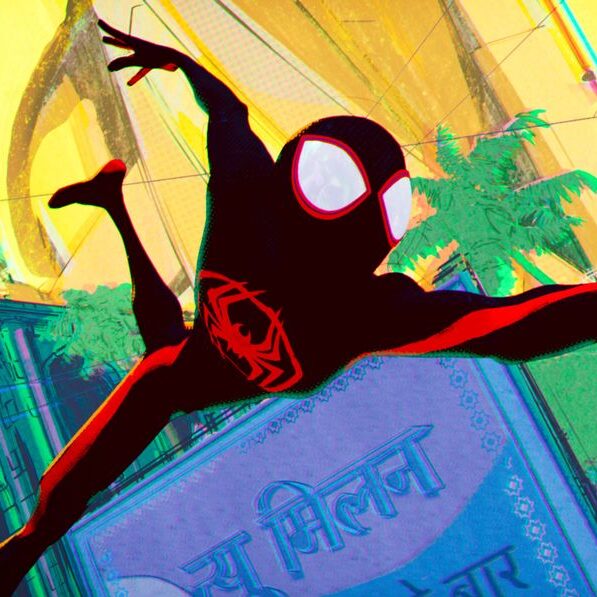
Spider-Man has never looked better than in Sony’s latest outing. Unfortunately, though the story is fun, stories need some sort of resolution. This one has none.
Rating: 4/5
Sony’s animated masterpiece, “Spider-Man: Across the Spider-Verse,” takes us on a mind-bending journey across dimensions, delivering an exhilarating experience that seamlessly integrates various elements of the Marvel Cinematic Universe. With a runtime exceeding two hours, this film effortlessly captivates audiences, immersing them in a web of stunning visuals, complex characters, and philosophical dilemmas. However, the storyline must be said to feel extremely padded to achieve the runtime… and this movie isn’t for everyone.
At the core of the film lies the trolley car philosophical issue, a concept that resonates throughout the narrative. This classic ethical dilemma forces the characters, especially Miles Morales, to confront the consequences of their choices. As Miles grapples with his newfound responsibilities and faces off against a formidable opponent who can traverse dimensions, the film explores the weight of his decisions and the repercussions they have on those around him. One issue here is that the movie never explains why Miles will unravel so much of his world if he makes certain decisions. Without that backstory, audiences may leave feeling the whole thing was contrived. With a runtime such as this, that’s a missing bit of exposition that shouldn’t be left out.
Across the Spider-Verse” delves into the vast multiverse, a realm that showcases the varied incarnations of Spider-Man from Marvel Comics. This cinematic exploration introduces audiences to a plethora of Spider-People from different dimensions, each with their own unique abilities, costumes, and storylines. From the seasoned Peter Parker to the mysterious Spider-Gwen and the noir-inspired Spider-Man Noir, the film pays homage to the rich history of Spider-Man while offering fresh takes on beloved characters. And, of course, there are hundreds of Spider-People and Spider-Things that most people have probably never seen before.
The visual aesthetic of “Across the Spider-Verse” is a breathtaking fusion of art styles, blending 3D animation with comic book-inspired visuals. The result is a dynamic and visually stunning world that pops off the screen, filled with vibrant colors, kinetic action sequences, and an attention to detail that brings the various dimensions to life. The animation team’s meticulous craftsmanship deserves commendation, as they flawlessly capture the essence of the comic book medium.
#AcrossTheSpiderVerse is one of the worst structured Spider-man films/stories I have ever experienced. A half hour story at best stretched beyond two hours, and there's another film to complete it. Pathetic.
— Script Doctor (@ScriptDoctorPhD) June 2, 2023
Furthermore, the film seamlessly weaves together the extended dimensions often featured in Marvel Comics, showcasing the interconnectedness of these diverse universes. It’s a delight for Marvel fans to witness the intertwining threads that connect different incarnations of Spider-Man, hinting at a vast and interconnected web of possibilities for future films.
However, the film’s major flaw lies in its lack of resolution. As a lead-in for a future installment set to release next year, “Across the Spider-Verse” intentionally leaves audiences with a sense of anticipation and yearning for closure. While it successfully sets the stage for what promises to be an epic continuation, some viewers may find themselves longing for a more conclusive ending. Hard breaks at the end of a film are tough, but this one is a cliff-hanger of all cliff-hangers.
Spider-Man: Across the Spider-Verse” is an animated triumph that skillfully blends the Marvel Cinematic Universe with the multiverse concept but lacks the narrative structure one would hope to see out of a film such as this. With its visually stunning animation, engaging characters, and exploration of the trolley car philosophical issue, the film keeps audiences on the edge of their seats for its extended runtime. Though lacking in resolution, it sets the stage for an exciting future chapter in the Spider-Verse saga. Marvel enthusiasts and casual viewers alike will find themselves entangled in the web of this multidimensional adventure. Those not steeped in Spidey may enjoy the awesome visuals but feel left out and bewildered by the film’s likely success.
For all the latest news that should be fun, keep reading That Park Place. As always, drop a comment down below.
