


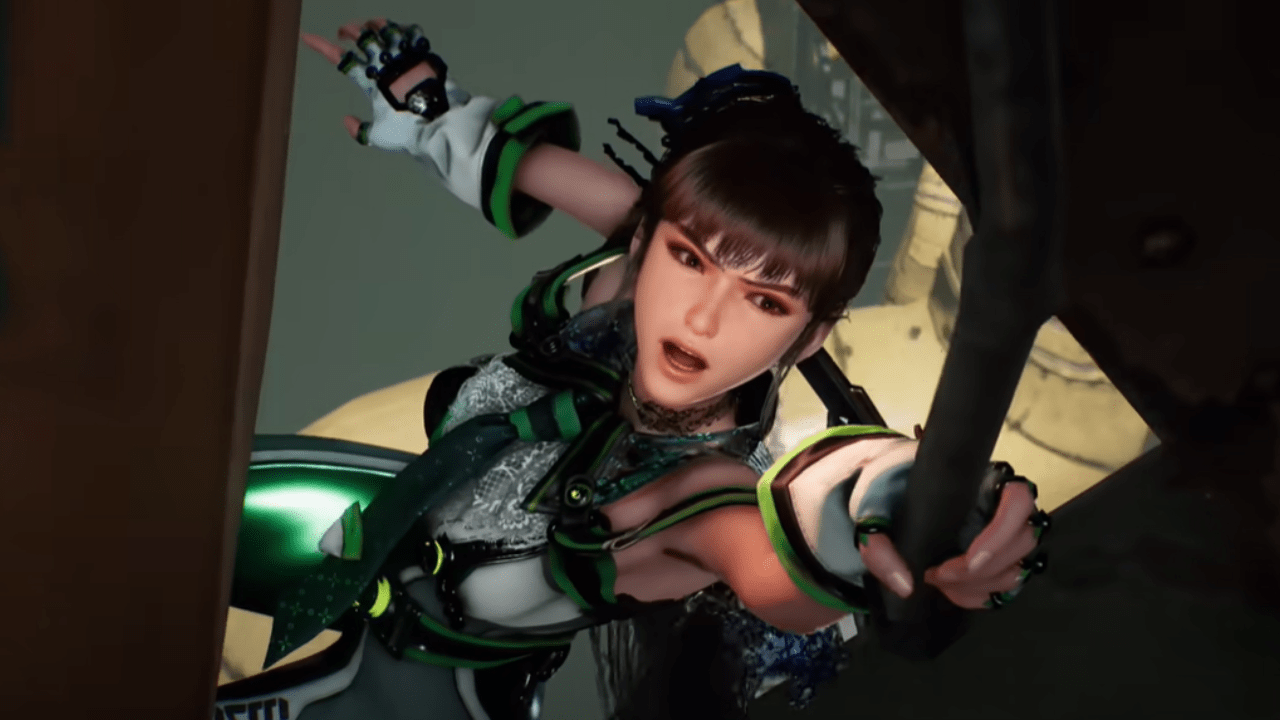
While the gaming industry drowns itself in vague misleading phrases like “players engaged,” “units shipped,” and “active users,” Stellar Blade just dropped the clearest, most honest sales metric a game can offer.
Over 3 million copies SOLD.
Not shipped. Not downloaded on a subscription. Not clicked for 30 seconds on a cloud platform. Sold.
To all Players around the world who have shown love for Stellar Blade, we extend our deepest gratitude and respect.#StellarBlade #3Million #ForPlayers #PS5 #PC pic.twitter.com/Q4zopXzxX5
— StellarBlade (@StellarBlade) June 16, 2025
In a landscape filled with inflated PR spin, Stellar Blade’s success is a reminder of something many studios—and journalists—seem to have forgotten.
Make a great game that respects its audience, and the audience will show up.
Other Studios Play Games with the Numbers
Gaming fans have grown accustomed to publisher double-speak when it comes to performance. For example: “units shipped” is often just retail stock, not real purchases. “Engaged players” might include anyone who opened a demo, streamed it once on Game Pass, or even just clicked through a menu. “Concurrent users” can even be bots, duplicates, or short sessions strung together to look more impressive.
These metrics are designed to look good in investor decks while obscuring the truth.
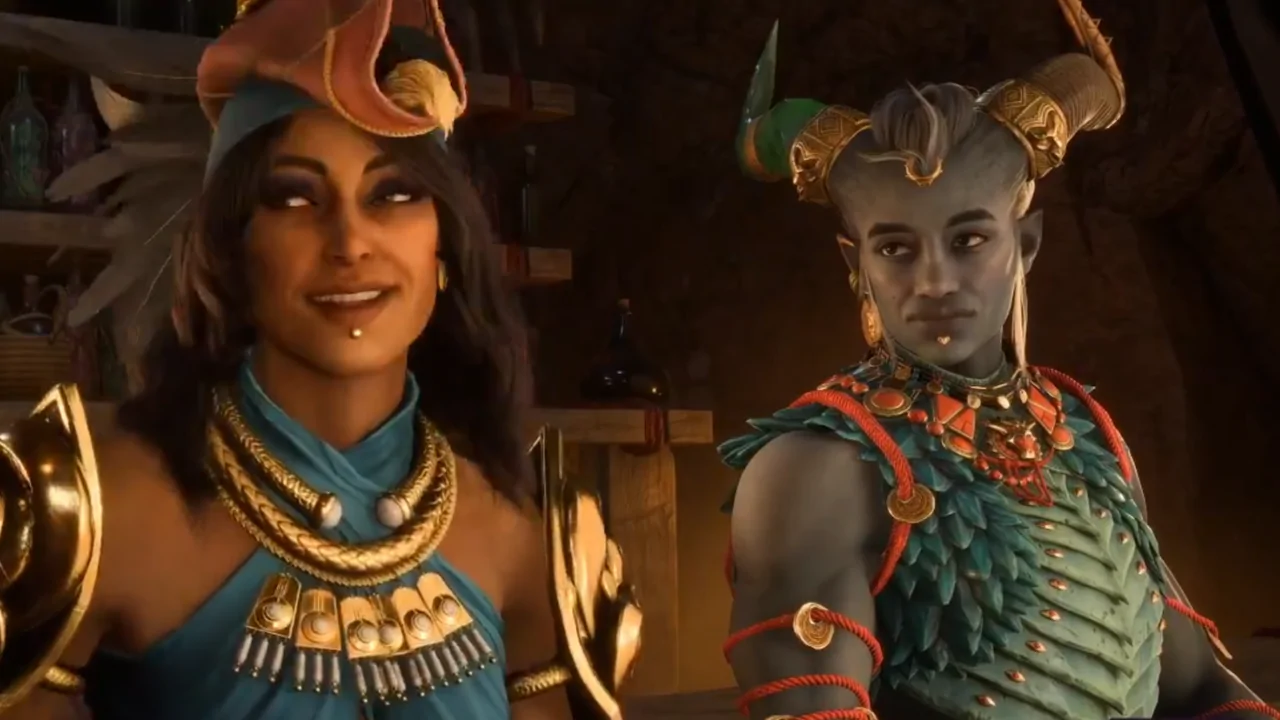
A screenshot from Dragon Age: The Veilguard (2024), BioWare
Take Dragon Age: The Veilguard. EA claimed it had 1.5 million “engaged players,” a number that seems impressive until you realize it likely includes Game Pass users, non-paying demo players, and subscribers trying it once and moving on. No hard sales numbers were given, and analysts pointed out it was well short of the publisher’s internal target of 3 million copies SOLD.
EA also quietly touted that Dragon Age: The Veilguard had shipped over 1 million units within its first three weeks—a figure sourced from internal distribution data, not consumer sales.
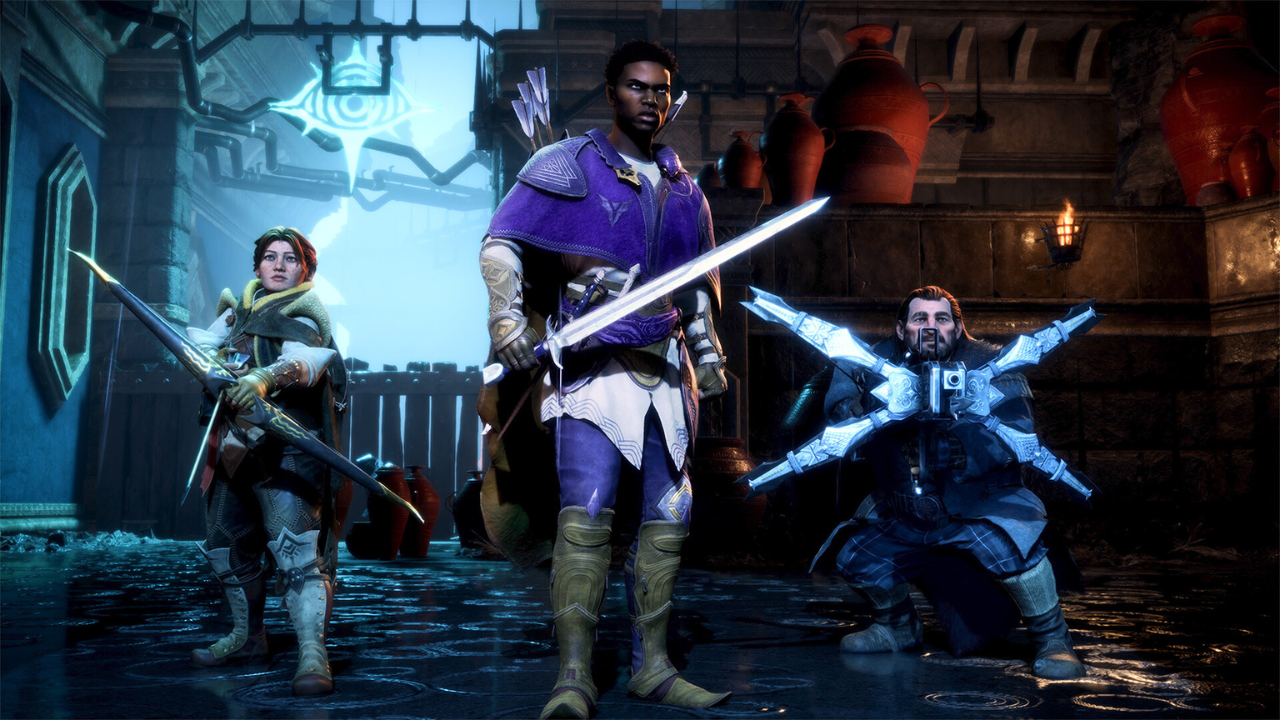
A screenshot from Dragon Age: The Veilguard (2024), BioWare
That “delivered” metric, meaning copies sent to retailers, was bundled with EA’s broader “1.5 million engaged players” announcement. But shipped units sitting on store shelves aren’t the same as copies bought and played by customers. Resale value for the game quickly tanked as stores were left with a wealth of unwanted copies.
By combining distribution figures with vague engagement stats, EA created the illusion of stronger performance while avoiding any disclosure of how many players actually purchased the game.

A screenshot from South of Midnight (TBA), Compulsion Games
Even worse was the Sweet Baby Inc. game South of Midnight, which touted “over 1 million players” at launch. But that number was heavily padded by Game Pass activity. Actual sales? SteamCharts showed the game barely cracked 1,400 concurrent users. On multiple days, it struggled to break 500. The million-player boast feels more like a marketing illusion than reality.
Stellar Blade Didn’t Hide Behind Metrics—It Embraced the Market
Contrast that with Shift Up’s action RPG. Stellar Blade delivered a straightforward number: 3 million copies sold to real consumers.

Eve in Stellar Blade (2024), Shift Up
That’s not Game Pass fluff. Not retailer stuffing. Not fuzzy “active” metrics.
It’s old-school sales success, the kind that used to matter—and clearly still does.
This is even more notable given that Stellar Blade launched into a hostile media environment.
Attacked for Daring to Be Attractive
The gaming press didn’t know what to do with Stellar Blade. Here was a Korean-developed game starring a confident, capable, and unapologetically feminine protagonist. She wasn’t designed to appease Twitter mobs or win virtue badges—she was designed to be iconic, memorable, and yes, attractive.

Eve in Stellar Blade (2024), Shift Up
That was enough to trigger a cascade of media backlash.
- IGN France ignited controversy by describing Eve as “a doll sexualized by someone who’s never seen a woman.” The blowback was so fierce the outlet had to issue a public apology. It should be noted that the body model for Eve is, in fact, a real woman.
- GamesRadar and others ran features lamenting the game’s focus on aesthetics, claiming it was somehow “outdated” to design characters with visual appeal.
- Reddit threads and YouTube channels filled with accusations of censorship, fueled by rumors Sony was pressuring Shift Up to tone down the character’s design for Western release.
- Critics smeared the game for its “fan-service” (as if pleasing the fans is somehow a bad thing…) while ignoring its tight combat mechanics, rich lore, and high production values.

Eve in Stellar Blade (2024), Shift Up
Meanwhile, fans responded differently. They played the game, praised its polish, and supported the developers with their wallets. The game launched to solid critical reviews and fan enthusiasm, earning a low-80s Metacritic score and quickly dominating modding platforms with hundreds of thousands of downloads. If there was ever a sign of actual demand, that was it.
The Lesson That the Gaming Industry Will Ignore
Stellar Blade didn’t just sell 3 million copies. It proved that gamers are starved for something the media keeps mocking—games that embrace beauty, style, and fun without apology. While the press insisted the game was “problematic,” players voted with their credit cards.
This is what happens when you treat your customers like customers—not like ideological experiments. No agenda. No forced messaging. Just a game that looks good, plays great, and doesn’t pretend to be something it’s not.

Eve in Stellar Blade (2024), Shift Up
And in doing so, Stellar Blade didn’t just win. It embarrassed an industry that keeps telling gamers what they should want, instead of listening to what they actually enjoy.
In an era where sales figures have been replaced with cloudy engagement stats and media outlets push morality over merit, Stellar Blade and its sales number is a reminder of how simple success can be: make a game people want to play—and don’t be afraid to look good doing it.
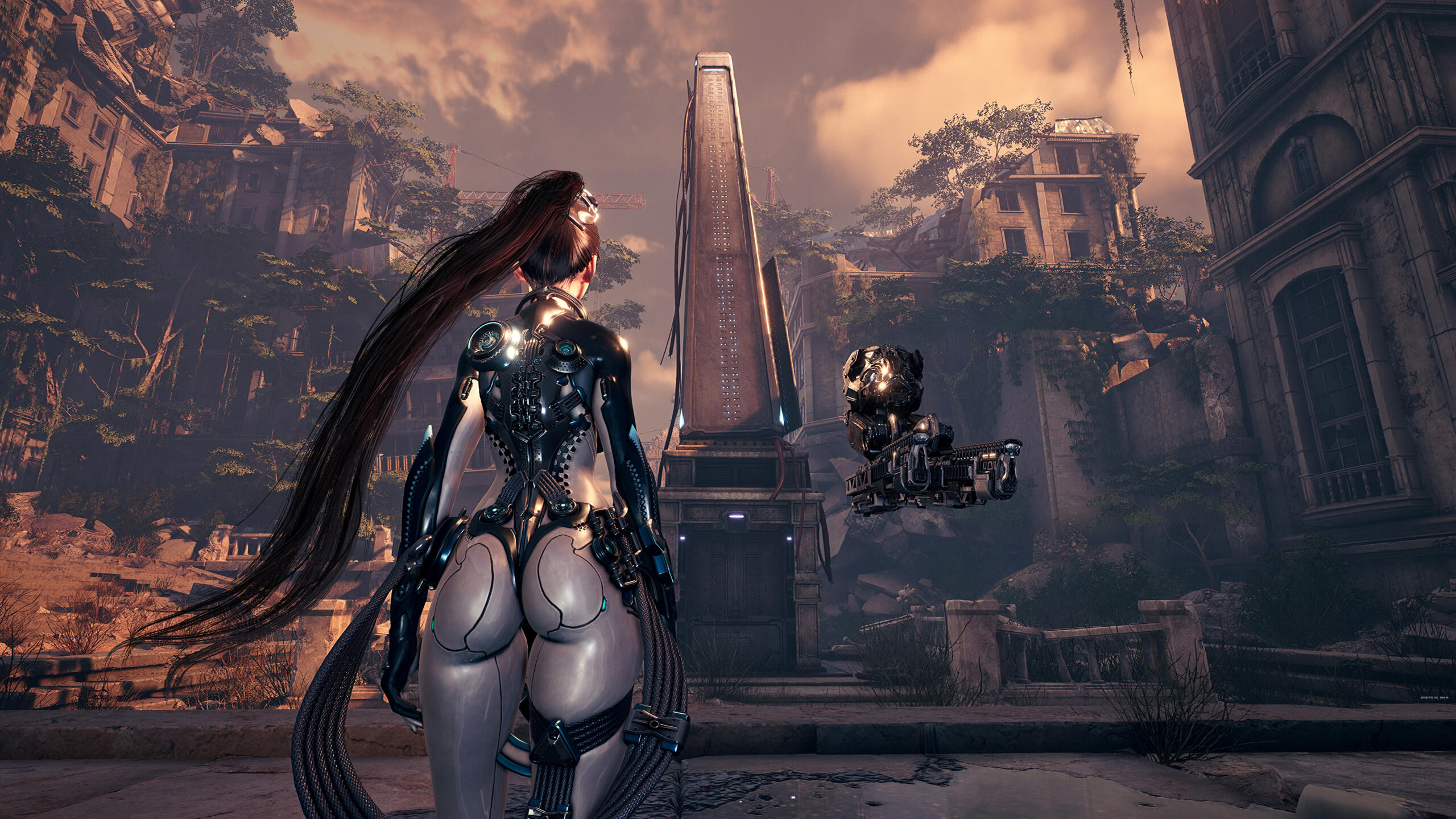
Eve in Stellar Blade (2024), Shift Up
3 million real copies sold. No spin. No shame. No surrender.
Are you surprised by the Stellar Blade sales number? Sound off in the comments and let us know!
