


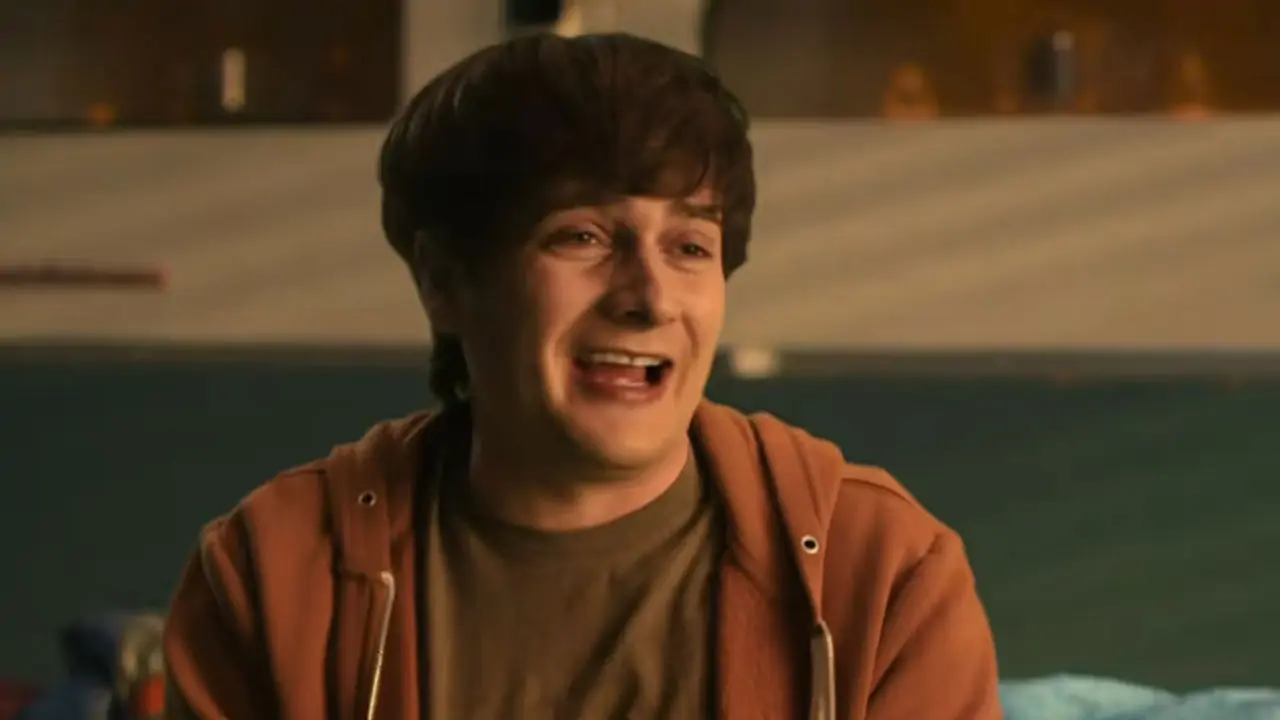
Saturday Night Live managed to do something it hasn’t consistently pulled off in years: land a sketch that actually connects with the audience. Unfortunately for SNL, that also meant triggering the internet’s most reliable reflex — outrage.
READ: David Ellison Mounts European Pressure Campaign as Warner Bros. Deal Faces Growing Global Resistance
During its January 17th episode, Saturday Night Live aired a Stranger Things-themed sketch that lampooned Netflix’s smash-hit series and, more specifically, the much-debated finale. The sketch, which aired while Finn Wolfhard served as host, imagined Netflix green-lighting a flood of unnecessary sequels, spin-offs, and sidequels in response to the show’s massive ratings success.
In other words, it was parodying something painfully familiar to modern audiences.
A Sketch That Understood the Assignment
The premise was simple but effective: Netflix executives squeezing every possible ounce out of Stranger Things by re-imagining its characters in increasingly absurd derivative projects. Steve becomes an inner-city teacher, Nancy turns into a true-crime investigator, and Mike relocates to New York City to live out a dialogue-heavy, self-absorbed urban existence. Even Ted Wheeler gets his own “sidequel,” retelling the entire story from the perspective of a dad who was technically present but narratively irrelevant.
It’s sharp, self-aware humor — the kind that used to be SNL’s bread and butter.
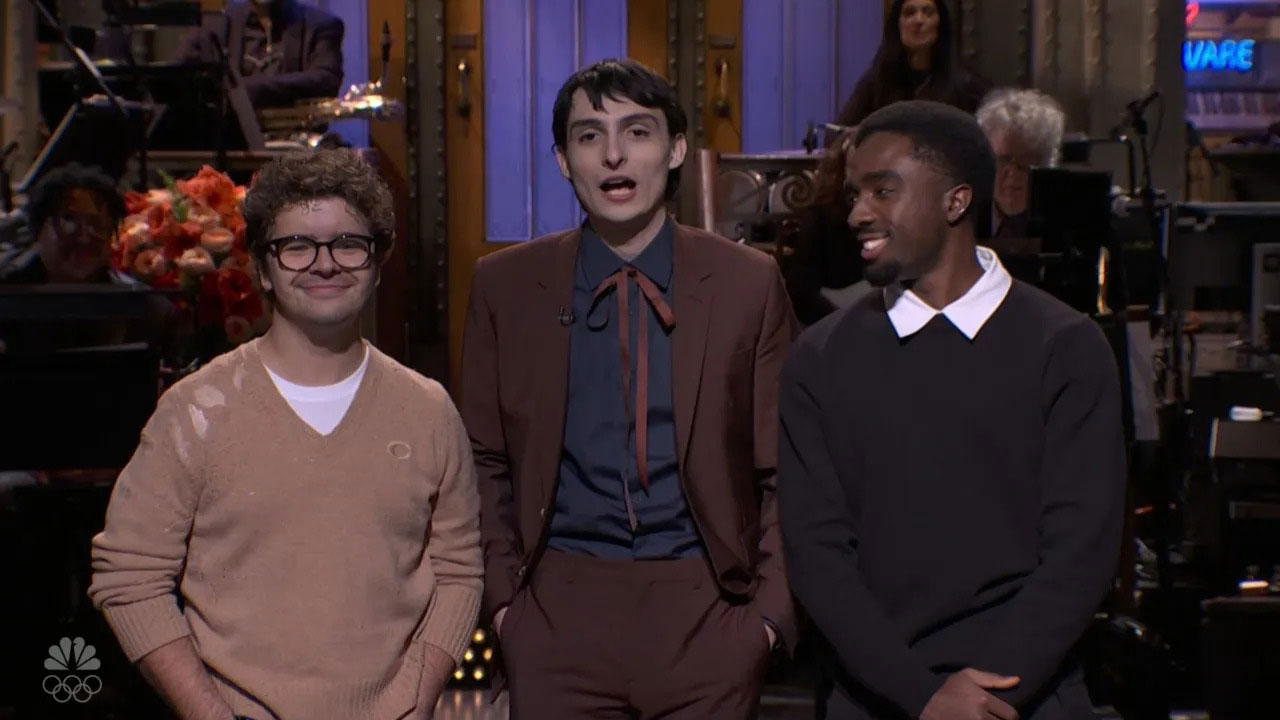
Gaten Matarazzo, Finn Wolfhard, and Caleb McLaughlin on Saturday Night Live – YouTube, Saturday Night Live
The sketch also leaned heavily into meta-commentary about Netflix’s modern business model, poking fun at its obsession with brand dilution and algorithm-driven storytelling. That alone earned it plenty of laughs from viewers who’ve grown weary of streaming bloat.
The Will Byers Segment That Lit the Fuse
Where things went from “funny” to “controversial” was an extended segment parodying Will Byers’ coming-out scene from the Stranger Things finale. Rather than re-casting the original actor, SNL had featured player Jeremy Culhane portray Will, stretching the moment into an exaggerated, self-aware loop where the scene never actually ends.
Just saw the latest episode of snl, they made fun of Will’s coming out scene. Well it’s not funny at all, not respectful at all. Especially the other three boys were present without Noah. I think they should apologize to both Noah Schnapp and Will Byers.
— LilySnape💙💛❤️🩹 (@lilysnape2000) January 18, 2026
The joke? Will can’t appear in any of the spinoffs — because his emotional monologue is still happening.
It’s a clear nod to one of the most common criticisms of the finale: that the scene dragged on far too long, felt tonally out of place, and was treated as untouchable by critics despite widespread audience frustration.
SNL joking about the sex lives of Stranger Things characters is beyond tasteless—how did Netflix let that happen??
“Well, Max & I started off hot & heavy right, but then a couple years in, she just lies there like she’s back in that coma.”
— Stranger News (@StrangerNews11) January 18, 2026
READ: Lucasfilm Denies Report That Dave Filoni Hates Andor
SNL didn’t mock Will as a character. It mocked the execution of the scene — a distinction that, unsurprisingly, many online critics chose to ignore.
Backlash Was Always Inevitable
Within hours, social media lit up with accusations that SNL was “attacking” or “mocking” homosexuality, despite the sketch targeting a storytelling choice rather than an identity. Calls for apologies followed. Screenshots of angry posts circulated. Think-pieces began to form.
And yet, scrolling further down revealed something else: plenty of viewers pushing back.
You want an apology issued to a fictional character, huh?
— Kent P. Brocklin (@kentbrocklin) January 18, 2026
Many pointed out that parody is, by definition, supposed to exaggerate flaws. Others noted that Stranger Things is one of the most popular shows on the planet and therefore an obvious target for satire. Some even argued that the SNL sketch was more entertaining — and more honest — than the finale it was parodying.
That may sting, but it’s not an unreasonable take.
When Parody Hits Too Close to Home
The reaction highlights a broader issue in modern entertainment culture: certain creative decisions are treated as sacred, insulated from criticism by moral framing rather than narrative merit. When comedy dares to poke at those moments, the backlash often has little to do with the joke itself and everything to do with discomfort over scrutiny.
Finn Wolfhard joked on #SNL that he first “learned what a woman looks like down there” on #StrangerThings… and the show cuts to a howling Demogorgon.
WHO thought this was okay?? pic.twitter.com/njGalhVgzJ
— Stranger News (@StrangerNews11) January 18, 2026
SNL didn’t invent the criticism surrounding Stranger Things. It simply reflected it — loudly, absurdly, and in front of a national audience.
That’s what parody is supposed to do.
The Bigger Picture
At the end of the day, the Stranger Things SNL sketch succeeded because it understood its target. It skewered Netflix’s excesses, highlighted fan frustrations, and delivered jokes that resonated beyond the studio audience. The outrage cycle that followed was less a sign of failure and more confirmation that the sketch landed exactly where it was meant to.

The Stranger Things Cast on SNL – YouTube, Saturday Night Live
Whether viewers loved it, hated it, or pretended not to watch, one thing is clear: SNL briefly remembered how to be funny and culturally relevant again.
And judging by the reaction, that might be what really upset people.
How do you feel about the Stranger Things SNL parody? Sound off in the comments and let us know!
