


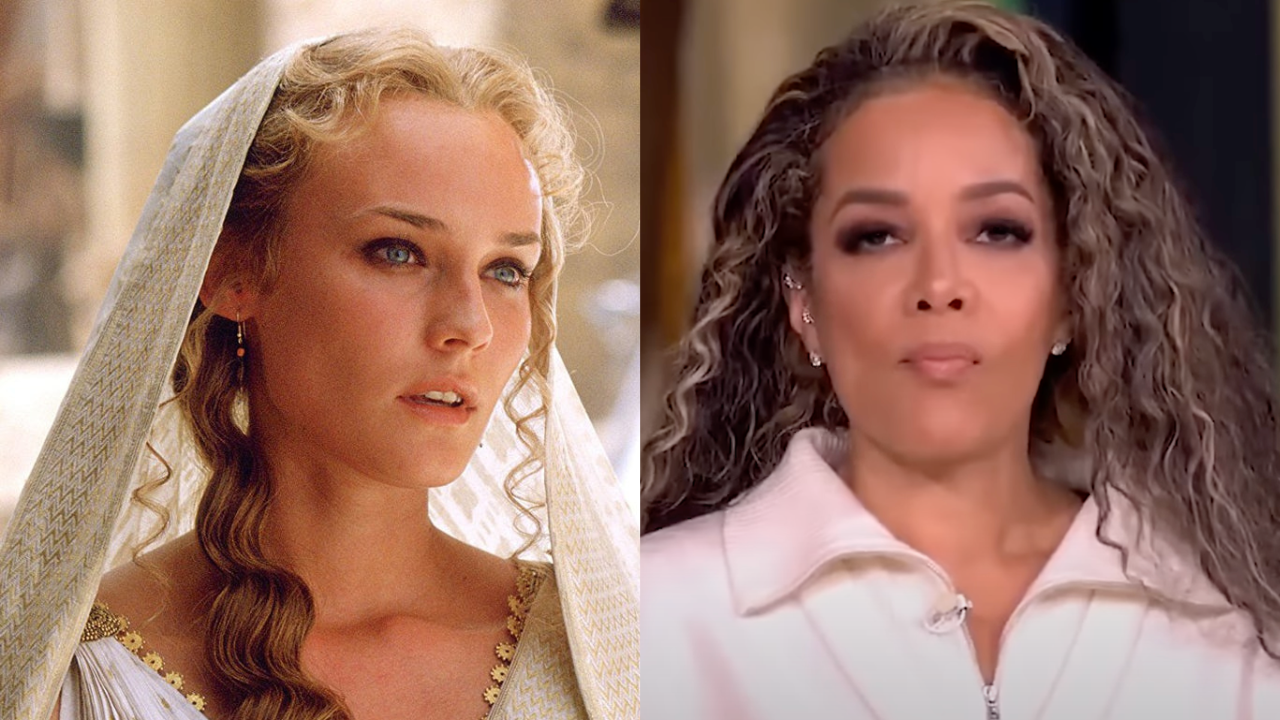
Sunny Hostin is under fire after invoking one of the most disputed theories in classical scholarship to argue that criticism surrounding Lupita Nyong’o as a Black Helen of Troy is rooted in historical ignorance rather than legitimate debate.
During a recent segment on The View, Hostin defended the idea that Helen of Troy could be portrayed as Black in Christopher Nolan’s upcoming adaptation of The Odyssey, claiming ancient Greek civilization itself was heavily influenced by Africa.
Hostin: “If you think Helen of Troy cannot be black, you don’t know history”
She says Greek culture is from Africans pic.twitter.com/qp8IdjsHo8
— End Wokeness (@EndWokeness) May 14, 2026
READ: Don’t Blame Favreau: “The Mandalorian and Grogu” Is a Horrible Mess Because of Dave Filoni
“This idea was also explored in a book called Black Athena, I think people should read it,” Hostin said. “Which argues that classical Greek culture is heavily indebted to Afro-Asiatic and near Eastern roots. So people that are saying Helen of Troy could not possibly be played by a Black woman don’t know history.”
Hostin then stated that she once taught Greek mythology to eighth-grade students and covered similar material in her class.
The comments immediately ignited backlash online, but much of the criticism focused on the source she cited: Martin Bernal’s Black Athena, a book that has spent decades at the center of fierce academic criticism.
The Debate Around Black Athena
Originally published in the late 1980s, Black Athena: The Afroasiatic Roots of Classical Civilization argued that ancient Greece drew substantial influence from Egypt and Phoenicia and that modern scholars intentionally minimized those connections over time.
Bernal’s work went far beyond simply noting that Greece interacted with neighboring civilizations. Historians have acknowledged cultural exchange between Greece, Egypt, and the Near East for generations.
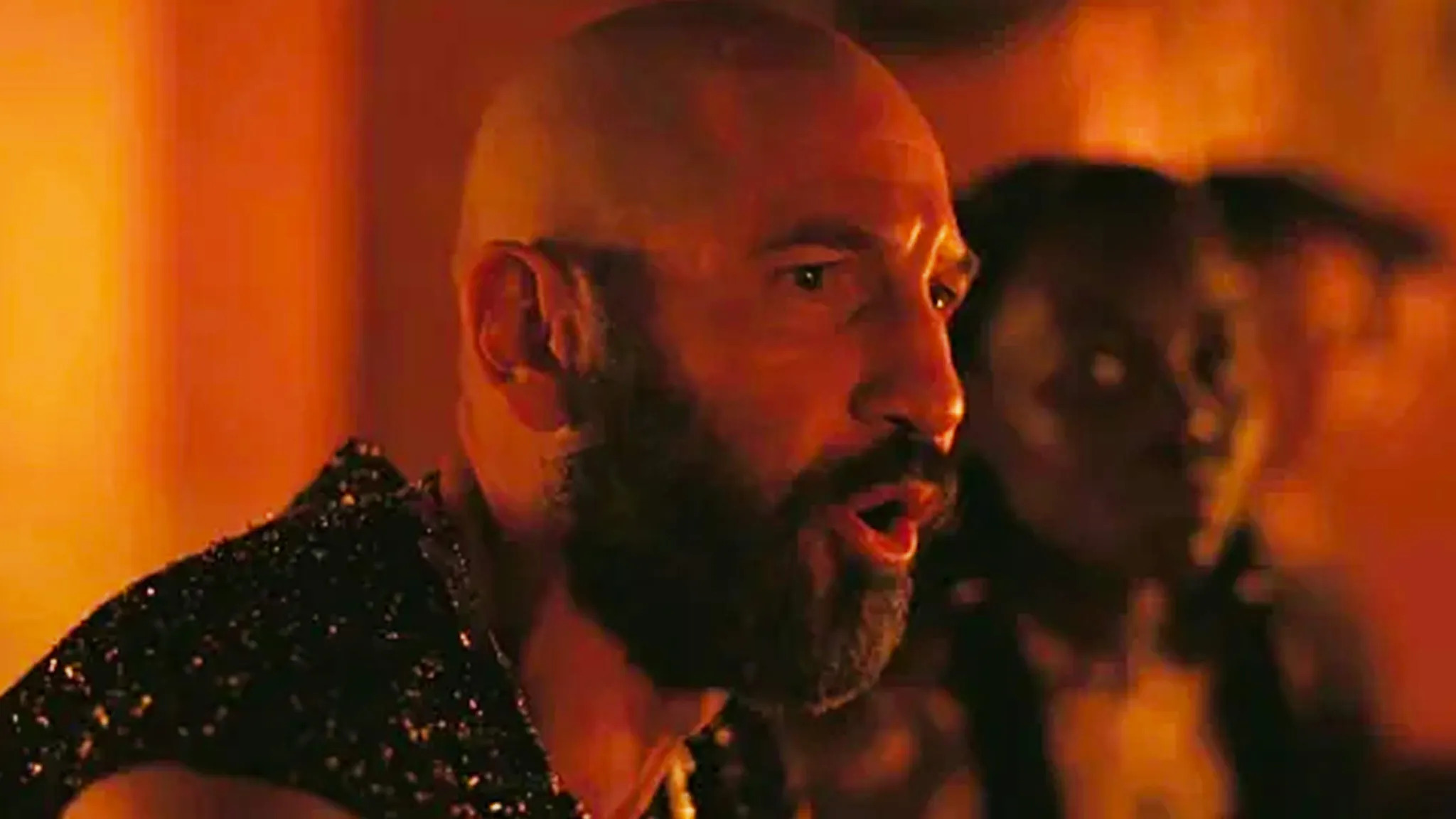
Jon Bernthal as King Menelaus in the teaser for The Odyssey – Universal Pictures
What made Black Athena controversial was Bernal’s larger argument that Greek civilization itself was fundamentally shaped by Afroasiatic roots to a degree mainstream scholarship had ignored or suppressed.
That claim triggered massive pushback from experts in archaeology, linguistics, Egyptology, and classics.
A major response came through Black Athena Revisited, a collection of essays written by scholars who systematically challenged Bernal’s conclusions. Critics argued his evidence was often speculative, his linguistic comparisons weak, and his historical conclusions unsupported by archaeology.
One of the central criticisms was the lack of concrete evidence supporting any sweeping Egyptian colonization of ancient Greece.
Others argued Bernal’s work blurred the line between cultural contact and outright civilizational replacement.
Modern Research Complicates the Narrative Even Further
Since Black Athena was first released, advances in archaeology and genetic research have only intensified scrutiny around its claims.
A frequently cited 2017 DNA study examining Mycenaean and Minoan remains found strong continuity between ancient Aegean populations and nearby regional groups rather than evidence supporting the idea that Greek civilization emerged from large-scale Egyptian migration.

A screenshot from Assassin’s Creed Odyssey (2018), Ubisoft
READ: Ted Lasso’s Dani Rojas actor Cristo Fernández Signs With Professional Soccer Team In Mexico
Researchers concluded the populations were primarily descended from early farming groups in the Aegean and Anatolia with some additional outside influence over time.
That does not mean Greece existed in isolation. Ancient civilizations traded constantly, borrowed ideas from one another, and influenced neighboring cultures throughout the Mediterranean world.
But critics argue Hostin took that reality and stretched it far beyond what the historical evidence actually supports.
Critics Say Hostin Collapsed Cultural Influence Into Identity Politics
Much of the online reaction centered on what many viewed as a massive leap in logic.
Even if ancient Greece absorbed influence from surrounding civilizations, critics say that still does not establish that Helen of Troy — a figure rooted in Greek mythological tradition — would have been Black.

Arnold Schwarzenegger on The View with Sunny Hostin – YouTube, The View
Commentators also pointed to Homeric descriptions associated with Helen and noble Greek women in ancient literature.
One frequently cited example is the term “white-armed” (leukōlenos), a recurring descriptor in Homeric poetry tied to beauty and aristocratic femininity.
Why the Comments Sparked Such a Strong Reaction
Part of the controversy stems from how confidently Hostin framed the issue.
She did not describe Black Athena as a controversial or heavily disputed academic theory. Instead, critics argue she presented it as settled historical fact while dismissing disagreement as ignorance.
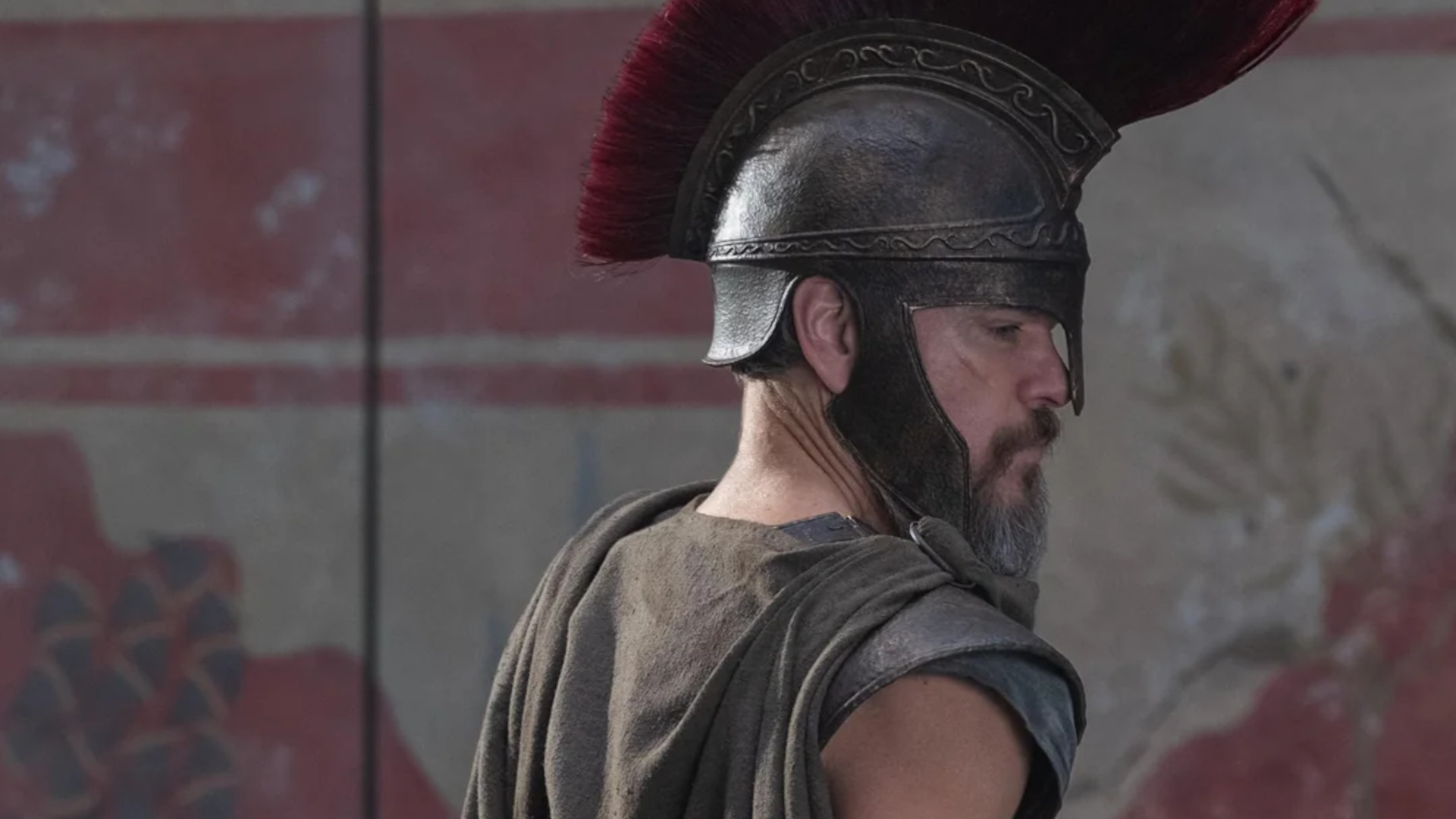
Matt Damon as Odysseus in the trailer for The Odyssey – YouTube @UniversalPictures
That distinction matters because there’s a significant difference between acknowledging cultural exchange in the ancient Mediterranean and claiming ancient Greek identity itself was fundamentally African.
For many viewers, Hostin’s comments felt less like a nuanced historical discussion and more like modern identity politics being projected backward onto ancient history.
And with The Odyssey already facing scrutiny over several modern reinterpretations, the debate surrounding a Black Helen of Troy has now become yet another flashpoint in the growing backlash surrounding Christopher Nolan’s adaptation.
UP NEXT: Lupita Nyong’o as Helen of Troy: History, Mythology, and the Modern Culture War
