


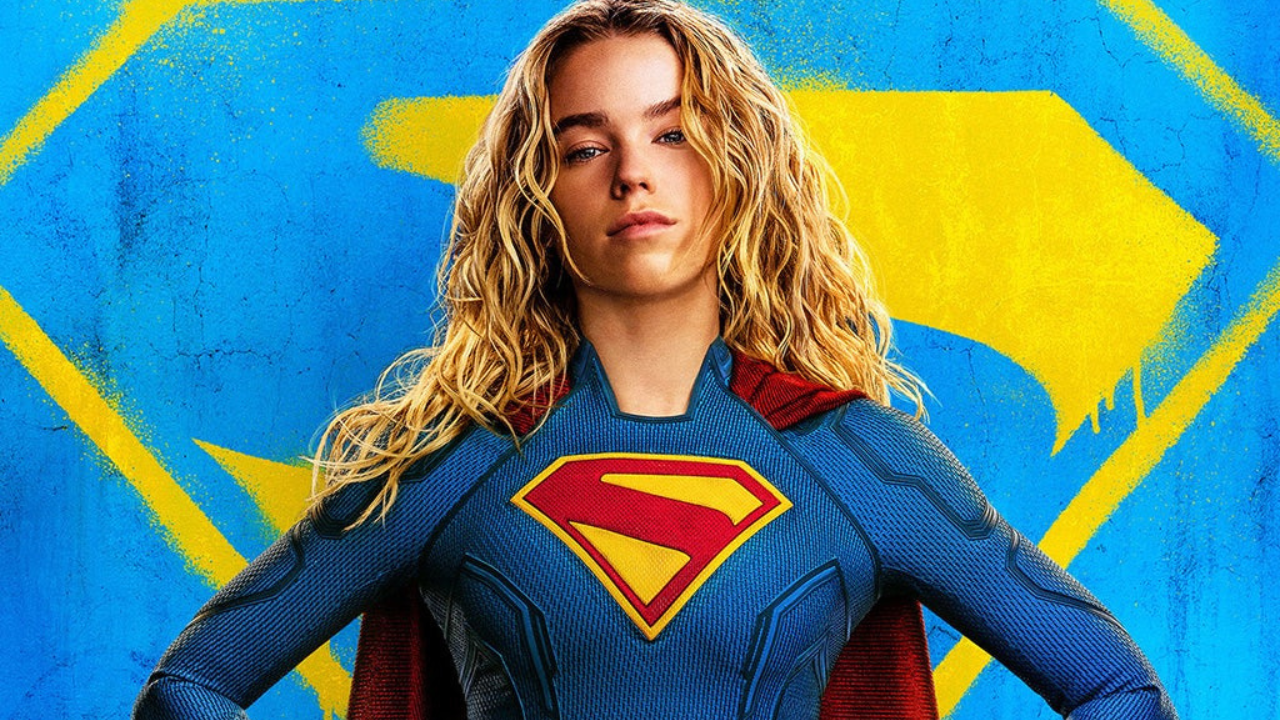
This editorial on the Supergirl controversy is an opinion piece and does not necessarily reflect the opinions of That Park Place.
Warner Bros. executives recently claimed, according to The New York Times, that they were “surprised by both the ferocity of the backlash and its reach” regarding the online abuse directed at Supergirl star Milly Alcock.
According to them, they believed “the culture had evolved past that sort of campaign.” I find that statement very difficult to accept, not because online harassment does not exist—it absolutely does. Every public figure, regardless of their politics, gender, or profession, deserves to be treated with basic decency, and personal attacks should never be excused or encouraged.
My skepticism comes from the suggestion that the studio could not have anticipated this outcome. That claim ignores nearly everything that happened before the film was ever released. Long before audiences had the opportunity to judge the movie on its own merits, the public conversation had already been shaped by a steady stream of interviews, headlines, and online discourse that encouraged polarization rather than anticipation. By the time the film finally reached theaters, many people were no longer talking about whether Supergirl looked exciting. They were arguing about everything surrounding it.
For that reason, I don’t view this as a spontaneous eruption of internet outrage that appeared without warning. I believe the environment that produced this backlash had been developing for months, fueled by a marketing campaign that repeatedly allowed controversy to overshadow the film itself. Whether that strategy was deliberate or simply misguided is open to debate, but the resulting atmosphere was hardly unpredictable.
The Supergirl Backlash Didn’t Begin Overnight
One of the most frustrating aspects of the current conversation is watching the history of this situation get rewritten in real time. The prevailing narrative now suggests that audiences suddenly turned on Milly Alcock for no apparent reason, as though the backlash materialized out of nowhere. That simply is not an accurate representation of what happened. Long before audiences had seen the finished movie, the public conversation surrounding the production had already shifted away from the quality of the film itself and toward culture-war talking points that predictably divided people online.
READ: PlayStation Officially Kills Off Physical Games Beginning in 2028 as Sony Goes Fully Digital
Rather than consistently promoting the story, introducing audiences to the characters, or explaining why this interpretation of Supergirl was worth getting excited about, much of the publicity revolved around interviews, provocative headlines, and social media moments that generated controversy. Whether intentional or not, those moments repeatedly pulled attention away from the film and redirected it toward debates that had little to do with the actual product being sold.
I find it difficult to believe that this happened by accident. Modern Hollywood understands engagement metrics better than almost anyone, and studios know that controversy spreads much faster than traditional advertising. Every online argument generates reposts, reaction videos, podcasts, articles, livestreams, and YouTube thumbnails, all of which keep a project circulating through the algorithm without the studio having to purchase additional advertising. In today’s entertainment landscape, attention has become a form of marketing, and even negative attention can be treated as a valuable promotional asset.
The Problem With Rage Marketing
There has been a growing trend across entertainment over the last several years. Instead of convincing audiences why they should be excited about a movie, studios increasingly allow the conversation to become centered around conflict rather than the film itself. Marketing campaigns seem less interested in showcasing compelling stories, memorable characters, or breathtaking visuals and more interested in generating online engagement through controversy. Whether intentionally or not, the result is that the discussion shifts away from the quality of the project and toward cultural flashpoints that keep people arguing long after a trailer or interview is released.

A clip from Supergirl – DC
The conflicts almost always follow familiar lines. Critics are pitted against fans. Progressives are pitted against conservatives. Supporters are pitted against so-called “haters.” Every disagreement fuels another wave of articles, reaction videos, social media posts, and YouTube discussions, all of which keep the film trending without requiring anyone to actually talk about the movie itself. Controversy becomes a substitute for excitement because outrage spreads much faster online than genuine enthusiasm.
The danger is that the actors eventually become the face of that conflict. Instead of discussing costumes, action sequences, emotional performances, or the story being told, audiences begin dissecting interviews, social media posts, and political narratives. Once that happens, the performer is no longer viewed simply as an actress playing a role. She becomes a symbol in a much larger cultural debate, carrying expectations and criticism that have very little to do with the work she actually did on screen.
When Marketing Stops Being About the Movie
Good movies usually don’t need this kind of strategy. When audiences are genuinely excited, the marketing naturally revolves around the strengths of the film itself. Studios release memorable trailers, showcase standout performances, highlight impressive visual effects, and give audiences reasons to believe they are about to experience something worth their time and money. The conversation grows organically because people are eager to discuss the story, speculate about the characters, and share their anticipation with others.
When a marketing campaign increasingly revolves around online discourse instead, however, it raises an uncomfortable question. Is the conversation being driven by genuine excitement for the movie, or is it being sustained because the film itself is struggling to generate enough organic interest? Those are two very different forms of engagement, even if they produce similar numbers on social media.

A screen capture from the Supergirl trailer – YouTube @dcofficial
READ: California Forcing Streamers to Limit Ad Volume
One reflects audience enthusiasm, while the other reflects audience conflict.
That’s where, I think, this situation becomes particularly revealing. Much of the discussion surrounding this film has felt less about Supergirl itself and more about everything happening around Supergirl. The interviews, the social media posts, the online arguments, and the responses to those arguments have often overshadowed the movie they were supposedly promoting. In many ways, the headlines became the product. Rather than asking whether the film would be good, audiences found themselves debating the latest controversy, leaving the actual story almost as an afterthought.
The Actress Became the Shield
This is the part I find the most unfortunate. Whether intentionally or not, Milly Alcock increasingly became the focal point of discussions that had very little to do with acting. Instead of conversations centering on her performance, her interpretation of the character, or the film itself, they became dominated by controversial interviews, attention-grabbing headlines, social media posts, and the endless cycle of discourse that follows them.
As each new controversy emerged, the focus drifted further away from the movie and further toward the actress portraying its lead.
That doesn’t mean every criticism directed at Alcock was unfair. Some of her interviews and public comments, particularly those that many fans interpreted as dismissive or insulting, invited legitimate pushback. Public figures should expect their words to be scrutinized, and I don’t think it’s unreasonable for audiences to criticize statements they believe are condescending or unnecessarily divisive. There were moments during the press tour where I think she simply said things she shouldn’t have said.
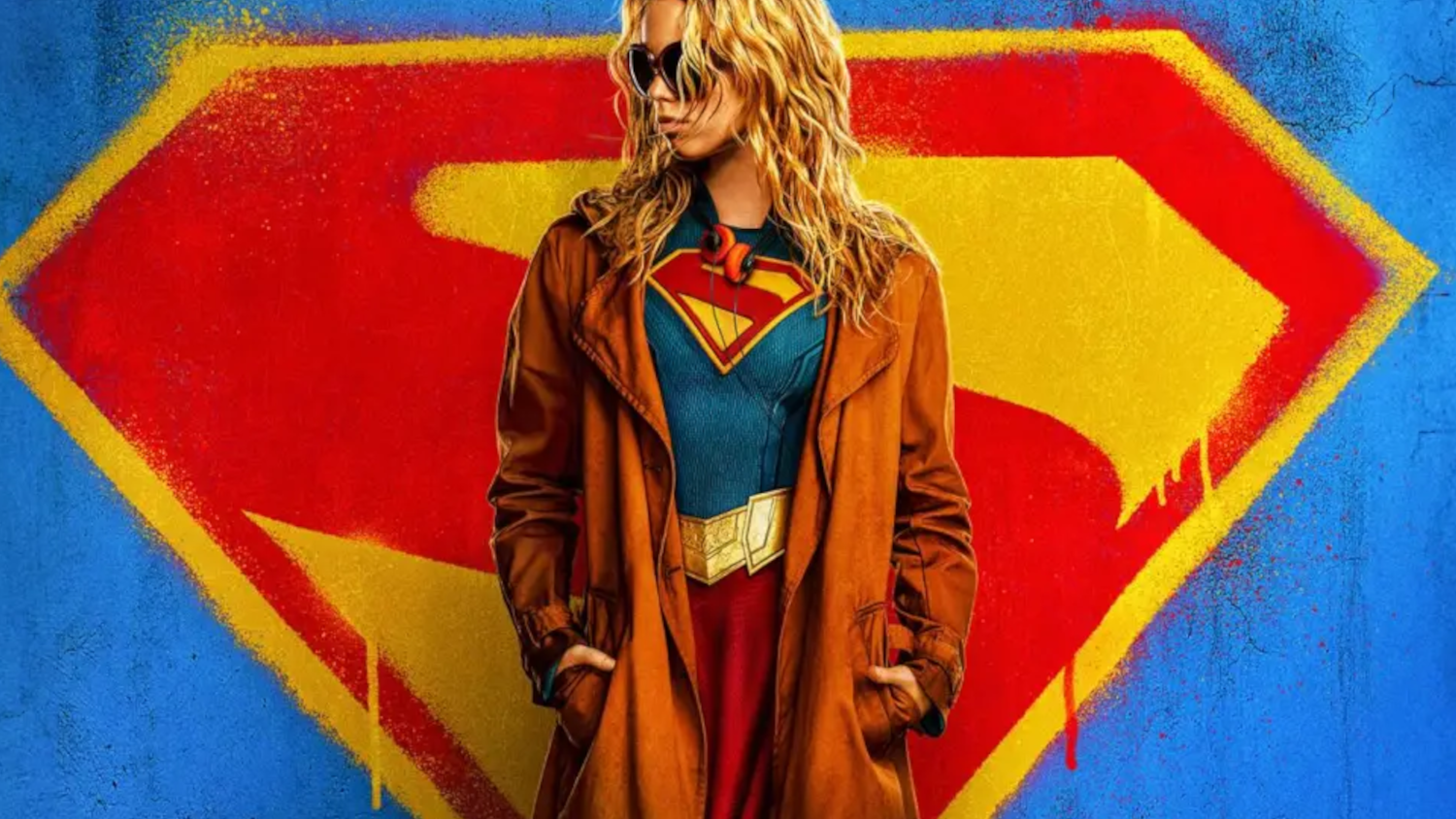
The poster for Supergirl – DC
I don’t know Milly Alcock personally, so I can’t pretend to know what she was thinking throughout this press tour. What I can say is that, watching many of those interviews, I often got the impression of someone trying to navigate an incredibly difficult situation while thousands of strangers scrutinized nearly every word she said. If that impression is even partially accurate, it’s hard not to have some sympathy for her.
At 26 years old, she was suddenly thrust into one of the most recognizable franchises in the world while also becoming the focal point of a deeply polarized online conversation. That’s an enormous amount of pressure for anyone to manage, let alone–notice Gunn and Momoa are currently quiet–someone still relatively early in her career.
Whether some of her interviews landed well or poorly is almost beside the point. It often felt as though the conversation had already moved beyond evaluating her work as an actress and had instead become a referendum on everything surrounding the film. No performer should have to shoulder that burden alone, particularly when many of the circumstances that created it were beyond her control.

Supergirl using Heat Vision in the Supergirl trailer – YouTube, DC
READ: Disgraced Former Journalist Scott Pelley Signs with Creative Artists Agency (CAA)
Eventually, many audiences stopped talking about Supergirl and started talking about Milly Alcock. That is not healthy for the actress, it’s not healthy for the fanbase, and it certainly is not healthy for the franchise. When the public conversation becomes more interested in a performer’s online presence than the work they did on screen, something has gone wrong with the marketing. The film itself should always remain the centerpiece of the discussion.
Studios have a responsibility to protect the talent they hire, particularly when they know a project is likely to become the center of intense online scrutiny. Instead, it can sometimes feel as though actors are positioned directly in front of the criticism while the executives responsible for the creative and marketing decisions remain comfortably in the background. If that perception is accurate, then the performer effectively becomes a shield for the project, absorbing the frustration and backlash that would otherwise be directed at the people who actually shaped the campaign.
You Can’t Feed the Fire Then Act Shocked
This is ultimately why I struggle to take the reported Warner Bros.’ statement seriously. If your marketing strategy repeatedly encourages divisive conversations, if interviews consistently emphasize culture-war topics instead of the story being told, if controversial headlines are allowed to dominate the news cycle for months, and if every disagreement is permitted to generate another round of free publicity, then it becomes very difficult to credibly claim surprise when those same conversations eventually turn hostile. Whether intentional or not, those decisions create an environment where outrage becomes the primary engine driving public engagement.

Eve Ridley as Ruthye in the Supergirl trailer – YouTube @dcofficial
The reaction may very well have exceeded the studio’s expectations, both in its intensity and in how widely it spread across social media. However, the existence of a backlash should not have come as a shock to anyone involved in the campaign. When marketing repeatedly invites audiences to engage through controversy instead of excitement, controversy eventually becomes the conversation. At that point, it’s no longer an unexpected consequence but a foreseeable outcome of the strategy itself.
That’s why the executives’ statement feels disingenuous to me. It asks the public to believe that a predictable chain of events somehow arrived without warning. You can’t continuously pour gasoline on a fire, watch it grow larger with every passing week, and then hold a press conference expressing confusion about why the building eventually burned down.
Studios Still Owe Audiences Answers
The problem is that the conversation often stops once accusations of “harassment” enters the discussion, every criticism suddenly gets lumped together under the same label. Legitimate concerns about the writing, characterization, worldbuilding, pacing, or marketing are frequently dismissed as nothing more than “toxic fandom,” regardless of whether those criticisms were expressed respectfully or thoughtfully. That’s a convenient position for a studio to take because it shifts the focus away from the decisions made by the people who were actually responsible for producing, writing, directing, and marketing the film.

Jason Momoa as Lobo in a Supergirl ad – YouTube @dcofficial
Instead of asking why audiences rejected certain creative choices, the discussion increasingly becomes about whether the audience itself is the problem. We have seen this pattern repeat itself across multiple major releases over the past several years. When a movie underperforms or receives widespread criticism, the conversation often shifts toward explaining why the fans misunderstood the story, why online discourse became too hostile, or why a vocal minority poisoned public perception. Rarely does the studio publicly stop to ask whether its own creative decisions, messaging, or marketing campaign contributed to the outcome. While toxic behavior from some corners of the internet certainly deserves to be condemned, it should not become a shield that protects executives from legitimate criticism of the choices they made long before audiences ever bought a ticket.
The Movie Should Have Been the Conversation
At the end of the day, I wish we were talking about an incredible Supergirl film. I wish audiences were debating their favorite scenes, praising memorable performances, discussing emotional character arcs, and speculating about where the story might go next. Those are the kinds of conversations that successful films inspire because the work itself captures people’s attention. Instead, much of the public discussion has revolved around social media backlash, executive statements, interviews, and marketing narratives. That’s not a sign of a healthy promotional campaign; it’s evidence that the conversation surrounding the movie became more compelling than the movie itself.
If Warner Bros. is genuinely surprised by where this situation ended up, then I believe it failed to recognize the environment its own marketing helped create. If, on the other hand, the studio understood exactly how these conversations would unfold, then statements expressing shock feel less like honest reflection and more like another chapter in a strategy designed to keep the controversy alive long after the credits rolled. Either interpretation reflects poorly on the people responsible for guiding the film’s public image.
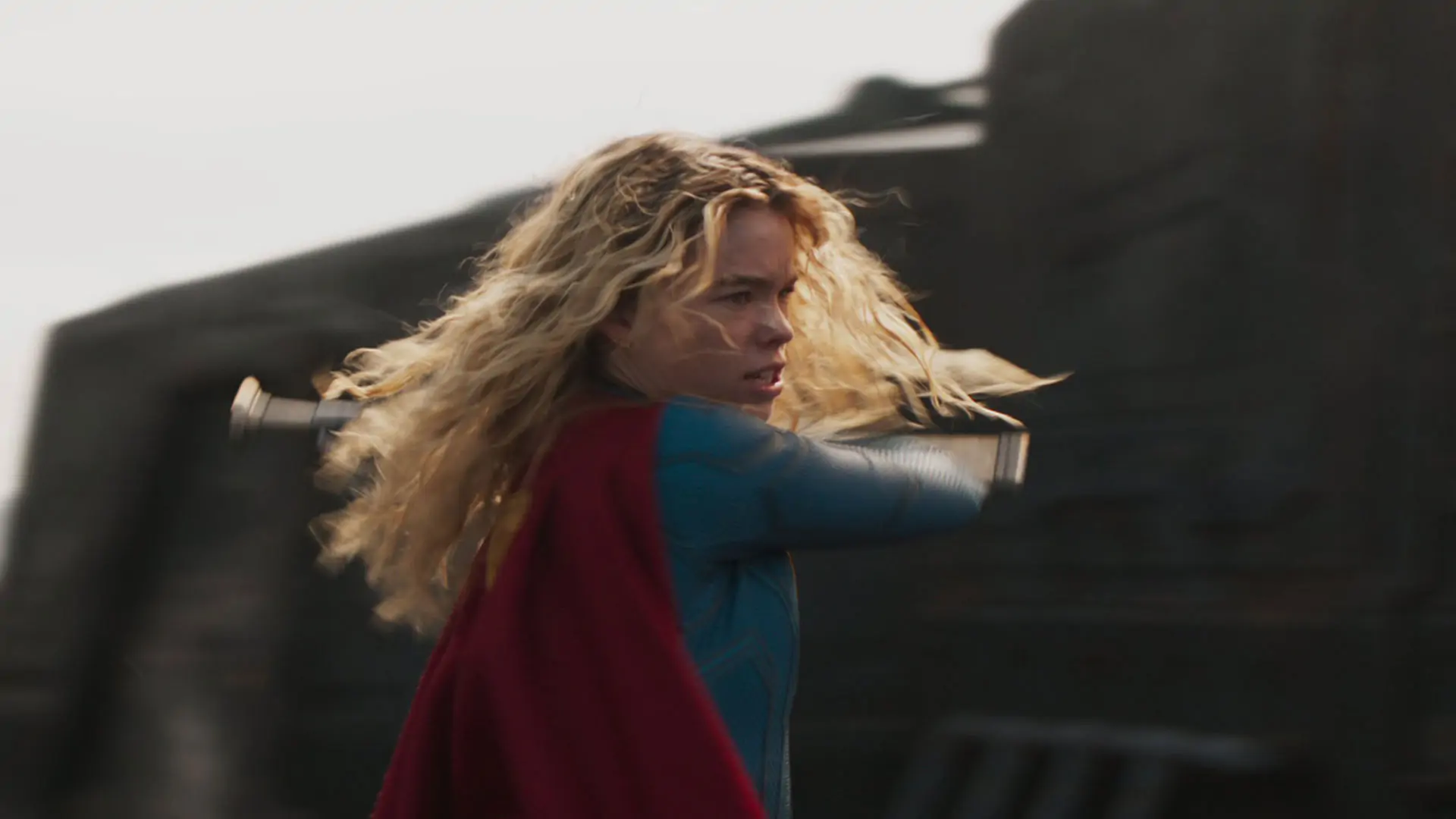
Supergirl fighting in the Supergirl Trailer – YouTube, DC
What I find most disappointing is that Milly Alcock was turned into the center of a controversy that should never have eclipsed the movie itself. Actors should be remembered for the performances they give and the characters they bring to life, not for serving as the focal point of an online culture war. Regardless of what anyone thinks about the film or its marketing, she deserved better from the studio that hired her. Instead, it often felt as though she was sent into a hostile public conversation armed with divisive talking points and left to navigate an environment the studio had every reason to know it was helping create. If controversy generated attention, she was the one expected to absorb the consequences while the executives responsible for the campaign remained largely in the background. If the lasting legacy of this release is the discourse instead of the story, then something went fundamentally wrong with the film.
Perhaps, one day, Hollywood will remember that audiences fall in love with stories, not marketing campaigns. That we remember unforgettable characters, moving performances, and worlds worth revisiting—not weeks of manufactured outrage designed to dominate social media feeds. When the controversy becomes more memorable than the movie itself, no one wins. The audience walks away disappointed, the actors bear the weight of a battle they never should have been fighting, and the studio is left wondering why all the attention in the world failed to create the one thing that actually matters: a film people genuinely wanted to recommend to others.
Do you think Warner Brothers should have been surprised by the Supergirl controversy? Sound off and let us know!
UP NEXT: Hollywood “Celebrities” Call Dwayne “The Rock” Johnson a “Coward” for Staying Out of Politics
