



With less than two weeks remaining before Supergirl arrives in theaters, star Milly Alcock is once again making headlines for comments that have little to do with the movie’s plot, action, or place within DC Studios’ growing cinematic universe.
During a promotional event in Brazil, Alcock was asked about Supergirl’s long-standing reputation among some fans as a “queer icon.” The actress responded positively to the characterization and explained why she believes Kara Zor-El has resonated with those audiences over the years.
The comments arrive as Supergirl continues to face troubling box office forecasts, with some tracking models placing the film in the same range as recent comic book disappointments.
Alcock Says She Is “Honored” By The Character’s Reputation
When asked why so many fans have embraced Kara as a “queer icon,” Alcock made it clear she welcomed the connection.
“I’ve played a few characters that might have a potential queer through line. I have many queer friends. So honestly, I’m kind of honored,” Alcock said.
Milly Alcock was asked about what it is about Kara that makes her a queer icon
Via: NarrativaFeminina pic.twitter.com/wkdMO41aSI
— Everything_DCU (@EverythingDCU_) June 16, 2026
READ: ‘Toy Story 5’ Team Avoided Meeting With Dalai Lama to Prevent Film’s Cancellation in China
She later expanded on the idea and connected it to her interpretation of the character.
“I’m honored that that’s happening, but I think because she doesn’t live inside the binary of what we think a woman should be, that is what makes it so special and so exciting and so new.”
Alcock also suggested that perspective matched the way she views Kara herself.
“And yeah, I kind of thought that as well. I was like, she wouldn’t. She’d do what she’d want to do in that regard anyway,” she said.
The remarks continue a trend that has followed the film throughout its promotional campaign.
Another Marketing Cycle Focused On Identity Politics Rather Than The Movie
One of the challenges facing Supergirl is that many of the headlines surrounding the project have centered on social and political topics rather than the film itself.
In recent months, Alcock has found herself at the center of multiple online debates, including comments about women “existing” within comic book spaces. In a recent Variety profile, Alcock defended earlier comments she made about people having a “weird ownership of women’s bodies” and pushed back on criticism she received online.
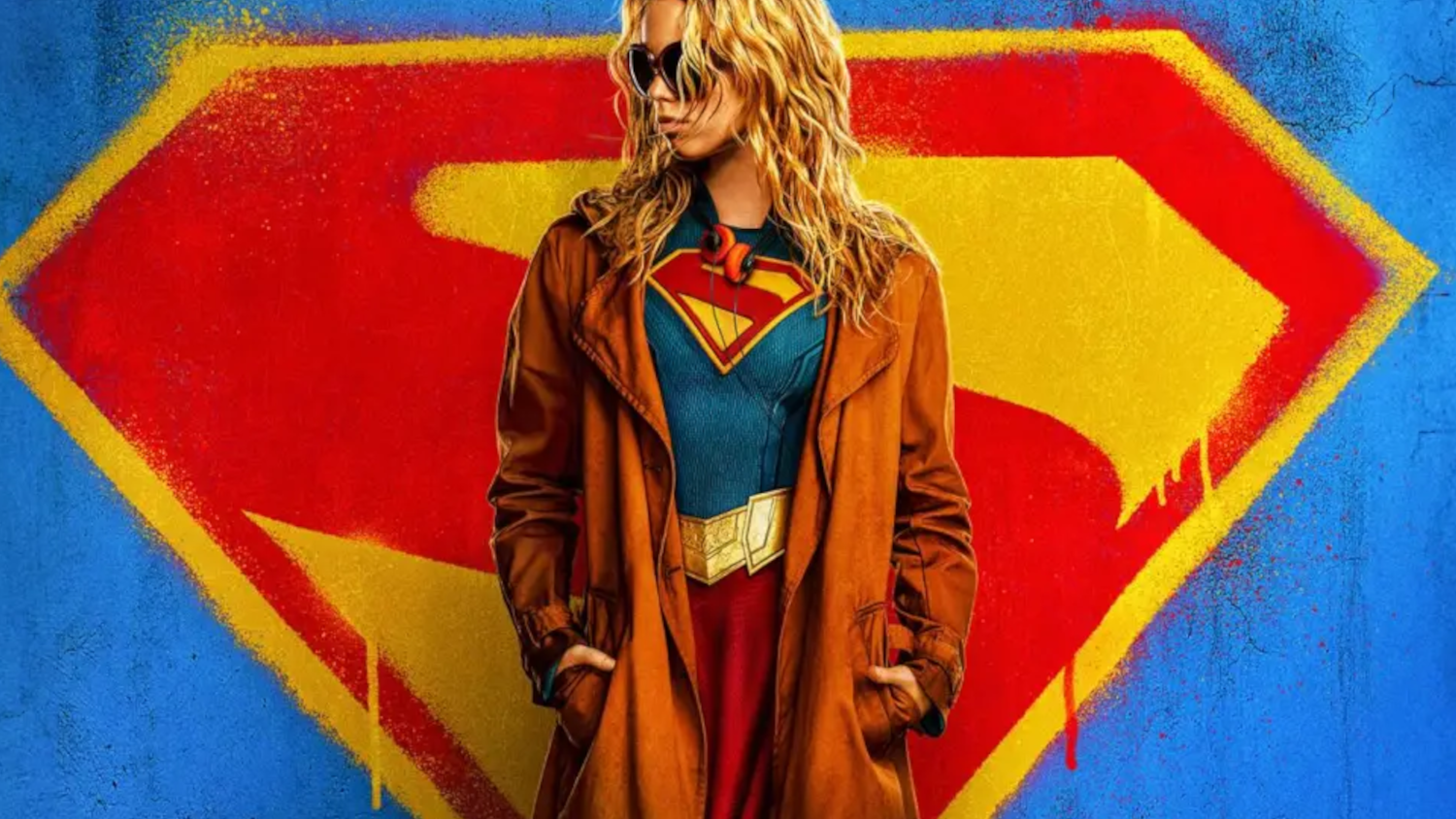
The poster for Supergirl – DC
According to Alcock, many of the people attacking her were anonymous accounts, burner profiles, or individuals identifying themselves with descriptions such as “Dad of four, Christian,” which she said she found “hilarious.”
The actress also dismissed concerns about offending some critics, saying, “If you’re p-ssing the right kind of people off, you’re doing OK.”
Now, only weeks later, Alcock is once again generating discussion around cultural topics after saying she is “honored” by Supergirl’s status as a “queer icon.”
For audiences casually following entertainment news, the perception increasingly becomes that Supergirl is another franchise release wrapped up in culture-war conversations.
That can be a difficult hurdle for any blockbuster, particularly one that is already facing questions about audience interest.
Recent Hollywood Examples Have Struggled To Overcome Similar Narratives
Studios have repeatedly discovered that once a film becomes associated with political and cultural debates, it becomes much harder to keep public attention focused on the actual product.
Disney experienced that problem with The Marvels, which became heavily associated with discussions about representation and empowerment before opening to just $47 million domestically and ultimately finishing with only $206 million worldwide.
The studio ran into similar issues with Snow White, where controversy surrounding star Rachel Zegler and political comments she made overshadowed discussion of the film itself.
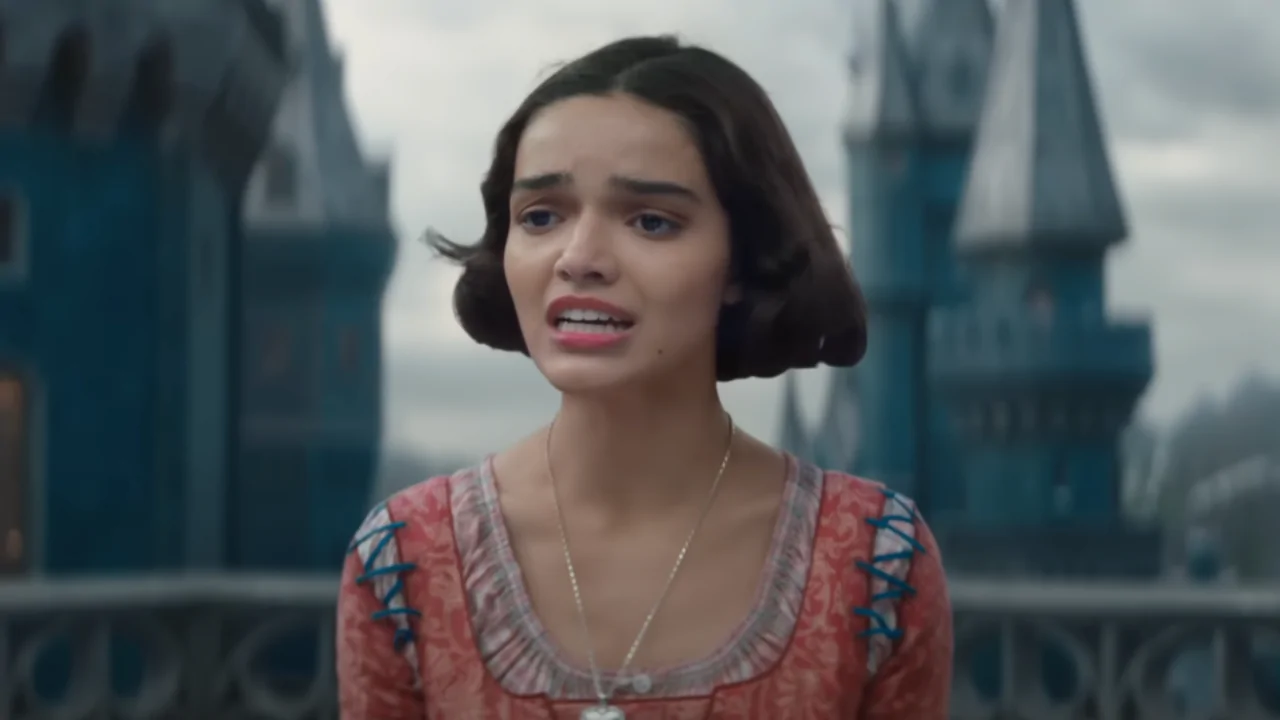
Rachel Zegler singing the original song “Waiting on a Wish” from Disney’s Snow White live action remake – YouTube, Disney
Pixar’s Lightyear also became a flashpoint for debate over its same-sex kiss storyline and failed to perform at the level expected from a film connected to the Toy Story franchise.
Likewise, Strange World generated extensive discussion about representation while becoming one of Disney’s most significant animated box office disappointments.
Each of those films faced unique challenges, but they all shared one thing in common: public discourse surrounding the projects often became more focused on cultural debates than on building excitement for the movies themselves.
Box Office Concerns Continue To Grow
That reality is particularly relevant for Supergirl because the film doesn’t appear to have much room for error.
Recent tracking estimates have pointed toward an opening weekend that could place the movie alongside recent DC and Marvel disappointments like The Marvels and The Flash rather than the genre’s biggest successes.
The film has also seen projections trend downward in recent weeks, creating additional pressure on DC Studios as it attempts to establish momentum following the launch of its new cinematic universe.

A screen capture from the Supergirl trailer – YouTube @dcofficial
Under those circumstances, the studio would likely prefer conversations centered on the movie’s action, characters, and story.
Instead, many of the biggest headlines continue to revolve around comments made during the press tour.
Whether that ultimately impacts ticket sales remains to be seen. But with opening weekend rapidly approaching, DC Studios would almost certainly rather have audiences talking about Supergirl itself than the latest controversy surrounding its marketing campaign.
How do you feel about Supergirl being described as a “queer icon”? Sound off and let us know!
UP NEXT: ‘Pirates’ Director Calls for AI Rating System to Warn People Away
