


After months of speculation about the financial outcome of James Gunn’s Superman, a new report from Forbes has made the situation plain: the film reportedly did not recoup costs during its theatrical run.
While writer Tim Lammers stops short of using the word “flop,” his own math makes it clear that Superman lost money in theaters — and Warner Bros. is now depending on digital and streaming sales to fill the gap.
The Numbers Don’t Lie
According to Forbes, Superman closed its domestic run on October 2, 2025, after 84 days in theaters. The film earned $354.2 million domestically and another $261.1 million internationally, for a worldwide total of $615.8 million.
Sounds impressive — until you factor in the costs.

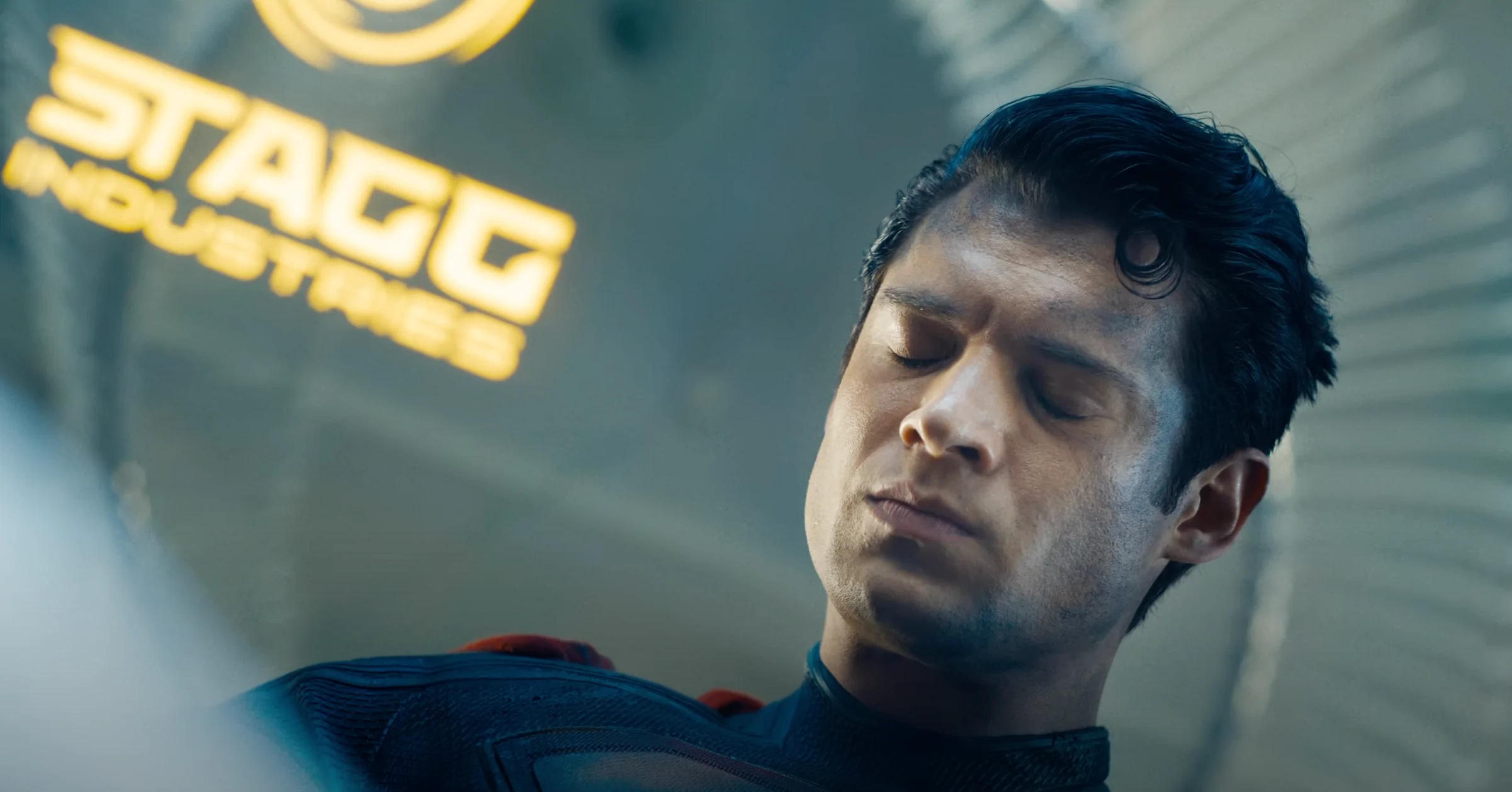
Superman beaten down in the trailer for James Gunn’s Superman – YouTube, DC
Forbes cites a $225 million production budget and a $125 million worldwide marketing budget, figures first reported by Variety. That puts Warner Bros.’ total investment at roughly $350 million before residuals, interest, or studio overhead.
Lammers notes that studios typically split box office receipts 50/50 with theaters, meaning that of Superman’s $615.8 million worldwide gross, Warner Bros. would retain about $308 million.

Superman fighting an unknown enemy in the trailer for James Gunn’s Superman – YouTube, DC
That’s a shortfall of $42 million against total costs — and that’s before any residual payments or additional expenses are included.
In plain terms, Forbes has confirmed what many analysts already suspected: Superman lost money at the box office.
But What About Tax Credits?
Some might argue that Superman’s production budget of $225 million doesn’t tell the full story, since large-scale films often benefit from tax incentives that reduce net costs. In this case, Warner Bros. filmed significant portions of Superman in Cleveland, Ohio, and Toronto, Canada — both regions known for aggressive film rebate programs.
Ohio offers up to 30% in qualifying credits, while Ontario’s provincial incentive adds another 20–25% on eligible expenditures. Not every dollar of the production qualifies, but industry analysts estimate these combined incentives likely shaved 10–15% off the total budget.

Lex Luthor in the trailer for James Gunn’s Superman – YouTube, DC
That would reduce the film’s effective production cost to somewhere in the $190–200 million range after rebates — a meaningful savings, but not enough to change the outcome. When paired with Variety’s reported $125 million global marketing spend, Superman still cost Warner Bros. roughly $320–325 million in total.
Even using those lower numbers, the Forbes calculation still shows the studio taking in about $308 million from its share of ticket sales — leaving Superman at least $10–20 million short of breaking even in theaters, before accounting for residuals or interest.
In other words, even after tax breaks, Superman remained in the red from its theatrical run.
A Polite Disclaimer, But the Damage Is Done
Lammers acknowledges the obvious in his Forbes report, writing: “Even going with the $308 million before taking the other expenses into account, Superman’s net falls below the $350 million Warner Bros. spent on the production of the film and marketing.”
But then comes the corporate hedging: “Whether Superman will ultimately end up making or losing money, though, is yet to be determined, since Warner Bros. will earn money from premium video on demand, streaming video on demand and other revenue streams.”

Superman wounded in the snow in the trailer for James Gunn’s Superman – YouTube, DC
Technically, that’s true — studios often recoup additional funds through post-theatrical windows like home video, PVOD, and licensing. But for a tentpole film designed to launch a new cinematic universe, needing home sales to break even is an unmistakable sign of underperformance.
In modern Hollywood economics, theatrical profit isn’t optional — it’s the foundation that justifies everything else. When a film of this size falls short in theaters, no amount of post-run trickle revenue can change the optics.
Contradicting Variety’s “Profit” Claim
What makes the Forbes analysis even more striking is how directly it contradicts Variety’s earlier reporting on the film’s profitability.
In August, Variety published an article celebrating Warner Bros.’ “historic box office streak,” claiming that Superman had earned a theatrical profit of roughly $125 million — which would make it more profitable than Zack Snyder’s Man of Steel, despite making less money overall.

Rahcel Brosnahan as Lois Lane in Superman – YouTube, DC
That narrative was widely repeated across the entertainment press and even cited in our own prior coverage here at That Park Place.
But now, the math from Forbes paints a completely different picture. If Superman only brought back about $308 million after exhibitor cuts, and the studio spent $350 million producing and marketing it, then Variety’s projection was off by roughly $165 million.
That’s not a rounding error — that’s a total reversal.
The question now is how Variety could have been so far off in its analysis. Either the publication’s sources at Warner Bros. provided incomplete data, or the initial reporting leaned heavily on internal optimism rather than post-run accounting.
A Rough Start for Gunn’s DC Universe
This was supposed to be the dawn of a new era — the first film from DC Studios under co-chairs James Gunn and Peter Safran. Instead, it’s a sobering financial reality check.
Even though Forbes and Variety don’t use the word “flop,” their figures speak for themselves. Theatrically, Superman ran in the red and lost money. And while Warner Bros. is moving full steam ahead on Supergirl and other DCU projects, the financial data makes clear that the reboot’s debut chapter was anything but the triumph that fans were promised.

James Gunn sits for an interview – YouTube, GQ
If this is how the DCU begins, it raises uncomfortable questions about how long Warner Bros. can afford to chase Gunn’s vision before investors start to demand a course correction.
Do you believe the Forbes report that Superman lost money? Sound off in the comments and let us know!
UP NEXT: RUMOR: Ghost of Yotei Ads Quickly Scaled Back by Sony Japan Due to Collapsing Sales
