


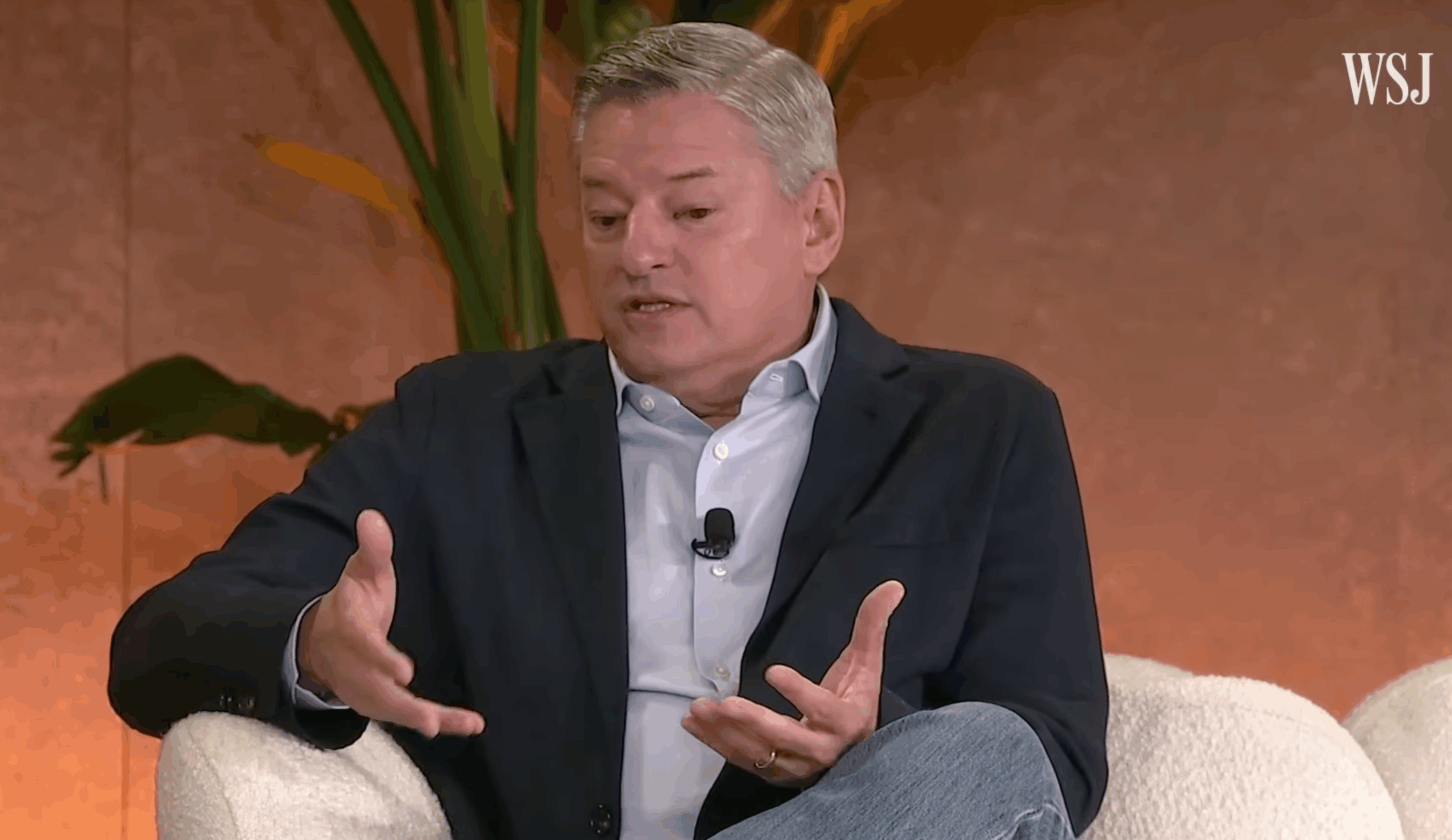
Netflix co-CEO Ted Sarandos is publicly firing back at James Cameron after the Avatar director raised alarms about Netflix’s proposed purchase of Warner Bros. Discovery, accusing Cameron of helping spread what he described as misinformation about the streaming giant’s plans for theatrical releases.
The clash highlights just how high the stakes have become in Hollywood’s latest mega-merger drama.
Sarandos Accuses Cameron of Spreading “Paramount Disinformation”
Appearing on Fox Business Network’s The Claman Countdown, Sarandos did not mince words when addressing Cameron’s recent criticism.
“I’m particularly surprised and disappointed that James chose to be part of the Paramount disinformation campaign that’s been going on for months about this deal,” he said.
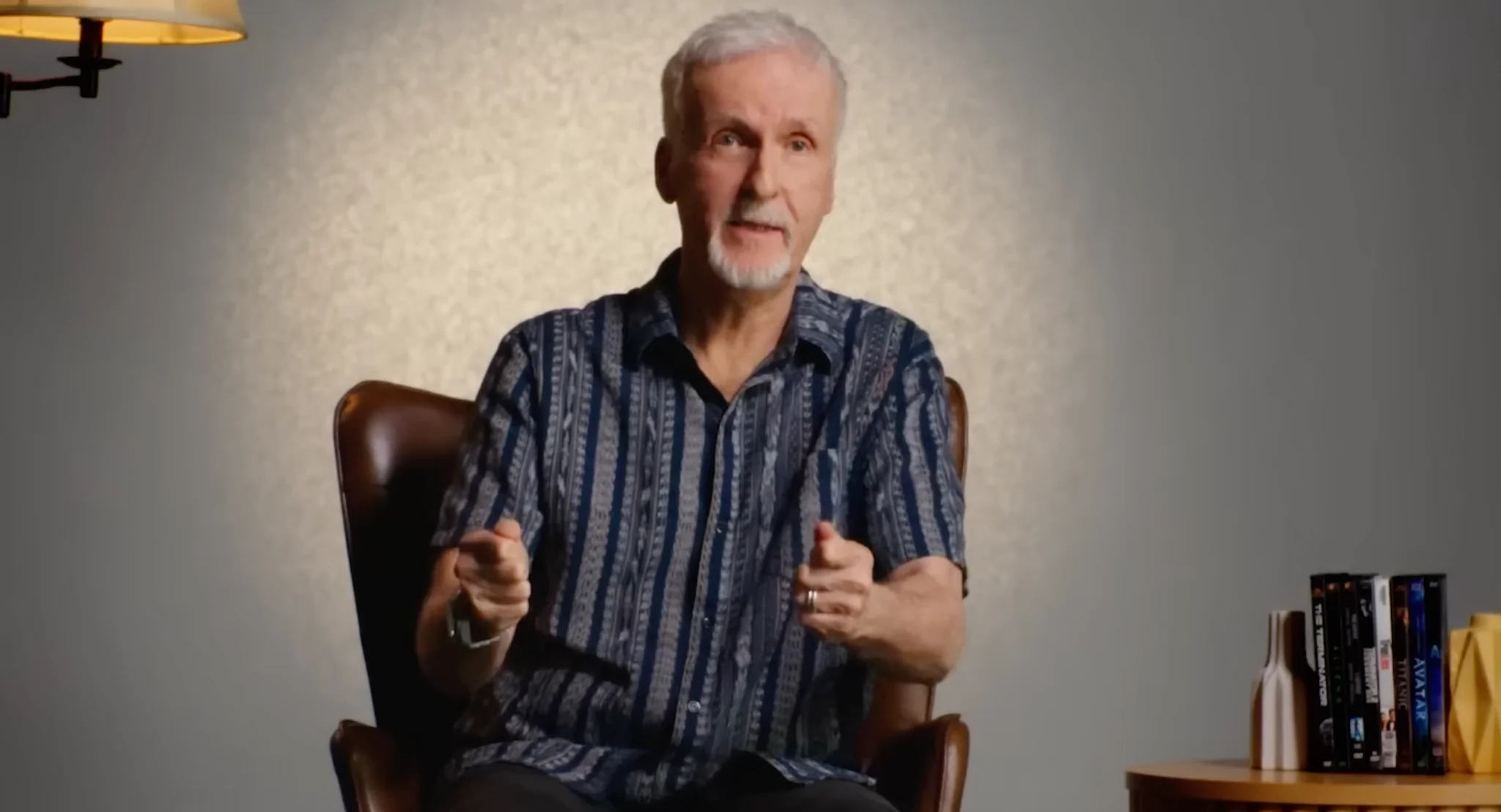
James Cameron speaks to Vanity Fair – YouTube, Vanity Fair
The Netflix executive was responding to a letter written by James Cameron to lawmakers backing Paramount’s competing position in the Warner Bros. battle.
Cameron had warned that Netflix ownership could harm theatrical exhibition and potentially lead to job losses across the industry — a claim Sarandos clearly disputes.
The 17-Day Window Dispute
One of the central flashpoints in the James Cameron Netflix dispute involves theatrical windows.
Cameron suggested Netflix could ultimately shrink the exclusive theatrical run for Warner Bros. films. Sarandos pushed back strongly on that characterization.
A graphic showing the Netflix and Warner Bros. Logos – Netflix
“I have never even uttered the words ‘17-day window.’ So I don’t know where it came from or why he would be part of that machine.”
Sarandos framed the claim as either confusion or deliberate spin tied to Paramount’s lobbying efforts.
Historically, however, Netflix has rarely given its own original films lengthy exclusive theatrical windows. Most Netflix-produced movies either debut directly on the streaming platform or receive only brief, limited theatrical runs — often lasting just one to three weeks — primarily to qualify for awards or generate early buzz.
That track record is a major reason some filmmakers and theater owners remain skeptical about how the company might ultimately handle Warner Bros.’ traditional big-screen pipeline if the acquisition moves forward.
Netflix Reaffirms 45-Day Theatrical Commitment
Netflix continues to insist that theatrical releases would remain intact if the Warner Bros. deal moves forward.
Sarandos emphasized the company’s current position in clear terms: “Movies go into the theaters for 45 days, a healthy, robust slate of films every year, that is going to continue.”
The Logo for Netflix – Netflix
He added that maintaining that window is essential to the economics of the potential acquisition.
“This deal is contingent on that for us to — for it to work,” he added.
That statement appears designed to reassure both regulators and theater owners who have been watching the negotiations closely.
Source Photo Credits: Netflix, Warner Bros.
Still, Sarandos’ repeated assurances have done little to quiet skeptics. Many theater owners, filmmakers, and industry observers remain wary, pointing to Netflix’s long track record of shortened or nonexistent theatrical windows for its own films. The skepticism is also fueled by Sarandos’ past comments dismissing the traditional theatrical model as “outmoded.”
For critics, the question isn’t what Netflix is promising now — it’s whether the company would maintain that commitment once control of Warner Bros.’ film pipeline is firmly in its hands.
Netflix Says Cameron “Knowingly Misrepresents” Its Position
The war of words didn’t stop at television appearances.
In a letter responding directly to Cameron’s outreach to lawmakers, Sarandos escalated the rhetoric even further, writing that the director: “knowingly misrepresents our position and commitment to the theatrical release of Warner Bros. films.”
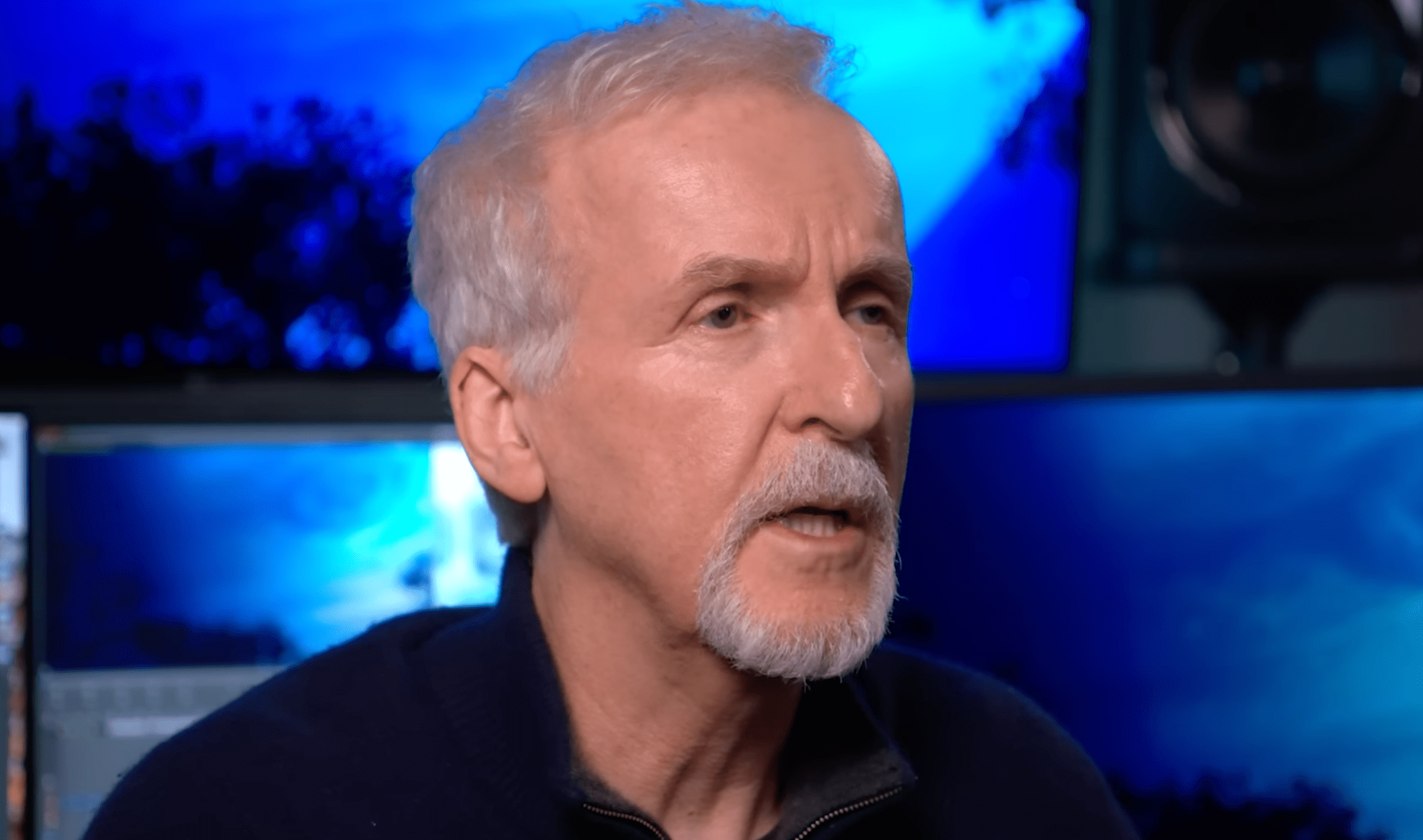
James Cameron speaks to GQ – YouTube, GQ
That is unusually sharp language for a dispute between a major studio executive and one of Hollywood’s most successful filmmakers.
Why This Fight Matters
The James Cameron Netflix clash is about more than personal disagreements — it reflects a broader industry anxiety.
Theatrical exhibitors, unions, and rival studios are all watching closely to see what happens to Warner Bros.’ film strategy if Netflix ultimately gains control.

A screenshot from the trailer to Avatar: Fire and Ash – YouTube, Avatar
For Cameron, the concern appears rooted in protecting the traditional theatrical ecosystem that helped make his own blockbusters global phenomena.
For Netflix, the message is clear: the company insists it can expand its footprint in Hollywood without gutting theaters in the process.
The Bigger Picture for Hollywood
What makes this moment particularly notable is the tone.
Public spats between top filmmakers and major streaming executives have become more common in the streaming wars era, but direct accusations of “disinformation” signal just how contentious the Warner Bros. fight has become.

James Cameron talks in a Vanity Fair interview – YouTube, Vanity Fair
With regulators already scrutinizing the potential deal and competitors jockeying for position, don’t expect the rhetoric to cool anytime soon.
If anything, the James Cameron Netflix battle may just be getting started.
UP NEXT: Andor Creator Sparks Backlash After Linking Hit Star Wars Series to Trump-Era Politics
