


For years, the safest bet in Hollywood seemed to be simple: put Star Wars on the big screen and audiences would show up. That assumption is now being stress-tested in real time by The Mandalorian and Grogu, a theatrical return for Lucasfilm that arrived with enormous brand recognition, a built-in Disney+ fan base, and the novelty of being the first new Star Wars movie in years. And guess what? That stress test is somehow getting worse every single day for Disney.
The film has not been an outright theatrical disaster… but only in the narrowest sense. It’s topped The Marvels and Tron:Ares. So there’s that. It opened at No. 1, it has crossed $250 million worldwide, and it remains a recognizable tentpole in the marketplace. So there’s another gem in its tiny, tiny crown. But measured against the Star Wars brand, the Disney machine, the expectations for a major holiday release, and the historic performance of the franchise, The Mandalorian and Grogu is underperforming badly. With a break-even listed as $500M – $600M by The Hollywood Reporter, Disney is in trouble.
The key domestic question now is whether it can even reach $200 million in North America. Based on its current trajectory, that milestone is no longer something that should be assumed. In fact, it may be increasingly out of reach.
The trouble began with the opening weekend. The Mandalorian and Grogu launched to roughly $81.7 million across its first three days, with its Memorial Day four-day total pushing the figure higher. On paper, that is a sizable debut. For most films, an opening north of $80 million would be a major win.
For Star Wars, however, it was a warning sign.
This was not a minor spinoff quietly released into the margins of the calendar. It was a major Lucasfilm theatrical release built around the most recognizable characters from the Disney+ era of Star Wars. It also had the advantage of a holiday frame, broad theatrical exposure, premium-format screens, and years of pent-up theatrical absence from the franchise.

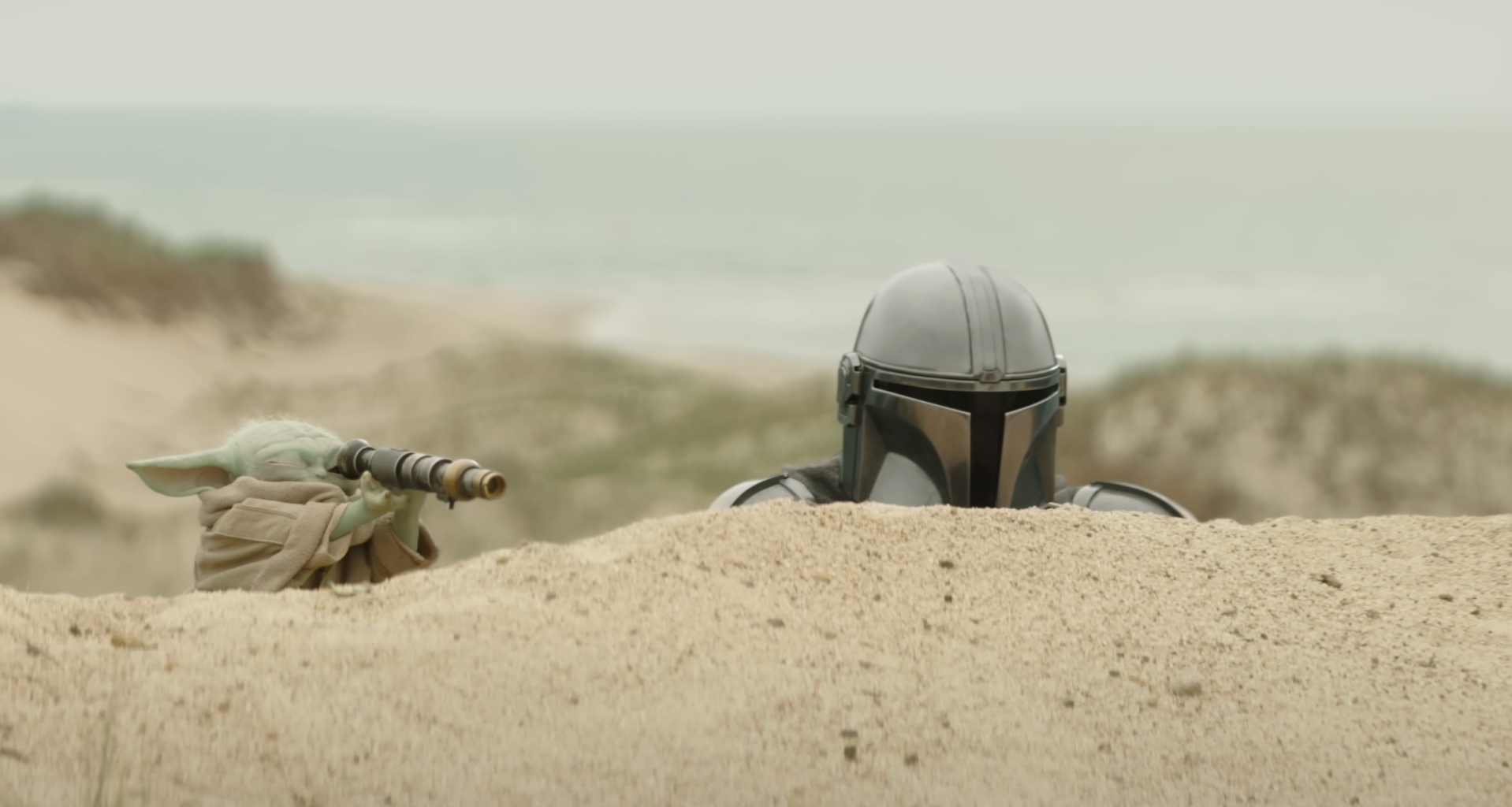
Grogu eating a cookie – Star Wars, YouTube
The problem is that the movie needed more than a respectable start. It needed an event-level opening that could carry it through the crowded summer marketplace. Instead, it opened in a range that left very little margin for error.
Then came the second weekend.
Rather than stabilizing, The Mandalorian and Grogu fell hard. Its second domestic weekend landed around $24.5 million, a decline of roughly 70%. That is the kind of drop that changes the conversation immediately. A movie that opens to $80 million can still reach $200 million if it holds well. But a movie that opens to $80 million and then loses roughly seven out of every ten dollars in weekend two has a much narrower path.
The second-weekend fall also came with a symbolic blow: the Star Wars film did not merely drop; it fell to third place. Backrooms, a horror film built from internet-native appeal, exploded at No. 1. Obsession, another lower-budget genre success, held strongly in second. Suddenly, the supposed event movie of the frame looked less like the center of the marketplace and more like yesterday’s news.
The $200 Million Domestic Problem
The math is now the central issue.
With the film sitting around $144 million domestic, it needs roughly $56 million more to reach $200 million. That may not sound impossible in isolation. Plenty of big movies add $50 million or more after their second week.
But context matters.
To reach $200 million, The Mandalorian and Grogu would need to keep generating meaningful weekend and weekday grosses for several more weeks despite already showing signs of front-loaded demand. Its current domestic multiplier is weak, and its second-weekend decline suggests that the most motivated fans already turned out early.
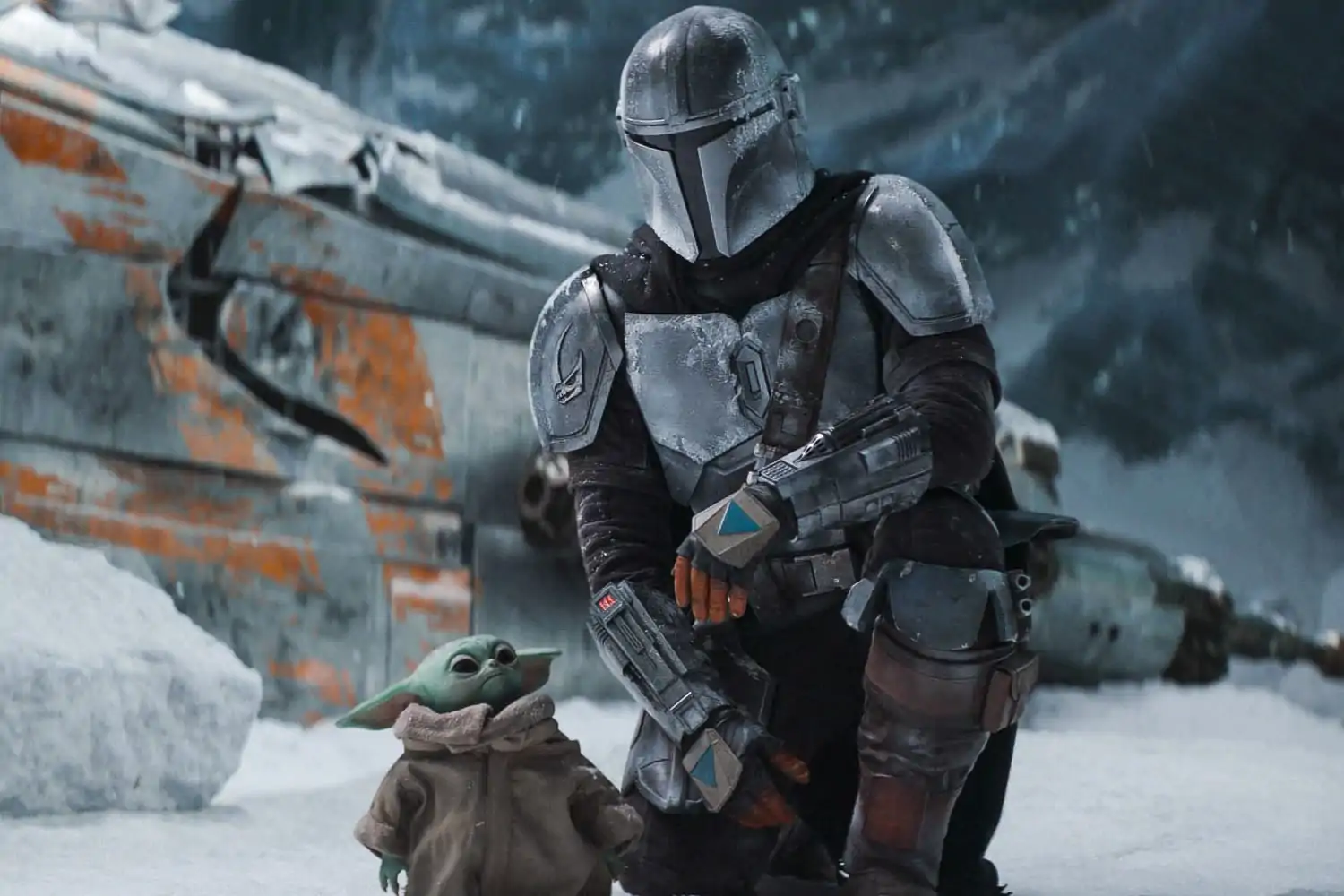
A screencap from The Mandalorian and Grogu – YouTube, Star Wars
A $200 million domestic finish would require the movie to land at about 2.45 times its opening weekend. That is not an outrageous multiplier for a well-liked four-quadrant blockbuster. But it becomes much harder after a roughly 70% second-weekend drop. At that point, the film is no longer playing like a broadly expanding crowd-pleaser. It is playing like a fan-driven title that exhausted a large portion of its core audience quickly.
The film’s weekday numbers also matter. After Memorial Day, the domestic grosses dropped into a much smaller daily range. That is normal for post-holiday releases, but the scale of the decline suggests limited casual-audience momentum. Without strong weekday support from families, repeat viewers, and older moviegoers, the path to $200 million becomes dependent on weekend holds that the film has not yet proven it can deliver.
One of the biggest challenges facing The Mandalorian and Grogu is that it began life as a streaming phenomenon.
Din Djarin and Grogu are popular characters, but their popularity was cultivated on Disney+. For millions of viewers, The Mandalorian is not a theatrical habit. It is a couch-and-TV habit. That distinction matters.
The theatrical Star Wars films that dominated the box office were sold as must-see cinematic events. They were chapters audiences felt compelled to experience communally and immediately. The Force Awakens was not just a movie; it was the return of Star Wars to theaters after a decade. The Last Jedi and The Rise of Skywalker were core saga installments that may have forced long-time fans to suffer through them even as they tore the franchise characters to bits. Even the prequels, divisive as they were at the time, carried the weight of essential mythology until Revenge of the Sith rewarded fans for hanging in there through two lesser-than entries.

Billy Dee Williams as Lando Calrissian in Star Wars The Rise of Skywalker – YouTube, Jedi Master Van
The Mandalorian and Grogu faces a different perception. To casual audiences, it may feel less like the next indispensable Star Wars movie and more like an enlarged episode of a Disney+ series. That does not mean the film lacks scale or production value. It means the audience’s relationship with the characters was trained in a different medium.
That may help explain why the movie could mobilize a sizable opening crowd but struggled to sustain broader momentum. Fans came early. The casual audience appears less urgent.
And perhaps more scary for the executives at Disney: This may be the surest sign yet that Star Wars fans are unwilling to support the franchise further so long as the “Sequel Trilogy” remains part of canon!
There is also the issue of franchise fatigue. Since Disney acquired Lucasfilm, Star Wars has expanded across sequel films, spinoffs, animated shows, live-action series, and interconnected lore. For devoted fans, that depth can be part of the appeal. For casual viewers, it can create homework. A movie built around characters from a multi-season streaming series may simply feel less accessible than a fresh, self-contained adventure.
That is a serious problem when the competition is no longer just other franchises. It is horror, animation, viral originals, streaming alternatives, video games, YouTube, TikTok, and every other entertainment option fighting for attention.

Pedro Pascal at Star Wars Celebration – YouTube, Star Wars
The Horror Upset Made the Weakness Look Worse
The rise of Backrooms and Obsession made the Mandalorian and Grogu performance look even weaker by comparison.
Those films did not have the Star Wars brand. They did not have decades of nostalgia behind them. They did not have Lucasfilm’s legacy or Disney’s franchise infrastructure. What they did have was urgency, novelty, and cultural heat among younger audiences.
That contrast is brutal for Disney.
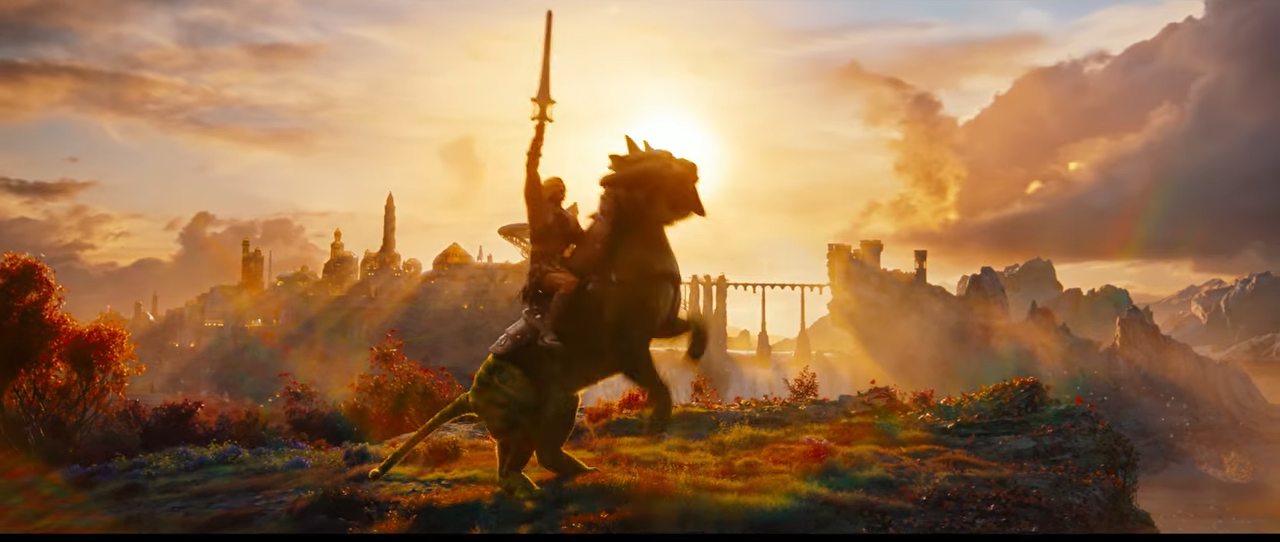
He-Man and Battle Cat in the Masters of the Universe Trailer – Amazon MGM Studios, YouTube
Backrooms arrived as an internet-native horror event, powered by younger viewers who treated it as something current and communal. Obsession showed remarkable staying power, building momentum rather than burning out immediately. Both films demonstrated the kind of audience excitement that studios often assume only established IP can generate.
Meanwhile, the Star Wars film behaved like a front-loaded legacy product. It opened on brand strength, then quickly lost altitude.
That is not just a box office story. It is a cultural story. The marketplace is signaling that younger audiences will show up in force for theatrical experiences, but they may not be showing up for the franchises Hollywood assumes they should care about.
Why $200 Million May Be Too Far
The case against The Mandalorian and Grogu reaching $200 million domestic comes down to four factors.
First, the opening was too modest for the brand. An $81.7 million three-day start gave the movie a path to $200 million, but not an easy one. It needed strong holds.
Second, the second-weekend drop was too severe. A roughly 70% decline dramatically reduces the likelihood of a long, healthy domestic run.
Third, the film appears fan-driven rather than broadly expanding. The early audience showed up, but the later audience has not materialized at the level needed.
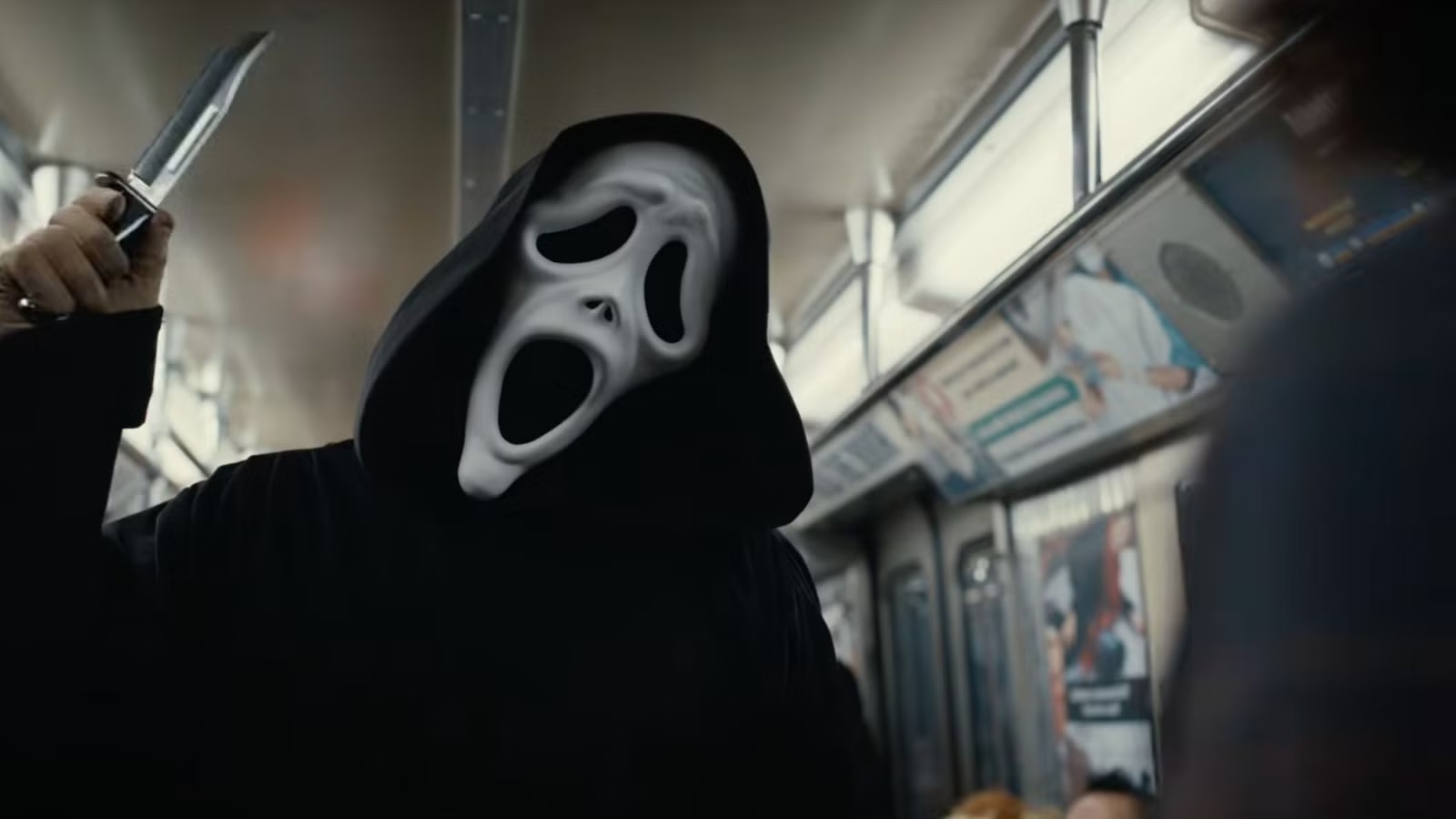
The Killer in the Scary Movie trailer – YouTube @paramountpictures
Fourth, the competition is not passive. Backrooms and Obsession have already taken attention away from the Star Wars release, and the summer calendar will only get more crowded. Scary Movie and Masters of the Universe are here. There’s a chance Mando drops to fifth or even sixth place in some markets for the third weekend. Star Wars movies typically are still in first place in the third weekend with a tremendous rush of repeat viewers.
Could the film still crawl past $200 million? Yes, it is mathematically possible. Strong family attendance, premium-format retention, limited new direct competition, or a late stabilization could keep it alive longer than expected.
But the more realistic read is that The Mandalorian and Grogu is now fighting uphill. A finish somewhere below $200 million domestic has become a plausible, perhaps likely, outcome.
A Warning for Lucasfilm
The bigger issue for Lucasfilm is not whether this specific movie finishes at $185 million, $195 million, or barely over $200 million. The bigger issue is what this performance says about the theatrical future of Star Wars.
If a movie starring Grogu, arguably the most successful new Star Wars character of the Disney era, cannot reliably break out at the domestic box office, then Lucasfilm has a theatrical urgency problem. It is magnified by the seven year absence that should have created a high level of anticipation for the franchise return. Instead, the opposite has happened.
For The Mandalorian and Grogu, the damage may already be done. The film will continue adding money, and its final total will not be insignificant. But for a franchise once synonymous with box office dominance… for decades the most dominant on the planet… “not completely insignificant” is a long way from victory.
The domestic $200 million mark should have been a floor. Now it looks like a fight. And that may be the clearest sign yet that Star Wars’ theatrical power is no longer guaranteed.
