


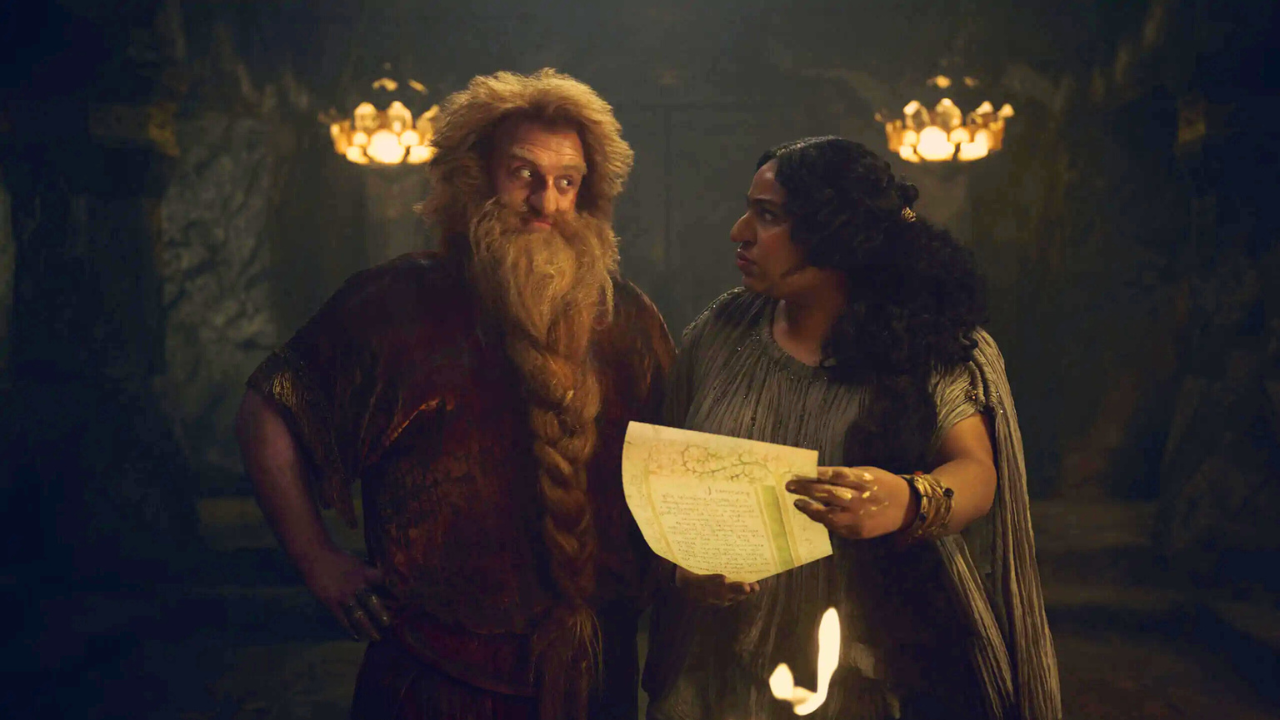
Why do modern films fail to resonate with audiences?
In the late 1990s and early 2000s, we experienced what I would call a hidden renaissance in film and television.
This period gave us iconic blockbusters and series like Titanic, The Lord of the Rings, the Harry Potter franchise, Saving Private Ryan, Avatar, Pirates of the Caribbean, The Sopranos, Band of Brothers, Rome, and many more. These works are now considered timeless classics—stories that resonated deeply with audiences and shaped the cultural landscape.

Bernard Hill as King Theoden in The Lord of the Rings: The Return of the King (2003), Warner Bros. Pictures
READ: Mattel Sued Over ‘Wicked’ Merchandise Misprint That Sent Kids to Obscene Website
Yet, something feels off today. Despite advancements in technology and the ballooning budgets of modern productions, many contemporary films and TV shows fail to connect with audiences the way their predecessors did.
Why is this happening? What has changed? Why do modern films fail?
While some might attribute this disconnect to nostalgia, the truth, I believe, goes deeper.
A closer look at today’s entertainment reveals a lack of soul, creativity, and, most importantly, narrative cohesion. But what is narrative cohesion, and why does it matter so much? To understand this, we must first examine the role of the director.
The Director as a Narrator: Crafting Cohesion
A director’s role is best described as that of a narrator—not the creator of a story, but the one tasked with bringing it to life in the most engaging and meaningful way. The director ensures that every scene, action, and character works in service of the larger narrative, creating an emotionally seamless experience for the audience.

Director Wes Ball on the set of 20th Century Studios’ KINGDOM OF THE PLANET OF THE APES. Photo by Jasin Boland. © 2024 20th Century Studios. All Rights Reserved.
Unfortunately, many modern directors seem to have forgotten this essential responsibility. Instead of prioritizing the story, they focus on personal messages, adherence to trends, or amplifying ideological themes. These distractions compromise the cohesion of the narrative, resulting in stories that feel fragmented and fail to resonate with audiences.
Have you ever watched a film or TV show and felt second-hand embarrassment—what many call “cringe?” This feeling often stems from a lack of narrative cohesion. Awkward, overdramatic, or poorly executed moments stand out because they fail to naturally fit within the story. Instead of drawing the audience in, these scenes alienate them.

Morfydd Clark as Galadriel in The Lord of the Rings: The Rings of Power (2024), Amazon MGM Studios
For example, the infamous “stones don’t float” scene from The Rings of Power: 2022 feels hollow and forced.
Compare this to Gandalf’s reassurance to Merry about life after death in The Return of the King: 2003. Both scenes involve dialogue intended to convey deeper meaning, yet only one succeeds. Gandalf’s words resonate because they fit seamlessly into the context of the story, aligning with its themes and emotions while deepening the relationship between the characters and the audience.

Ian McKellen as Gandalf confronts King Theoden in The Lord of the Rings: The Two Towers (2022), New Line Cinema
In contrast, the Rings of Power scene lacks this narrative foundation. The dialogue feels disconnected from the larger story and fails to advance the plot or develop the characters in a meaningful way. What should have been a profound moment instead comes across as an isolated attempt at significance.
Without the grounding provided by narrative cohesion, such scenes often leave audiences cringing rather than moved.
Let’s compare two other pivotal scenes to understand why one resonates deeply while the other falls flat: Gandalf’s iconic “You shall not pass” confrontation with the Balrog in The Fellowship of the Ring and Galadriel’s dramatic declaration to Sauron, “You will die by my hand,” in The Rings of Power.
By stripping away the dialogue and theatrics, we can clearly see why one succeeds in engaging the audience while the other fails.
READ: Star Wars Series ‘Skeleton Crew’ Will Feature ‘Two Moms’ as Parents in Third Episode
Gandalf’s confrontation is intricately woven into the narrative. His stand against the Balrog is not just a dramatic highlight, but a crucial turning point in the story.
The stakes are clear: Gandalf sacrifices himself to ensure the Fellowship’s escape. This act has far-reaching consequences for the plot and characters. Even without his famous words, the scene would still resonate because of its narrative purpose. It propels the story forward, leaves the Fellowship shaken, and fills the audience with questions about what will happen next.
Every element of the scene, from the action to the emotional weight, feels earned.
In contrast, Galadriel’s confrontation with Sauron feels shallow and disconnected. After her dramatic declaration, “You will die by my hand,” the scene ends with the characters glaring and shouting at each other before walking away. There are no meaningful stakes, resolutions, or consequences to the confrontation. Unlike Gandalf’s moment, which carries tangible stakes and impacts the narrative, Galadriel’s feels like an isolated attempt to create drama. Without any real connection to the story or its characters, the audience is left disengaged.
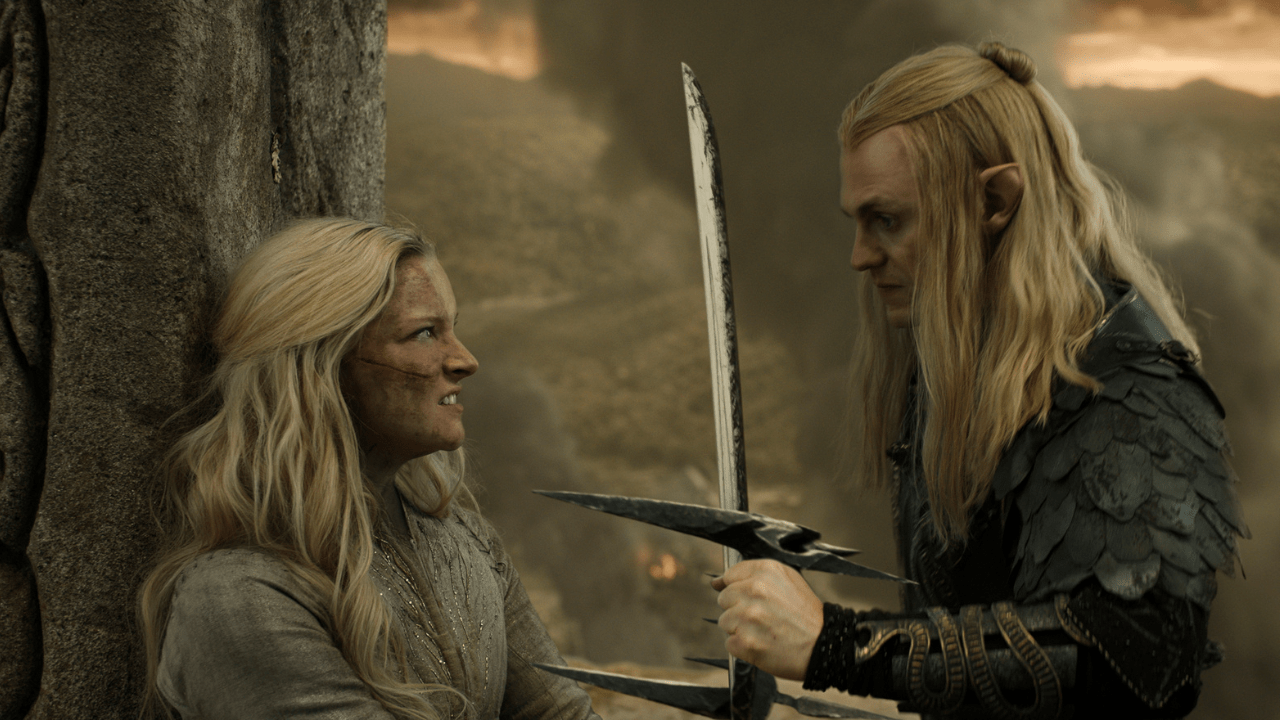
Morfydd Clark as Galadriel and Charlie Vickers as Sauron in The Lord of the Rings: The Rings of Power (2024), Amazon MGM Studios
Gandalf’s sacrifice resonates not only because of its impact on the plot, but because the audience is emotionally invested in him and his journey.
We’ve seen his wisdom, his struggles, and his unwavering bond with the Fellowship, making his loss deeply personal. Similarly, Boromir’s death in The Fellowship of the Ring is another example of emotional stakes done right. His journey, from internal conflict to redemption, is shown in real time.
When Boromir sacrifices himself to protect Merry and Pippin, the audience shares in his loss because they’ve followed his arc.
By contrast, Galadriel’s motivation to avenge her brother feels distant and unearned. Her grief is presented through flashbacks, giving the audience only second-hand knowledge of her pain. We are told about her loss but never experience it alongside her. As a result, her stakes remain personal rather than shared. This disconnect prevents her confrontation with Sauron from carrying the emotional weight it needs to resonate with the audience.
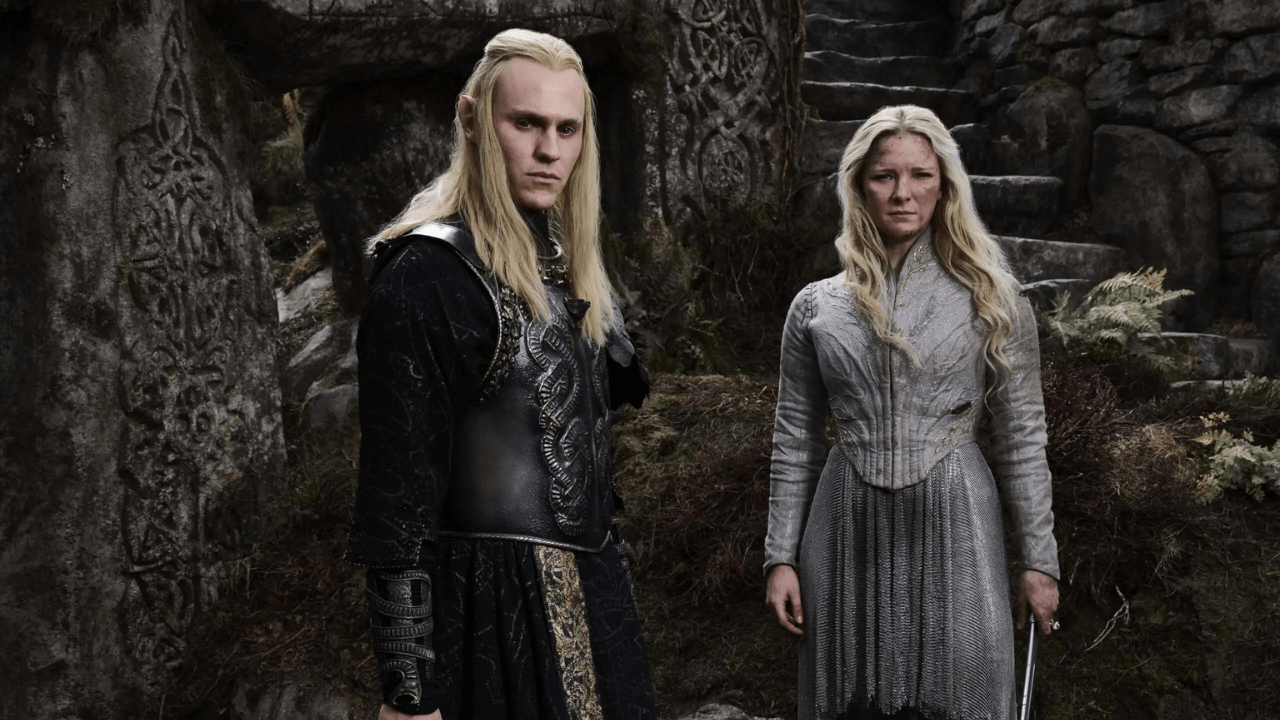
Charlie Vickers as Sauron and Morfydd Clark as Galadriel n The Lord of the Rings: The Rings of Power (2024), Amazon MGM Studios
READ: Celebrities Look to Exit Politics as Endorsements Seem to Have Backfired in 2024
So, why do so many modern films and TV shows lack this emotional connection? Part of the issue lies in a shift in creative priorities.
In the past, storytelling took precedence, with every moment serving the narrative and the characters. Today, many projects prioritize spectacle, superficial drama, or ideological messaging over the basics of storytelling. While these elements can complement a good story, they cannot replace it.
Spectacle-driven filmmaking often relies on visual effects or grandiose moments to captivate audiences. While these elements can be thrilling, they lose their impact if they aren’t embedded in the narrative. A well-told story gives these moments their weight, making them memorable instead of fleeting.
Similarly, films that prioritize ideological themes often lose sight of narrative cohesion.
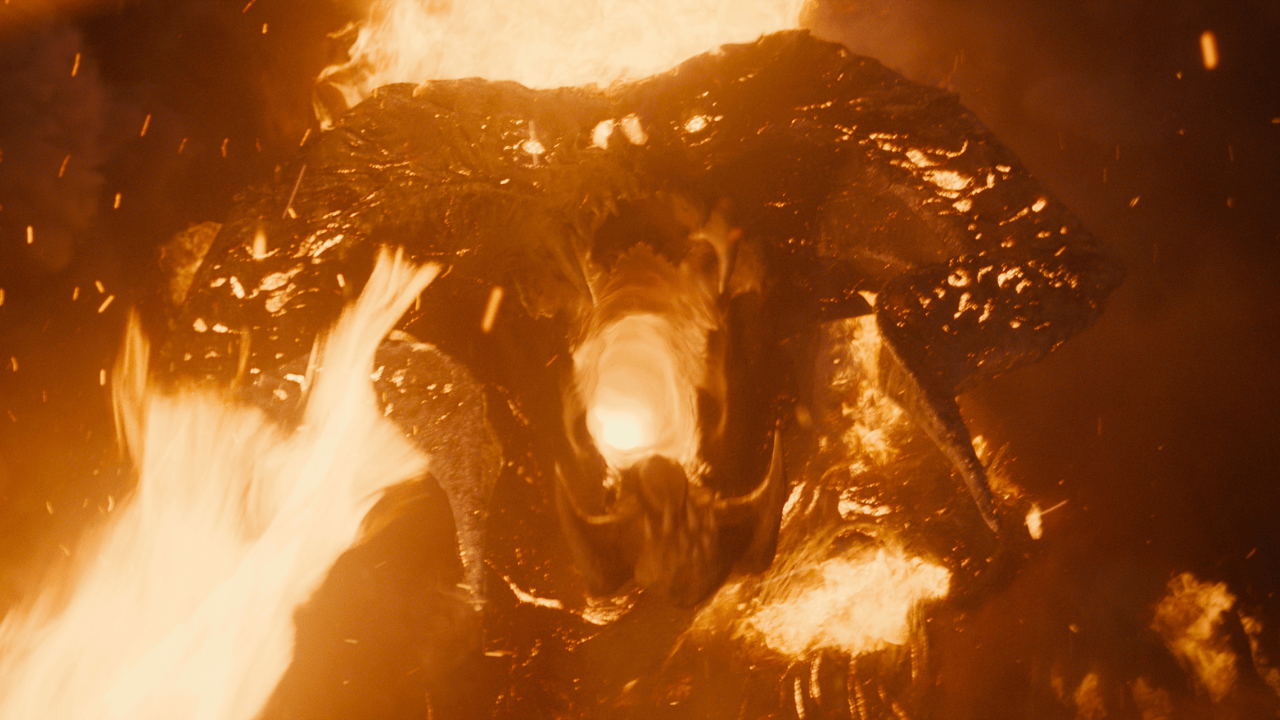
The Balrog in The Lord of the Rings: The Rings of Power (2024), Amazon MGM Studios
When the message becomes more important than the story, characters and events can feel contrived or forced, alienating audiences. This doesn’t mean that films shouldn’t tackle important themes, but these themes must be woven naturally into the narrative. When handled poorly, they risk overshadowing the story rather than enhancing it.
So the heart of the problem is the lack of narrative cohesion. This crucial element ensures that every scene, action, and word serves a purpose in advancing the story.
When narrative cohesion is present, even the least dramatic moments feel earned and emotionally engaging. Without it, even the grandest spectacle can feel hollow.
The Heart of the Problem
Ultimately, emotional stakes and narrative cohesion are inseparable.
A well-told story ensures that every moment has purpose, that characters’ actions resonate, and that the audience remains emotionally invested. Modern films and TV shows often miss this mark because they prioritize spectacle, ideology, or superficial drama over these foundational elements.
To recapture the magic of the hidden renaissance era, filmmakers must refocus on the basics of storytelling. They must ask themselves: Does this scene serve the narrative? Does it connect emotionally with the audience? By grounding their work in authentic stakes and meaningful connections, creators can craft stories that resonate—timeless works that audiences will remember for years to come.

Sean Astin as Samwise Gamgee and Elijah Wood as Frodo Baggins in The Lord of the Rings: The Return of the King (2003), Warner Bros. Pictures
The solution lies in returning to stories that prioritize substance over spectacle, characters over checklists, and coherence over forced messages. It requires courage to take creative risks, trust the intelligence of audiences, and focus on delivering narratives that feel personal and genuine. Films that achieve this can once again inspire, move, and captivate in the way so many classics of the past have.
But why have so many modern films drifted away from these principles? Why do modern films fail? What lies at the root of this shift, and why do today’s filmmakers often choose spectacle and ideology over the soul of storytelling? That, is an another tale that needs to be told.
