


There’s a great hullaballoo going on about the Disney news that park admission prices may implement a “new” “Surge Pricing” formula designed to follow crowd patterns, making the cost of tickets go UP when demand is high (and, the implication—ONLY an implication with ZERO actual statement of this) and, go DOWN when demand is slack.
A lot of people are angry, outraged, and treating this idea as if it were something new when, in fact, the concept’s been around for decades and been used primarily but not exclusively in the airline and hotel industry as a way of keeping valuable and expensive-to-maintain assets busier when people are less willing to use them.
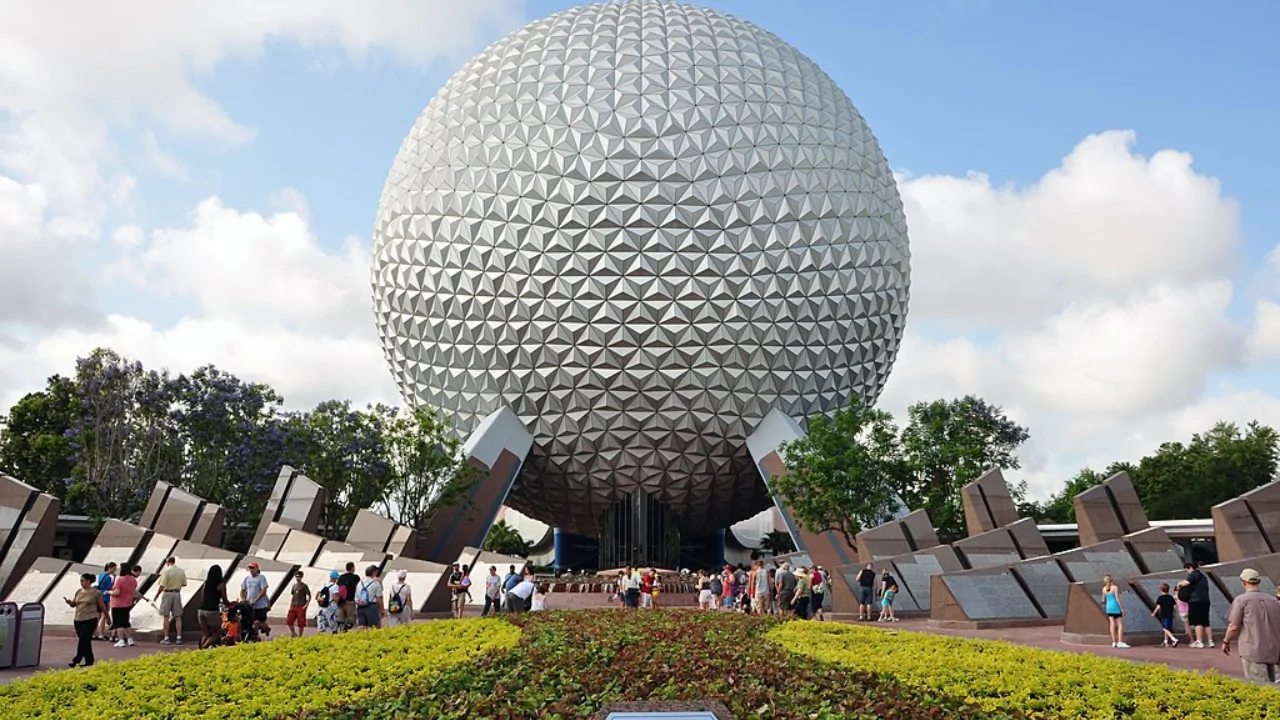
Epcot Spaceship Earth Walt Disney World Orlando 2010. Photo Credit: chensiyuan, CC BY-SA 4.0 <https://creativecommons.org/licenses/by-sa/4.0>, via Wikimedia Commons
The airlines even add and remove regular flight services to, for example, ski resorts like Vail in winter. And if you’ve ever tried to get a Las Vegas hotel room, restaurant reservation, or show ticket when a major convention like CES is in town, you know you should have started months before.
In a different way, this idea applies to food and beverage as well, as a quick look at your local DoorDash or GrubHub website will show.
You’ll see things like “20% off selected items” or “$5 credit if you spend $25” and similar variations that are designed to (a) get you to try items you might not otherwise have explored and (b) get you to try new-to-you food venues for the first time in search of a bargain introduction.
And y’know what? It WORKS. And really, it isn’t that much different than seasonal sales for “Back to School” on kids supplies and clothes or even chocolate the day after Valentine’s. Even states and cities offer tax “holidays” at certain times of the year on all sorts of consumption taxes.

Mirabel and Bruno at Walt Disney World; Image Courtesy Disney Parks Blog
And certainly ALL the resort/theme park outfits do packages where if you stay more nights you get a discount or free/discounted dining or multi-day tickets or other incentives. Some of these are valuable and some are not (like the recent “Hey, visit our water parks on the first morning of your stay for FREEEEEE!” Disney charade when most arriving travelers finally get off the plane or the highways too late in the afternoon to make much use of this “perk”).
SO…the question is—what’s the big “surge” pricing deal for The Walt Disney Company and why is it stirring such anger, controversy, and discussion?
Here’s why: Based on their track record of pricing behavior, people suspect that these “surges” in pricing will only happen on the UP side and not conversely on the DOWN. In short, Disney’s “floor” prices are too damned high to begin with as ALL their market research has shown. They’re discouraging repeat or more frequent visits, and are generally pricing families out of the entire experience. REAL surges and price plans in all other arenas include BARGAINS in the slow periods. People who have experienced Disney’s faux-generosity lately suspect that this is only about making things even MORE expensive in peak travel periods (like when kids are out of school) and never, ever bringing them down in any real, appreciable way.

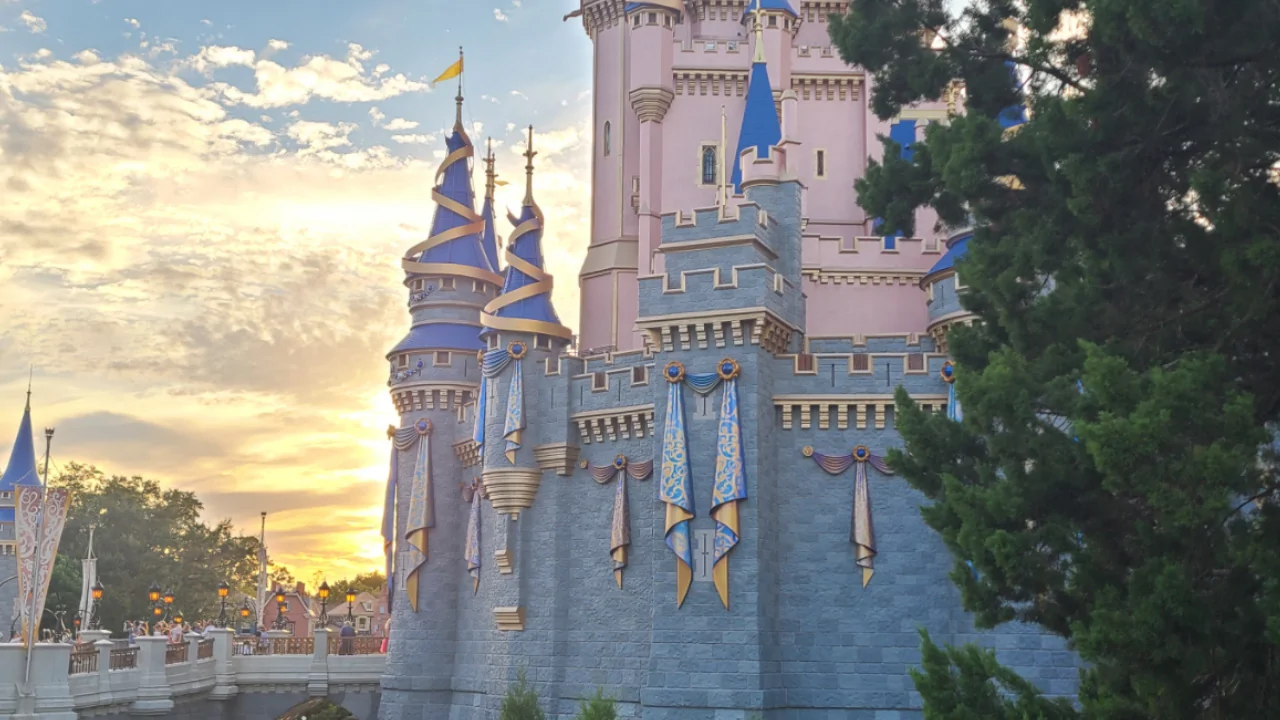
Cinderella Castle in Walt Disney World at Magic Kingdom during a clear Orlando day – Photo Credit: M. Montanaro
Of course, if sensible management prevailed at the Mouse House of late, they’d have known to put the potential “good news” of any lower rates in non-surge times, if any, up front in the announcements. But instead, they came off as if the real message was “Enjoy the high prices, plebes, and know we’ll ask for even MORE in a ‘surge’ increase when the demand goes up.”
And let’s not forget this increase will probably apply to add-ons like Lightning Lane too.
In short, when is a “surge pricing” scheme NOT a typical adjustment to the realities of demand? When the ONLY direction prices surge is….up.
What do you think about this Disney surge pricing? Sound off in the comments and let us know!
UP NEXT: Warwick Davis Wins the Honor of the BAFTA Fellowship Award
