


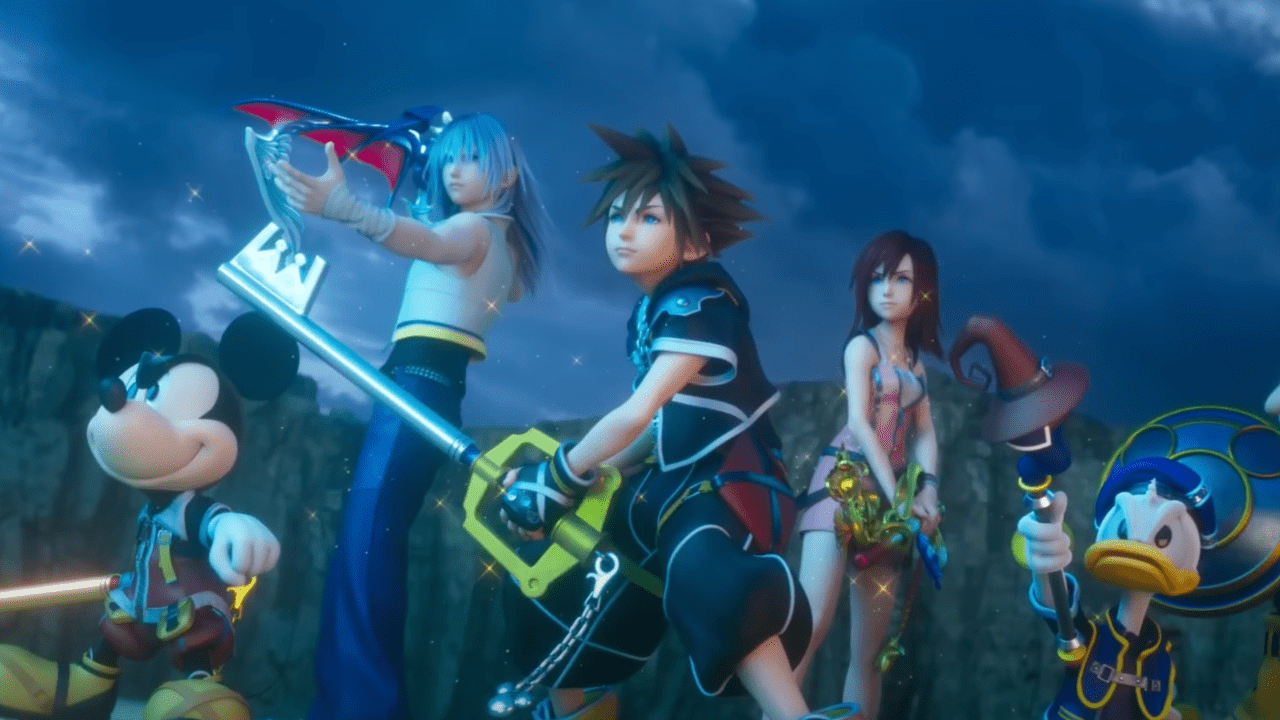
If you’ve somehow managed to go outside, touch grass, or maintain any shred of sanity lately, you may have missed the latest exercise in projection masquerading as gaming journalism. According to TheGamer, Kingdom Hearts protagonist Sora may not understand love because he’s experiencing something called “compulsory heterosexuality.”
Yes, really…
I wouldn’t have believed this myself had I not seen Vara Dark break it down in her latest video.
Vara, who has become a go-to source for calling out these cultural contortion acts, highlighted a piece from TheGamer that argues Sora’s emotional confusion is not simply the result of being, say, a 15-year-old boy with a magical keyblade and the weight of multiple universes on his shoulders — but rather because he’s being subconsciously forced into straightness by society.
Yes. Really….
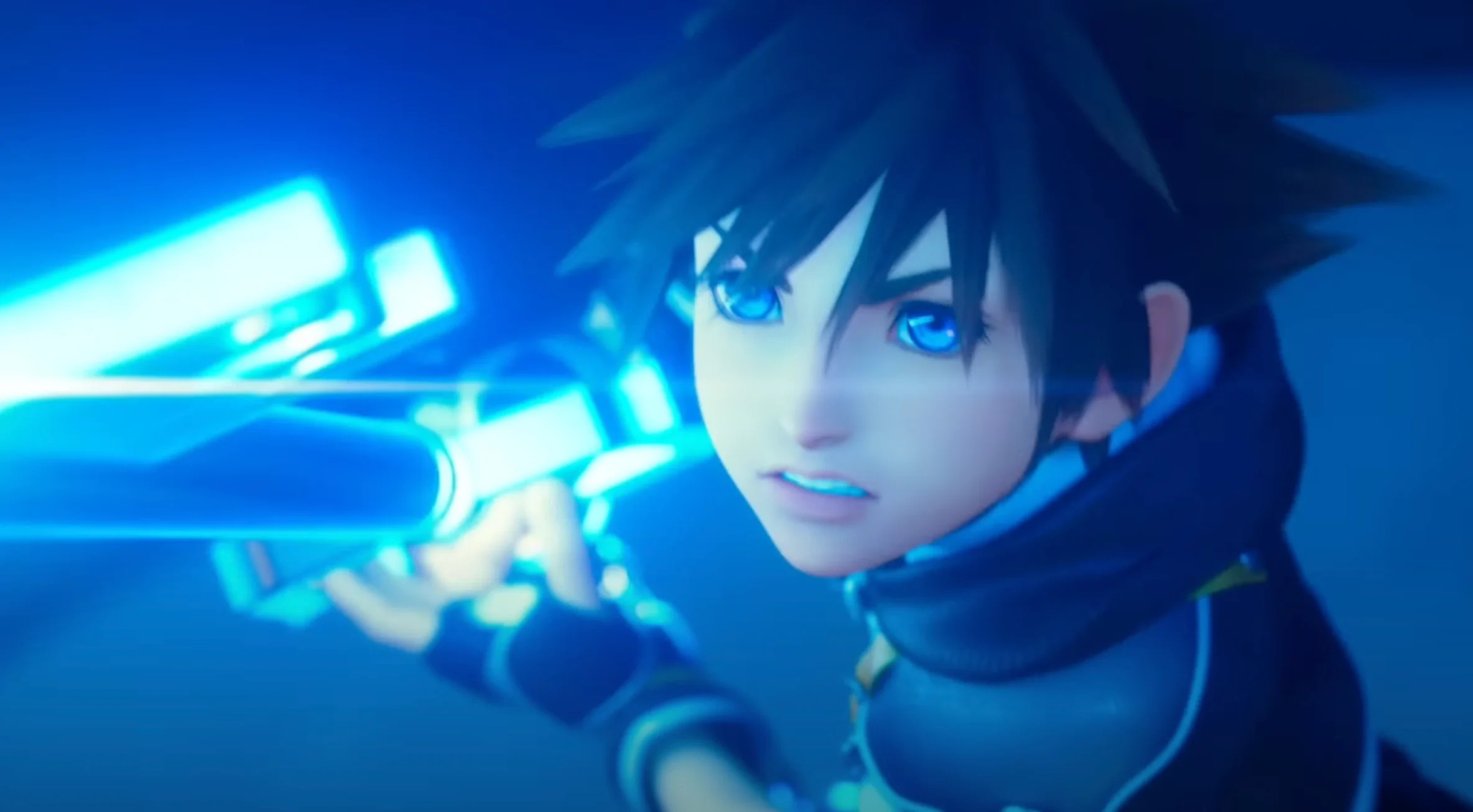
Sora in Kingdom Hearts 3 – YouTube, Shadow Digital Entertainment
This all apparently stems from a scene in the Pirates of the Caribbean world, where Davy Jones muses, “Ah, love. A dreadful bond, and yet so easily severed.”
Sora responds earnestly: “That’s not true. I may still have a lot to learn about love, but I know what it means to share my heart with others.”
That’s a perfectly on-brand, emotionally sincere line from a kid who’s spent his life watching Disney couples conquer darkness. But instead of taking the line at face value, TheGamer decided this was evidence of Sora’s repressed identity.
Because Belle and Beast just don’t speak to him, apparently.
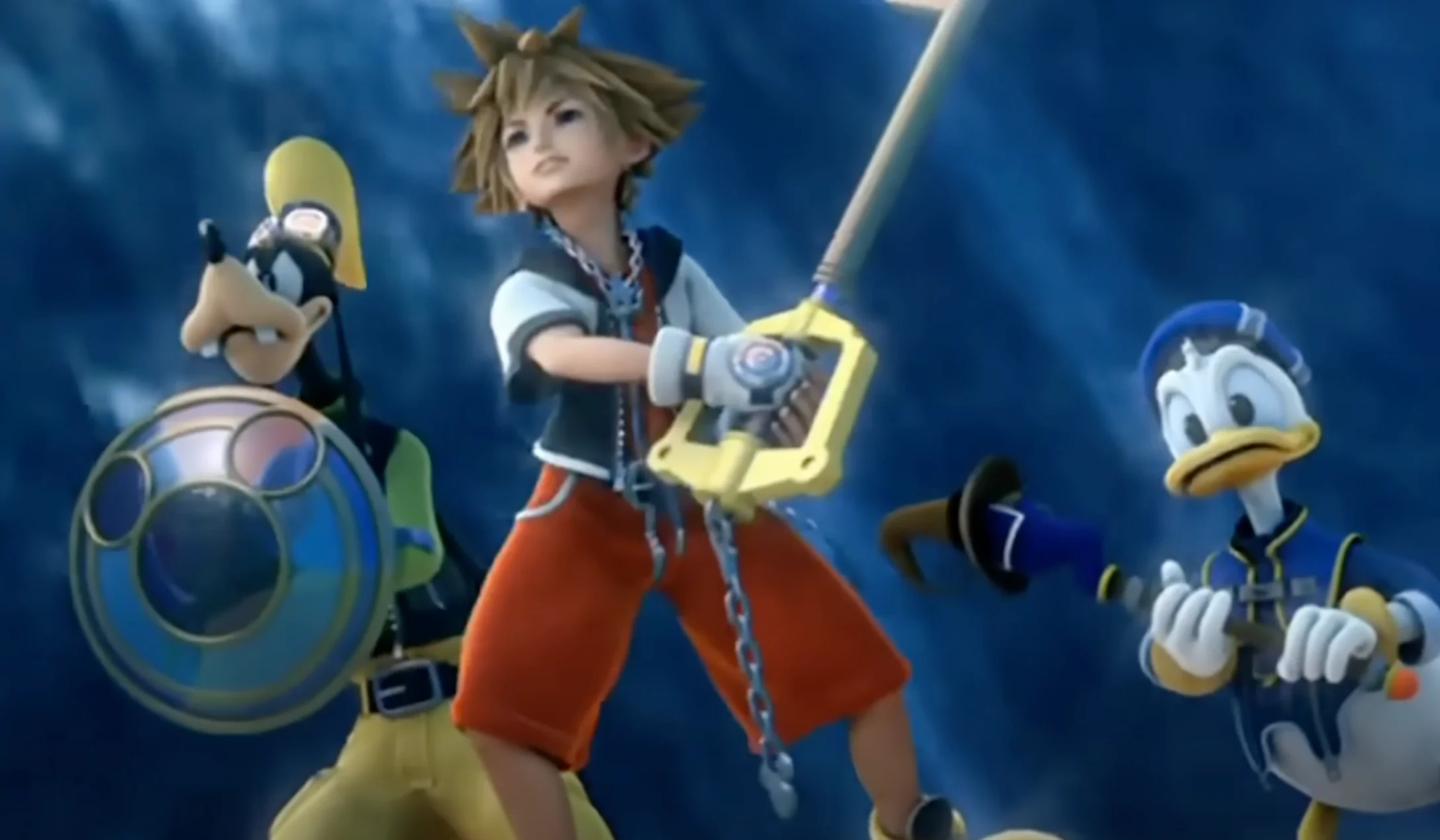
Sora, Donald, and Goofy in Kingdom Hearts 2 – YouTube, Lin
The author even admits the article is rooted in her personal experiences as a gay woman who couldn’t relate to the Disney princesses growing up. Instead of recognizing this as a subjective disconnect, she rewrites Sora’s internal monologue through the lens of her own identity, concluding that he must also be struggling under “heteronormative societal pressure.”
This is what passes for video game journalism now.
As Vara puts it, “They’re not even interested in respecting the creator’s intent anymore.” And she’s right. These kinds of pieces aren’t about analyzing a story—they’re about colonizing it. If the character doesn’t explicitly say what the writer wants them to say, then the writer inserts it themselves.
The creator’s vision? Irrelevant. The fans? Secondary. The new goal is to force-fit every franchise into a personal identity narrative, whether it makes sense or not.
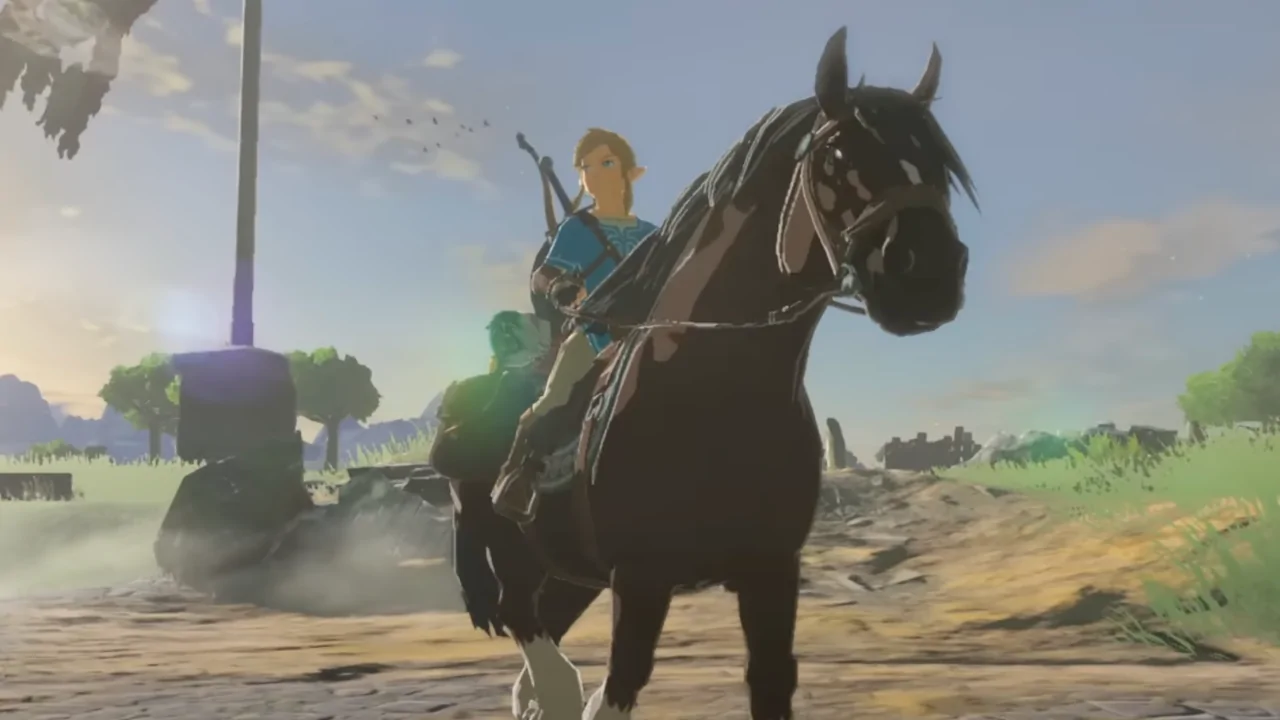
Link in The Legend of Zelda Breath of The Wild – YouTube, Nintendo of America
This isn’t even a new pattern. TheGamer and number of other gaming news outlets have done it before, claiming The Legend of Zelda has “always been” a part of the PRIDE community and identifies with another gender, despite Nintendo’s long-established canon that Link is male and consistently referred to as such.
According to these self-appointed narrative editors, it doesn’t matter what’s actually in the text. It only matters what it could mean if you squint hard enough and ignore decades of lore.
The same playbook was used against Hogwarts Legacy, as Vara reminded viewers—where games journalism outlets insisted that anyone who played the game was supporting harmful views. When gamers didn’t fall in line, the activist critics doubled down and continued trying to push ideology at every turn.
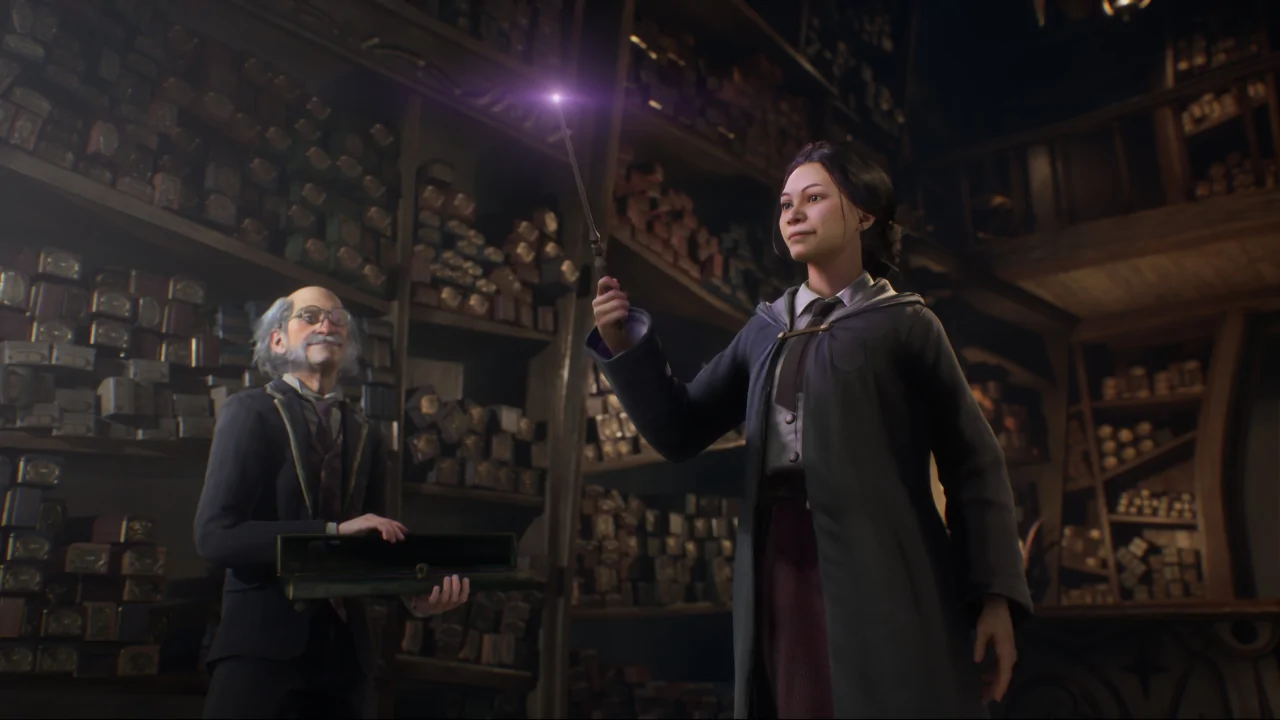
A screenshot from Hogwarts Legacy (2023), Avalanche Software
The goal isn’t journalism; it’s compliance. And when compliance fails, it turns into shaming.
There’s a particularly rich irony here, too. The same writers who insist that identity is personal and fluid, that no one should assume anyone’s orientation or label them without consent, are quick to diagnose fictional characters—and sometimes real people—as victims of societal brainwashing.
So, seemingly according to these journalists, if you’re a woman in a traditional relationship, maybe it’s not love—maybe you’ve just been conditioned into it. And if you’re a teenage boy who hasn’t locked lips with someone by hour 90 of your JRPG, clearly you’re a closeted metaphor.
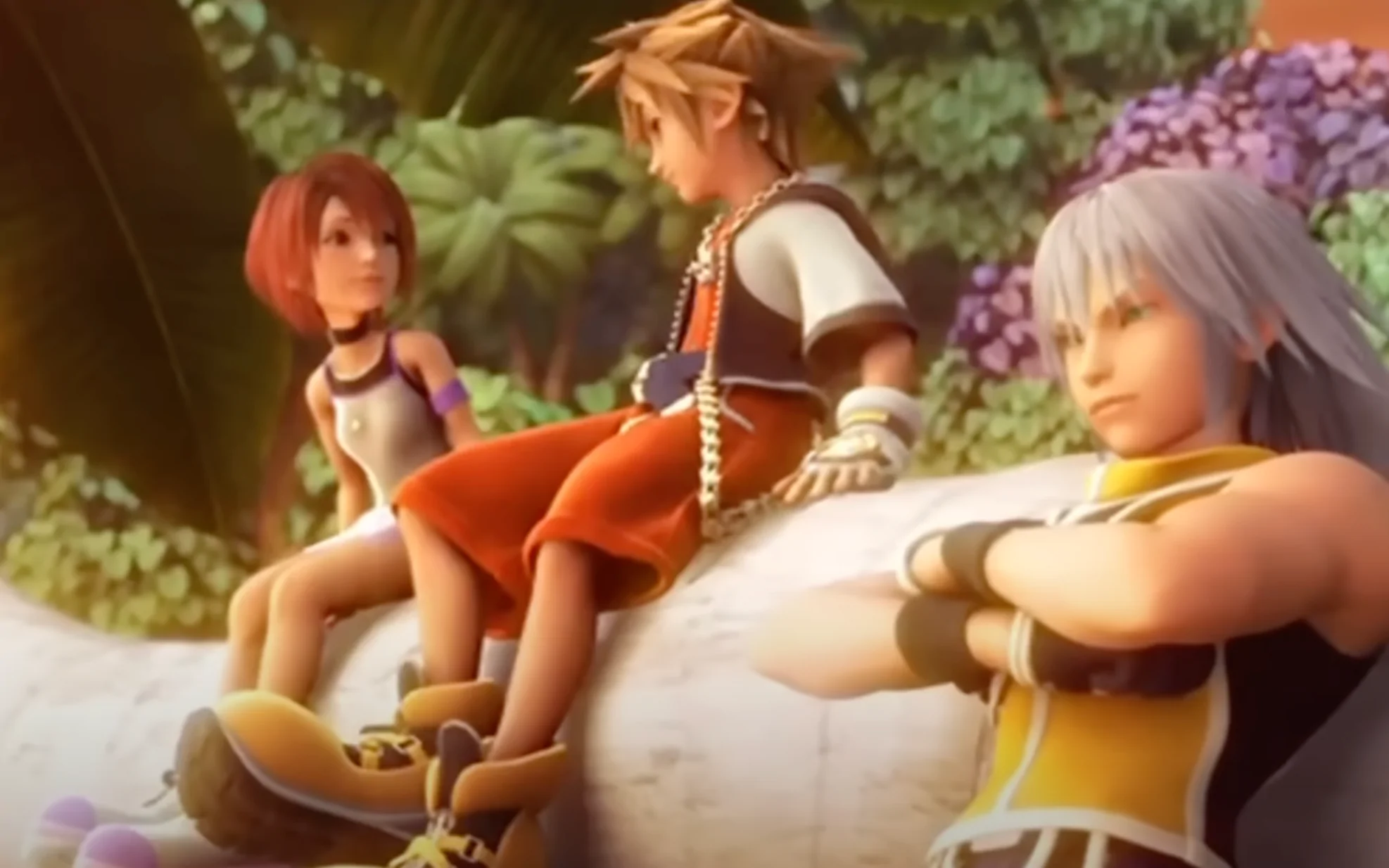
Sora Kairi and Riku in Kingdom Hearts – YouTube, Lin
Let’s be clear: people are allowed to relate to fictional characters however they want. If someone sees themselves in Sora or Link, more power to them. But there’s a difference between personal headcanon and demanding that developers and the fanbase publicly affirm your interpretation and use your platform to push these narratives. There’s a line between connection and control—and this kind of “criticism” bulldozes right over it.
In the end, Sora’s confusion about love probably has less to do with heteronormativity and more to do with the fact that he’s a literal child trying to fight off darkness with friendship and Disney magic. Maybe—just maybe—that’s enough.
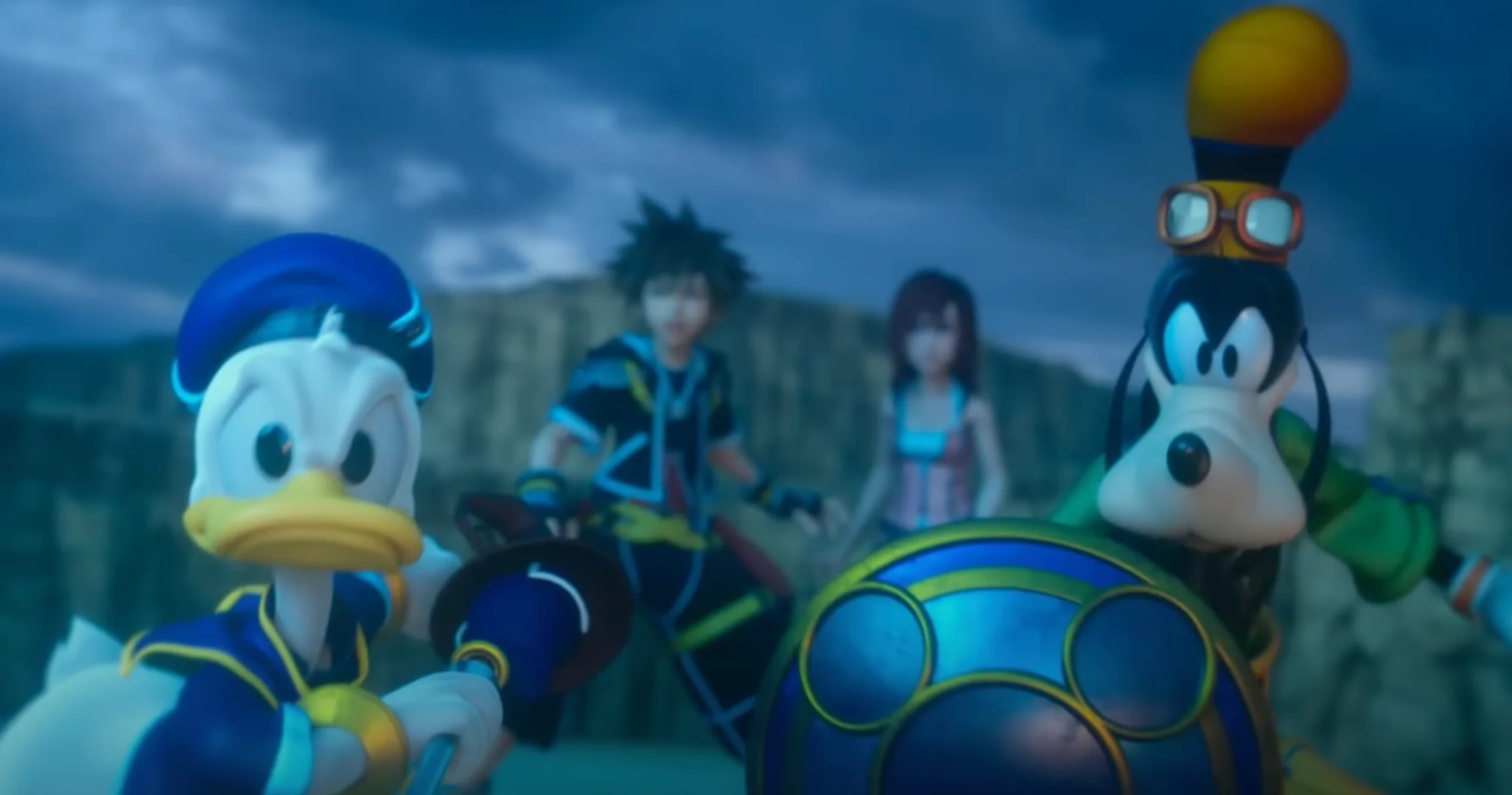
– YouTube, Shadow Digital Entertainment
Also, pretty sure his canon romance is Kairi for like every single game. Just saying…
And maybe we can stop turning every game character into a symbolic case study for someone’s identity crisis.
King Mickey in Kingdom Hearts 3 (2019), Square Enix
As Vara put it best, “TheGamer is just a site filled to the brim with activists who aren’t actually worried about giving gamers good content… they’re more worried about what agenda they can push to you today.”
Can we please stop?
How do you feel about TheGamer and its comments on Sora and Kingdom Hearts? Sound off in the comments and let us know!
