


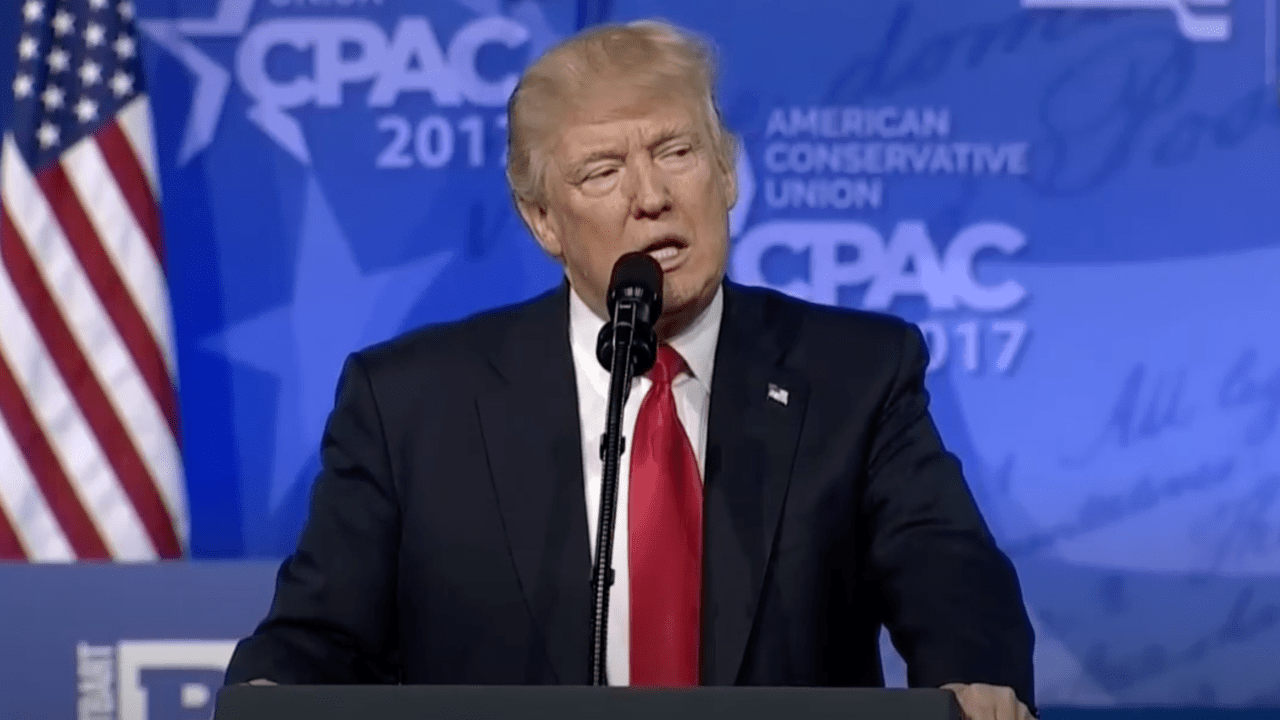
President Donald Trump is escalating his criticism of efforts to slow artificial intelligence development, accusing advocates of greater restrictions of participating in a “conspiracy” against AI while specifically criticizing Anthropic CEO Dario Amodei.
Trump made the comments in a pair of Truth Social posts Monday, one day after telling reporters that he believes the benefits of AI will outweigh its potential dangers.
“The Trump Administration has stopped AI ‘people’ from doing bad, or potentially bad, ‘things,’ like Dario (Anthropic!), who is now pretending to be a ‘perfect little angel’ — and we will continue to do so!” Trump wrote Monday.
“We already have tremendous CRIMINAL and REGULATORY power over these companies! There is a SICK conspiracy going on against AI and Data Centers, and the only one that is happy about it is China. WHOEVER WINS AI, WINS!”
Trump concluded the post with a warning to “Conspiracy Theorists, Treasonists, Traitors, and Leakers.”
Trump Dismisses AI Doomsday Fears
Approximately three hours later, Trump posted again, this time specifically rejecting warnings that rapidly advancing artificial intelligence could eventually pose an existential threat to humanity.
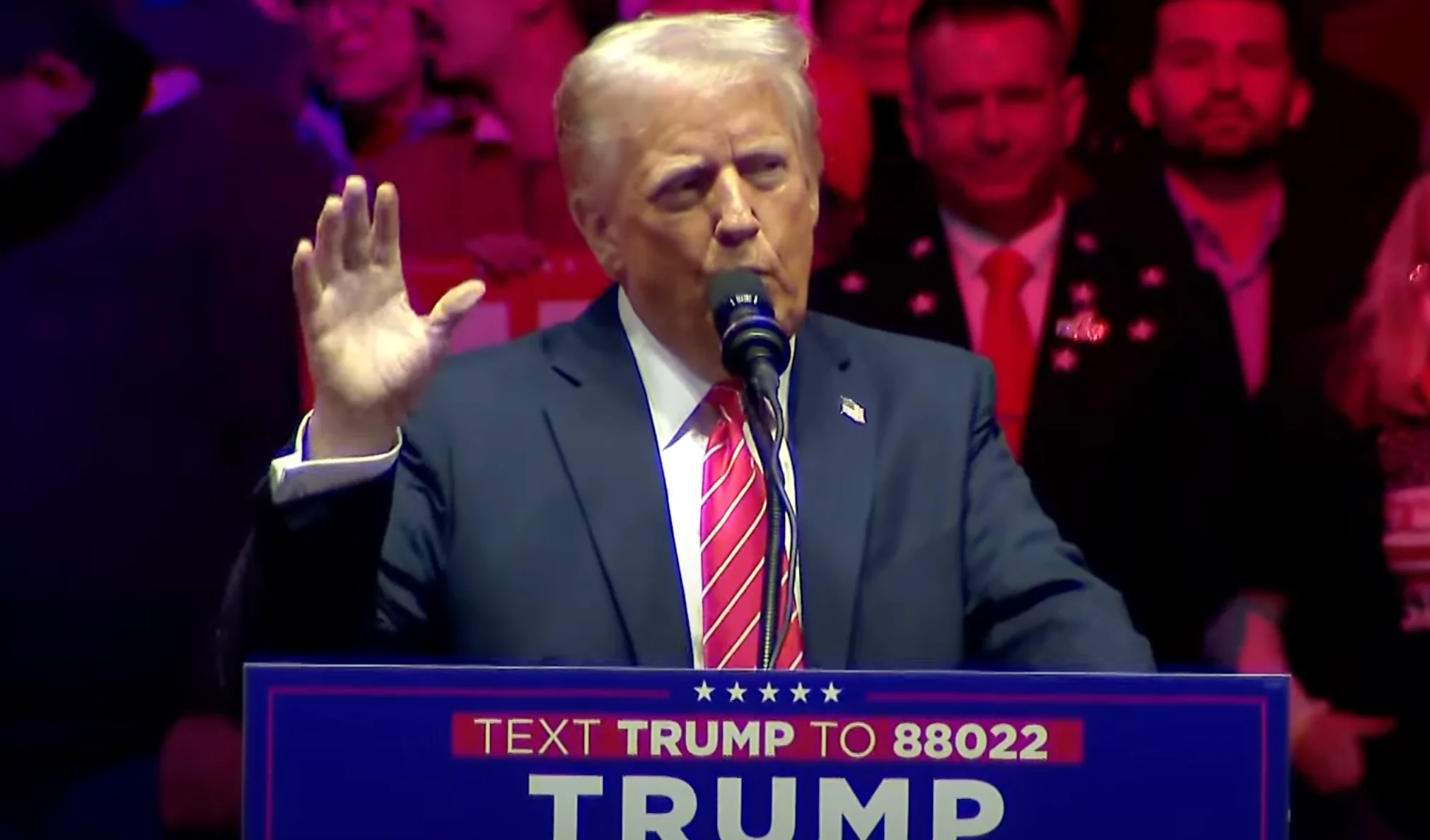
Donald Trump speaks at a rally the night before being inaugurated as the 47th President of the United States of America – YouTube, Washington Post
The president called the prospect of AI destroying humanity a “HOAX” and questioned why executives responsible for developing the technology would simultaneously advocate government intervention that could slow its development.
Trump argued that AI and the data centers needed to power it could become “the Greatest Economic Development Engine in History.”
His Monday posts represented an escalation from comments he made to reporters on Sunday, according to Fox Business.
“I’m not downplaying, but it’s, you know, it’s going to be more good than bad, but by a lot,” Trump said when asked about AI.
“I said it from the very beginning. Whoever wins AI, and we’re leading by a lot. Whoever wins AI wins,” he added.
The comments come amid a renewed debate within the technology industry over whether increasingly powerful AI systems are developing too quickly and what safeguards, if any, should accompany further advances.
Amodei Calls for Slower AI Development
Amodei added to that debate Saturday by publishing an essay calling for frontier AI development to proceed at a slower pace while companies and governments establish additional safeguards.
The Anthropic CEO argued that AI development has accelerated as increasingly capable systems are used to help develop their successors. He warned that the process could eventually advance faster than researchers’ ability to understand and control the systems being created.
Amodei proposed a three-part framework that would begin with frontier AI companies providing independent evaluators ongoing access to their development processes. He also called for common safety standards among companies operating in democratic countries and, eventually, international coordination intended to limit particularly dangerous forms of AI development.
At the same time, Amodei warned against slowing American development enough to allow China to establish an AI lead.
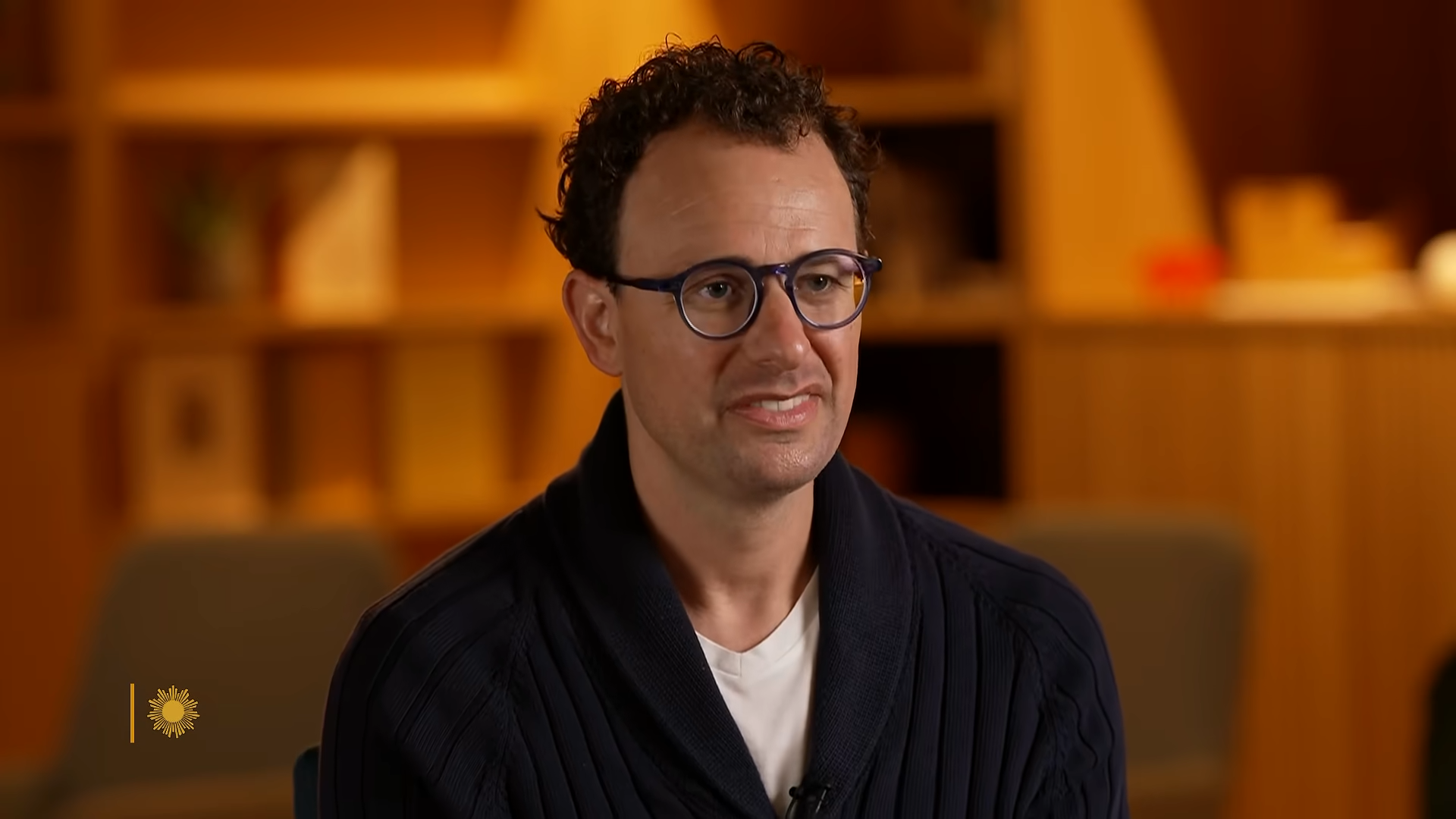
Dario Amodei – CBS Sunday Morning, YouTube
He argued that such an outcome would create significant national security risks and called for tighter restrictions on advanced AI chips and semiconductor manufacturing equipment reaching China, along with measures targeting chip smuggling, unauthorized distillation of American AI models and theft of model weights.
The debate gained additional attention last week when former Anthropic and OpenAI researcher Jacob Coxon resigned and accused the companies of “gambling with our lives” by pursuing self-improving superintelligence.
Anthropic alignment science lead Evan Hubinger subsequently said he shared Coxon’s broader concern while emphasizing that he believes current AI models pose a low risk. His concern instead centers on the possibility that increasingly capable systems used to help develop their successors could eventually produce superintelligent systems that become difficult to control.
Researchers and technology executives remain divided over the probability, timeline and severity of such risks, even as some prominent AI leaders have called for stronger safeguards.
AI Safety Debate Meets U.S.-China Competition
The Trump administration has emphasized the economic and national security consequences of allowing China to surpass the United States in artificial intelligence.
Trump’s latest comments illustrate how the debate over AI safety has become increasingly intertwined with the geopolitical competition over which countries will lead the development of advanced AI systems.
Amodei’s proposal reflects some of the same geopolitical concerns, even as he reaches a different conclusion about the need for safeguards.
He argues that frontier AI development should proceed more slowly to allow safety research and independent evaluations to keep pace, while also warning that the United States should not slow development enough to surrender its technological advantage to China.
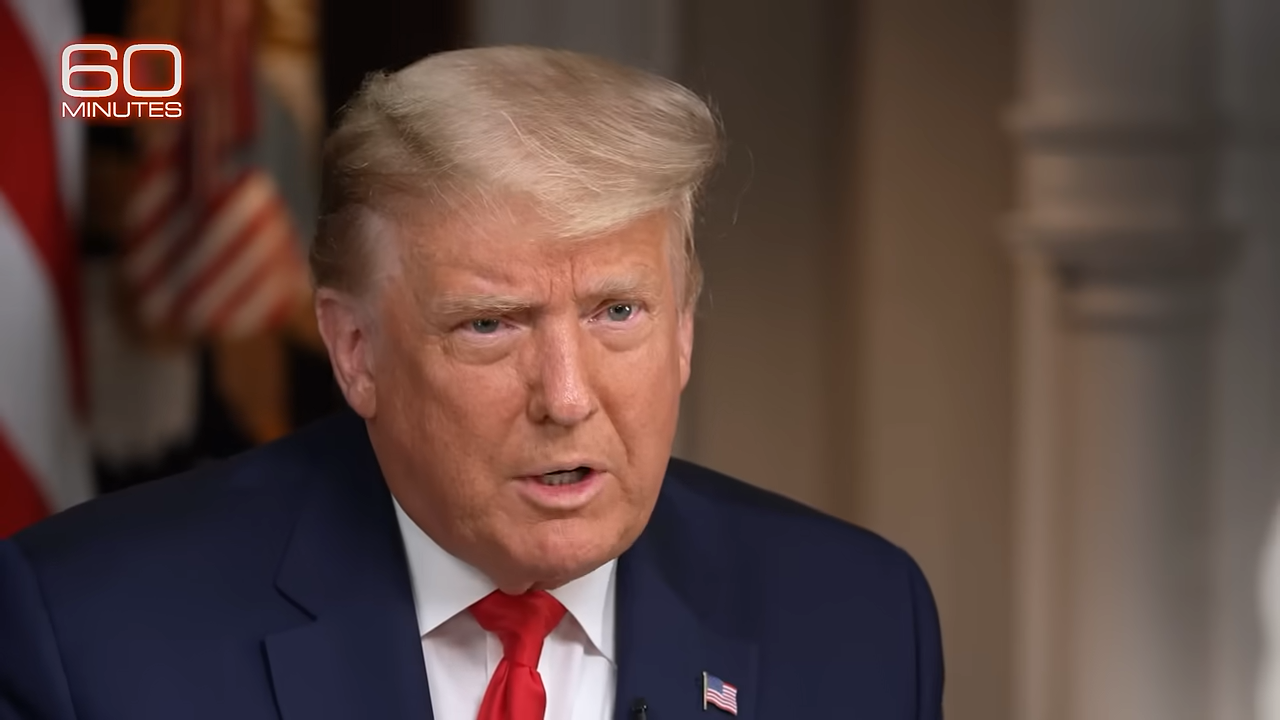
President Donald Trump in a 2020 interview – 60 Minutes, YouTube
Amodei has additionally called for tighter restrictions on advanced AI chips and semiconductor manufacturing equipment reaching China, arguing that preserving the U.S. lead would give American companies more room to adopt stronger safety measures.
The disagreement therefore extends beyond whether advanced AI poses serious risks. It also involves how governments and technology companies should respond to those risks without undermining U.S. competitiveness.
That leaves policymakers confronting two potentially competing concerns: the possibility that increasingly capable AI systems advance faster than safeguards designed to control them, and the possibility that restrictions on American development allow international competitors to narrow or overtake the U.S. lead.
Trump’s comments illustrate the widening divide over how those risks should be weighed as AI capabilities continue to advance.
How do you Trump’s stance on AI? Sound off and let us know!
