



Ubisoft, a company known for tone-deaf statements and endless microtransactions, just made a tone-deaf statement about microtransactions.
In a move that has reignited long-simmering frustrations among gamers, Ubisoft recently doubled down on its controversial monetization strategies. In their latest annual report, the company boldly claimed that microtransactions in premium single-player games enhance the player experience, making it “more fun” by offering optional ways to “personalize avatars or progress more quickly.”
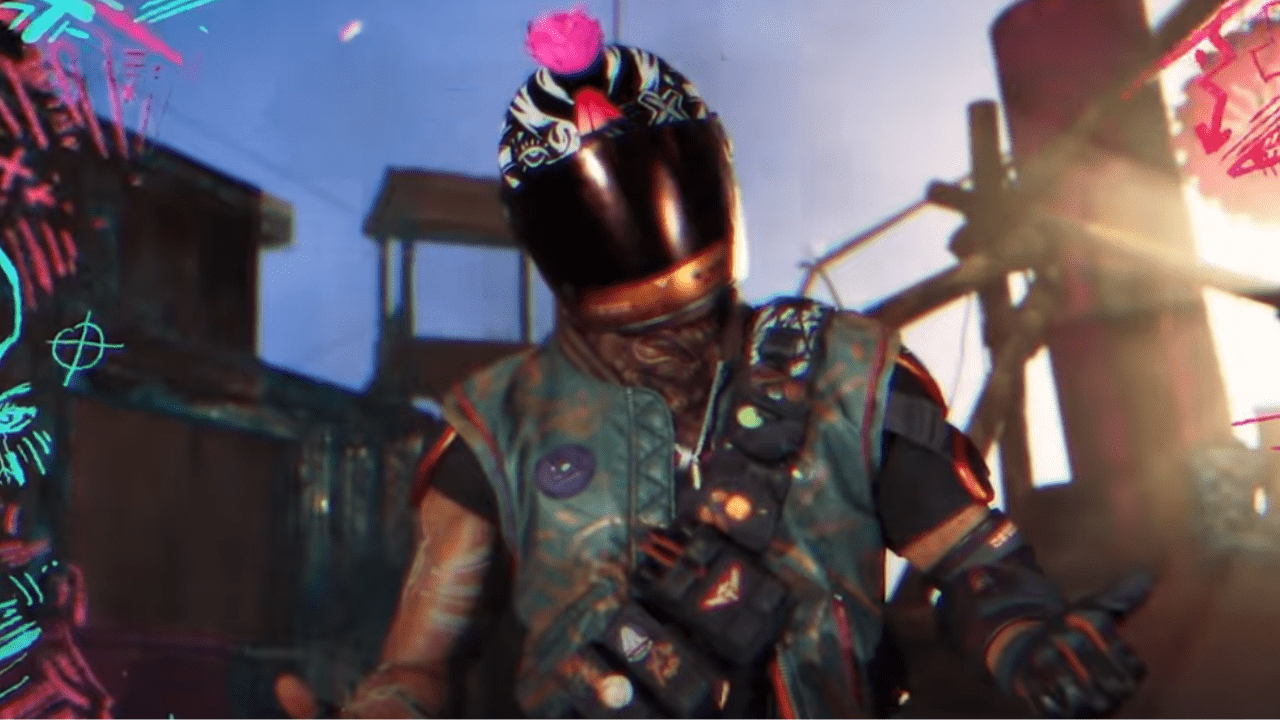
A screenshot from XDefiant (2024), Ubisoft
This assertion, tied to grind-heavy single-player titles like Assassin’s Creed, comes amid a backdrop of Ubisoft’s extensive history with such practices, where grinding mechanics often feel engineered to nudge players toward real-money purchases.
The backlash has been swift and widespread, with players and critics alike decrying it as corporate greed disguised as player empowerment. But this isn’t a new chapter—it’s the latest in a saga of tone-deaf decisions that have plagued Ubisoft’s single-player offerings for years.
The Latest Claim: Paying to Skip the Grind Equals “Fun”?
Ubisoft’s defense of microtransactions appears in the company’s fiscal year report, where they emphasize that the “golden rule” for premium games is to let players enjoy the full experience without extra spending. However, they argue that add-ons like XP boosters and cosmetics elevate enjoyment for those who choose to pay.
Ubisoft sees gamers only as money machines.
— Wretic (@Wretic) July 20, 2025
Examples cited include recent Assassin’s Creed entries such as Odyssey and Valhalla, where sprawling worlds demand hours of repetitive tasks that can be bypassed with paid accelerators.
And this is why I hope Ubisoft goes bottom up. I’ve never despised a gaming company for degrading my biggest hobby so damn much.
Companies like Ubisoft do nothing positive for the industry anymore.
— Fire_raven (@Fireraven101) July 21, 2025
The company positions this as a luxury, but detractors see it as admitting to deliberate predatory design flaws: create tedium, then sell the fix.
A Troubled History: From Pioneers to Pariahs of Monetization
Ubisoft wasn’t always synonymous with single-player microtransactions, but they’ve been at the forefront since the mid-2010s. The shift began noticeably with Assassin’s Creed Origins in 2017, introducing Helix Credits for cosmetics, gear, and time-savers amid a revamped RPG system that emphasized grinding.
This set the template for subsequent titles.

A screenshot from Assassin’s Creed Odyssey (2018), Ubisoft
For instance, Assassin’s Creed Odyssey in 2018 expanded on this with time-savers, unique mounts, and ship designs, all available for purchase in a massive world filled with fetch quests that many players felt were designed to encourage buying to “quicken the pace.”
Similarly, Assassin’s Creed Valhalla from 2020 featured armor sets, settlement decorations, and boosters, drawing backlash for its over-100-hour campaigns where progression often felt grindy and intentionally tied to microtransactions.
Beyond the Assassin’s Creed series, Far Cry 5 in 2018 introduced Silver Bars for weapons, outfits, and vehicles in a narrative-driven game with co-op elements, leading to criticism over injecting MTX into what was primarily a single-player experience.
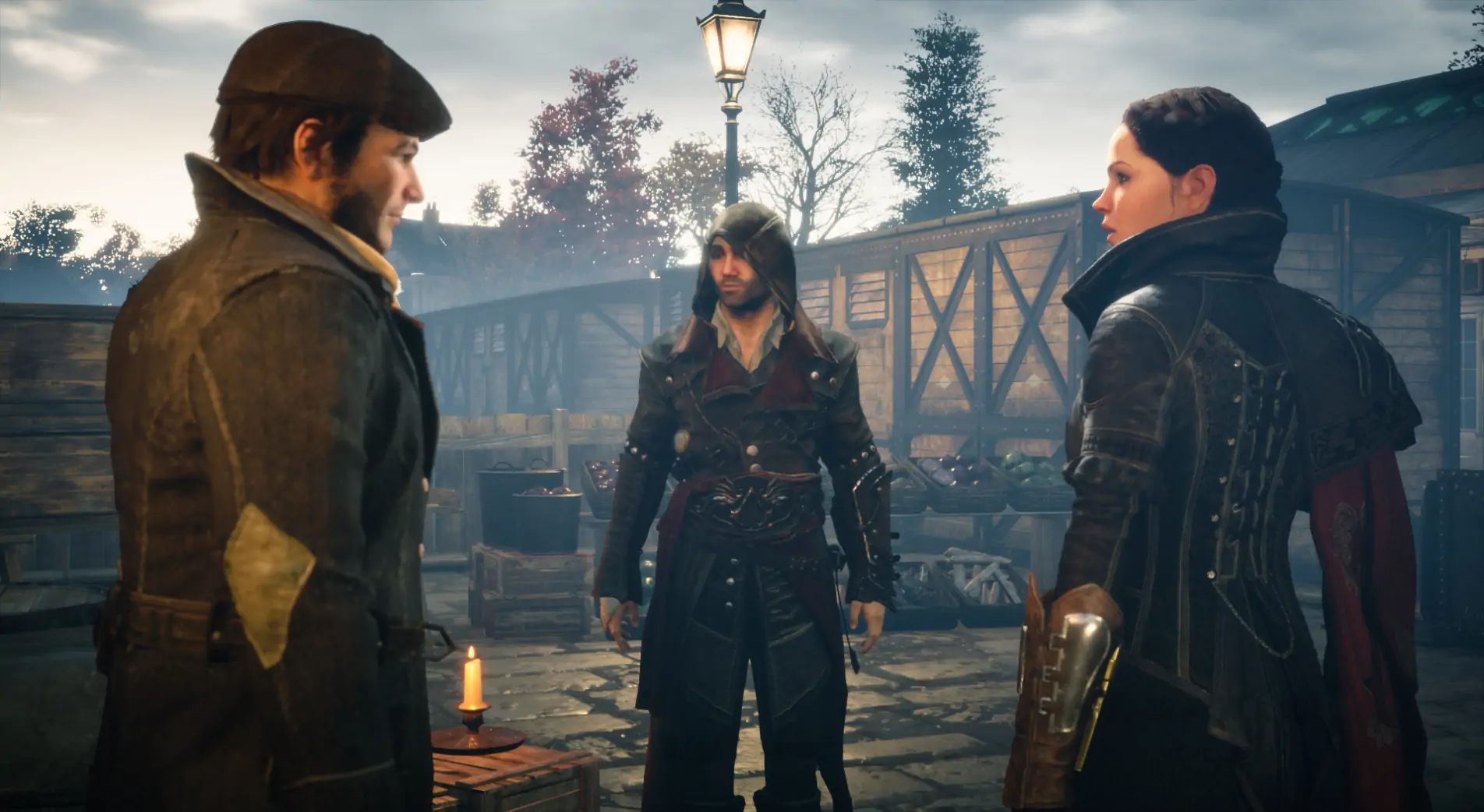
A screenshot from Assassin’s Creed Syndicate (2015), Ubisoft
This approach extended to other franchises as well.
In Watch Dogs 2, players could buy premium currency for outfits and vehicles, though it was less aggressive than later titles. Far Cry New Dawn continued the trend with crafting materials and perks, while Immortals Fenyx Rising offered boosters and cosmetics that sped up exploration in its mythological open world.
Even older games like Assassin’s Creed Unity had early experiments with companion apps and in-game purchases, foreshadowing the full integration seen today. Critics argue these mechanics create an uneven playing field, where the “full” game feels incomplete without spending more.
Broader Implications: Shareholder Pressure and Industry Backlash
The controversy isn’t isolated to gameplay. Ubisoft’s stock has tumbled amid these revelations, with investors questioning the sustainability of such models. In earnings calls, executives have defended the strategy, noting that microtransactions now account for a significant portion of revenue—up to 58% on PC—allowing for “ongoing engagement” post-launch.
Yet, this has led to accusations of prioritizing shareholders over players.

Bayek from Assassin’s Creed Origins – YouTube, Ubisoft North America
Industry-wide, Ubisoft’s stance has sparked debates on ethics in gaming. Outlets have highlighted how these practices exploit completionists, while forums buzz with calls for boycotts. Comparisons to EA’s loot box scandals abound, with users on Reddit and X pointing out that single-player games should be sacred spaces free from monetization pressure. Still, though, some defend Ubisoft, arguing that optional purchases fund free updates, but the overwhelming narrative is one of distrust.
Ubisoft’s Response and the Path Forward
Facing the uproar, Ubisoft has reiterated that microtransactions are “player-friendly” and non-essential. CEO Yves Guillemot has emphasized balancing monetization with quality, but actions speak louder. Recent titles continue the trend, and reports of internal turmoil suggest a company struggling to adapt. As an uncertain future looms, the question remains: Will Ubisoft rethink its “fun” formula, or double down on a model that’s increasingly seen as outdated?
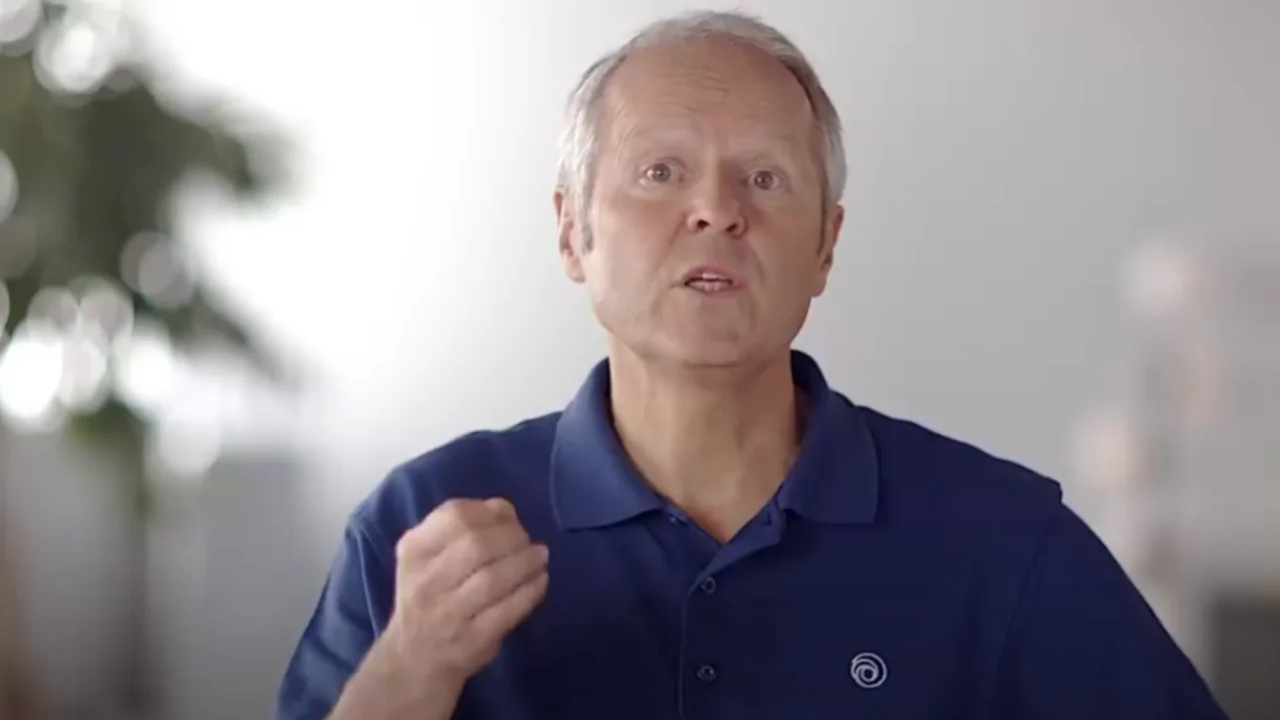
Yves Guillemot via Ubisoft North America YouTube
This Ubisoft claim that microtransactions make single-player games “more fun” reeks of tone-deaf corporate spin, especially given their history of embedding grind to sell solutions. From Origins to Valhalla and beyond, this pattern has eroded trust, turning what could be immersive experiences into cash grabs.
Gamers deserve better—authentic fun, not paid shortcuts.
How do you feel about Ubisoft and their microtransactions? Sound off in the comments and let us know!
