

In the ever-evolving landscape of digital gaming, a longstanding clause in the Ubisoft End User License Agreement (EULA) has recently sparked widespread outrage among gamers and industry observers. The provision, which requires users to destroy all physical copies of a game upon termination of its license, has been thrust into the spotlight amid growing concerns over game preservation and consumer rights.
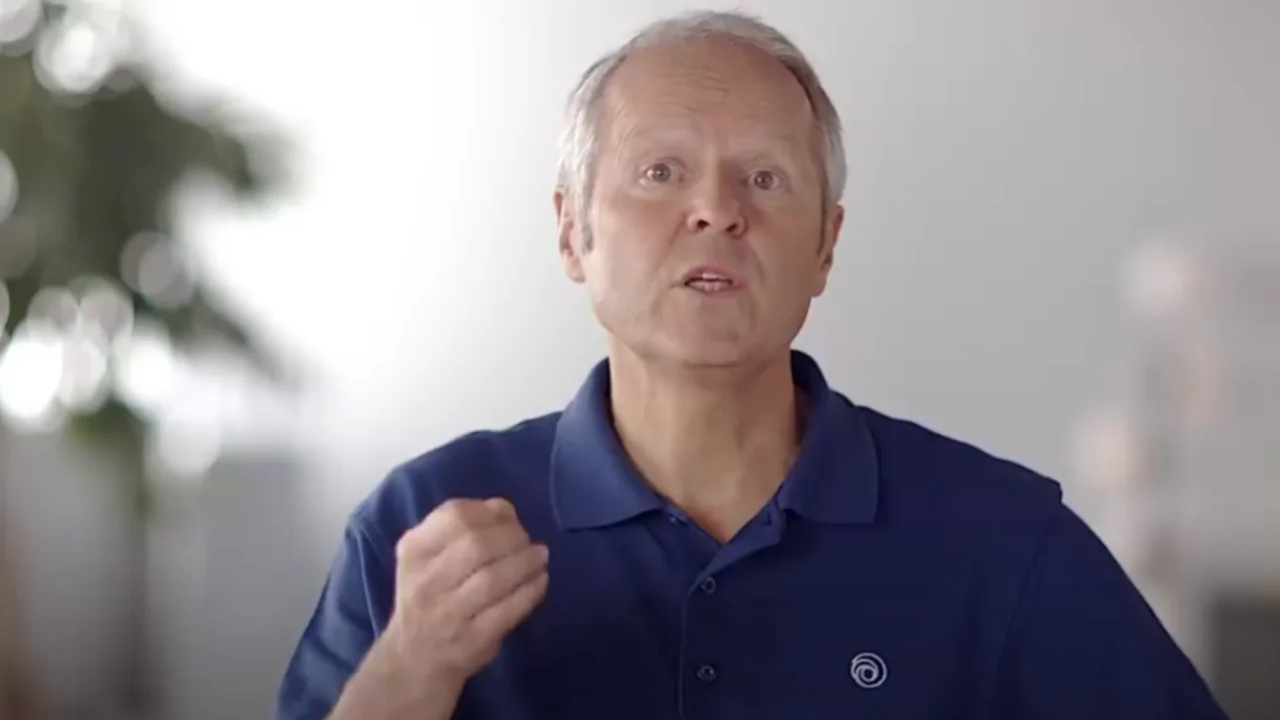
Yves Guillemot via Ubisoft North America YouTube
While Ubisoft maintains that the language is not new and dates back over a decade, critics argue it exemplifies an anti-consumer approach that undermines the value of purchased games.
The controversy gained traction when Pirat_Nation highlighted the clause in an X post on July 8, 2025.
Ubisoft Wants Gamers To Destroy All Copies of A Game Once It Goes Offline
The company has updated its EULA, which now states that **those who own the product must destroy all the copies at all costs**.
**”You and UBISOFT (or its licensors) may terminate this EULA, at any time,… pic.twitter.com/VqKhvhycbE
— Pirat_Nation 🔴 (@Pirat_Nation) July 8, 2025
In the post, Pirat_Nation stated, “Ubisoft Wants Gamers To Destroy All Copies of A Game Once It Goes Offline.”
He then quoted directly from the EULA, stating: “You and UBISOFT (or its licensors) may terminate this EULA, at any time, for any reason. This EULA will terminate automatically if You fail to comply with any of the terms and conditions of this EULA. Upon termination for any reason, You must immediately uninstall the Product and destroy all copies of the Product in Your possession.”
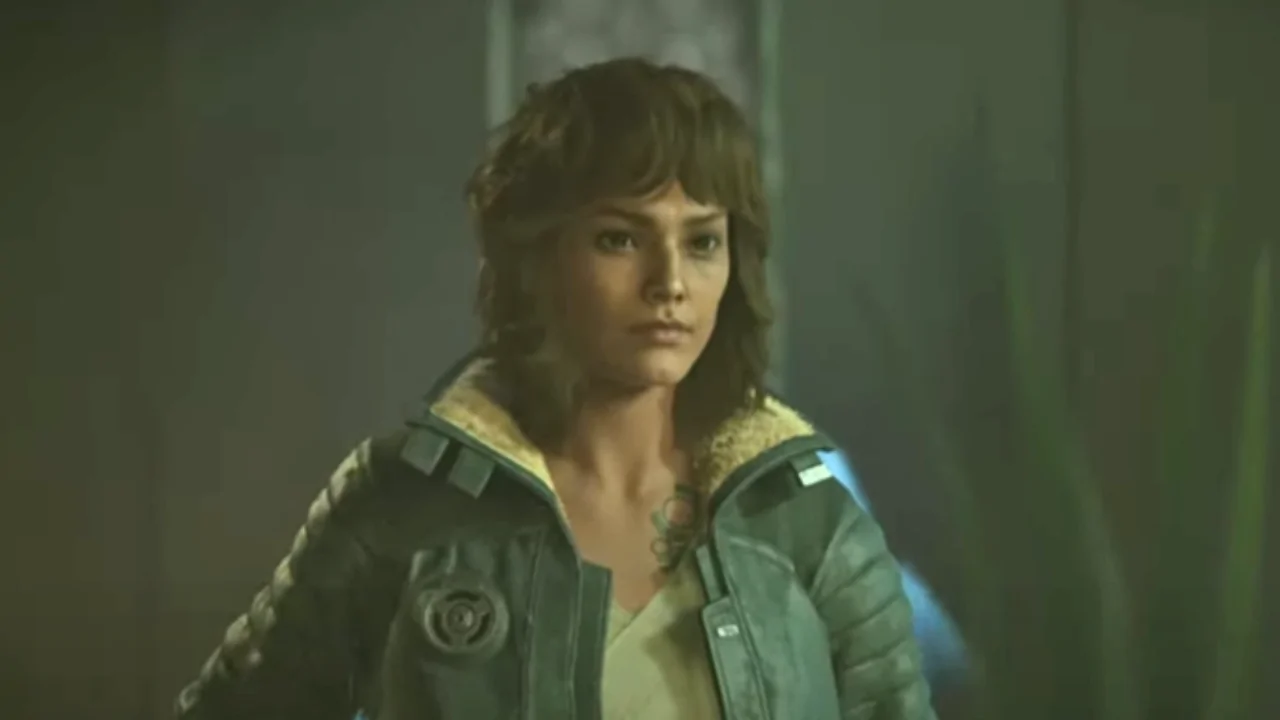
A screenshot from Star Wars Outlaws (2024), Ubisoft
The post also referenced another section: “UBISOFT may modify the Product for any reason or without any specific reason, at any time and at its entire discretion, in particular for technical reasons such as updates.” Pirat_Nation emphasized that Ubisoft believes consumers are responsible for checking the EULA for changes, placing the onus on them to detect “unreasonable” updates without company notification.
The post quickly amassed over 4,000 likes and hundreds of replies, with many expressing disbelief and anger.
Ubisoft responded promptly via its official support account on X the same day.
In a statement, @UbisoftSupport acknowledged recent reports focusing on the clause related to license termination.
We’ve seen recent reports about Ubisoft’s End-User License Agreement (EULA), focusing on a clause related to what happens when a license ends. Thanks for raising this issue!
As noted in some articles, this clause is not new — it has been part of our EULA for more than 10 years.…
— Ubisoft Support (@UbisoftSupport) July 8, 2025
“As noted in some articles, this clause is not new—it has been part of our EULA for more than 10 years,” Ubisoft said in its defense. “It was originally designed as a formal legal provision to clarify that once a license ends, the user no longer has rights to access or use the product.”
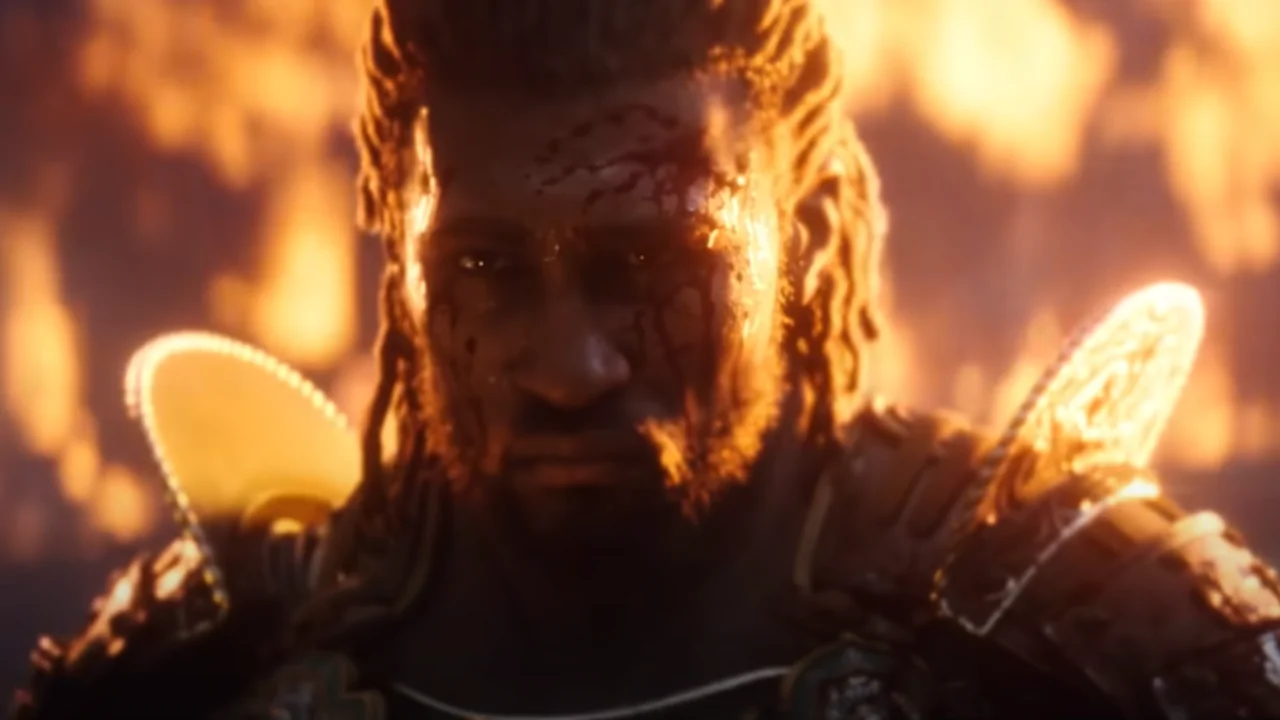
A screenshot from Assassin’s Creed Shadows (2024), Ubisoft
The company admitted the language “may sound unusually strong or out of step with how players experience and value their games” and announced it is reviewing the clause as part of ongoing efforts to align policies with player expectations and industry evolution. Notably, comments were turned off on the post, which drew further criticism for stifling discussion.
Community reactions were swift and vehement.
YouTube personality SmashJT, in a post on July 14, 2025, lambasted Ubisoft’s defense.
Ubisoft Support defends their insane EULA: “…been (like that) for more than 10 years!!”
Cool, so you’ve been scummy for over a decade? Thanks for the confirmation.
Of course they turned off replies.
As usual, they’re not sorry about what it says.
…They’re sorry they got caught. pic.twitter.com/YhKYLrc9tZ— Smash JT (@SmashJT) July 14, 2025
“Ubisoft Support defends their insane EULA,” he said. “‘been (like that) for more than 10 years!!’ Cool, so you’ve been scummy for over a decade? Thanks for the confirmation. Of course they turned off replies. As usual, they’re not sorry about what it says. …They’re sorry they got caught.”
This sentiment echoed across platforms, with users like @Chris_TV_Live pointing out similar clauses in other companies’ EULAs, such as SEGA’s, questioning how widespread the practice is.
SEGA has a similar clause in their EULA as well that also states you must destroy the product if agreement is terminated by either yourself or SEGA. This clause isn’t mutually exclusive to Ubisoft. I wonder how many companies actually expect you to destroy your copy? pic.twitter.com/Qy5ZkRTDyX
— Chris | DoesItPlay 💿 (@Chris_TV_Live) July 6, 2025
Another user, @DoesItPlay1, highlighted the wording’s implications.
Ubisoft has completely lost all plots imaginable. Forcing people to destroy all copies of a product? Legally bought copies?
Wording is interesting, though. So it IS indeed a PRODUCT, not just a license. And it IS in our POSSESSION, as in “WE OWN IT”, not just a temporary access. pic.twitter.com/ptrf8bQRXo
— Does it play? (@DoesItPlay1) July 6, 2025
“Forcing people to destroy all copies of a product? Legally bought copies? … So it IS indeed a PRODUCT, not just a license. And it IS in our POSSESSION, as in ‘WE OWN IT’, not just a temporary access,” he said.
The uproar ties into broader discussions on game preservation, particularly the “Stop Killing Games” initiative, which recently surpassed one million signatures in Europe to push for regulations preventing publishers from rendering games unplayable post-support.
The logo for Stop Killing Games – StopKillingGames.com
Critics argue Ubisoft’s clause directly contradicts such efforts, as it mandates destruction even for single-player games or physical copies when servers go offline or support ends—no refunds or appeals provided.
While the clause isn’t unique—appearing in EULAs from Rockstar, SEGA, and others—it certainly fuels the movement against “killing” games.
This isn’t Ubisoft’s first brush with ownership debates. In January 2024, Philippe Tremblay, Ubisoft’s director of subscriptions, told GamesIndustry.biz that gamers need to adapt to subscription models.
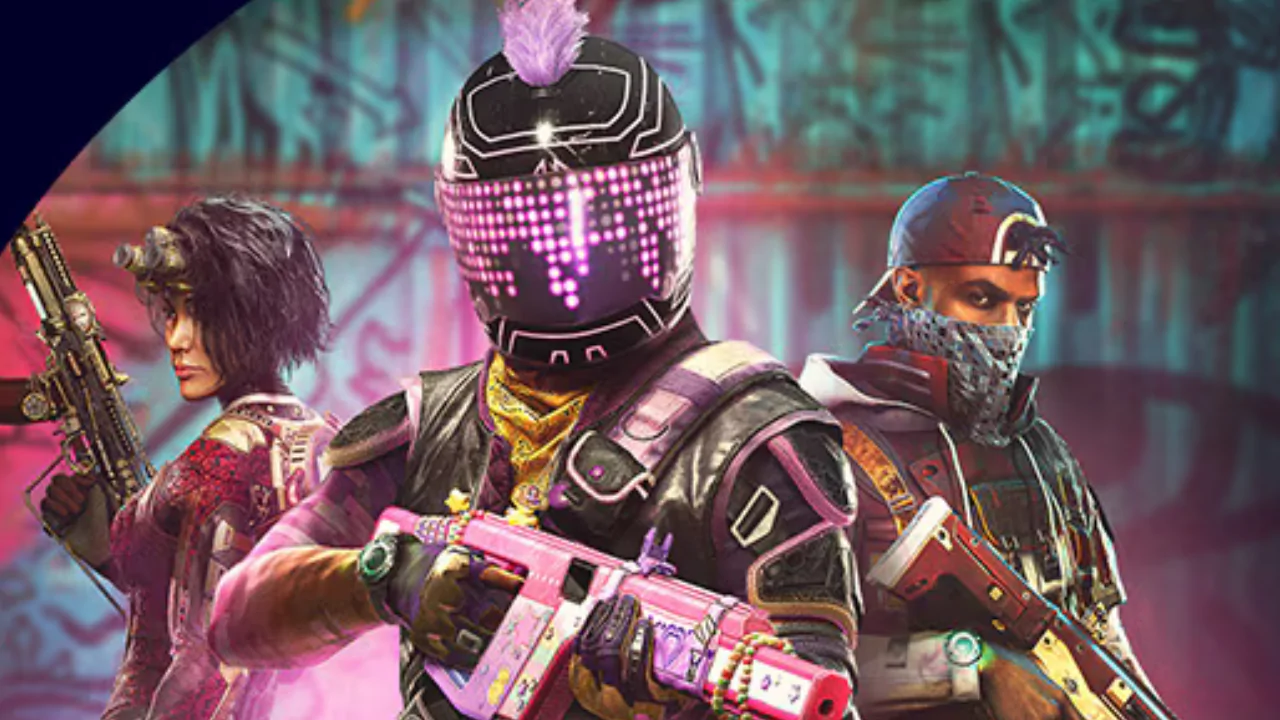
Key art for XDefiant (2024), Ubisoft
“One of the things we saw is that gamers are used to, a little bit like DVD, having and owning their games,” he said. “That’s the consumer shift that needs to happen. They got comfortable not owning their CD collection or DVD collection. That’s a transformation that’s been a bit slower to happen [in games]. As gamers grow comfortable in that aspect… you don’t lose your progress. If you resume your game at another time, your progress file is still there. That’s not been deleted. You don’t lose what you’ve built in the game or your engagement with the game. So it’s about feeling comfortable with not owning your game.”
Tremblay’s comments promoted Ubisoft+ Premium, a $17.99 monthly service offering access to new releases without ownership, drawing parallels to streaming services.

A screenshot from Star Wars Outlaws (2024), Ubisoft
The clause’s enforceability remains questionable. Legal experts and gamers alike debate whether such terms hold up in court, especially for physical media purchased outright.
So, they want you to follow the EULA and destroy all versions of their Products if the EULA is terminated for any reason, thus nullifying the agreement to destroy the Products under the EULA being terminated in the first place? Am I understanding this correctly?
— HACK the Developer (@HACKhalo2) July 6, 2025
As @HACKhalo2 quipped on X, “So, they want you to follow the EULA and destroy all versions of their Products if the EULA is terminated for any reason, thus nullifying the agreement to destroy the Products under the EULA being terminated in the first place?”
Ultimately, this episode underscores a fundamental tension in modern gaming: the shift from ownership to access. While Ubisoft reviews its wording, the backlash highlights demands for transparency, preservation, and fair treatment.
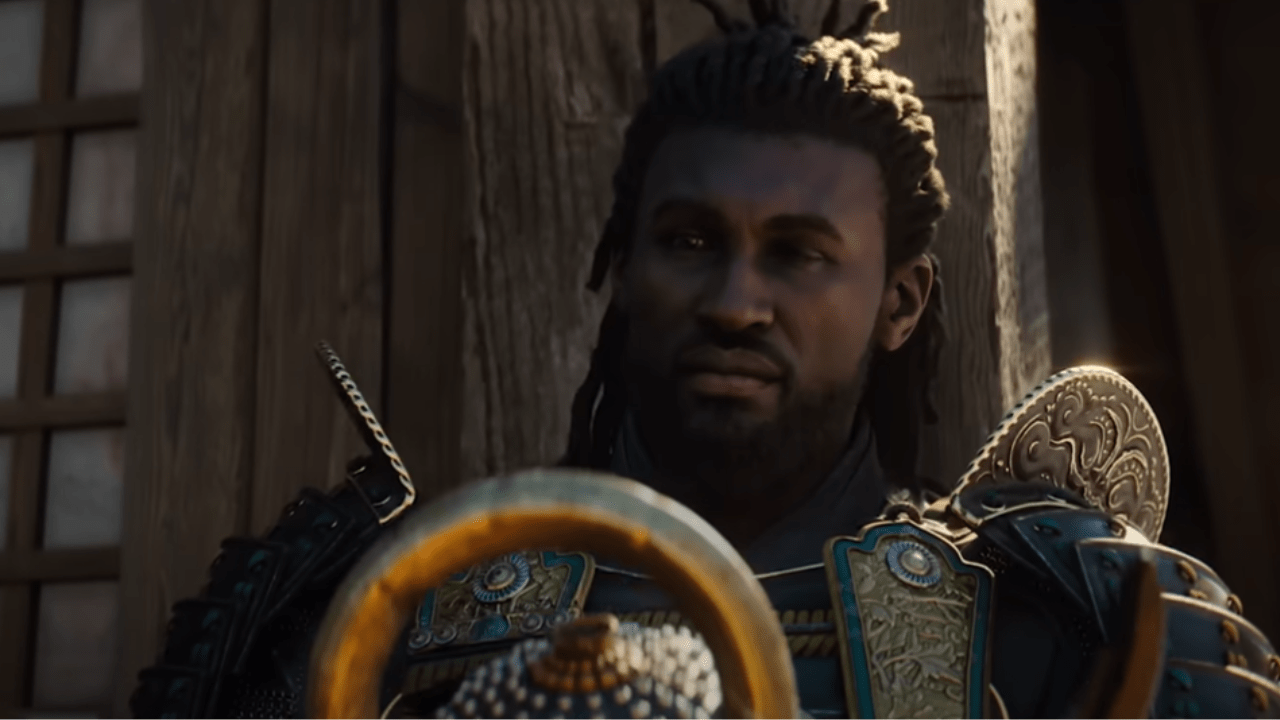
A screenshot from Assassin’s Creed Shadows (2024), Ubisoft
As the industry grapples with subscriptions and live services, players are increasingly vocal about protecting their investments. Whether this leads to regulatory changes or revised policies remains to be seen, but one thing is clear—the gaming community won’t destroy their passion without a fight.
How do you feel about this Ubisoft EULA and the company’s response? Sound off in the comments and let us know!

It sucks to be a modern gamer. The companies are actively hostile toward the users based on paranoia of what the users could do if their hands weren’t tied behind their back by a EULA.
I have a binder of game CDs from the 90s, almost none of them with onerous EULAs or TOS, I might add. To me it is as important as a photo album, every panel I flip through brings back a rush of memories. As much as I like Steam (you can’t get most PC games physically any more) you don’t get nearly the same thrill browsing your library.
One of the many reasons the French deserve to be hated.
Woke Ubisoft can f the f off. Froggie w⚓s
Ubisoft went woke, and now the Chineses own them.