


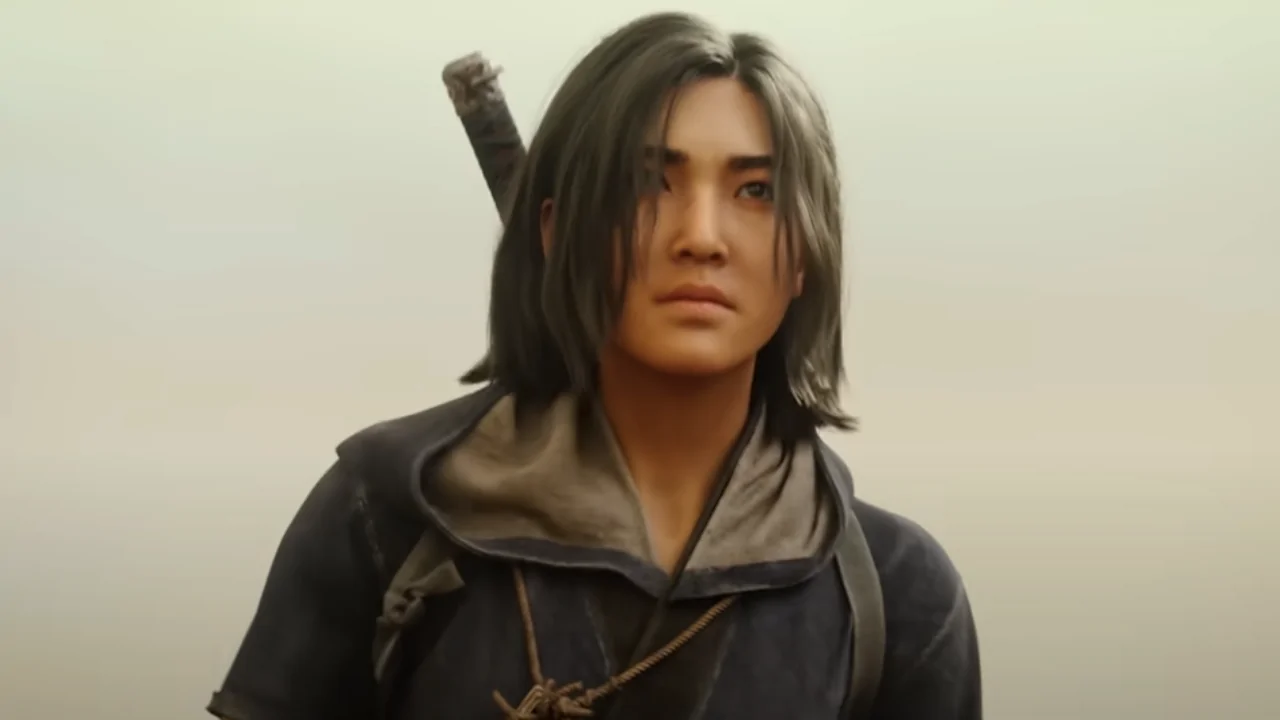
In yet another sign of its deepening crisis, Ubisoft is reportedly seeking outside investors to back a newly formed gaming entity that will house its most valuable franchises, including Assassin’s Creed, Far Cry, and Rainbow Six.
According to a Bloomberg report, the French publisher is reaching out to global and French-based investment funds, with bids expected by the end of the month. One name being floated once again is Tencent, the Chinese tech giant that already owns a nearly 10% stake in Ubisoft.
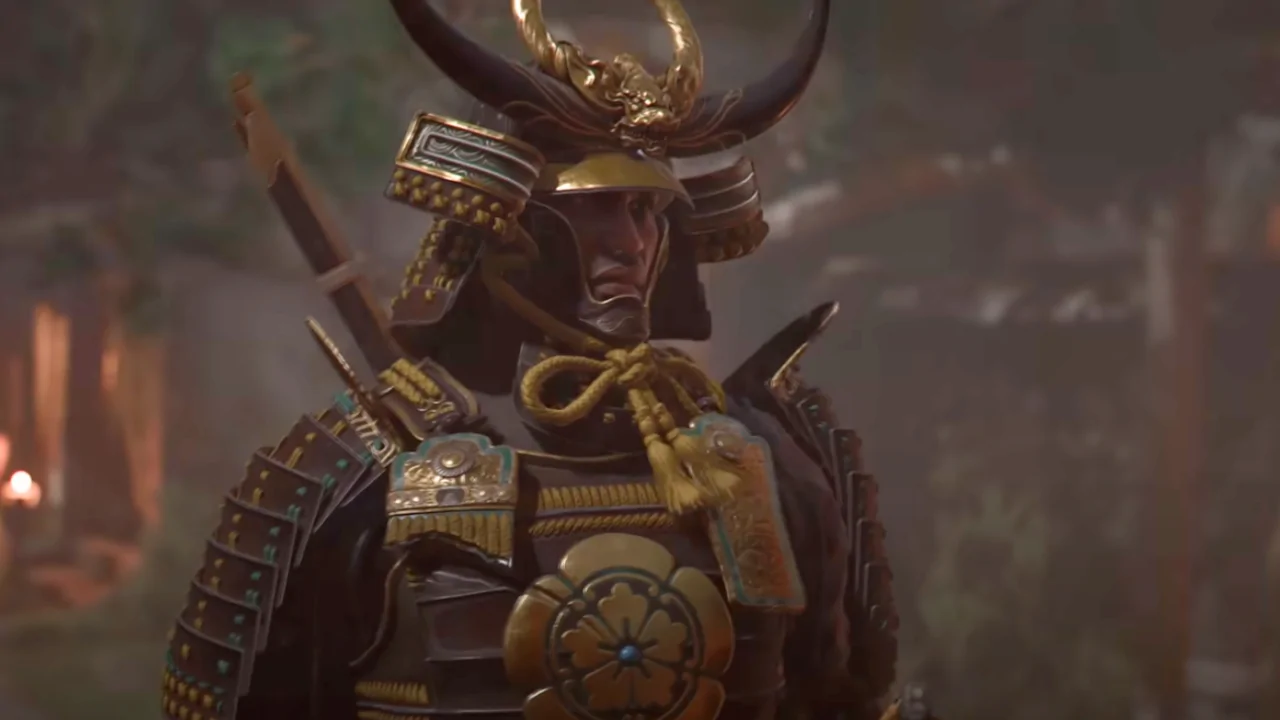
A screenshot from Assassin’s Creed Shadows (2024), Ubisoft
This move comes as little surprise to those following Ubisoft’s downward spiral. Over the past few years, the company has suffered a series of financial setbacks, failed game launches, and controversial management decisions—all of which we’ve covered extensively. From declining sales to a bloated workforce of over 18,000 employees costing nearly €750 million annually, Ubisoft has struggled to maintain its position in an increasingly competitive market.
Desperate Times, Desperate Measures
The decision to form a new entity outside of Ubisoft specifically for its core intellectual properties is widely being viewed as a last-ditch effort to stabilize the sinking ship. For months, Ubisoft has been hinting at “transformational strategic options,” and this appears to be the result.
But make no mistake—this is not a position of strength. This is a company scrambling to remain solvent.

Yves Guillemot via Ubisoft North America YouTube
Juraj Krúpa of AJ Investments, one of Ubisoft’s minority shareholders, has already accused the company of hiding key information from investors while continuing to mismanage its most profitable assets. Krúpa is even organizing a demonstration outside Ubisoft’s Paris headquarters, frustrated with the company’s lack of transparency and repeated leadership missteps.
A Troubled Road Leading Here
Ubisoft’s problems didn’t start overnight. Since 2021, the company’s market value has plummeted by over 85%, crashing from $12.17 billion to just $1.78 billion. Massive development costs, mounting debt totaling €1.4 billion, and a string of underwhelming game releases—like Star Wars Outlaws and the canceled XDefiant—have all contributed to Ubisoft’s collapse.
But perhaps the biggest sign of Ubisoft’s precarious state is the troubled rollout of Assassin’s Creed Shadows. Originally slated for a 2024 release, Shadows has been delayed multiple times and is now set for March 20, 2025. Leaks, controversy over historical inaccuracies, and backlash over its main character Yasuke have marred the game’s reputation long before it reaches shelves.
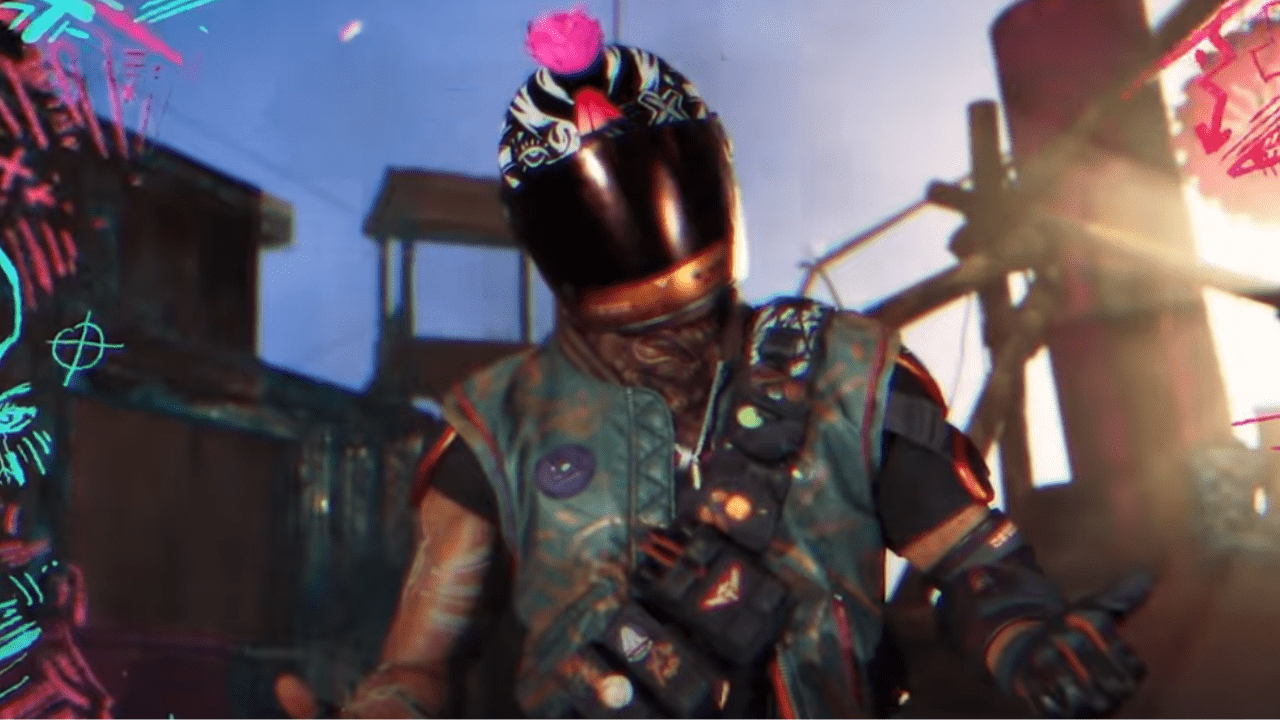
A screenshot from XDefiant (2024), Ubisoft
Ubisoft was counting on the game to be its financial lifeline, but with early copies leaking and low pre-order numbers, confidence is slipping fast.
Is Ubisoft Losing Control?
Tencent’s involvement has only fueled more speculation. Already holding a sizable stake, Tencent has been in discussions with Ubisoft’s leadership for over a year, reportedly looking for ways to stabilize the publisher. However, concerns remain that Tencent and other potential investors may seek more control over Ubisoft’s board before committing further resources.

A screenshot from Star Wars Outlaws (2024), Ubisoft
Adding to the tension, previous reports suggested Tencent and Ubisoft’s founding Guillemot family were entertaining the idea of taking the company private. Those talks have seemingly stalled, but the fact that they happened at all underscores just how vulnerable Ubisoft has become.
What Happens Next?
It’s clear Ubisoft is preparing for drastic changes. Forming a new entity, seeking fresh capital, selling off valuable assets—it all points to one thing: survival mode. Whether this move leads to a broader restructuring, a sale, or eventual dissolution remains to be seen. But given the company’s history over the last four years, there’s little reason to believe this will reverse Ubisoft’s fortunes overnight.
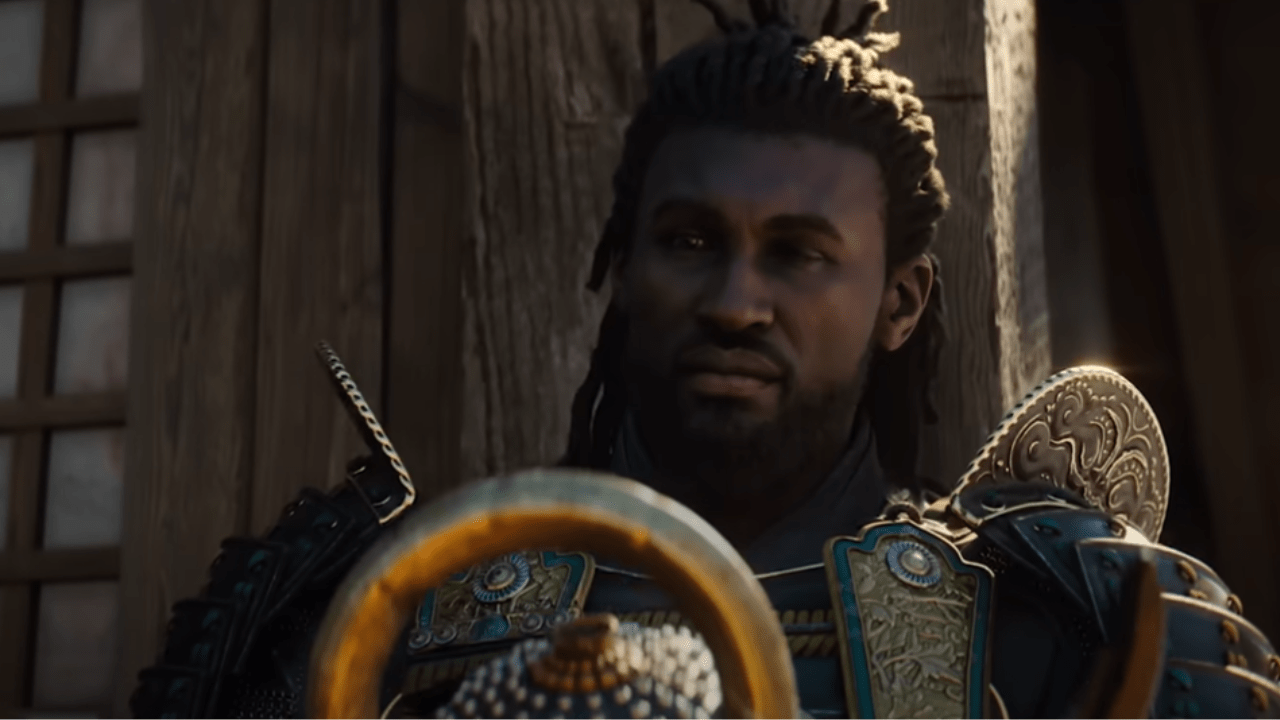
A screenshot from Assassin’s Creed Shadows (2024), Ubisoft
The fate of Assassin’s Creed Shadows may ultimately determine how much longer Ubisoft can hold on. For now, all signs suggest a company that’s out of options, clinging to its legacy franchises in hopes that investors, and perhaps buyers, still see some value left to extract.
Do you think Ubisoft can weather this storm by forming a new gaming entity, or are we watching the final chapters of a once-great gaming empire? Sound off in the comments and let us know.
