



Video game publisher and developer Ubisoft released a statement to Japanese players amidst massive backlash to the company’s upcoming Assassin’s Creed Shadows game.

A screenshot from Assassin’s Creed Shadows (2024), Ubisoft
Japanese players launched a petition at the end of June claiming the game “is a serious insult to Japanese culture and history.” The petition created by Shimizu Toru currently has 94,764 signatures.
It states, “Recently, lack of historical accuracy and cultural respect has been a serious problem for game developer Ubisoft, which is scheduled to release Assassin’s Creed Shadows. This game is based on the samurai of Japan, ignoring the fact that the samurai is the upper class of the samurai class and should be [my family] or a person who serves you.”
It adds, “In fact, William Adams (Miura Prodor), the first European to receive the title of Samurai, was the one who served Tokugawa Ieyasu as the flag book for 250 stoning. (sp?)”

A screenshot from Assassin’s Creed Shadows (2024), Ubisoft
The petition then declares, “In such history, Ubisoft continues to misunderstand the essence and role of samurai. This is a serious insult to Japanese culture and history and can lead to racism in Asia.”
It then calls on Ubisoft to stop developing the game, “We call on Ubisoft to immediately discontinue the launch of Assassin’s Creed Shadows and show sincere research and respect for Japanese history and culture.”

Screenshot of a petition calling for the shut down of Assassin’s Creed Shadows on Change.org
Japanese YouTuber Shohei Kondo explained in a recent video upload why Japanese players are signing the petition and are taking issue with the game.
First, he notes that Ubisoft is promoting the game as historical and points to an interview that Game Director Charles Benoit conducted with Xbox Wire.
Benoit was asked, “This is a familiar setting for gamers – how does this game differentiate its take on the setting?”
He responded, “We’re at the end of Sengoku era, in a turning point of Japan history. Assassin’s Creed is well known for its depiction of the history and accurate recreation of the world and it’s what players can expect with Assassin’s Creed Shadows. We’re showing real historical figures, such as Oda Nobunaga and a lot of events that happened during that time, so you’re not only playing in feudal Japan, but learning about this fantastic time period.”
“Also, we’re giving the opportunity to the players to live not just one, but the two best fantasies of Japan: the Samurai and Shinobi,” he concluded.
After pointing this out, he listed off a number of reasons why he and other Japanese gamers are opposing the game, “We are protesting marketing DEIs, historical distortion stemming from their disregard for Asians and their arrogance, and discriminatory responses to protest from Japan.”
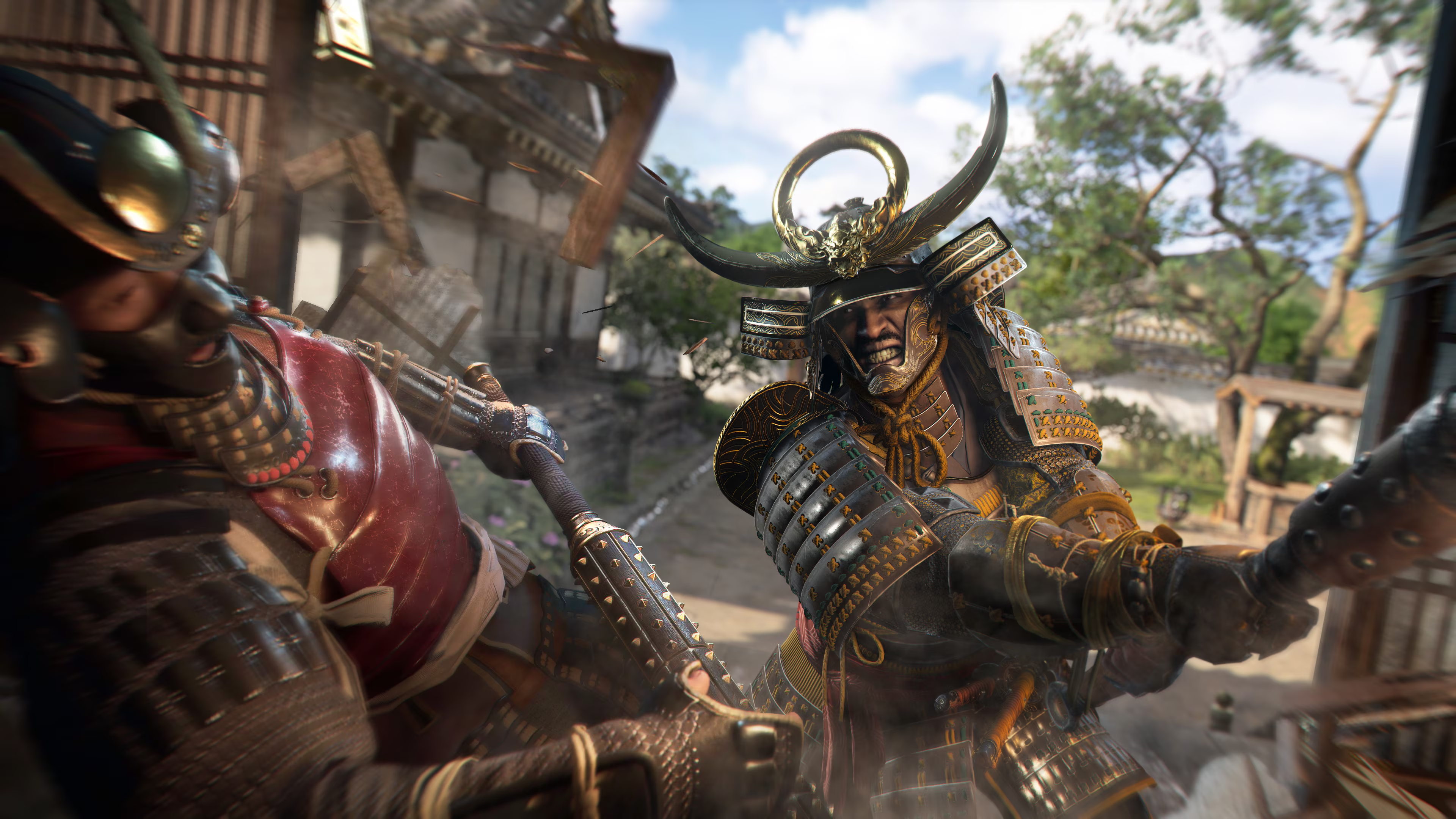
A screenshot from Assassin’s Creed Shadows (2024), Ubisoft
Ubisoft addressed this backlash in a blog post stating, “Since the announcement of Assassin’s Creed Shadows, we have received many positive reactions, but also some criticism including from you, our Japanese players. We share your passion for history and deeply respect your care for the historical and cultural integrity of your rich heritage. We would like to address a few points to clarify our intentions and creative decisions:”
The company then discussed its overall authenticity efforts, “We have put significant effort into ensuring an immersive and respectful representation of Feudal Japan. However, our intention has never been to present any of our Assassin’s Creed games, including Assassin’s Creed Shadows, as factual representations of history, or historical characters. Instead, we aim to spark curiosity and encourage players to explore and learn more about the historical settings we get inspired by.”

A screenshot from Assassin’s Creed Shadows (2024), Ubisoft
As noted by Benoit in the interview with Xbox Wire this is not true. Benoit made it abundantly clear that the game’s intention was for players to learn “about this fantastic time period.”
Nevertheless, Ubisoft continued, “Assassin’s Creed Shadows is first and foremost, designed to be an entertaining video game that tells a compelling, historical fiction set in Feudal Japan.”
“Our team extensively collaborated with external consultants, historians, researchers, and internal teams at Ubisoft Japan to inform our creative choices,” the company continued. “Despite these sustained efforts, we acknowledge that some elements in our promotional materials have caused concern within the Japanese community. For this, we sincerely apologize. All game footage presented so far is in development and the game will keep evolving until launch. Based on the constructive criticism we have received, we will continue our efforts until we put this game into your hands – and beyond.”
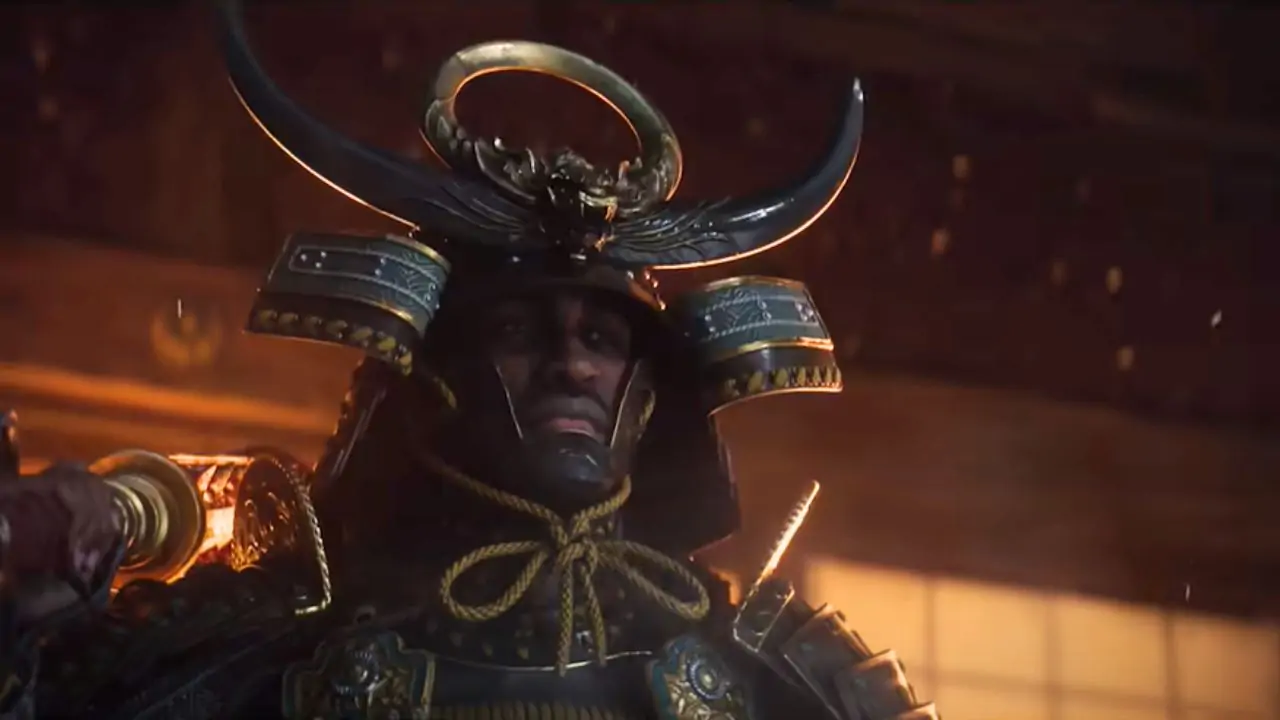
A screenshot from Assassin’s Creed Shadows (2024), Ubisoft
READ: Report: ‘Assassin’s Creed Shadows’ Booth Receives Sparse Traffic At Japan Expo
Next, Ubisoft advised Japanese players to criticize Ubisoft rather than any consultants the company worked with claiming the consultants “are in no way responsible for the decisions that are taken by the creative teams in the interests of gameplay and entertainment.”
It then detailed the creative liberties it was taking, “While we strive for authenticity in everything that we do, Assassin’s Creed games are works of fiction inspired by real historical events and figures. From its inception, the series has taken creative license and incorporated fantasy elements to craft engaging and immersive experiences.”

A screenshot from Assassin’s Creed Shadows (2024), Ubisoft
Ubisoft then specifically addressed the inclusion of Yasuke, which the company is describing as a historical legendary samurai in its various marketing promotions. This claim is highly disputed and is currently being investigated by various branches of the Japanese government.
The company wrote, “The representation of Yasuke in our game is an illustration of this. His unique and mysterious life made him an ideal candidate to tell an Assassin’s Creed story with the setting of Feudal Japan as a backdrop. While Yasuke is depicted as a samurai in Assassin’s Creed Shadows, we acknowledge that this is a matter of debate and discussion.”
“We have woven this carefully into our narrative and with our other lead character, the Japanese shinobi Naoe, who is equally important in the game, our dual protagonists provide players with different gameplay styles,” Ubisoft added.
The company concluded, “We greatly value your feedback and encourage you to continue sharing your thoughts, respectfully. While we understand that meeting everyone’s expectations is very difficult, we sincerely hope that when Assassin’s Creed Shadows launches on November 15, players in Japan and around the world will appreciate the dedication, effort, and passion we have poured into it.”

A screenshot from Assassin’s Creed Shadows (2024), Ubisoft
Of note, this post comes in the wake of Ubisoft seeing an over 12% decline in its stock price after its most recent earnings report where its net bookings exceeded its predictions. While net bookings exceeded the company’s prediction — it brought in €290.0 million or $315.76 million instead of €275.0 million or $299 million — they were still down significantly compared to analysts’ predictions.
Bloomberg’s Daniel Zuidijk claimed that analysts were expecting “an average estimate of €376 million” for the quarter. That’s about $408.7 million. That means the net bookings and sales were 22% lower than what analysts initially expected.
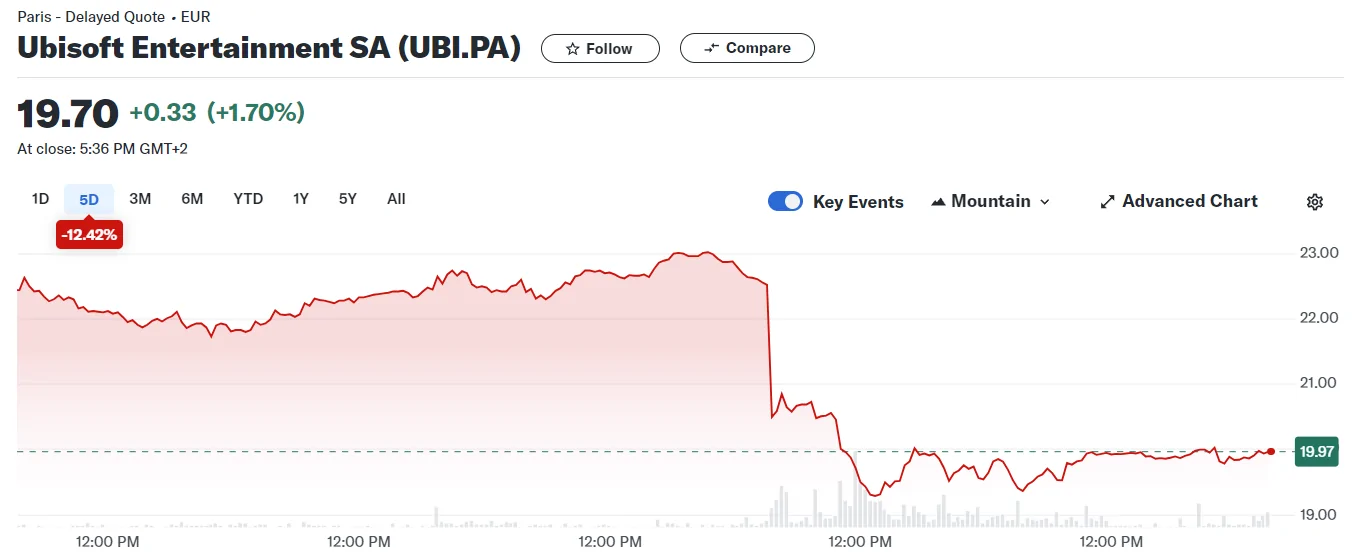
Ubisoft stock price over the past 5 days.
The stock price is not just down over the past week, but it’s down around 15% for the year so far. If you go back an entire year, the stock is down over 30%.
If you go back 5 years, the stock is down nearly 75%.

A screenshot from Assassin’s Creed Shadows (2024), Ubisoft
What do you make of Ubisoft’s message to Japanese players?
NEXT: New Report Claims Same Sex Romance Options Confirmed For ‘Assassin’s Creed Shadows’
