


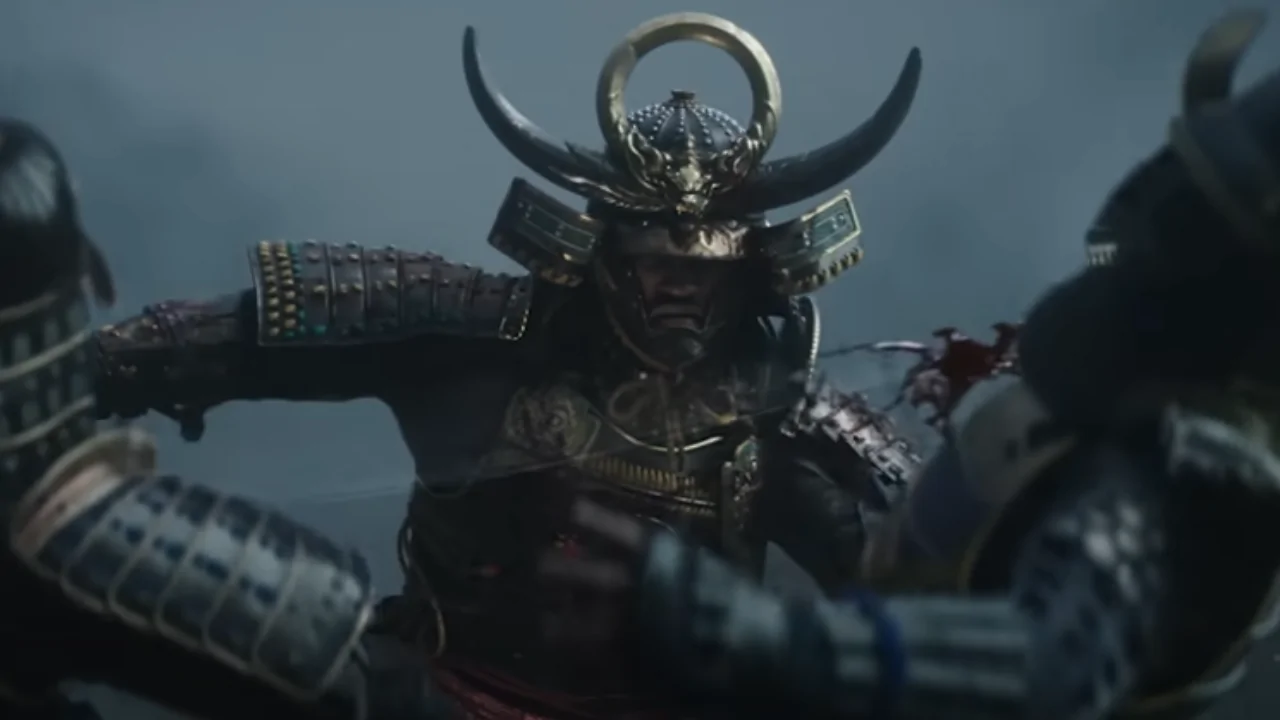
Ubisoft has formed a new gaming subsidiary alongside Chinese company Tencent for its major IPs like Assassin’s Creed, Rainbow Six, and Far Cry
Ubisoft is hemorrhaging money. That much has been clear since the release of its catastrophic Q3 FY25 earnings report, which revealed a company in freefall. Net bookings plunged 51.8% year-over-year in Q3 alone. Digital bookings fell 33.8%. Player recurring investment—the bread and butter of live-service games—dropped 33.7%. And the company’s debt-to-EBITDA ratio now sits at a nightmarish -21.1x, suggesting Ubisoft is losing money at a rate that makes its financial model unsustainable even before taxes, interest, or amortization are factored in.
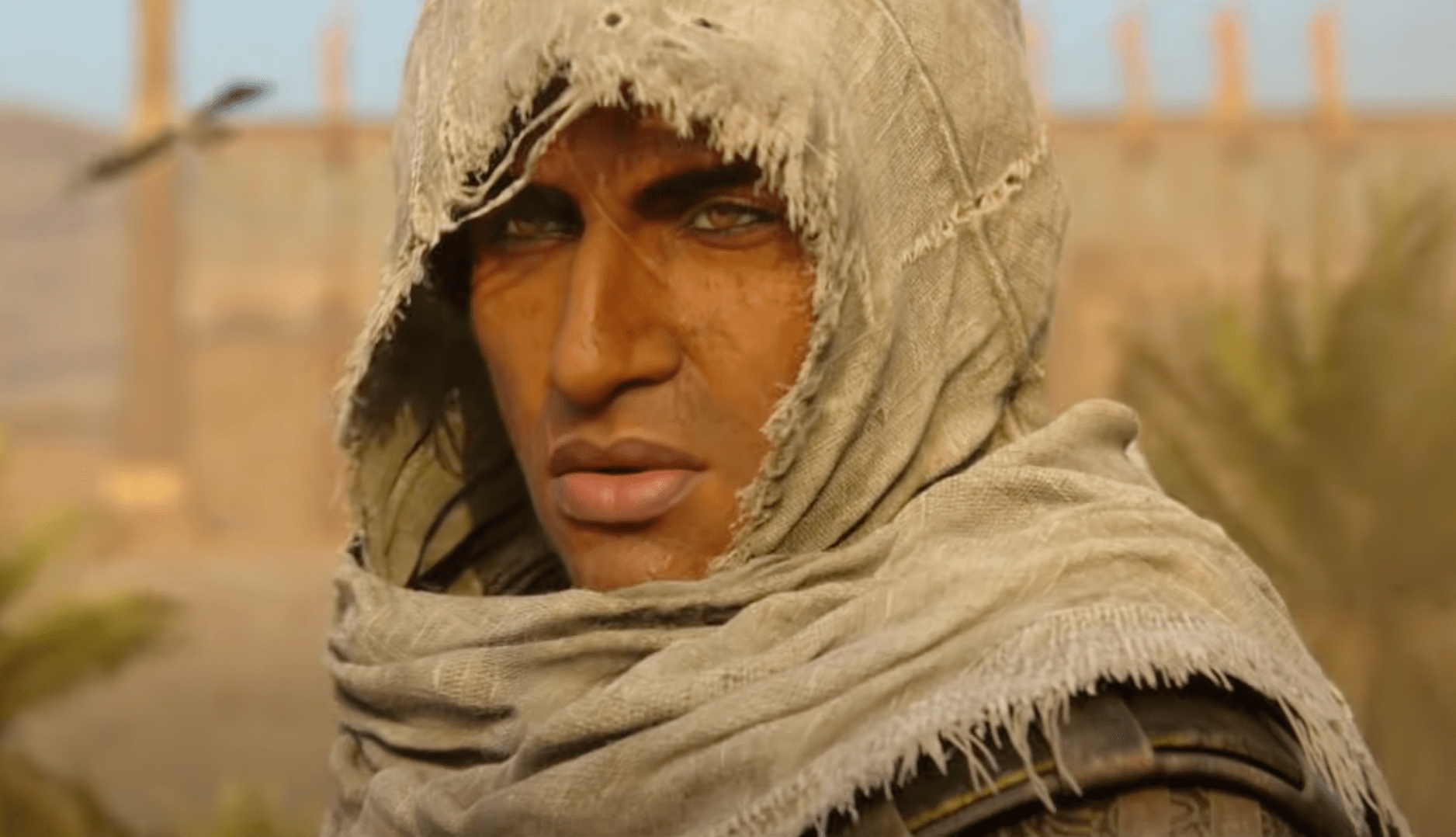
Bayek from Assassin’s Creed Origins – YouTube, Ubisoft North America
READ: Jonathan Majors Comeback Flops as Magazine Dreams Fails to Muscle Up at Box Office
So when Ubisoft suddenly announced this week that it had created a new gaming subsidiary—backed by a €1.16 billion ($1.25 billion) investment from Chinese tech giant Tencent—investors were understandably confused. Why would a company circling the drain be launching bold new ventures?
The answer is simple: it’s not a bold strategy. It’s a bailout disguised as expansion.
Tencent’s “Investment” Is a Lifeline in Disguise
Ubisoft framed the move as a strategic push to “build game ecosystems designed to become truly evergreen and multi-platform.” The new subsidiary will house Ubisoft’s most valuable IPs, including Assassin’s Creed, Far Cry, and Rainbow Six. The company emphasized improved “creative capacities,” greater narrative quality, and multiplayer innovation. But the real story is buried beneath the PR fluff.
This isn’t about innovation. It’s about liquidity.
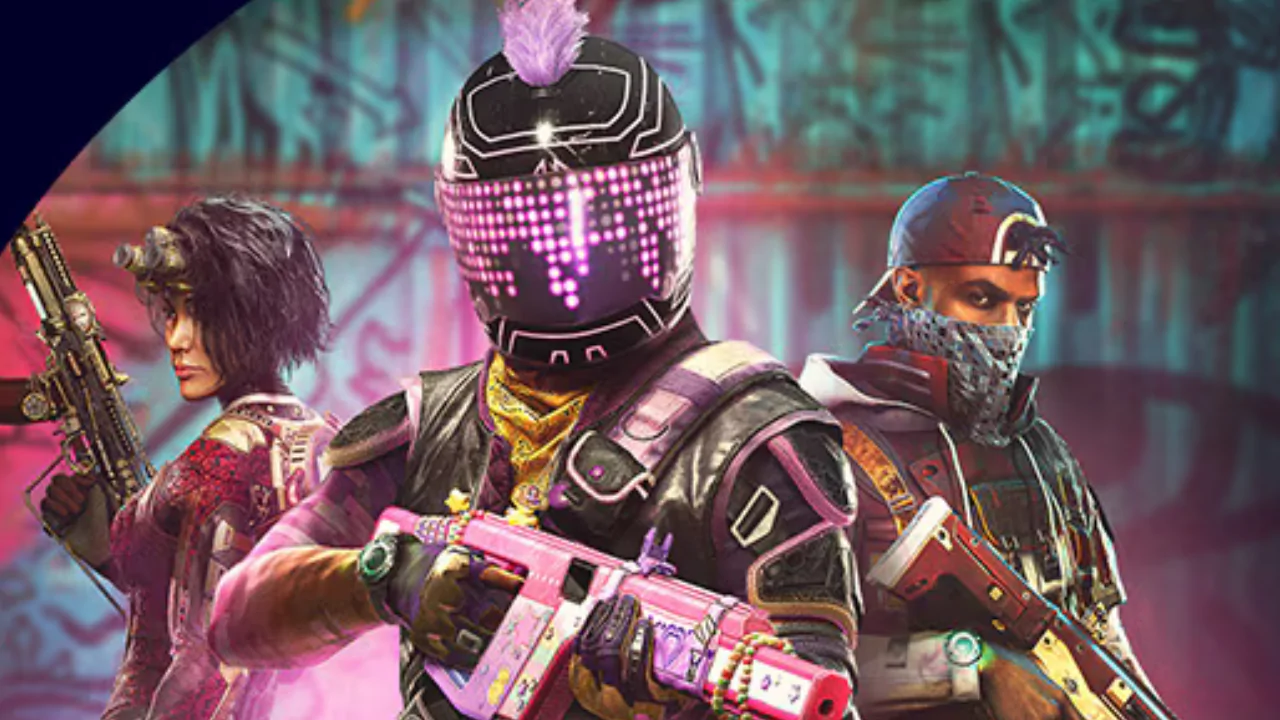
Key art for XDefiant (2024), Ubisoft
Ubisoft is in dire financial straits. Rather than announce a full sale or admit the depths of its crisis, the company carved off its crown jewels into a new entity and sold a piece to Tencent. It’s a tactic straight from the corporate survival playbook—raise fast cash by leveraging what little value remains. Ubisoft values the new subsidiary at €4 billion, using a conveniently flattering 4x sales multiple from FY23–FY25, despite the fact that FY25 is shaping up to be one of the company’s worst years in memory.
Hiding Collapse Behind a PR Curtain
This announcement also strategically arrived just days after the launch of Assassin’s Creed Shadows, which Ubisoft has heavily implied will be its saving grace. But despite Ubisoft’s efforts to spin the title as a success, the numbers tell another story.
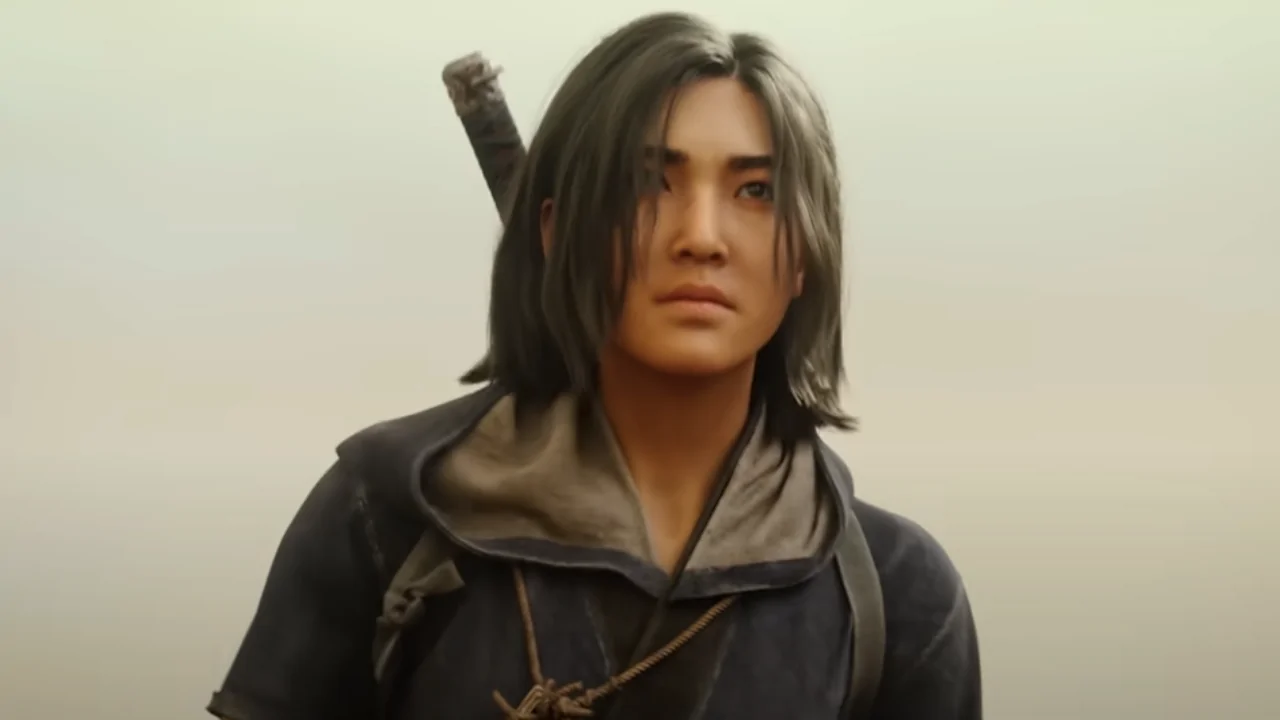
A screenshot from Assassin’s Creed Shadows (2024), Ubisoft
Ubisoft claims Shadows has reached 2 million players, but was careful not to say “units sold.” Many believe this figure includes users of Ubisoft’s subscription service, which boasts over 1.5 million subscribers. Since those subscribers get access to Shadows as part of their monthly fee, it’s possible that the “2 million players” figure is inflated by passive access rather than actual sales.
On Steam, Shadows peaked at just 64,825 concurrent players, with numbers now hovering in the 30,000s. That’s worse than BioWare’s much-criticized Dragon Age: The Veilguard—a game that has been the target of widespread backlash. For Ubisoft, this is an unambiguous red flag. A flagship Assassin’s Creed title failing to generate strong PC numbers indicates not just weak interest, but fading brand power.
A Surrender in Stages
The Tencent deal isn’t about creative freedom or player-focused innovation. It’s about survival. Ubisoft is mortgaging its future to stay alive in the present. The company’s founding Guillemot family, long resistant to a full takeover, is now effectively conceding power—piece by piece.
Tencent, for its part, is getting exactly what it wants: deeper access to Western gaming IPs, stronger positioning in live-service ecosystems, and long-term revenue potential—all for the price of bailing out a company that no longer has the strength to stand on its own.
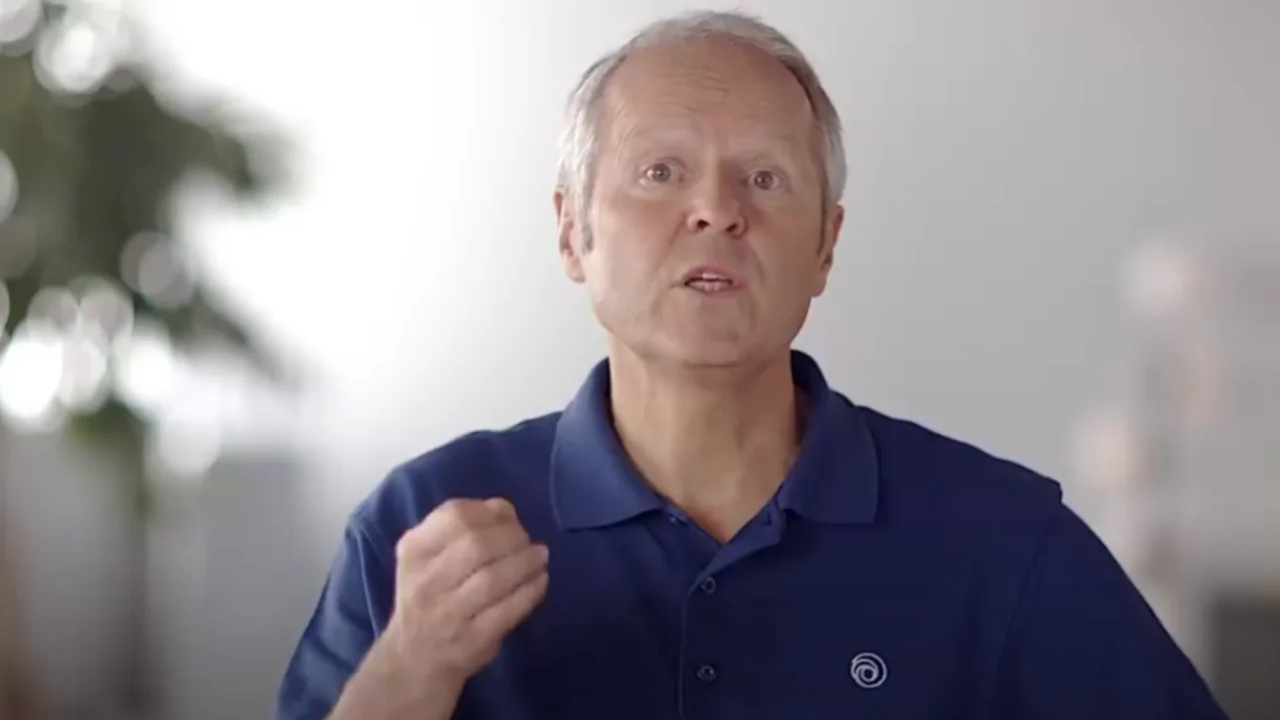
Yves Guillemot via Ubisoft North America YouTube
Ubisoft calls it a “transformational strategic move.” But in reality, it’s just the next stage in a long, slow fall. A once-proud publisher now resembles a zombie—kept on life support by overseas capital, staggering toward a future that looks more like consolidation or liquidation than reinvention.
If Assassin’s Creed Shadows was supposed to mark a comeback, the numbers—and the desperation—make one thing painfully clear.
This isn’t a comeback. It’s a cover-up.
How do you feel about Ubisoft and Tencent deepening their relationship? Sound off in the comments and let us know!
UP NEXT: Nick Frost Reportedly in Talks to Play Hagrid in HBO’s Harry Potter Series
