



Valorant Studio Head Anna Donlon told players to “play something else. We won’t miss you,” while she announced new player behavior policies for the game.

Key art of Cypher from Valorant (2020), Riot Games
In a video upload to YouTube, Donlon stated, “Since launching Val, especially with the addition of voice, especially with the addition of voice comms, we’ve known that fighting in-game harassment was going to be both something we needed to prioritize, and also would be one of the most challenging issues that we would face.”
She continued, “We’ve been working on systems and technologies, and we actually have been making a lot of progress. But having large global player communities presents unique challenges. Evolving challenges. So we have to be ready and willing to reexamine things and hold ourselves accountable when things are not meeting our community’s expectations. And that’s exactly what we’ve been doing.”
Next, she detailed, “I’ve spent the last couple of weeks reviewing player logs, looking at penalty escalation paths, discussing player behavior philosophies, seeing where they’re working and where we absolutely need to do better. It’s not the first time I’ve had to do this. It will not be the last. It’s important work, but it’s not always easy work.”
“I’m a human and a parent and a caregiver and a team lead, and in almost every aspect of my life, I feel this deep responsibility to protect people,” she added. “And this is no different. The responsibility of protecting our community of VALORANT players is one I take it very personally, and I can tell you that very often it can feel like we’ve, like I’ve, failed in that responsibility.”

Sage in Valorant (2020), Riot Games
“Player behavior is a complex problem space. Our systems cannot catch everything,” she admitted. “They require constant attention and tweaking and improvement. Sometimes it has to be painfully manual or dependent on our players reporting things and our processes staying well tuned, and sometimes tech that has the potential to be a game changer takes longer than you want to work..
“All the things we say at Riot on the topic of player behavior are true. I want to assure you that Riot has always taken this seriously. That’s been true ever since we launched League of Legends. But at the end of the day, there are still some people in this world who want to take out their insecurity or their bad day, or their hate, or their whatever on some stranger through their computer screen,” she declared. “So we work harder. We take steps forward.”

Key art for Valorant (2020), Riot Games
She then detailed, “But here’s the part I can’t shake: In almost all cases, someone gets hurt in the process of making these systems better. Too often it takes someone experiencing the worst behaviors – something egregious, something painful, something threatening for us to better understand where the gaps in our systems and processes are. And that’s exactly what we’re experiencing and addressing right now.”
She then told players, “But I also want to make sure that I say this out loud. We have no room for these types of behavior in our game or in our community. Valorant is a team game. It’s better played as a team. The strats are better. All of it’s better. When you tell someone to ‘just mute comms’ to avoid harassment, you are essentially putting the harassed person in a position to not communicate, to compromise how they want to play the game to accommodate you. Muting is a tool for people who choose to use it, not something that is there to justify bad behaviors.”

Clove in Valorant (2020), Riot Games
Donlon then noted, “Competitive games need to have room for banter. We believe this. And I do understand the fear. The fear that we will sanitize gaming by over addressing these issues. We have no interest in doing that. That’s not what we’re talking about here. But we do believe that a person should not be in a position to have to grow a thicker skin, or whatever other unhelpful suggestions have been thrown out there just to avoid threats of violence or literal hate speech.”
“There’s no room in our community for the most egregious behaviors, and we’re not going to compromise on that point. If you need to make truly evil statements under the guise of regular s**t talk to enjoy gaming, then please play something else. We won’t miss you,” she instructed.

Anna Donlon via Valorant YouTube
She then expressed her desire to shut peoples mouths, “Val Community, We can’t stop them from opening their mouths and saying something awful. I wish we could, but we can’t stop that part. What we can do is help escort them out of our game spaces. We do some of this already. The vast majority of the time when someone says something out of line and gets reprimanded, they learn as a result of our feedback systems, they keep playing. They rarely repeat offend.”
“The number of players who exhibit these behaviors are not the majority, I assure you,” she declared. “In fact, they are a very small fraction of our player base. However, it has definitely become clear to us that our existing penalties are not doing enough right now to remove the most disruptive players from Valorant in an efficient manner.”

Key art of Viper from Valorant (2020), Riot Games
From there, Donlon laid out Riot Games’ plan of action, “So here’s what we’re going to do: First, over the next 30 days we’ll be finalizing updates to our existing policies. This will allow us to issue more severe penalties and faster with a focus on the most severe behaviors. Things like hate speech, severe sexual content, and threats of violence which have no room in our game. And we will continue to adjust those categories when and where it’s needed.”
“Second, we need stronger tools to deal with a broader spectrum of harmful player behavior. And so we’re introducing new actions,” she continued. “This will include penalties ranging from temporary bans to permanent bans, all the way up to and including hardware bans for our worst offenders. Hardware bans are an extreme form of punishment, so we will apply them only in the most extreme cases with clear evidence and manual review, similar to how it works with anti-cheat right now.”
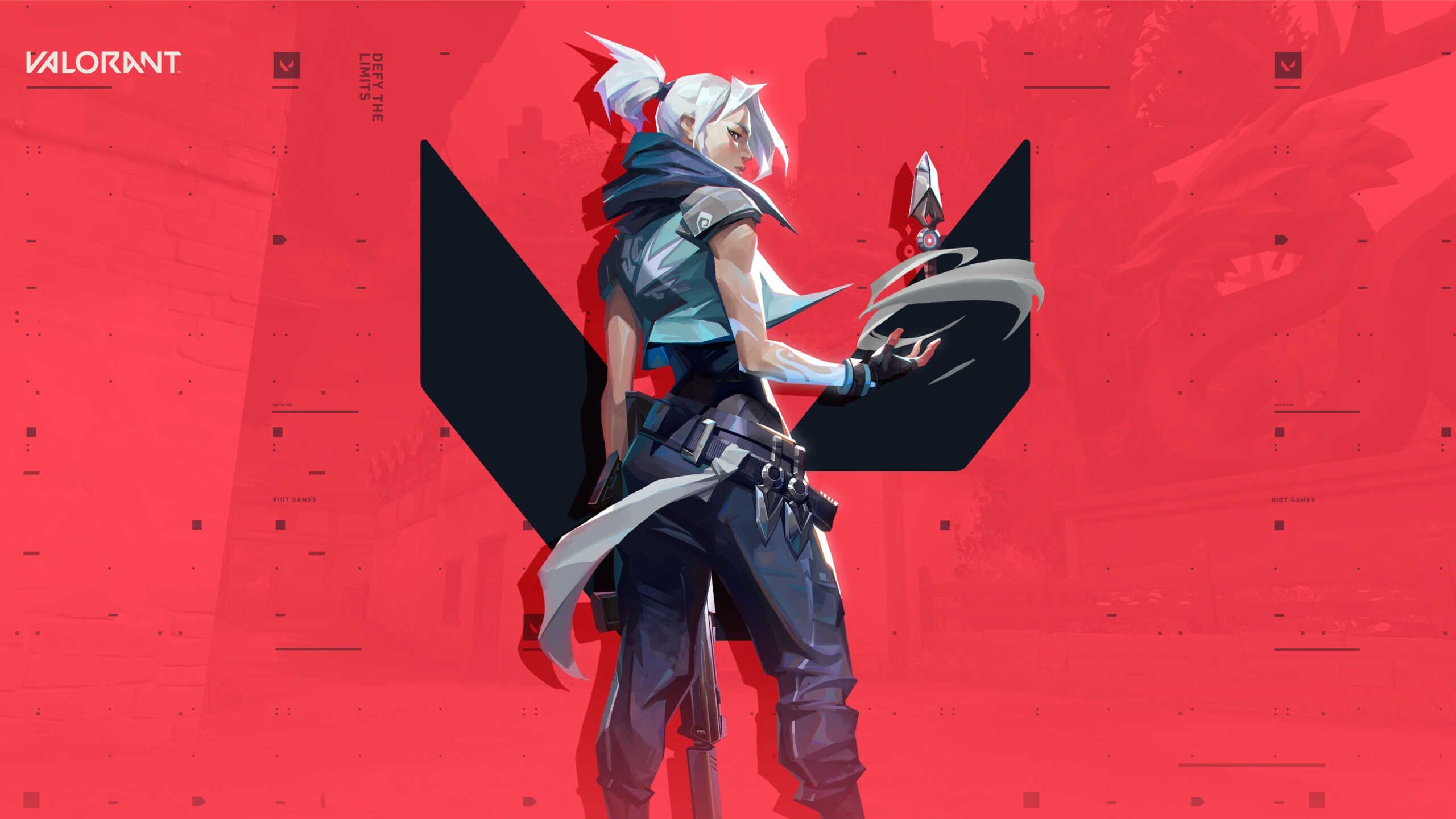
Key art of Jett from Valorant (2020), Riot Games
Donlon then detailed, “Third, because we’re making these changes, we anticipate there’s going to be more reports that will require manual review, so we’ll be beefing up the teams that are needed to support that. Fourth, we’ve been testing Riot Voice Evaluation (RVE) systems in North America in English only for a while now. It’s still in beta, but it’s been working really well so far. Players who have been actioned upon by RVE have not re-offended at a 75% rate. This reduces the overall number of repeat offenders by a great deal. We’re looking to roll this out to more regions later this year, adding support for additional languages while also taking into account local regulations on player safety and privacy.”
“And lastly, we’re going to go back and perform a one time review of the top suspected offenders from the previous act and issue penalties accordingly,” she stated.

Clove in Valorant (2020), Riot Games
“It’s important to us that you can trust us with this, that when you get feedback from a report that you can trust that something happened in a timely manner and with the right severity. I’m hopeful that these updates should be a positive step in earning that trust, and I don’t think we should stop there. Penalties and punishments. They do work after the fact, but we do think there are ways that we can be more proactive. Investing in systems and designs that create an environment where things like comms harassment are less likely to happen in the first place. So more on that to come,” Donlon relayed.
“Look, I know this message is intense. So let me say this: This is not just about preventing the worst. The goal is to make it so that the people who want to play Val are able to love playing Val. It’s about promoting the best in each of us. It’s about ensuring that people can share in the joy of the matches won and the tough losses, and the amazing feeling of community that gaming can create. I want to thank you for the time. We’re on this journey together, and despite the challenges, I know that the future of your building is bright and worth every effort. Thank you everyone,” she concluded.

Sage in Valorant (2020), Riot Games
According to the Valorant Community Code, Riot Games instructs players to:
- Never use hateful or abusive language. We do not tolerate derogatory comments on any player’s gender, race, sexual orientation, age, mental or physical abilities, religious affiliations, or country of origin.
- Don’t make jokes about people. People aren’t punchlines.
- Threats of any kind are unacceptable in VALORANT. Intent doesn’t matter here, and it’s on you to know your audience if you think it’s ‘just a joke.’
- Don’t expect someone to ‘toughen up’ over your language. If you upset someone, own it and do better next time. Respect people’s boundaries.
- Avoid blasting comms channels with background noise, music, or spam.
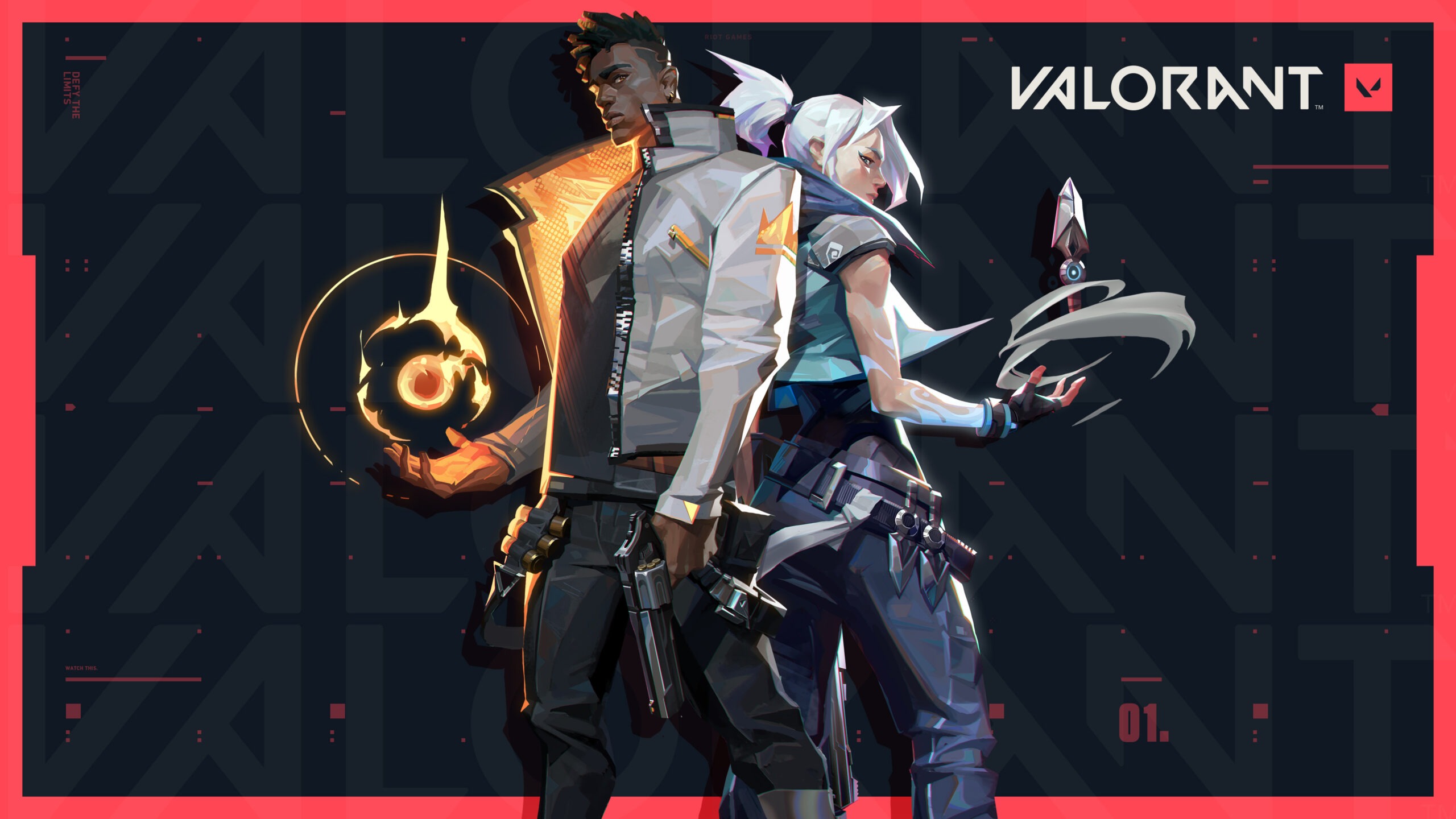
Key art of Phoenix and Jett from Valorant (2020), Riot Games
Ironically, while it claims to “not tolerate derogatory comments on any player’s gender, race, sexual orientation, age, mental or physical abilities, religious affiliations, or country of origin” it also declares:
- Obey the platinum rule – Treat others as they wish to be treated. If you don’t know, ask.
- Respect individual differences and experiences. VALORANT is a global community.
- Treat everyone like they can teach you something – they might just broaden your worldview.
- Use spicy language with caution. If you’ve just met, don’t assume everyone will understand your meaning or intent. If someone asks you not to use a term, stop – even if you don’t think it’s offensive.
- Communication channels are a shared space! Keep comms focused on coordination, even if you’re waiting to respawn.
The question remains what is Riot Games’ so-called “hate speech” policy. What is their definition of hate speech? And is it discriminatory against people’s religious affiliations and beliefs? These are questions Donlon did not answer, but she and Riot Games should so players are clear on the company’s position.
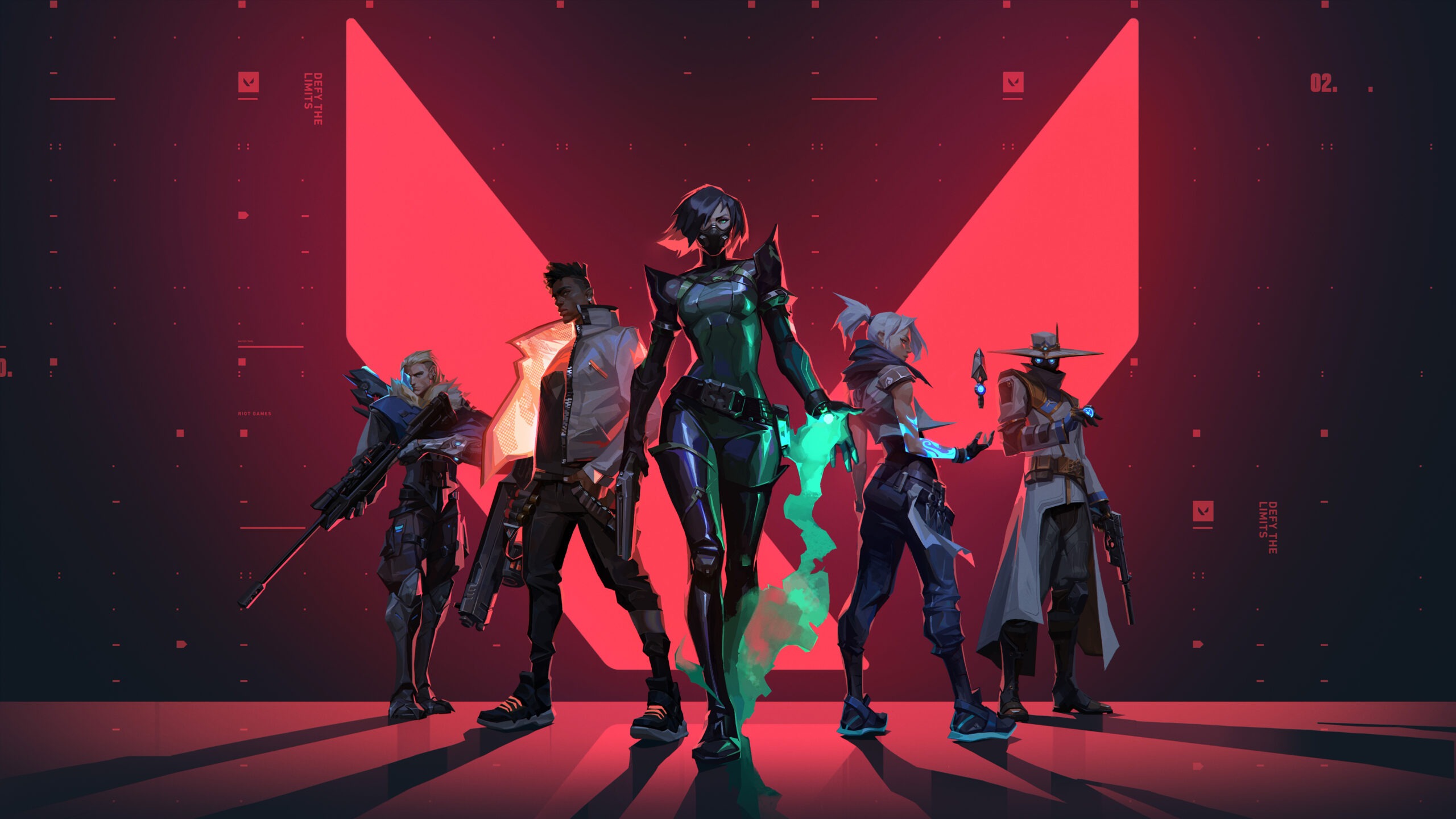
Key art for Valorant (2020), Riot Games
What do you make of Donlon’s comments regarding these new player behavior policies?
