


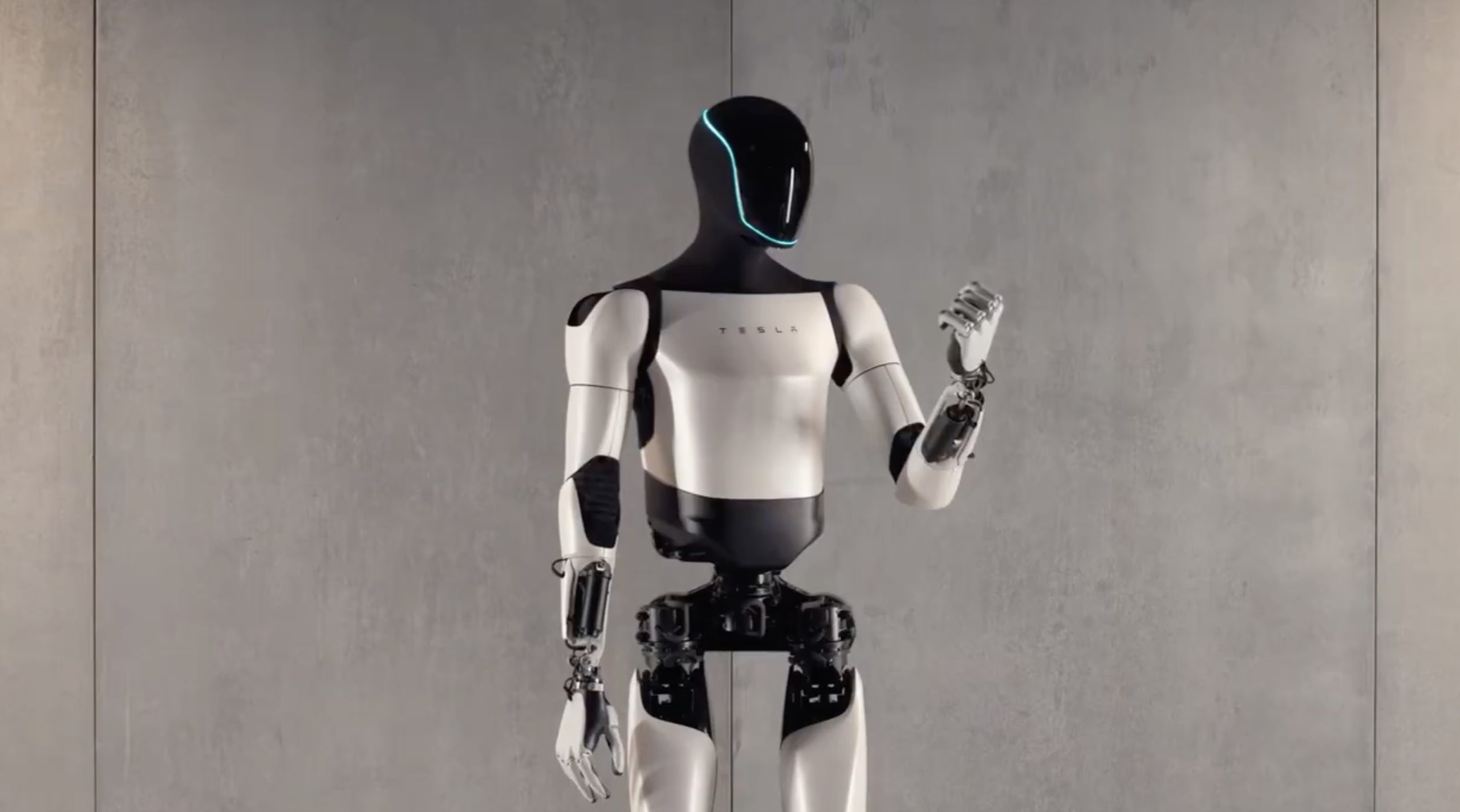
Disney Parks and Experiences have long relied on cutting-edge technology to bring immersive storytelling to life, with animatronics playing a crucial role in attractions from Pirates of the Caribbean to the newly opened Tiana’s Bayou Adventure. However, the rise of humanoid robots like Tesla’s Optimus could pose a significant challenge to Disney’s status as a leader in theme park innovation. If Tesla succeeds in making Optimus robots a common, accessible product, Disney’s animatronics could quickly be perceived as outdated—both in functionality and reliability.
Even worse: if Tesla is truly so far ahead in creating humanoid robots, Disney has no means of sourcing similar products to stay up-to-date and may be forced to deal with an adversarial Elon Musk to keep their parks relevant.
Tesla’s Optimus robot serving drinks at the We, Robot party pic.twitter.com/u5VWE7k141
— Tsarathustra (@tsarnick) October 11, 2024
The world’s richest man has ambitious plans for Tesla’s Optimus humanoid robot, envisioning a future where they are mass-produced at a scale of 100 million per year. Even at a much lower production volume, the impact of humanoid robots with advanced movement, artificial intelligence, and real-world utility could be transformative. Unlike Disney’s animatronics, which operate in a highly controlled environment with pre-programmed movements, Optimus is designed to perform useful tasks, adapt to surroundings, and potentially interact dynamically with humans. If visitors to Disney parks become accustomed to seeing humanoid robots in everyday life—whether at Tesla factories, businesses, or even personal use—it could make the stiff, predictable movements of Disney’s animatronics feel archaic by comparison.
Compounding this issue is the well-documented reliability problems with Disney’s current animatronics. Attractions such as Tiana’s Bayou Adventure have already faced reports of malfunctioning animatronics despite being new. Even flagship attractions like Star Wars: Rise of the Resistance have suffered from frequent breakdowns. If Tesla can produce a fleet of humanoid robots capable of complex tasks, yet Disney struggles to maintain far simpler animatronic figures, it would create a major perception issue. Guests may start to question why Disney, with its vast resources, cannot maintain functional attractions when companies like Tesla are making advanced robotics commonplace.
Thread of broken animatronics on my ride today of Tiana’s Bayou Adventure. Starting with Louis! pic.twitter.com/jZu8gBNur5
— Drew TheThemeParkDude 🌎 (@DrewTheDude123) June 14, 2024
Public perception plays a crucial role in the success of Disney Parks. If guests see theme park animatronics that are barely functional while humanoid robots are working seamlessly in factories and homes, it creates a stark contrast that damages Disney’s brand. The idea of “Disney Magic” could be undermined by the reality that consumer-available robots are far more advanced than the ones Disney uses in its billion-dollar attractions. This could lead to increased guest dissatisfaction, negative media coverage, and a broader discussion about whether Disney is falling behind in technological innovation.
The looming question is whether Disney can adapt to this potential disruption. One possibility is that Disney invests heavily in AI-driven animatronics that can match the fluidity and intelligence of Tesla’s Optimus robots. The company has already experimented with more advanced robotics, such as the free-roaming Baby Groot and the acrobatic Stuntronics used in Avengers Campus. However, these efforts remain limited in scope and application.
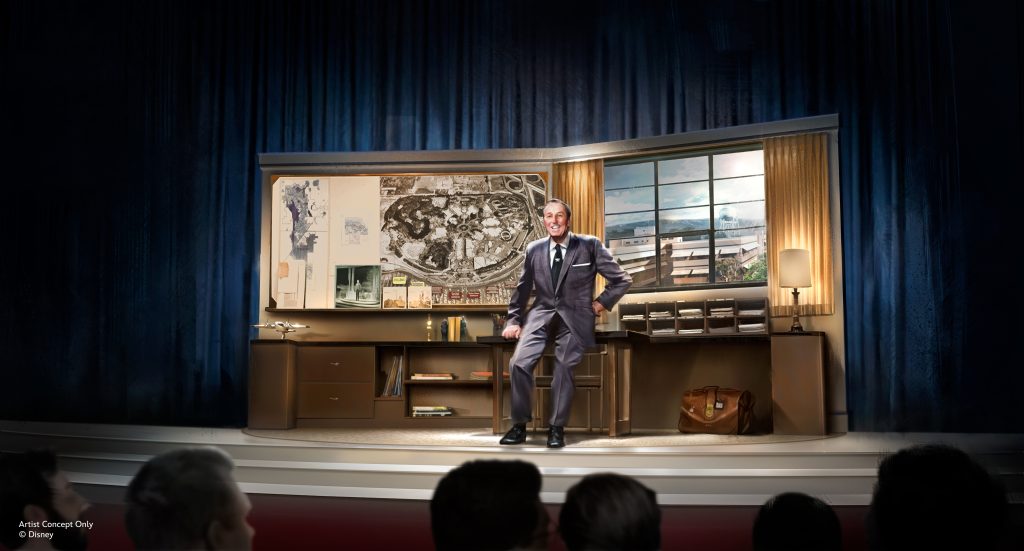
Concept art for Walt Disney – A Magical Life via Disney Parks Blog
Another potential avenue is for Disney to integrate humanoid robotics into guest experiences, using AI-powered figures that could interact with visitors in real-time rather than just repeating pre-set motions. If Tesla’s Optimus robots become widely accepted in everyday life, Disney will need to reimagine how technology can enhance storytelling rather than simply relying on static animatronics.
Tesla’s Optimus humanoid robots, if successfully deployed, could create a major technological gap that highlights Disney’s animatronics as outdated relics. If Disney fails to innovate quickly, its attractions may begin to feel obsolete, and the company could face criticism for lagging behind in the field of robotics. With Disney Parks relying on their ability to transport guests into magical worlds, the challenge is clear: evolve or risk becoming a museum of past technological marvels while the world moves forward.
The real problem for Disney…
They can’t compete with Tesla, they’re far behind Tesla and Optimus could antiquate all their animatronics in twelve months. After all, who cares about broken mannequins from last century when real C3POs are becoming commonplace?
