


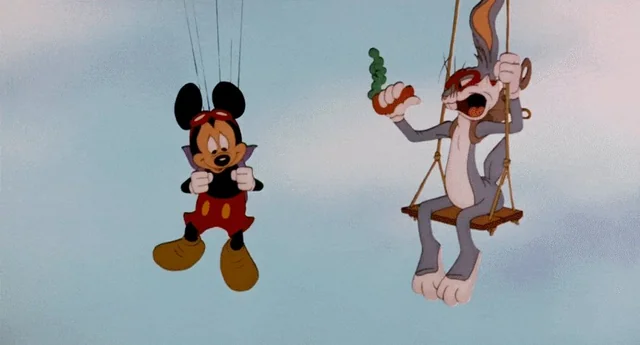
Warner Bros. has just etched its name into the record books in a way Disney never has. Over the weekend, The Conjuring: Last Rites stormed into theaters with an $83 million domestic debut, the third-largest opening ever for a horror film. That figure alone would be enough to grab headlines, but what makes it historic is the bigger picture: this marks Warner Bros.’ seventh consecutive film to open above $40 million.
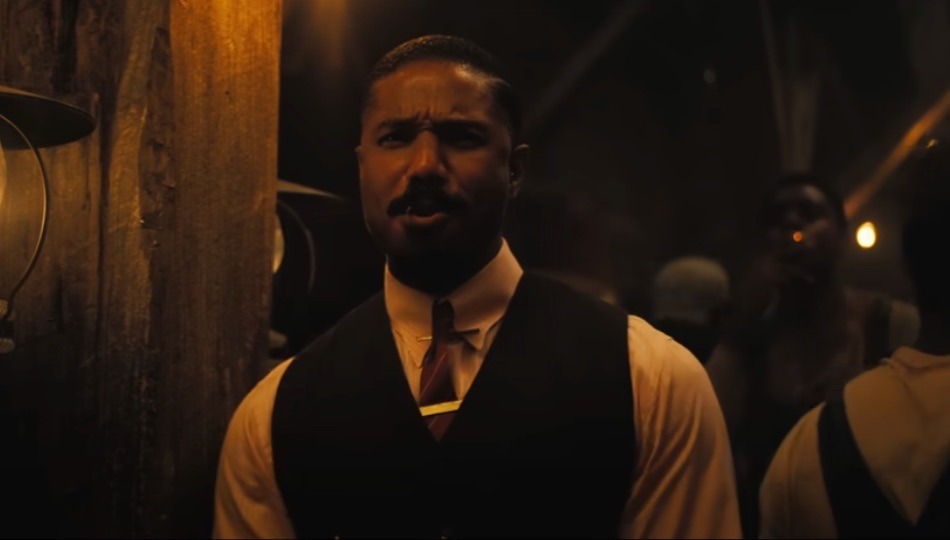
Michael B. Jordan in Sinners – YouTube, Warner Bros.
READ: Ryan Reynolds Shuts Down Avengers: Doomsday Rumors: Has Not “Stepped Foot on Set”
This isn’t a streak driven by a single franchise. Earlier this summer, Superman and A Minecraft Movie both cleared the $100 million mark on opening weekend. Yet Warner Bros. has also turned smaller, riskier projects into real box office players. Original titles like Sinners, Weapons, and F1 performed far beyond expectations, proving the studio’s strategy is not built on billion-dollar gambles but on a steady cadence of profitable releases.
Horror in particular has been a powerhouse, pushing the genre past $1 billion domestically already this year—largely on the back of Warner Bros. productions.
The Tortoise vs. The Hare
The best way to understand how this moment reflects on Disney and Warner Bros. is through Aesop’s fable. Disney is the hare (despite Warner Bros’ icon being a rabbit…): it races ahead with billion-dollar smashes that capture cultural conversation, but then collapses into valleys when a film misses the mark. Warner Bros. is the tortoise: reliable, consistent, and ultimately better positioned to cross the finish line.
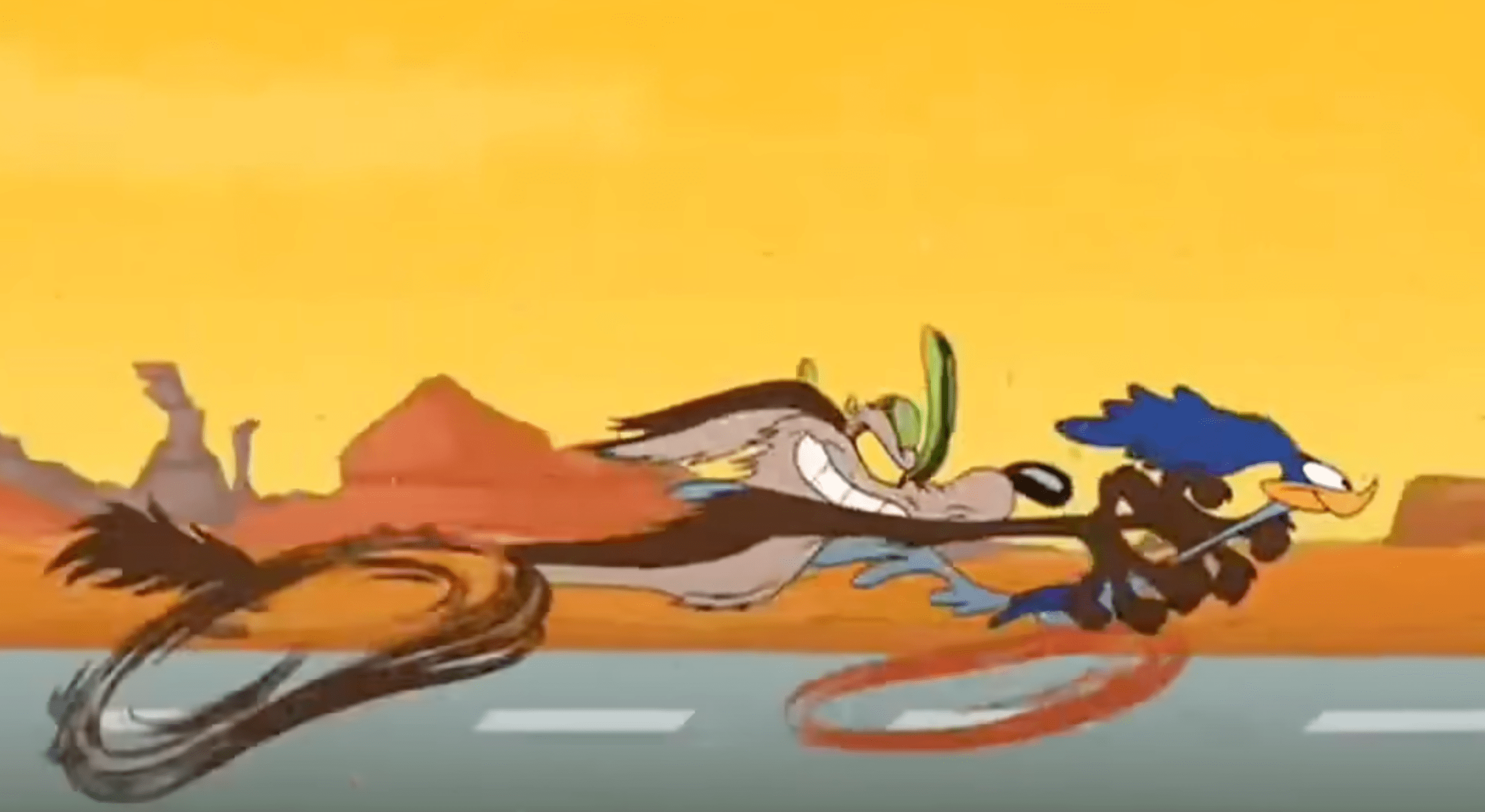
Wile E. Coyote chases the Road Runner in a Looney Tunes cartoon – YouTube, IK Films
Disney’s model makes headlines, but it’s a gamble every time. Warner Bros. is proving that slow and steady isn’t boring—it’s profitable.
Why WB’s Strategy Works
A big part of Warner Bros.’ success is restraint. The Conjuring: Last Rites cost around $55 million to produce, yet it’s already approaching $200 million globally. That return on investment for Warner Bros. is far healthier than the ballooning budgets Disney now pins its hopes on.

Daffy Duck and Porky Pig in the Looney Tunes movie The Day The Earth Blew Up – YouTube, WB Kids
The studio also understands genre power. Horror, thrillers, and mid-budget action films continue to draw audiences without requiring superhero-scale marketing. WB’s consistent lineup means audiences have a reason to return to theaters again and again, rather than waiting for one giant spectacle every few months.
Disney’s Peaks and Valleys
Nowhere is the contrast clearer than in Disney’s recent box office run.
When Disney wins, it wins big. Lilo & Stitch became the first Hollywood release of 2025 to cross the $1 billion mark, with $416 million domestic and $584 million overseas, fueled by a record $183 million Memorial Day weekend. Pixar’s Inside Out 2 soared even higher, reaching $1.699 billion worldwide, including $653 million domestic—making it the most successful animated film ever at that time. Both Deadpool & Wolverine and Moana 2 also cracked the billion-dollar milestone.
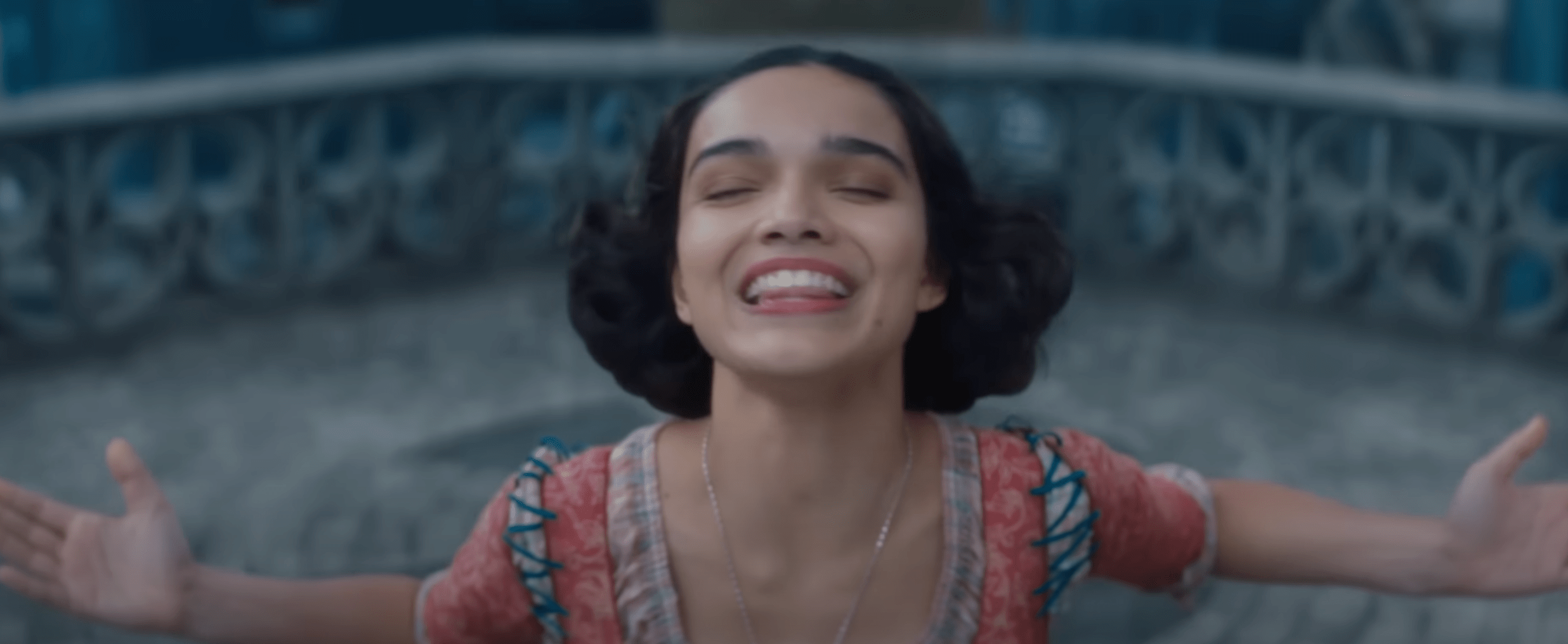
Rachel Zegler singing in the Snow White Trailer – YouTube, Disney
READ: Howard Stern Claims SiriusXM Show Isn’t Canceled—But the Contract Question Lingers
But for every leap forward, there’s a stumble. Snow White carried a staggering $240–270 million production cost yet limped to $206 million worldwide. Thunderbolts pulled in just $382 million globally, well below its break-even threshold. Captain America: Brave New World managed $415 million worldwide on a budget many have claimed topped $300 million due to extensive reshoots, plus heavy marketing—far from Marvel’s former glory.
And Pixar’s Elio marked a historic low for the studio, opening at only $20.8 million and topping out at $153 million worldwide with another budget that insiders alleged surged into the hundreds of millions due to reshoots.
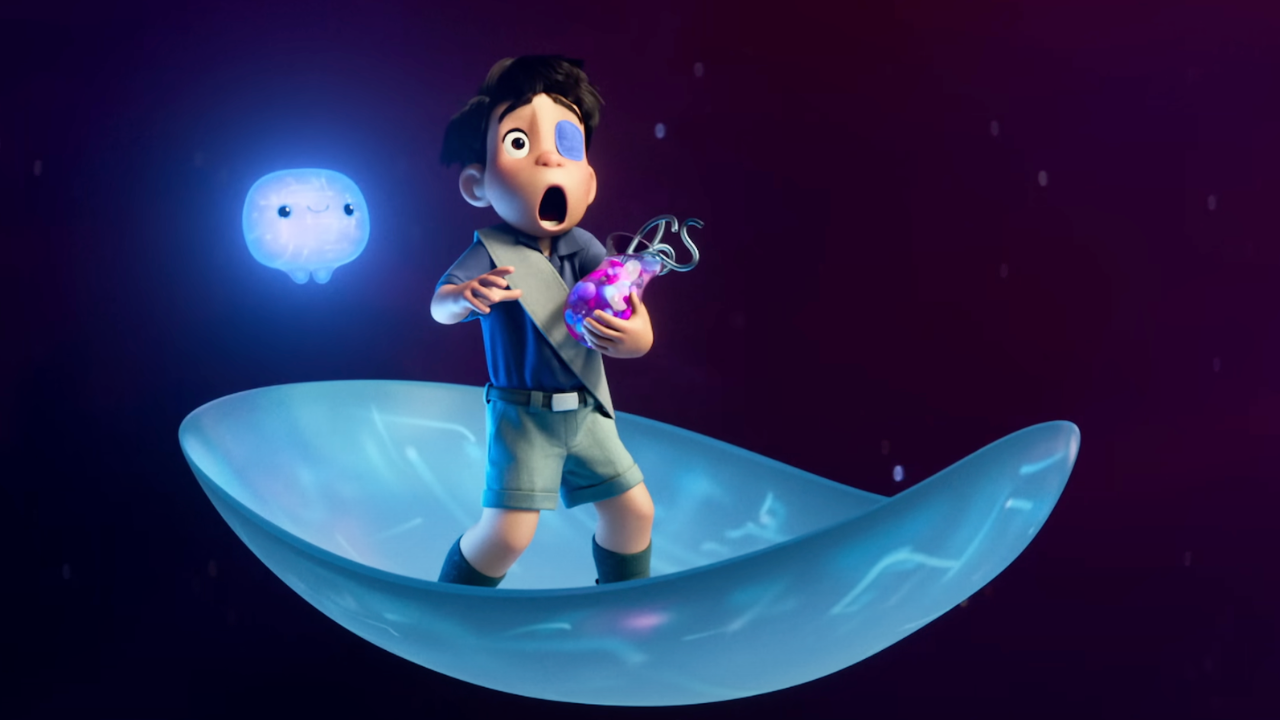
Elio in the trailer for the Pixar movie Elio – YouTube, Pixar
It’s also important to remember that Disney doesn’t keep the full box office total. It has to recoup production costs and marketing costs while paying out around 50% of the gross to theaters and foreign markets. So something like Snow White, which one paper looks like a modest loss was actually a staggering failure that could have cost Disney hundreds of millions.
This is the Disney paradox: breathtaking highs that are undercut by equally dramatic failures.
Slow and Steady Wins the Race
Warner Bros.’ streak shows how much the industry has shifted in the post-pandemic era. Billion-dollar unicorns still exist, but the path to profitability increasingly comes from stacking reliable wins, not gambling on giant bets.
Disney may still dominate cultural headlines when its tentpoles land, but its valleys are steep and costly. Warner Bros., by contrast, has found the formula for balance—leaner budgets, genre-smart scheduling, and a commitment to variety across its slate.

The WB logo before a Looney Tunes cartoon – YouTube, Public Domain Remastered
In Aesop’s story, the tortoise doesn’t need to be flashy to win. It just keeps moving forward. Right now, that’s Warner Bros.—and the rest of Hollywood would be wise to take notes.
Do you believe that Warner Bros. has a smarter box office strategy than Disney? Sound off in the comments and let us know!
UP NEXT: Beast Boy Voice Actor Claims He Was Fired by WB After Parkinson’s Diagnosis
