


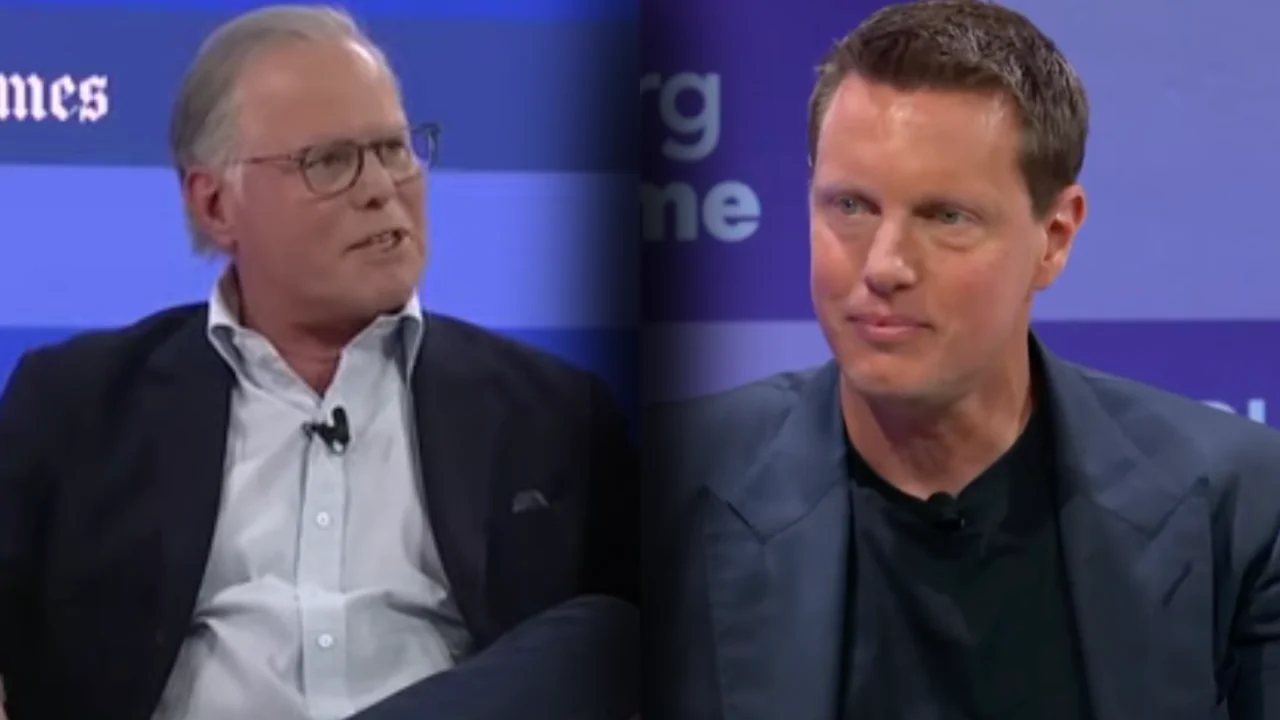
The WB Paramount takeover battle is far from over, despite Warner Bros. Discovery’s board issuing a forceful public rejection of Paramount Skydance’s $30-per-share hostile bid.
While Warner Bros. Discovery leadership has moved aggressively to dissuade investors from tendering their shares, the company’s own filings make one thing unmistakably clear: the board does not get the final say — shareholders do.
Warner Bros Discovery Logo
In a lengthy letter to investors and an accompanying SEC filing, Warner Bros. Discovery confirmed that it is merely recommending shareholders reject the Paramount Skydance offer, not blocking it outright as many other outlets have alleged.
That language matters — and it underscores why the WB Paramount fight remains alive.
This Is a Recommendation, Not a Kill Shot
Despite headlines suggesting the takeover attempt has been shut down, Warner Bros. Discovery does not have the legal authority to end a hostile tender offer on its own.
Paramount Skydance’s bid was deliberately structured to bypass management and go directly to shareholders. That means no board approval is necessary and no merger agreement needs to be signed for investors to act individually.
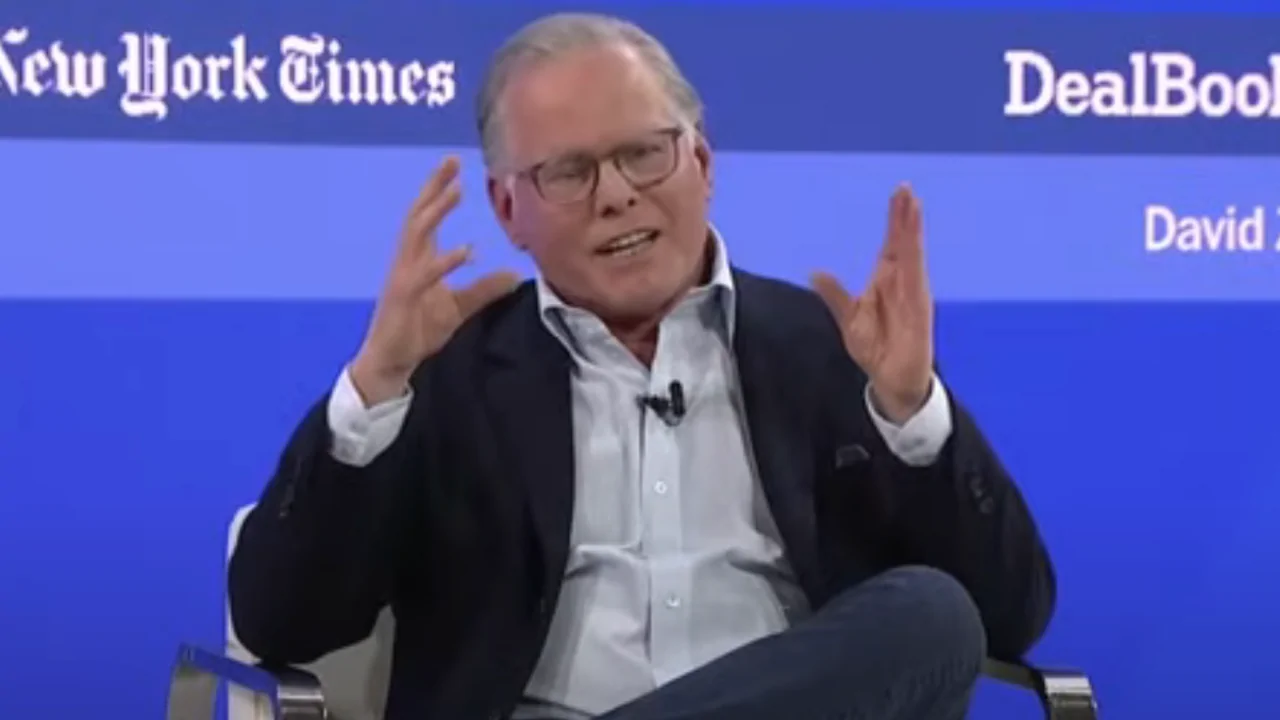
WBD CEO David Zaslav Speaks at a New York Times event – YouTube, New York Times Events
Warner Bros. Discovery’s response comes in the form of a Schedule 14D-9 filing, a document designed to persuade shareholders — not bind them.
Still, the board pulled no punches.
“The PSKY offer provides inadequate value and imposes numerous, significant risks and costs on WBD,” the board wrote in its letter to shareholders.
The sheer intensity of the language reflects just how seriously leadership views the threat posed by Paramount’s bid.
Board Goes on the Offensive to Defend the Netflix Deal
Throughout the letter, Warner Bros. Discovery repeatedly frames the Netflix transaction as untouchable, declaring: “The terms of the Netflix merger are superior.”
That assertion is paired with a sweeping condemnation of Paramount’s financing structure, which the board claims lacks a full backstop from the Ellison family.
A graphic showing the Netflix and Warner Bros. Logos – Netflix
They claim Paramount “has consistently misled WBD shareholders that its proposed transaction has a ‘full backstop’ from the Ellison family. It does not, and never has.”
The board further warned investors that Paramount’s equity commitment relies on what it called an “unknown and opaque revocable trust,” arguing that such a structure offers little certainty if the deal were to collapse.
“A revocable trust is no replacement for a secured commitment by a controlling stockholder,” they said.
This language is clearly designed to instill doubt and hesitation among shareholders — a defensive move aimed at preserving the Netflix deal rather than opening the door to renewed negotiations.
“The PSKY Offer Is Illusory,” Board Claims
Perhaps the most striking phrase in the entire letter comes when Warner Bros. Discovery labels the takeover attempt outright fiction.
“The PSKY offer is illusory,” they said.
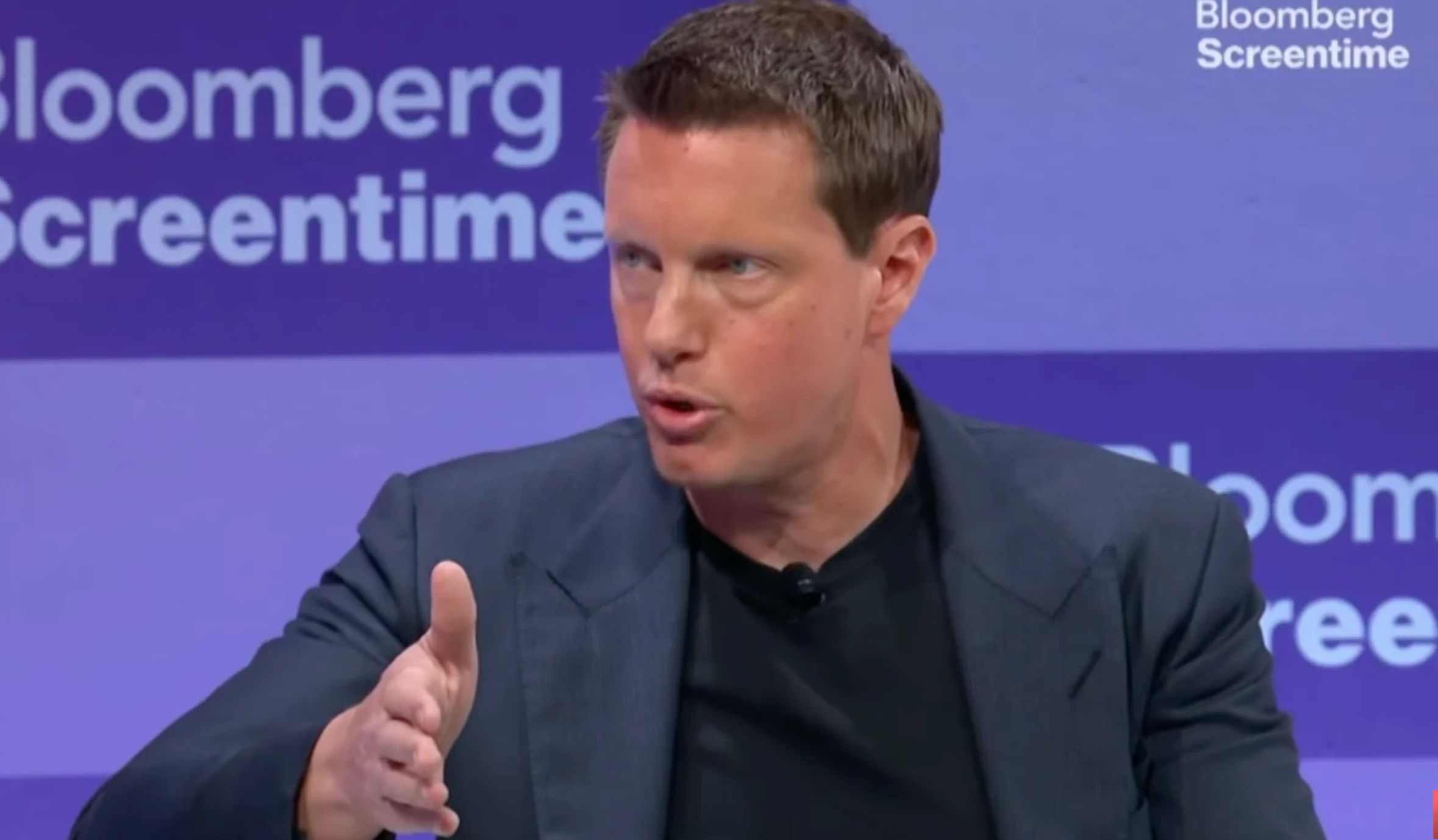
David Ellison in an interview with Bloomberg – YouTube, Bloomberg Podcasts
The board argues that because the tender offer can be amended or withdrawn by Paramount Skydance at any time, it lacks the certainty of a binding merger agreement.
But critics note that this is precisely how hostile tender offers work, and the structure does not invalidate the offer’s legitimacy — it simply reflects the fact that Paramount is appealing directly to shareholders rather than management.
Shareholders Still Hold the Leverage
Despite the board’s objections, Paramount’s bid remains open. Each shareholder can independently decide whether to tender shares, regardless of the board’s recommendation.
If Paramount secures a controlling stake, it would gain the power to replace the board, renegotiate existing agreements, or restructure the Netflix transaction entirely.
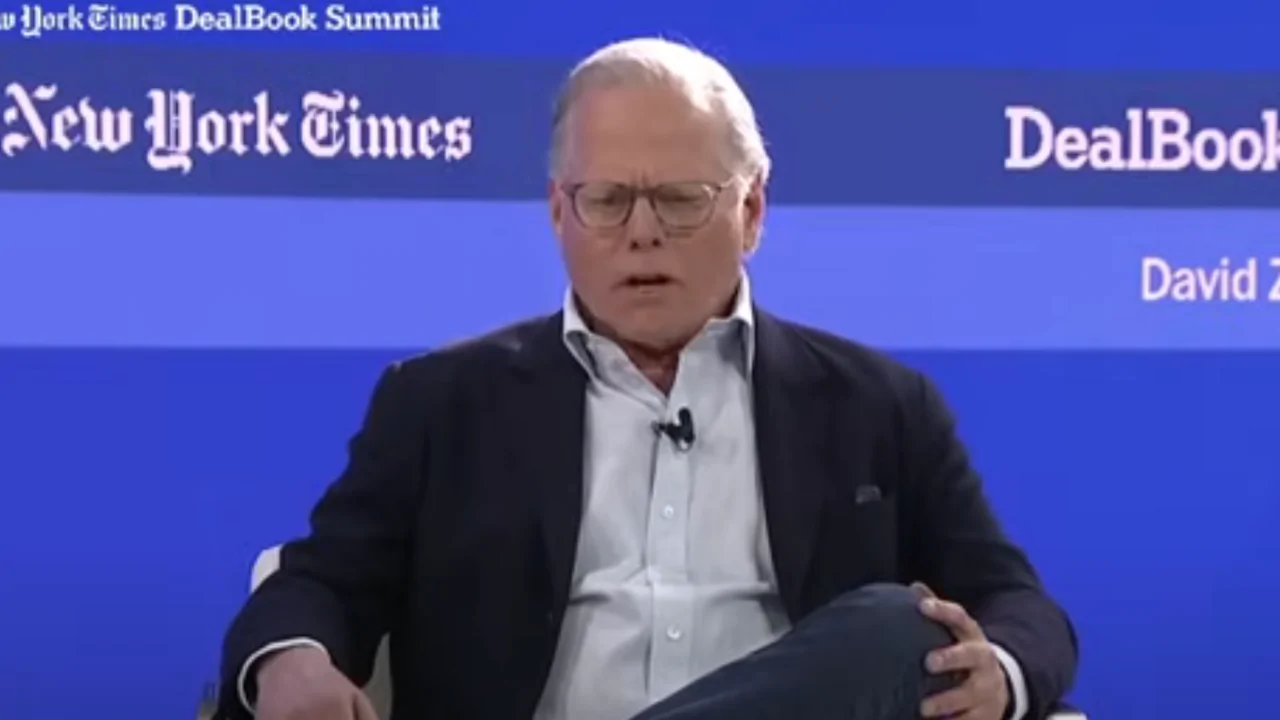
WBD CEO David Zaslav Speaks at a New York Times event – YouTube, New York Times Events
That reality explains the unusually aggressive tone of Warner Bros. Discovery’s response.
The board even warned shareholders that accepting the Paramount offer could trigger billions in costs tied to the Netflix deal.
“This additional $4.3 billion in potential costs represents approximately $1.66 per share to be borne by WBD shareholders if the offer does not close.”
Critics argue that this framing places responsibility on shareholders for penalties created by a deal they never voted on in the first place.
Paramount’s Case: More Cash, Less Complexity
Paramount Skydance has maintained that its $30-per-share offer delivers clearer, immediate value to investors compared to Netflix’s cash-and-stock structure.
Unlike the Netflix deal, which includes exposure to stock price fluctuations and a future spin-off of Discovery’s TV networks, Paramount’s offer is all-cash — a key selling point for shareholders seeking certainty now rather than long-term projections.
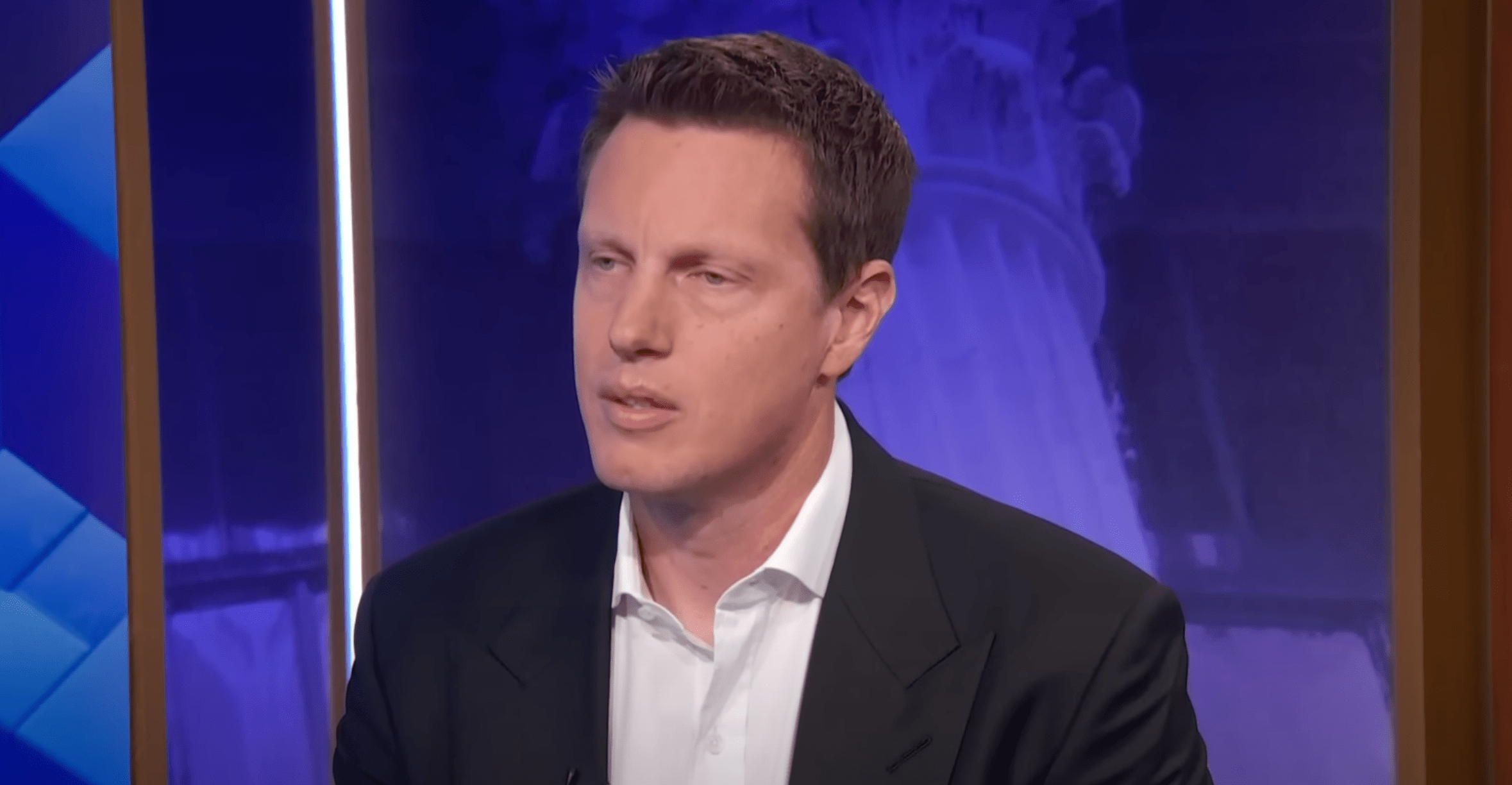
Paramount Skydance CEO David Ellison being interviewed – YouTube, CNBC Television
Paramount has also pushed back on claims that its proposed $9 billion in cost synergies would weaken Hollywood, arguing instead that consolidation is inevitable as legacy studios struggle to compete with global streaming giants.
The Real Question at the Heart of WB Paramount
At its core, the WB Paramount clash is not simply about which deal looks better on paper.
It’s about who gets to decide.

Warner Bros. World Abu Dhabi – YouTube, Coaster Studios
Warner Bros. Discovery’s board has made its preference unmistakably clear — and has gone to extraordinary lengths to frame Paramount’s bid as reckless, underfunded, and dangerous.
But by its own admission, the board can only recommend.
Whether shareholders follow that recommendation — or push back against leadership they believe has already locked the company into a preferred outcome — remains the unanswered question.
Bottom Line
The WB Paramount fight is not finished, despite Warner Bros. Discovery’s attempt to frame it that way.
Source Photo Credits: Netflix, Warner Bros.
The offer is still live. The pressure campaign is underway. And the final decision rests not in the boardroom — but with shareholders.
Do you think Paramount will ultimately own WB? Sound off in the comments and let us know!
